
The snack industry has seen a massive shift toward high-protein, low-sugar alternatives, with biltong emerging as a dominant force in the global marketplace. While often conflated with traditional American beef jerky, biltong represents a distinct product category with its own unique production methodology, flavor profile, and business positioning. For entrepreneurs and brand strategists in the food and beverage sector, understanding biltong is not just about culinary appreciation; it is about recognizing a premium category that allows for high-margin brand positioning in a competitive retail landscape.
The Production Philosophy: Air-Curing vs. Dehydration
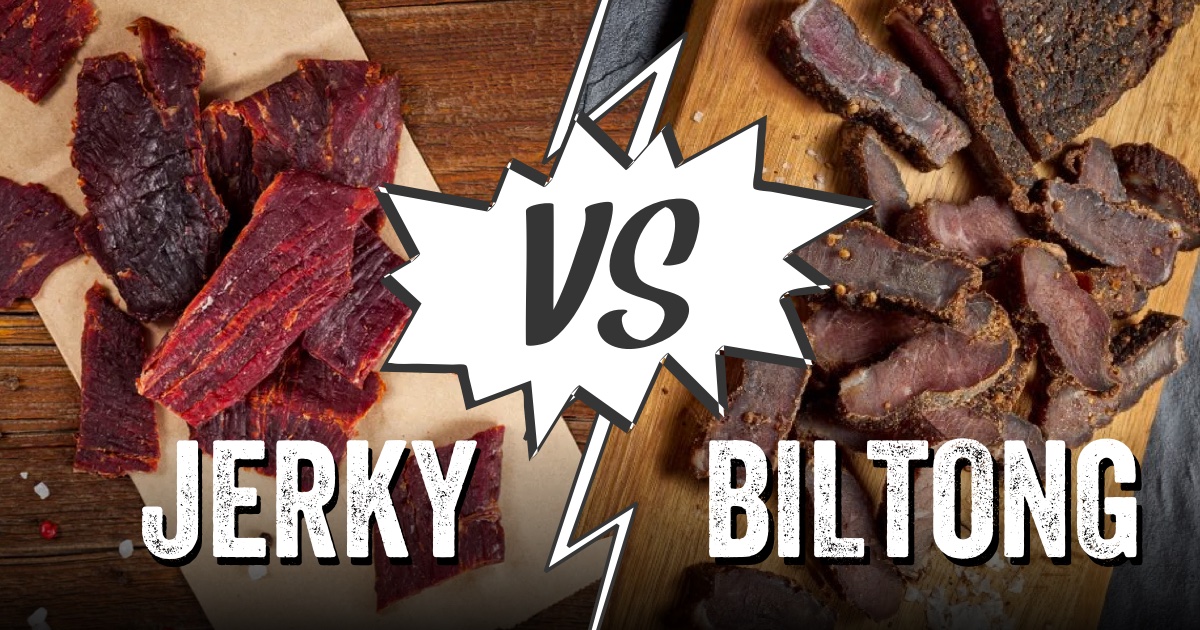
The fundamental difference between biltong and traditional jerky lies in the manufacturing process. From a product development perspective, this distinction is the primary driver of its premium status.
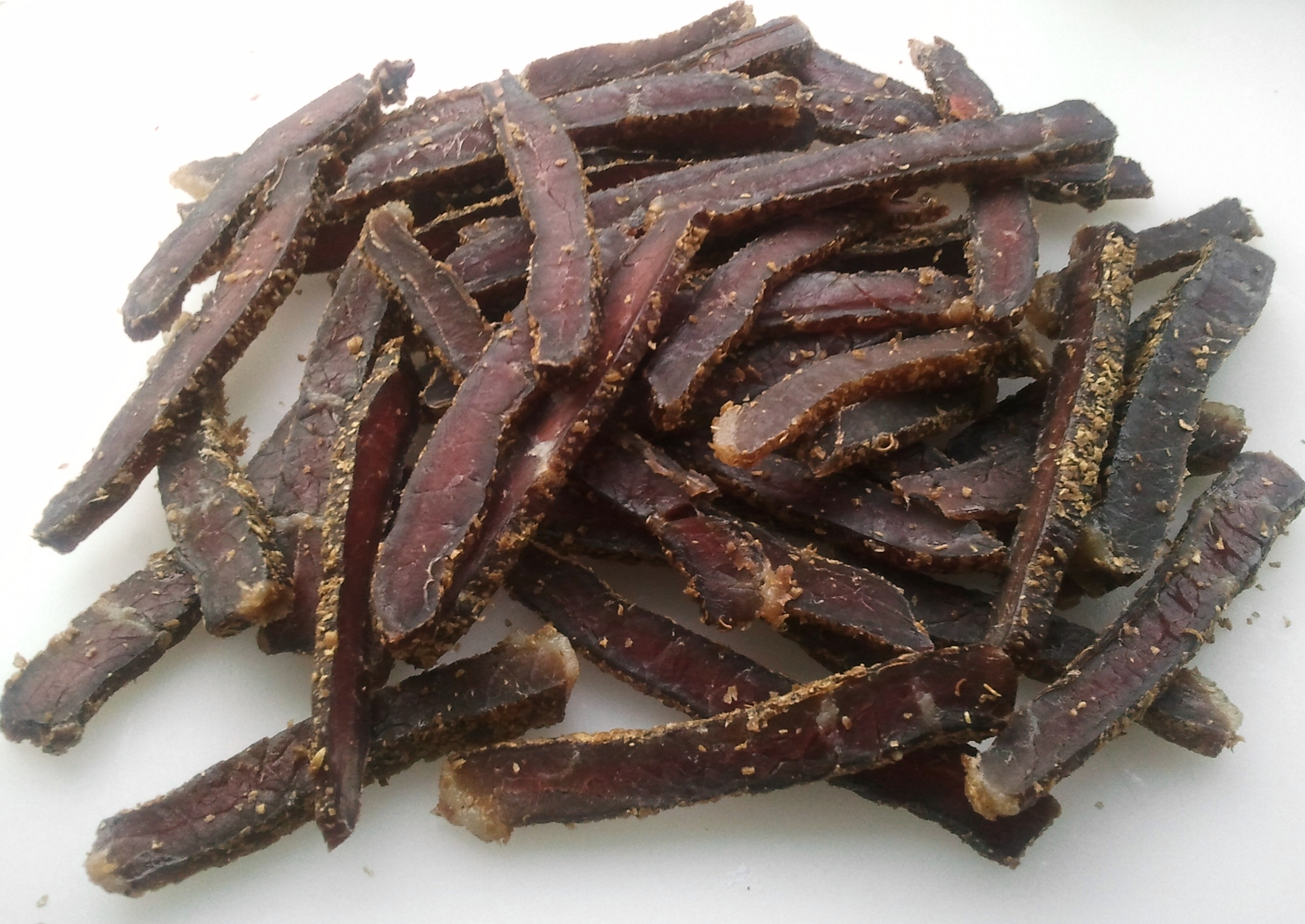
The Science of Air-Curing
Biltong is fundamentally an air-cured meat product. Unlike jerky, which is typically sliced thin and subjected to heat-based dehydration in an oven or smoker, biltong is produced by hanging thick slabs of meat in a temperature-controlled, ventilated environment. This process facilitates a slow, natural moisture loss that preserves the integrity of the muscle fibers. By avoiding high heat, the proteins do not denature in the same way, resulting in a product that maintains a tender, “melt-in-your-mouth” texture rather than the tough, fibrous chew associated with conventional jerky.
The Role of Vinegar and Spice
The curing process begins with a marinade—typically a blend of vinegar, salt, and spices such as coriander, black pepper, and cloves. The vinegar serves a dual purpose: it acts as a pH-lowering agent that inhibits bacterial growth and provides a unique tangy flavor profile that distinguishes biltong from the sugar-heavy, soy-based marinades common in commercial jerky brands. This ingredient profile naturally aligns with the rising consumer demand for “clean label” products—items that rely on simple, recognizable ingredients rather than artificial preservatives or high-fructose additives.
Brand Positioning: Targeting the Premium Consumer
For a brand operating in the snack space, biltong serves as an ideal vehicle for a premium market entry strategy. The product naturally commands a higher price point than standard meat snacks, allowing brands to escape the “commodity trap” of thin-margin, mass-market retail.
Crafting a Heritage-Based Narrative
Biltong carries a rich cultural history originating from Southern Africa, where it was developed as a survival food for Dutch settlers. Modern brands have successfully leveraged this heritage to build a narrative of authenticity. In the crowded landscape of fitness snacks, a brand that can articulate a “traditional, time-tested” origin story gains an immediate advantage in brand equity. Consumers are increasingly drawn to products that feel like they have a provenance, rather than being manufactured in a sterile, high-speed automated facility.
The “Clean” Competitive Advantage
The shift in dietary trends toward Paleo, Keto, and low-carb lifestyles has positioned biltong as the ideal functional snack. Brands focusing on this category emphasize the “zero-sugar” aspect of authentic biltong. While most jerky products are loaded with brown sugar, corn syrup, or honey, traditional biltong recipes are inherently savory and sugar-free. For a marketing team, this creates a clear, undeniable value proposition. Marketing campaigns focused on metabolic health, insulin sensitivity, and high-protein intake find an eager audience among the demographic that views processed snacks with skepticism.
Market Analysis and Scalability Strategies
Entering the biltong market requires a nuanced understanding of supply chain logistics and retail placement. Because it is a niche, premium item, the marketing strategy must be as precise as the production process.
The Pivot from Niche to Mainstream
To scale a biltong brand, companies must decide between a “craft/artisan” approach or a “lifestyle/mass-distribution” approach. Artisan brands often rely on direct-to-consumer (DTC) channels, using subscription models and social media storytelling to create a high-affinity brand community. Lifestyle brands, conversely, focus on partnerships with gyms, outdoor retailers, and high-end grocery chains. The growth of the biltong category is currently being bolstered by its placement in checkout aisles and “healthy snack” sections, where it competes not just with jerky, but with protein bars and nuts.
Packaging as a Strategic Tool
Because biltong is a high-value item, the packaging must communicate quality to justify the shelf price. Successful brands are moving away from the traditional, utilitarian plastic pouches associated with gas station jerky and toward matte finishes, minimalist design, and clear ingredient transparency. Packaging design in this category is currently trending toward “windowed” pouches that allow the consumer to see the texture of the meat—a critical factor for a product that prides itself on tenderness and lack of excess fat.
Overcoming Barriers to Entry
Despite the growth potential, the biltong sector faces challenges regarding consumer education and regulatory standards.
Educating the Consumer
The biggest hurdle for any new biltong brand is the consumer’s preconceived notion of jerky. Many shoppers assume biltong will be tough, dry, or overly smoky. Successful marketing strategies focus on sensory education: using descriptive copy to highlight the “tender,” “beefy,” and “tangy” notes of the product. Sampling programs in premium grocery environments remain the most effective conversion tool, as once a consumer experiences the texture difference, they rarely return to traditional jerky.
Supply Chain and Quality Assurance
Biltong is highly sensitive to humidity and temperature during production. This makes scaling the manufacturing process more complex than standard cooking. Brands must invest heavily in proprietary drying rooms and consistent quality control to ensure that every batch meets food safety standards without compromising the delicate balance of spices. For the investor or business owner, this means that the competitive barrier to entry is higher than in other food categories; it is difficult to “copycat” a high-quality biltong brand without significant capital investment in infrastructure.
The Future of the Category: Sustainability and Innovation
As the snack industry moves toward more sustainable protein sources, biltong brands are beginning to pivot toward regenerative agriculture. By sourcing grass-fed, pasture-raised beef, brands can layer an environmental narrative onto their health-focused product.
Regenerative Sourcing as a Brand Pillar
Consumers who purchase high-protein snacks are often the same demographic interested in environmental impact. Biltong brands that can verify their meat comes from farms practicing rotational grazing and regenerative soil management are finding that they can command an even greater price premium. This creates a “triple-win” scenario: the consumer gets a high-quality product, the brand justifies a higher margin, and the supply chain benefits from a more ethical production model.
Digital Expansion and Global Reach
The rise of e-commerce has been a massive boon for the biltong category. Because biltong is shelf-stable and lightweight, it is a perfect product for digital distribution. DTC platforms allow brands to capture first-party data, enabling personalized marketing and long-term customer retention programs that are impossible to achieve through traditional retail distribution. As digital advertising costs rise, the most successful brands will be those that view their biltong line not just as a snack, but as an entry point into a broader ecosystem of health and performance-oriented products.
In conclusion, biltong represents a high-potential segment of the food industry that benefits from a unique production process and a strong alignment with current health and wellness trends. By focusing on quality, clean labeling, and authentic brand storytelling, companies can differentiate themselves in a crowded market. Whether viewed through the lens of product development or strategic marketing, biltong is more than just a snack—it is a sophisticated category that rewards those who prioritize craftsmanship and consumer transparency.
aViewFromTheCave is a participant in the Amazon Services LLC Associates Program, an affiliate advertising program designed to provide a means for sites to earn advertising fees by advertising and linking to Amazon.com. Amazon, the Amazon logo, AmazonSupply, and the AmazonSupply logo are trademarks of Amazon.com, Inc. or its affiliates. As an Amazon Associate we earn affiliate commissions from qualifying purchases.