
In the contemporary financial landscape, the ability to manage cash flow with precision is the hallmark of a healthy personal or business economy. At the center of this management lies “bill payment services.” While the term might seem self-explanatory, it encompasses a sophisticated ecosystem of financial tools, platforms, and protocols designed to streamline the transfer of funds from a debtor to a creditor. Whether you are an individual looking to maintain a high credit score or a business owner seeking to optimize accounts payable, understanding the mechanics and strategic advantages of bill payment services is essential for long-term fiscal stability.
Understanding the Bill Payment Ecosystem: The Mechanics of Money Movement
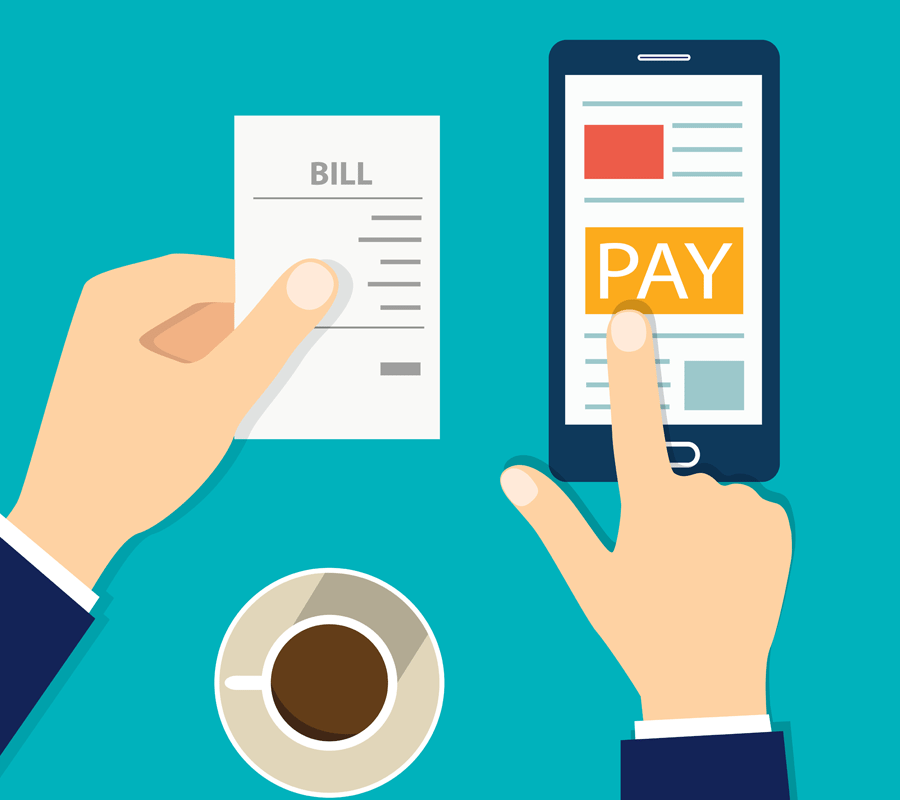
A bill payment service is a financial application or platform that allows users to pay their utility bills, credit cards, rent, mortgages, and other recurring or one-time obligations from a single interface. Historically, this process involved writing individual paper checks, addressing envelopes, and relying on the postal service. Today, bill payment services act as a digital intermediary, providing a centralized hub for all outgoing capital.
Types of Bill Payment Services
There are three primary models within the financial industry for bill payment, each offering different levels of control and integration:
-
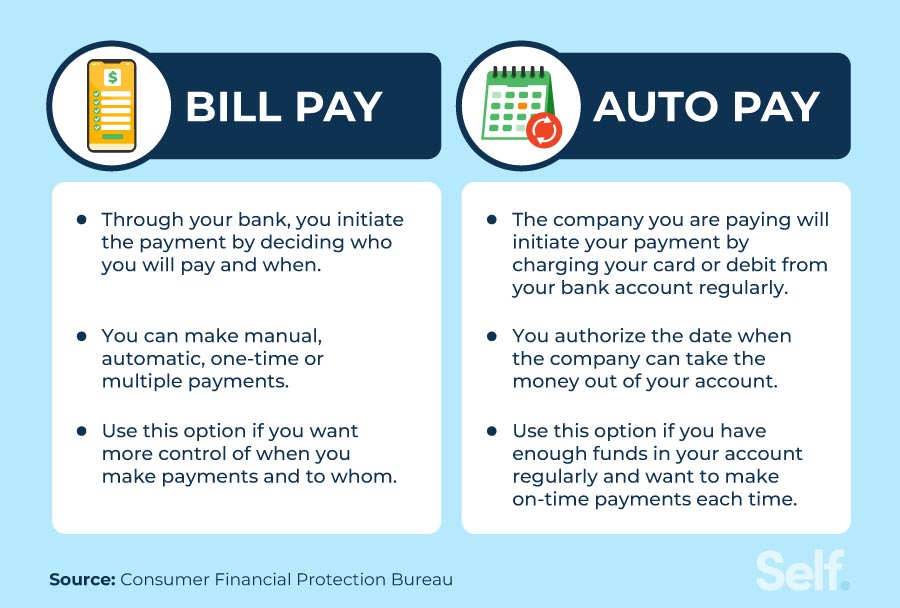
Bank-Based Bill Pay: Most retail and commercial banks offer an integrated bill pay feature within their online banking portals. This is often the most secure method, as it utilizes the bank’s existing infrastructure. The bank either sends an electronic transfer (ACH) or, if the payee is not set up for digital payments, mails a physical check on your behalf.
-
Biller-Direct Payments: This involves paying a company directly through their own website or app (e.g., paying your electric company on their specific portal). While this ensures immediate credit for the payment, it forces the user to manage multiple logins and decentralized records, which can lead to oversight and missed deadlines.
-
Third-Party Financial Tools: These are specialized fintech apps (such as Mint, Bill.com, or Quicken) that aggregate all your bills into one dashboard. These services often provide advanced analytics, budgeting integration, and forecasting tools that standard banking portals might lack.
The Technology Behind the Transaction
From a money management perspective, it is important to understand how the funds move. Most digital bill payments are processed through the Automated Clearing House (ACH) network in the United States or similar electronic funds transfer (EFT) systems globally. These systems are designed for high-volume, low-cost transfers, making them more efficient than wire transfers or credit card payments for recurring monthly obligations.
The Strategic Importance of Bill Payment Services in Personal Finance
In personal finance, bill payment services are not merely a convenience; they are a strategic asset. How you manage your outflows directly impacts your net worth, your access to credit, and your overall financial psychological well-being.
Protecting and Enhancing Your Credit Score
One of the most significant components of a FICO credit score is payment history, accounting for approximately 35% of the total calculation. A single late payment—even by a few days—can result in a significant drop in your score, which in turn increases the interest rates you pay on future loans, mortgages, and insurance premiums.
Bill payment services mitigate this risk through automation. By setting up “recurring payments,” you ensure that the minimum balance or the full statement balance is paid before the due date, regardless of your personal schedule. This consistency builds a “bulletproof” credit history that serves as a foundation for wealth building.
Optimization of Cash Flow and Liquidity
Effective bill payment services provide a bird’s-eye view of your financial commitments. By centralizing your bills, you can perform “cash flow laddering.” This involves scheduling payments to align with your income cycles (e.g., paychecks).
For example, if you receive your salary on the 1st and the 15th of the month, you can use your bill payment service to distribute your outflows accordingly, ensuring that you always maintain a liquidity buffer in your checking account. This prevents the “feast or famine” cycle that often leads to high-interest overdraft fees or the need to dip into emergency savings.
Financial Record Keeping and Tax Preparation
For individuals who itemize deductions or manage home offices, bill payment services act as a digital ledger. Instead of searching through stacks of paper or various email threads, you can export a year’s worth of payment data into a CSV or PDF format. This simplifies the process of identifying deductible expenses, such as property taxes, student loan interest, or business-related utility costs, ensuring that you maximize your tax efficiency.
Business Applications: Streamlining Accounts Payable and Corporate Identity
For businesses, bill payment services are a core component of “Accounts Payable” (AP). The efficiency of a company’s AP process can determine its reputation with vendors, its ability to negotiate discounts, and its overall operational agility.
Efficiency and Labor Cost Reduction
In a traditional business setting, manual bill payment is labor-intensive. It involves receiving an invoice, verifying it against a purchase order, obtaining executive approval, cutting a check, and reconciling the bank statement. Modern bill payment services automate this entire “procure-to-pay” pipeline. By reducing the man-hours required for these tasks, businesses can reallocate human capital toward growth-oriented activities rather than administrative maintenance.
Vendor Relationship Management
Timely payments are a powerful lever in business negotiations. Many suppliers offer “2/10 Net 30” terms, meaning the business can take a 2% discount if the bill is paid within ten days; otherwise, the full amount is due in 30 days. Bill payment services allow finance teams to program these logic-based payments, ensuring the company never misses an early-payment discount. Over a fiscal year, these small percentage gains can add up to thousands of dollars in improved margins.
Fraud Prevention and Security
Corporate fraud is a multi-billion dollar problem. Physical checks are susceptible to “check washing” and mail theft. Electronic bill payment services utilize high-level encryption, multi-factor authentication (MFA), and “Positive Pay” systems to ensure that funds reach the intended recipient. Furthermore, these platforms provide an “audit trail”—a clear, immutable record of who authorized a payment, when it was sent, and when it was received. This transparency is vital for both internal controls and external audits.
Key Features to Seek in a Financial Management Tool
When selecting a bill payment service, whether for personal or business use, one must look beyond the ability to send money. The value lies in the features that assist in holistic financial planning.
Integration Capabilities
A standalone bill pay tool is less effective than one that “talks” to your other financial software. For individuals, this means integration with budgeting apps like YNAB or Empower. For businesses, it means seamless syncing with accounting software like QuickBooks, Xero, or NetSuite. This integration ensures that your “books” are always updated in real-time, providing an accurate picture of your financial health.
Smart Alerts and Predictive Analytics
Insightful bill payment services do more than react; they predict. Look for services that offer:
-
Balance Warnings: Notifying you if a scheduled payment exceeds your current account balance.
-
Bill Discovery: Automatically scanning your linked accounts to find new recurring bills you might have forgotten.
-
Spend Analysis: Categorizing your payments (e.g., “Housing,” “Subscriptions,” “Utilities”) to show where your money is going.
Payment Flexibility
The best services offer various payment methods. While ACH is the standard, there are times when you may want to use a credit card to earn rewards points (provided the convenience fee doesn’t outweigh the rewards) or a fast-track “Real-Time Payment” (RTP) for urgent deadlines. Having multiple “rails” for your money to travel on gives you greater control over your capital.
The Future of Bill Payments: Real-Time Transfers and Open Banking
The landscape of bill payment is currently undergoing a massive shift driven by “Open Banking” and “Real-Time Payments” (RTP). In the past, the “float”—the time it takes for money to leave your account and arrive at the destination—was a factor that financial managers had to account for.
With the rise of the FedNow service in the United States and similar instant-payment schemes globally, the goal is moving toward instantaneous settlement. This will allow for even more precise cash management, as payments can be made exactly on the due date without the need for a “buffer” period.
Furthermore, AI-driven financial assistants are beginning to emerge within bill payment services. These tools can analyze your spending patterns and suggest the optimal day to pay a bill to maximize your interest earnings in a high-yield savings account. They can also identify when a subscription service has increased its price, prompting you to renegotiate or cancel, thus acting as a digital guardian of your wealth.
Conclusion: Building a Robust Financial Infrastructure
At its core, a bill payment service is a fundamental tool for anyone serious about their financial future. It is the bridge between earning money and growing it. By automating the mundane, protecting your credit reputation, and providing a clear view of your financial obligations, these services allow you to move from a defensive financial posture—constantly worried about deadlines and fees—to an offensive one, where every dollar is deployed with intention and strategy. Whether you are managing a household budget or a corporate treasury, the right bill payment service is not just an app; it is a critical component of your financial success.
aViewFromTheCave is a participant in the Amazon Services LLC Associates Program, an affiliate advertising program designed to provide a means for sites to earn advertising fees by advertising and linking to Amazon.com. Amazon, the Amazon logo, AmazonSupply, and the AmazonSupply logo are trademarks of Amazon.com, Inc. or its affiliates. As an Amazon Associate we earn affiliate commissions from qualifying purchases.