
In the intricate world of international trade and corporate finance, the efficiency of cash flow is the lifeblood of business operations. While modern digital banking and instant wire transfers have revolutionized how we pay for goods and services, certain traditional financial instruments remain indispensable due to their ability to provide security, credit, and legal certainty. Among these, the Bill of Exchange stands out as a foundational tool. Understanding this instrument is essential for any business owner, financial manager, or entrepreneur engaged in commercial transactions across borders.
Defining the Bill of Exchange
At its core, a bill of exchange is a written, unconditional order used primarily in international trade that binds one party to pay a fixed sum of money to another party on demand or at a predetermined future date. It functions as a formal, legally enforceable promise to pay, effectively bridging the gap between the shipment of goods and the receipt of payment.

The Parties Involved
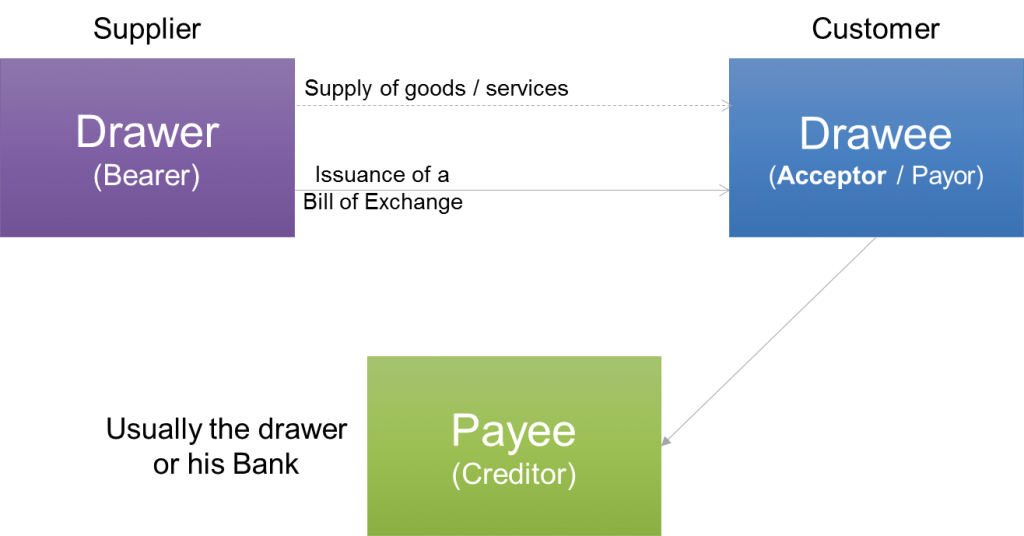
A bill of exchange typically involves three distinct parties:
- The Drawer: This is the creditor or the seller of the goods. The drawer initiates the bill by signing it and directing the drawee to make the payment.
- The Drawee: This is the debtor or the buyer of the goods. The drawee is the party upon whom the bill is drawn and who is legally obligated to fulfill the payment terms stated on the document.
- The Payee: This is the party to whom the money is owed. In many transactions, the drawer and the payee are the same person; however, the drawer may also designate a third party—such as a bank or a financier—to receive the payment.
Legal and Financial Characteristics
For a document to qualify as a valid bill of exchange, it must adhere to specific legal criteria. It must be in writing, signed by the drawer, and contain an unconditional order to pay a specific amount of money. Unlike a simple invoice, which acts as a request for payment, a bill of exchange is a negotiable instrument. This means it can be transferred from one party to another, effectively acting as a form of liquid currency within the business ecosystem.
How the Mechanism Works in Practice
The process of utilizing a bill of exchange provides a structured framework for trade, mitigating the inherent risks faced by both buyers and sellers. When a seller ships goods to an international buyer, the uncertainty regarding payment timing and creditworthiness can be a significant hurdle.
The Issuance and Acceptance Process
The process begins when the seller (drawer) draws a bill of exchange and sends it, along with the shipping documents, to the buyer (drawee). The buyer then “accepts” the bill by signing it. Once signed, the document becomes a “trade bill” or an “accepted bill.” At this juncture, the bill carries the full weight of legal obligation. If the bill is a “sight bill,” payment is due immediately upon presentation. If it is a “usance bill,” the payment is deferred to a specified future date, such as 30, 60, or 90 days.
Discounting: Converting Bills into Cash
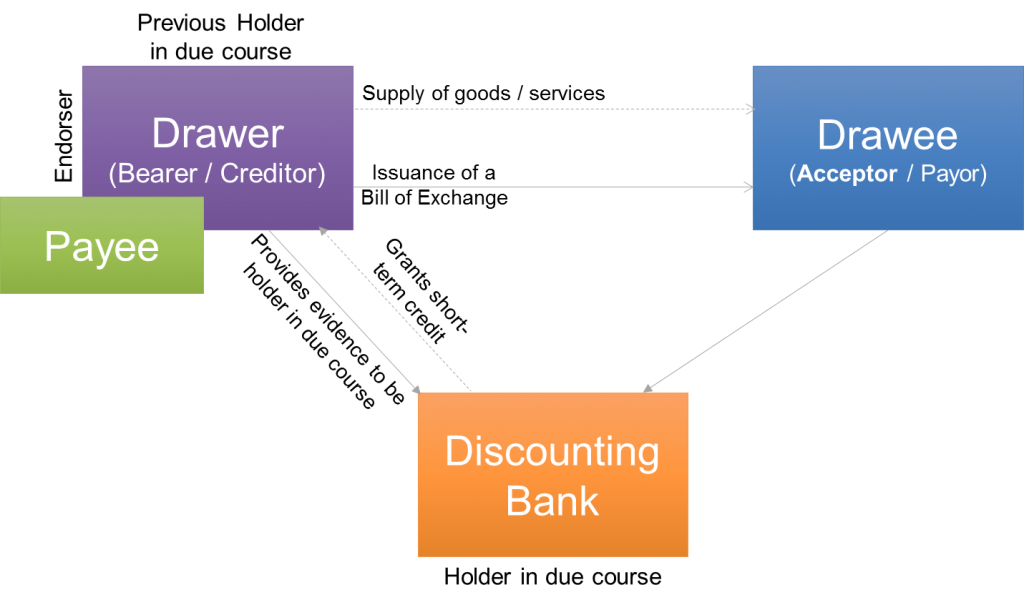
One of the most significant advantages of a bill of exchange for the seller is the ability to obtain liquidity before the maturity date. This process is known as “discounting.” A seller can approach their bank and sell the bill of exchange at a slight discount—essentially paying a small fee in exchange for immediate cash. The bank then holds the bill until the maturity date and collects the full amount from the buyer. This mechanism ensures that the seller does not have their capital tied up in accounts receivable for extended periods, thereby improving their operational cash flow.
The Strategic Importance of Bills of Exchange
The use of bills of exchange is not merely a bureaucratic formality; it serves critical strategic functions in the modern financial landscape. By formalizing payment obligations, companies can create a more predictable and secure trading environment.
Managing Credit Risk and Security
In international trade, buyers and sellers are often separated by thousands of miles, different legal systems, and varied cultural norms regarding business conduct. A bill of exchange provides a layer of security by documenting the debt in a format that is universally recognized. If the drawee fails to honor the payment, the drawer possesses a formal, legally recognized document that can be used in litigation or for debt collection, providing a higher level of protection than a standard open account agreement.
Enhancing Working Capital
For businesses that operate on tight margins or rely heavily on inventory turnover, the ability to leverage bills of exchange is a vital cash management strategy. By using usance bills, a buyer can effectively negotiate a period of credit, allowing them to sell the goods or incorporate them into production before the cash actually leaves their account. Simultaneously, the seller’s ability to discount these bills ensures they remain solvent and capable of reinvesting into new production cycles immediately.
Negotiability and Endorsement
Because a bill of exchange is a negotiable instrument, it can be endorsed and passed on to other parties. For example, if a seller owes money to a supplier, they may endorse a bill of exchange they have received from a buyer and sign it over to their supplier as payment. This circulation of financial instruments creates an efficient secondary market for debt, where the creditworthiness of the original drawee determines the value of the bill as it moves through the supply chain.
Bills of Exchange vs. Other Financial Instruments
While a bill of exchange is a powerful tool, it is frequently confused with other financial instruments. Understanding the distinctions is key to choosing the right tool for specific business needs.
Compared to Promissory Notes
A promissory note is a promise made by the buyer to pay the seller, whereas a bill of exchange is an order made by the seller to the buyer to pay the money. While both are negotiable instruments, the key difference lies in the origin of the directive. A promissory note is created by the debtor, while a bill of exchange is created by the creditor.
Compared to Letters of Credit
A Letter of Credit (LC) is a bank-issued guarantee that a buyer’s payment to a seller will be received on time and for the correct amount. While a bill of exchange is a direct instrument between two trading parties, an LC involves banks as intermediaries to guarantee the transaction. In high-stakes international trade, bills of exchange are often used within the framework of a Letter of Credit, combining the flexibility of the bill with the security of bank verification.
Conclusion: A Timeless Tool for Modern Commerce
The bill of exchange remains a pillar of business finance because it balances flexibility with legal certainty. In an era where digital disruption dominates the narrative, this traditional instrument continues to provide the structural support necessary for complex, cross-border commercial relationships.
For businesses looking to optimize their trade finance strategies, mastering the use of bills of exchange offers a pathway to better cash management, reduced credit risk, and expanded liquidity. By transforming a simple invoice into a negotiable, enforceable financial asset, companies can navigate the complexities of global supply chains with greater confidence and agility. As market volatility continues to be a factor in international trade, the stability provided by these time-tested instruments will undoubtedly remain a permanent feature of the global financial architecture.
aViewFromTheCave is a participant in the Amazon Services LLC Associates Program, an affiliate advertising program designed to provide a means for sites to earn advertising fees by advertising and linking to Amazon.com. Amazon, the Amazon logo, AmazonSupply, and the AmazonSupply logo are trademarks of Amazon.com, Inc. or its affiliates. As an Amazon Associate we earn affiliate commissions from qualifying purchases.