
In the landscape of modern retail and personal care, terminology is rarely accidental. When we ask, “What is the bikini area?” we are not merely asking for a biological definition; we are examining a masterclass in market segmentation and brand positioning. From a brand strategy perspective, the “bikini area” represents one of the most successful examples of a created category in the history of consumer goods. It is a demographic and anatomical boundary that has allowed companies to build multi-billion dollar identities around specialized products, services, and lifestyle aspirations.
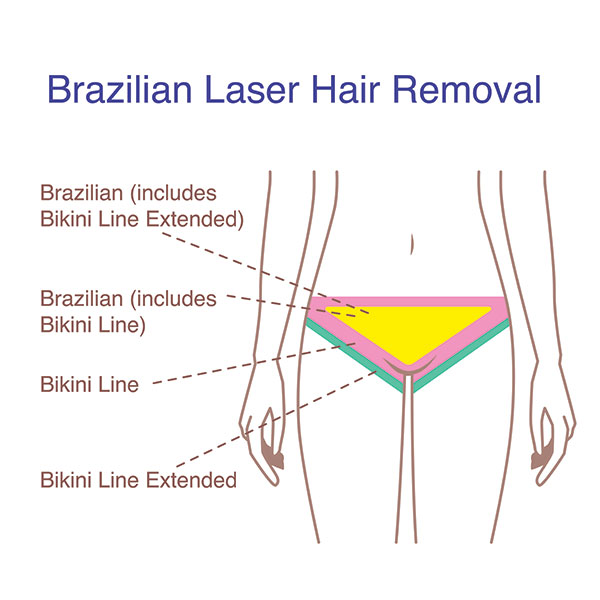
To understand the bikini area through the lens of brand strategy is to understand how corporate identity shapes consumer behavior. This article explores how brands have defined this space, the psychological triggers used in its marketing, and the strategic evolution from “problem-solving” to “lifestyle empowerment.”
The Semantics of Style: How Branding Defined the Bikini Area
The term “bikini area” is a marketing euphemism that evolved alongside the fashion industry. Before the mid-20th century, the grooming habits associated with this region were largely private or non-existent in the public discourse. However, with the introduction of the bikini swimsuit by Louis Réard in 1946, a new commercial frontier was born.
From Subculture to Mainstream
Brands realized early on that they could not sell a product—in this case, skimpy swimwear—without also selling the “maintenance” required to wear it. The “bikini area” was branded as a specific zone of concern. Strategic naming was essential. By tethering the anatomical region to a popular fashion item, brands transformed a sensitive topic into a lifestyle requirement. This is a classic brand strategy: creating a “need” by identifying a “gap” in the consumer’s current state. If you want the lifestyle (the beach, the sun, the fashion), you must address the category (the grooming).
The Psychology of Labeling
In branding, labels dictate the emotional response of the consumer. By using the term “bikini area” instead of clinical or anatomical terms, brands created a sense of “approachable intimacy.” This allowed personal care brands like Gillette or Veet to enter the household without crossing the line into the overly medical. The strategy was to keep the branding focused on the result (the vacation, the confidence) rather than the process (the hair removal). This linguistic branding paved the way for the “Bikini Ready” campaigns that dominated the 1990s and early 2000s.
Market Segmentation and the Personal Care Identity
The commercialization of the bikini area has led to sophisticated market segmentation. Brands no longer treat this “area” as a monolith; instead, they use it to differentiate their corporate identity and target specific socioeconomic brackets.
The Luxury vs. Budget Experience
Brand strategy in the intimate care space is often a study in price elasticity. On one end, we have mass-market brands that focus on utility and speed. Their branding is functional, utilizing bright colors and “active” language. On the other end, luxury brands have redefined the bikini area as a “skincare” zone.
Brands like Fur or Aesop have moved away from the “removal” narrative and toward the “ritual” narrative. By positioning products—such as oils and serums specifically for the bikini line—as luxury skincare, these brands have successfully increased the perceived value of the category. They aren’t selling a razor; they are selling a premium self-care experience. This shift illustrates how brand positioning can move a product from a “chore” category to a “luxury” category.
Gender-Neutral Branding and the New Frontier
Historically, the “bikini area” was a gendered marketing term. However, modern brand strategy has seen a significant shift toward gender neutrality. Companies like Harry’s or Flamingo have disrupted the market by focusing on ergonomic design and universal skin health rather than traditional gender tropes. This strategic pivot acknowledges a broader consumer base and aligns with contemporary values of inclusivity. By de-gendering the bikini area, these brands have expanded their market reach and built a corporate identity rooted in modern social consciousness.
Visual Identity and Marketing Ethics in Intimate Branding
As digital landscapes change, so does the visual language used to market products for the bikini area. This is where brand strategy meets social responsibility and platform regulation.

The Shift Toward Body Positivity
For decades, the “bikini area” was represented in advertising by airbrushed, porcelain-smooth skin. This was a “perfection-based” brand strategy. However, the rise of Direct-to-Consumer (DTC) brands like Billie changed the game. Billie was one of the first major brands to show actual body hair in their advertisements.
This was a calculated strategic move to build a “rebel” brand identity that resonated with Gen Z and Millennial consumers tired of unrealistic standards. By embracing “realness,” these brands built immense brand equity and loyalty. They shifted the narrative from “fixing a flaw” to “choosing a preference.” This move towards authenticity has forced legacy brands to overhaul their visual identities to remain relevant.
Digital Marketing and Censorship Challenges
Brands operating in the intimate care space face unique challenges in digital marketing. Social media algorithms are often sensitive to “intimate” content, which forces brand strategists to be creative. Instead of explicit imagery, brands use metaphorical visual identities—peaches, cacti, or abstract art—to communicate their message. This necessity has birthed a unique aesthetic in the industry, characterized by pastel palettes and clever copywriting. This “coded” branding has become a signature of the modern intimate care industry, allowing brands to bypass censorship while still effectively communicating their product’s purpose.
The Revenue of Routine: Building Brand Loyalty through Subscription Models
The ultimate goal of any brand strategy is to turn a one-time purchase into a lifelong habit. The “bikini area” is the perfect catalyst for subscription-based business models.
Direct-to-Consumer Disruption
The grooming industry was revolutionized by the subscription model (e.g., Dollar Shave Club). By framing the maintenance of the bikini area as a recurring “need,” brands have been able to secure predictable revenue streams. The strategy here is “frictionless commerce.” If the product arrives at your door just as you need it, you are unlikely to switch to a competitor. This model relies heavily on brand trust; consumers must believe that the brand understands their personal schedule and needs.
Community-Led Branding and Education
Successful brands in this space often function as educators. By providing content on “how to prevent ingrown hairs” or “the science of skin sensitivity,” brands position themselves as authoritative voices. This content-led brand strategy builds a community around the brand. When a consumer looks to a brand for advice on a sensitive topic like intimate care, a deep level of trust is established. This trust is the most valuable asset a brand can possess, as it transforms the relationship from transactional to relational.
The Future: Tech-Enabled Personalization in Intimate Care
As we look forward, the branding of the bikini area is becoming increasingly tech-centric. We are seeing the rise of AI-driven skin analysis and personalized product formulations.
Data-Driven Corporate Identity
Future market leaders will be those who use data to offer hyper-personalized solutions. Imagine a brand that uses an app to track your skin’s reaction to different weather patterns or hormonal cycles, then adjusts your “bikini area” care kit accordingly. The brand strategy here moves from “one size fits all” to “one size fits you.” This level of personalization creates high switching costs for the consumer, further solidifying brand loyalty.
Sustainability as a Brand Pillar
Finally, the strategic focus on sustainability is non-negotiable for future growth. Brands that define the bikini area through eco-friendly products—such as plastic-free razors or biodegradable wax strips—are winning over the “conscious consumer.” In this context, the “bikini area” isn’t just about personal aesthetics; it’s about global impact. Brands that can successfully marry intimate care with environmental stewardship will define the next decade of the industry.

Conclusion
In conclusion, “what is the bikini area?” is a question with a multi-layered answer. In the world of business and brand strategy, it is a meticulously crafted market segment that serves as a canvas for corporate identity, consumer psychology, and social evolution. From the early days of fashion-linked marketing to the modern era of inclusive, data-driven, and sustainable branding, the bikini area remains one of the most dynamic and profitable frontiers in the personal care industry.
By understanding the strategic maneuvers of the brands that dominate this space, we gain insight into the broader mechanics of how products are woven into the fabric of our daily lives and our self-perceptions. The bikini area is not just a region of the body; it is a testament to the power of branding to define, disrupt, and dominate a global marketplace.
aViewFromTheCave is a participant in the Amazon Services LLC Associates Program, an affiliate advertising program designed to provide a means for sites to earn advertising fees by advertising and linking to Amazon.com. Amazon, the Amazon logo, AmazonSupply, and the AmazonSupply logo are trademarks of Amazon.com, Inc. or its affiliates. As an Amazon Associate we earn affiliate commissions from qualifying purchases.