
In the digital age, where information flows at an unprecedented velocity, the ability to trace the lineage of knowledge has become a critical technical skill. A bibliographic reference is far more than a simple list of books or websites at the end of a paper; it is a structured metadata protocol. In the realm of academic technology, information management systems, and digital research, references function as the foundational architecture for data integrity, credibility, and discoverability.
The Architecture of Citation Systems
At its core, a bibliographic reference is a standardized set of data points—metadata—that uniquely identifies an information source. Much like a unique identifier in a database or a primary key in a software schema, a well-formatted reference allows a reader (or a machine algorithm) to locate the exact iteration of a source used in a study.
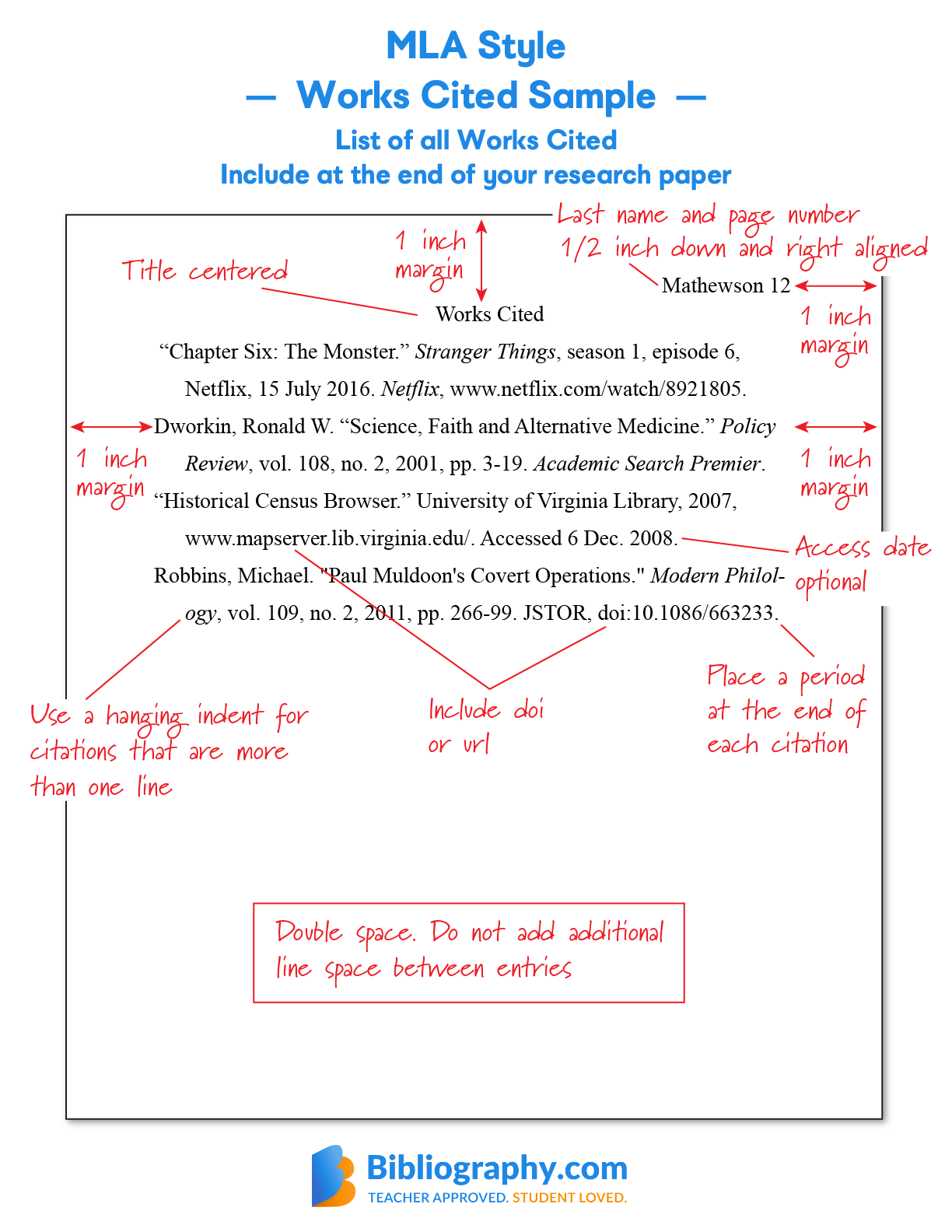
Components of a Bibliographic Entry
To maintain consistency across digital repositories, references follow specific schemas, such as APA, MLA, or Chicago style. These schemas are essentially data-mapping protocols. A standard reference entry typically captures:
- Author/Creator Metadata: The individual or entity responsible for the intellectual output.
- Temporal Data: The date of publication or access, crucial for version control in rapidly evolving fields.
- Title/Identifier: The primary label, often accompanied by a DOI (Digital Object Identifier) for persistent web-based tracking.
- Container Information: The journal, website, or platform where the data is hosted.
- Retrieval Path: The URL or permalink that points to the specific digital resource.
Machine-Readable References and Semantic Web
In modern computing, bibliographic references have evolved into machine-readable entities. Through the use of XML and JSON formats, researchers utilize tools like BibTeX or RIS to manage vast libraries of references. These formats allow for the seamless integration of citations into software, enabling automated bibliography generation and cross-referencing within digital ecosystems. By transforming a reference into a structured digital object, we enable the semantic web to crawl and index information, linking disparate data points into a cohesive knowledge graph.
The Technical Necessity of Persistent Identifiers
The internet is notoriously volatile. Links break, websites migrate, and servers go offline, leading to the phenomenon known as “link rot.” To combat this, the modern technical landscape relies on persistent identifiers to maintain the integrity of a bibliographic reference.
DOI: The Standard for Academic Integrity
The Digital Object Identifier (DOI) is the gold standard in reference technology. Unlike a standard URL, which points to a transient location on a server, a DOI serves as a permanent handle for a digital object. Even if the website hosting an article moves or undergoes a redesign, the DOI metadata remains updated to point to the new location. By incorporating DOIs into bibliographic lists, authors ensure that their references remain “future-proofed” against the decay of web links.
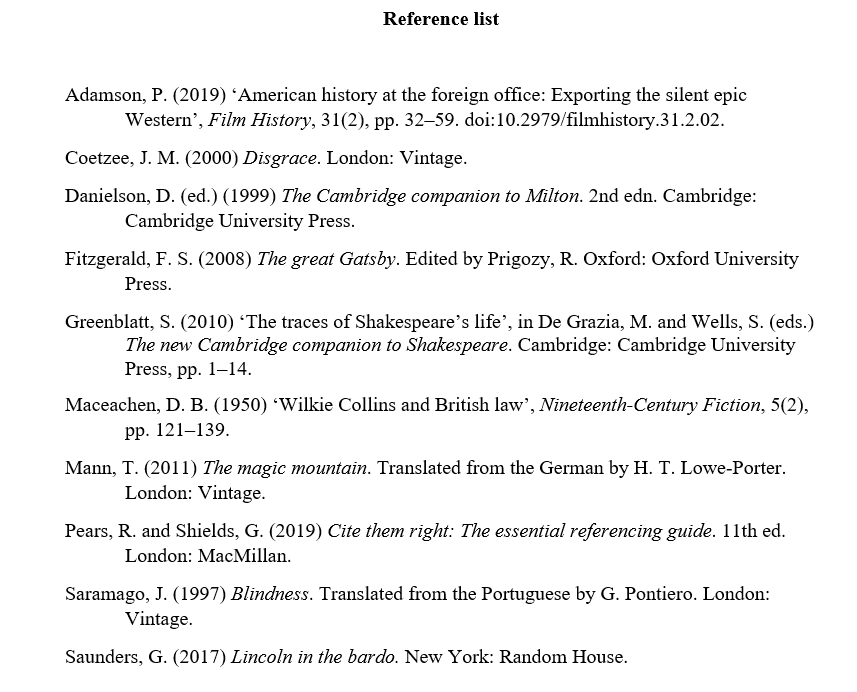
Version Control and Digital Archiving
Just as software developers use Git to manage versions of source code, researchers use bibliographic references to track the “version” of the information they consume. In fields involving technical specifications or regulatory compliance, knowing exactly which version of a document was cited is paramount. Bibliographic systems facilitate this by mandating specific metadata fields—such as issue numbers, access dates, and edition numbers—which provide a clear audit trail for the information being cited.
Automation Tools and Bibliographic Management Systems
Managing a collection of bibliographic references manually is inefficient and prone to syntax errors. Consequently, the tech industry has developed a suite of Reference Management Software (RMS) designed to streamline the research pipeline.
Integration with Research Workflows
Modern RMS platforms, such as Zotero, Mendeley, and EndNote, act as specialized database management tools for researchers. These applications offer several technical advantages:
- Browser Extensions: Many RMS tools feature browser-based scrapers that automatically pull metadata (title, author, publication date) from a webpage and populate a local database, reducing human error.
- API Connectivity: These tools connect to international databases like CrossRef or PubMed to retrieve verified metadata, ensuring that references are formatted according to the latest standards without manual input.
- Cloud Synchronization: With data stored in the cloud, these systems allow for collaborative research across distributed teams, maintaining a shared bibliography that ensures data consistency across multiple versions of a project.
The Role of Artificial Intelligence in Citation
The integration of AI into citation workflows represents the next frontier of bibliographic management. Large Language Models (LLMs) and specialized algorithms are now capable of parsing natural language text and identifying cited works, then automatically formatting them into the required style. These tools function as intelligent parsers, capable of extracting structured information from unstructured data—a key challenge in computational linguistics. By automating the formatting process, these systems reduce the “cognitive load” on the researcher, allowing them to focus on the synthesis of information rather than the mechanics of syntax.
Bibliographic References as Data Nodes
In a broader sense, a bibliographic reference functions as a “link” in the massive, interconnected network of human knowledge. In computer science terminology, if the internet is a directed graph, then documents are the nodes, and citations are the edges connecting them.
Impact Factor and Algorithmic Valuation
Search engines and academic databases use the frequency and authority of citations to determine the “weight” of a specific document. This is structurally similar to Google’s PageRank algorithm. If a document is cited by a multitude of high-authority sources, its bibliographic footprint suggests it is a reliable and highly relevant node within the network. Understanding how to construct a proper reference is not just about academic rigor; it is about ensuring that one’s own contributions are discoverable, trackable, and capable of accumulating “link equity” within the research ecosystem.

Security and Transparency in the Information Age
Finally, the act of referencing is an essential component of digital ethics and data security. By providing clear bibliographic references, the author establishes a transparent path back to the primary source. This discourages the spread of misinformation—a significant challenge in the current digital climate. In technical writing, citing code repositories, white papers, and technical documentation provides a verification layer. It allows third-party auditors to validate the data, methodology, and underlying assumptions of a digital project.
Ultimately, the bibliographic reference is the structural connective tissue of the information age. Whether it is being used to index academic research, track technical specifications, or support the credibility of a digital publication, the reference serves as a vital tool for organizing, securing, and validating the vast, complex data landscape we navigate daily. Mastering the technology of reference management is, therefore, a core competency for anyone operating within the modern information economy.
aViewFromTheCave is a participant in the Amazon Services LLC Associates Program, an affiliate advertising program designed to provide a means for sites to earn advertising fees by advertising and linking to Amazon.com. Amazon, the Amazon logo, AmazonSupply, and the AmazonSupply logo are trademarks of Amazon.com, Inc. or its affiliates. As an Amazon Associate we earn affiliate commissions from qualifying purchases.