
The term “biased media” has become a ubiquitous phrase in contemporary discourse, often wielded as an accusation or a defense. But what does it truly mean for media to be biased? This isn’t a simple question with a straightforward answer. Bias, in its essence, refers to a predisposition or prejudice towards a particular perspective, often leading to unfair or unbalanced representation. When applied to media, it suggests a departure from objective reporting, where the presentation of information is influenced by an agenda, whether conscious or unconscious. Understanding media bias is crucial for discerning consumers of information, especially in our increasingly digital age where the sheer volume of content can overwhelm our critical faculties. This article will delve into the multifaceted nature of media bias, exploring its various forms, its impact, and how we, as individuals, can navigate this complex landscape to achieve a more balanced understanding of the world around us.
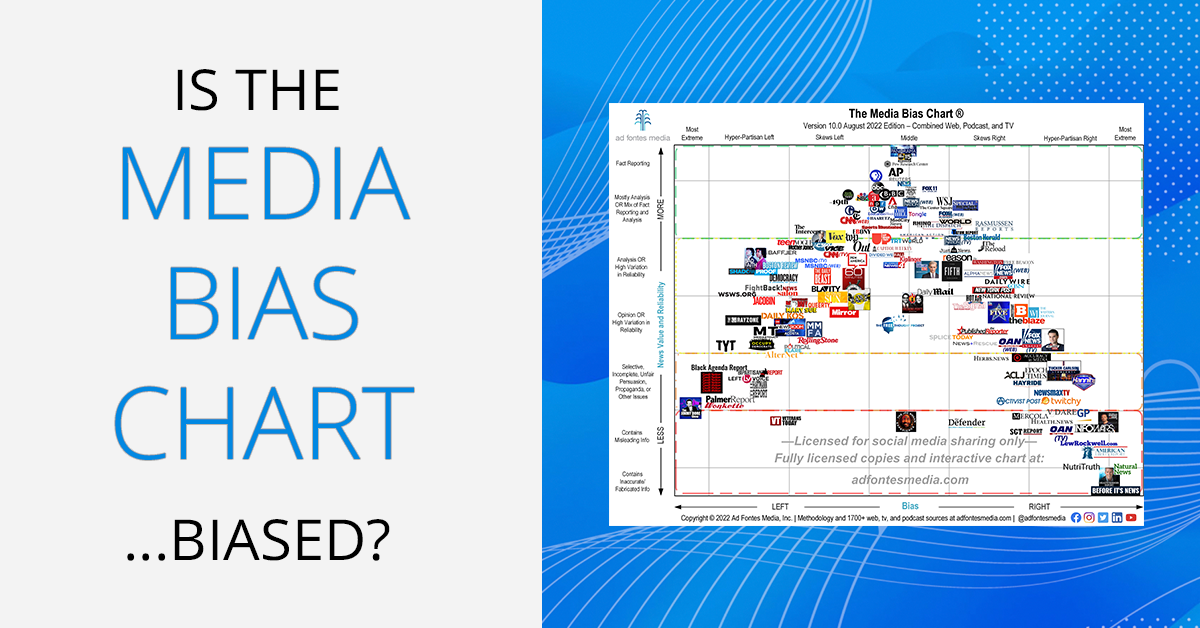
The Spectrum of Media Bias: Beyond Simple Accusations
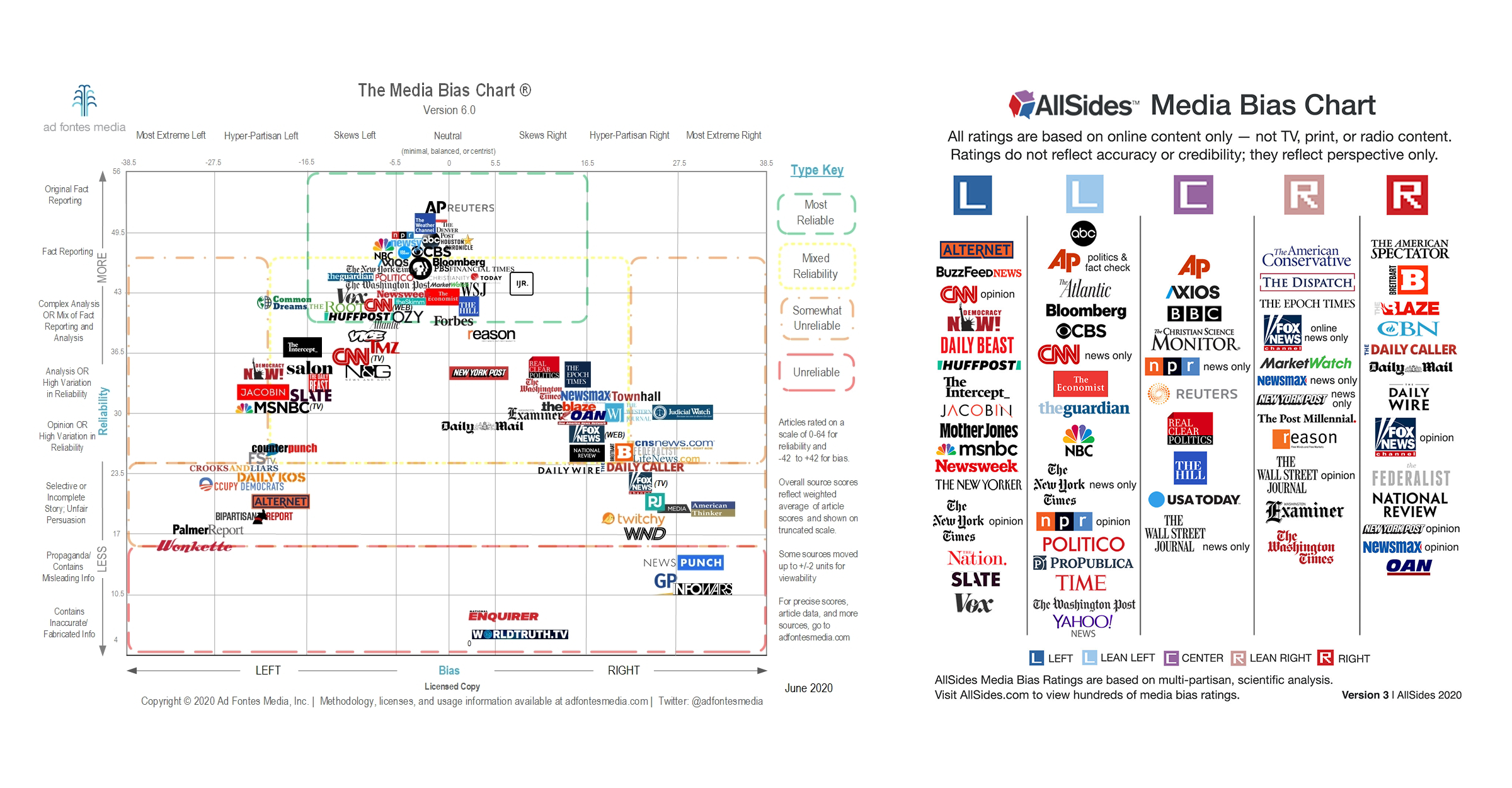
It’s a common misconception to view media bias as a binary state – either a news source is completely objective or entirely biased. In reality, media bias exists on a spectrum, encompassing a wide range of influences and manifestations. Recognizing this spectrum is the first step in developing a more nuanced understanding of how information is presented and consumed.
Uncovering the Roots of Bias: Ownership, Funding, and Ideology
The genesis of media bias can often be traced back to foundational elements of media organizations themselves. The entities that own, fund, and operate media outlets inevitably shape the content they produce.
The Influence of Corporate Ownership and Advertising
In many capitalist societies, media outlets are commercial enterprises. Their primary goal, beyond informing the public, is often profit. This financial imperative can introduce bias in subtle and overt ways. For instance, owners might have political or economic interests that they wish to promote or protect, influencing editorial decisions. Similarly, the reliance on advertising revenue can lead to a reluctance to report negatively on advertisers or their industries, potentially skewing coverage. The pursuit of clicks and engagement in the digital age further exacerbates this, incentivizing sensationalism and emotionally charged narratives over in-depth, nuanced reporting, which can inadvertently amplify certain viewpoints.
Ideological Agendas and Partisan Leanings
Beyond financial motivations, many media outlets are founded on or develop strong ideological leanings. These can range from liberal to conservative, libertarian to socialist, and myriad other political and social philosophies. While a stated ideological stance isn’t inherently problematic – and can even offer a valuable alternative perspective – it becomes a source of bias when it dictates the selection of stories, the framing of issues, and the omission of counterarguments. Partisan media, in particular, often prioritizes reinforcing the beliefs of its target audience over presenting a balanced account of events. This can lead to a distorted perception of reality, where opposing viewpoints are demonized or dismissed outright.
The Unseen Hand of Government and State Influence
In certain contexts, media bias can be directly or indirectly influenced by government entities. This can manifest as overt censorship or propaganda in authoritarian regimes, or more subtly through access to information, press briefings, and official narratives in democratic societies. Governments, like any powerful institution, have an interest in shaping public perception, and they can leverage their influence over media to achieve this. Journalists often rely on official sources for information, and without critical examination and the pursuit of alternative perspectives, this reliance can lead to the uncritical dissemination of government-approved narratives.
Manifestations of Bias: How it Appears in the News
Understanding the underlying causes of bias is important, but it’s equally crucial to identify how these influences manifest in the actual content we consume. Bias isn’t always about outright fabrication; it can be far more insidious, woven into the very fabric of reporting.
Selection Bias and Story Placement
One of the most prevalent forms of bias is selection bias. This refers to the deliberate or unconscious choice of which stories to cover and which to ignore. A news outlet might consistently highlight stories that support a particular agenda while downplaying or omitting those that challenge it. Furthermore, the placement of a story – whether it’s front-page news or buried deep within the publication – signals its perceived importance and can influence reader engagement. Stories that reinforce prevailing narratives often receive prominent placement, while dissenting voices or inconvenient truths may be relegated to less visible positions.
Framing and Tone: The Power of Language and Imagery
The way a story is framed and the tone used in its telling can profoundly influence how audiences perceive it. Framing involves presenting information in a way that encourages a particular interpretation. For example, a protest can be framed as a “disruptive riot” or a “peaceful demonstration,” each eliciting a vastly different emotional response. Similarly, the choice of words, adjectives, and verbs can subtly inject bias. The use of loaded language, emotionally charged terms, or even the subtle omission of qualifying adjectives can sway public opinion without resorting to outright falsehoods. Imagery, too, plays a significant role; a carefully selected photograph or video clip can evoke strong emotions and reinforce a particular narrative.
Omission and Lack of Context
Bias can also arise from what is not reported. The omission of key facts, dissenting opinions, or relevant historical context can create a lopsided picture of events. This is particularly dangerous when it leads to a misrepresentation of the complexities of an issue. A story might present one side of an argument without acknowledging the existence or validity of counterarguments, leaving the audience with an incomplete and potentially misleading understanding. The lack of context can transform a nuanced situation into a simplistic good-versus-evil narrative, stripping away the layers of complexity that are essential for informed decision-making.
The Impact of Media Bias on Society and the Individual
The presence and pervasiveness of media bias have tangible and far-reaching consequences for both individuals and society as a whole. It shapes our understanding of the world, influences our beliefs and attitudes, and can even impact our collective decision-making.
Shaping Public Opinion and Political Discourse
Perhaps the most significant impact of media bias is its role in shaping public opinion and influencing political discourse. When audiences consistently consume information from sources with a particular bias, their understanding of political issues, social trends, and even scientific consensus can become distorted. This can lead to increased polarization, where individuals become entrenched in their own echo chambers, unwilling or unable to engage with opposing viewpoints. The resulting lack of common ground makes constructive dialogue and compromise increasingly difficult, hindering progress on critical societal challenges.
Erosion of Trust and the Rise of Misinformation
The proliferation of biased media, particularly in the digital age, has contributed to an erosion of trust in traditional news institutions. When audiences feel that media outlets are not presenting information fairly, they are more likely to question the credibility of all news sources, including those that strive for objectivity. This skepticism, while sometimes warranted, can also make individuals more susceptible to misinformation and disinformation. In an environment where trust is low, unsubstantiated claims and outright falsehoods can gain traction more easily, further complicating the task of discerning truth from fiction.
Psychological and Behavioral Effects
On an individual level, constant exposure to biased media can have psychological and behavioral effects. It can foster anxiety, anger, and a sense of helplessness, particularly when the biased reporting consistently focuses on negative or sensationalized events. This can lead to what is sometimes referred to as “news fatigue” or a disengagement from current events altogether. Furthermore, biased information can reinforce pre-existing prejudices and stereotypes, contributing to discrimination and social division. It can also lead to what psychologists call “confirmation bias,” where individuals actively seek out and interpret information that confirms their existing beliefs, further solidifying their biased perspectives.
Navigating the Biased Media Landscape: Strategies for Critical Consumption
Given the pervasive nature of media bias, developing critical media literacy skills is no longer a luxury but a necessity. Learning to identify, analyze, and mitigate the effects of bias allows us to become more informed and engaged citizens.
Diversifying Your Media Diet
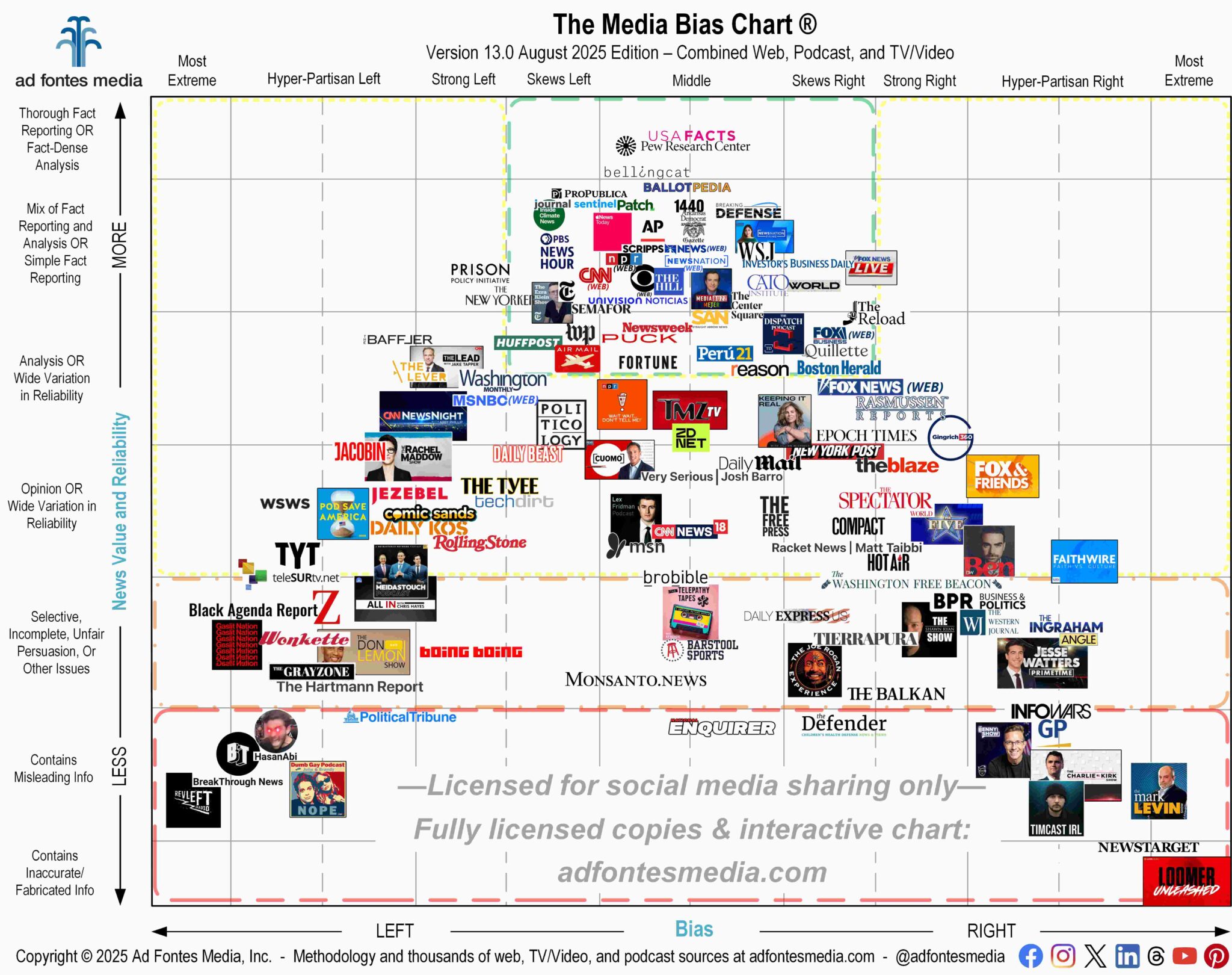
One of the most effective strategies for combating media bias is to consciously diversify your media diet. This involves actively seeking out news and information from a variety of sources, including those with different political leanings, cultural perspectives, and reporting styles. By exposing yourself to a range of viewpoints, you can gain a more comprehensive understanding of an issue and identify patterns of bias in individual outlets. Don’t rely on a single source for your news; explore different newspapers, television channels, websites, and even podcasts to get a well-rounded picture.
Fact-Checking and Source Verification
In the age of rapid information dissemination, fact-checking is paramount. Before accepting information as truth, especially if it seems sensational or aligns perfectly with your pre-existing beliefs, take the time to verify its accuracy. Utilize reputable fact-checking websites, cross-reference information with multiple credible sources, and be wary of information shared on social media without proper attribution or evidence. Understanding the source of information – who produced it, why, and for whom – is crucial in assessing its potential bias.
Recognizing Cognitive Biases and Emotional Triggers
Our own cognitive biases can make us more susceptible to accepting biased information. Confirmation bias, for example, leads us to favor information that confirms our existing beliefs. Awareness of these biases is the first step in mitigating their influence. Furthermore, be mindful of how media appeals to your emotions. Stories designed to evoke strong emotional responses – anger, fear, outrage – can sometimes be a signal of biased or manipulative reporting. Learning to detach emotionally and engage analytically with the content can help you make more objective judgments.
Engaging with Media Critically
Ultimately, consuming media critically involves an ongoing process of questioning, analyzing, and reflecting. Ask yourself: Who is telling this story? What are their potential motivations? What information might be missing? Is the language used neutral or loaded? By actively engaging with the media rather than passively accepting its output, you can cultivate a more informed and discerning perspective, empowering yourself to navigate the complexities of the modern information landscape with confidence and clarity.
aViewFromTheCave is a participant in the Amazon Services LLC Associates Program, an affiliate advertising program designed to provide a means for sites to earn advertising fees by advertising and linking to Amazon.com. Amazon, the Amazon logo, AmazonSupply, and the AmazonSupply logo are trademarks of Amazon.com, Inc. or its affiliates. As an Amazon Associate we earn affiliate commissions from qualifying purchases.