
In the world of linguistics, “Betty” is most commonly recognized as a diminutive of Elizabeth. Historically, it has served as a warm, approachable shorthand for a name that carries significant weight, tradition, and formality. However, in the realm of brand strategy and corporate identity, the question “What is Betty short for?” takes on a much deeper, more strategic meaning. In branding, Betty is short for reliability, domestic expertise, and a meticulously crafted persona designed to bridge the gap between a massive corporation and the individual consumer.
Understanding the transition of a name from a simple nickname to a multi-billion-dollar brand asset requires an exploration of naming psychology, the history of corporate personification, and the strategic deployment of trust in marketing.

The Anatomy of a Brand Name: More Than Just a Diminutive
Naming is perhaps the most critical component of a brand’s identity. It is the first point of contact between a company and its audience, setting the tone for every interaction that follows. When a brand chooses a name like “Betty,” they are leveraging centuries of social coding associated with the name Elizabeth and its various iterations.
Elizabeth and the Evolution of Trust
The name Elizabeth is derived from the Hebrew Elisheba, meaning “God is my oath.” It is a name associated with royalty, stability, and enduring values. However, “Elizabeth” can often feel distant or overly formal for a consumer brand that aims to enter a person’s home or kitchen.
By shortening the name to “Betty,” brand strategists transform a monolithic, authoritative figure into a peer. In the early 20th century—the era when many iconic “Betty” brands were born—the name signaled a specific type of accessibility. It was short, rhythmic, and familiar. From a branding perspective, “Betty” is short for an emotional connection that “Elizabeth” could never achieve in a commercial context.
Why Familiarity Breeds Brand Loyalty
In brand strategy, the “Propinquity Effect” suggests that people are more likely to form bonds with things that feel familiar and close at hand. A name like Betty functions as a linguistic shortcut to comfort. When a consumer sees a product associated with a familiar diminutive, the cognitive load required to evaluate that brand decreases. They don’t have to wonder if the brand is for them; the name itself acts as an invitation. This is why “Betty” has remained a staple in consumer-packaged goods (CPG) for over a century. It represents a “safe” choice, rooted in the perceived heritage of a common name.
Case Study: Betty Crocker and the Birth of the Corporate Persona
You cannot discuss the strategic use of the name Betty without analyzing the most successful “ghost” in marketing history: Betty Crocker. For many, Betty Crocker is the definitive answer to what the name represents in a business context. She is not a real person, but rather a masterpiece of brand strategy.
The 1921 Origins: Creating a “Friend” for the Consumer
In 1921, the Washburn-Crosby Company (a predecessor to General Mills) received thousands of letters from concerned home cooks asking for advice on baking. The company’s directors realized that while people respected the company, they wanted to talk to a person. They needed a figurehead who could provide expert advice with a “woman’s touch.”
The name “Betty” was chosen because it was considered cheery, wholesome, and quintessential to the American middle class of the time. “Crocker” was added to honor William G. Crocker, a recently retired director of the company. Thus, Betty Crocker was born—a fictional persona that became the “First Lady of Food.” Here, Betty was short for a strategic response to consumer demand for personalization in an increasingly industrial world.
The Psychology of the “Betty” Archetype
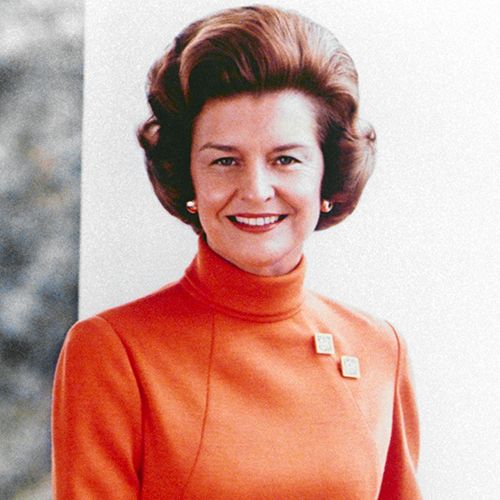
The Betty Crocker persona was carefully curated through a series of portraits and radio broadcasts. Over the decades, her “look” was updated to reflect the changing demographics of the American woman, yet the name remained constant. This is a classic example of Brand Identity Persistence. While the visual identity evolved to stay relevant, the name “Betty” served as the anchor.
In marketing psychology, this utilizes the “Sage” and “Caregiver” archetypes. By using a diminutive name, the brand positioned itself as a helpful neighbor (Caregiver) who also happened to be a world-class expert (Sage). This duality is the “secret sauce” of successful personal branding within a corporate structure.
Strategic Naming: When to Use Friendly Personas
In modern brand strategy, the decision to use a personified name—whether it’s Betty, Alexa, or Casper—is never accidental. It is a calculated move to humanize a business entity. However, the success of such a strategy depends on how well the name aligns with the brand’s core values and the consumer’s expectations.
Humanizing the Abstract
Large corporations often suffer from a “faceless” problem. When a company sells a commodity (like flour, insurance, or software), it can struggle to differentiate itself based on features alone. Brand strategy dictates that when products are similar, the brand with the most relatable “personality” wins.
Choosing a name that sounds like a nickname (Betty, Sally, Jimmy) allows a brand to bypass the skepticism consumers often feel toward “Big Business.” It suggests a level of accountability. If “Betty” gave you a recipe that didn’t work, you feel you can write to her. If a nameless corporation sells you a faulty product, you feel like a number in a database.
The Risks of Over-Familiarity in Modern Branding
While the “Betty” approach worked wonders in the 20th century, modern brand strategy must navigate a more cynical landscape. Today, consumers are hyper-aware of marketing tactics. If a brand uses a friendly, diminutive name but fails to provide a human-centric experience, the strategy can backfire, leading to a “uncanny valley” of branding where the persona feels manipulative rather than helpful.
The modern “Betty” must be authentic. Today’s brand strategists are moving away from entirely fictional personas toward “Founder-led” branding or “Community-led” identities where the “Betty” of the brand is a real person or a collective voice of the customers themselves.
Digital Bettys: Adapting Personas for the AI Era
As we move further into the digital age, the question of what “Betty” is short for has shifted from print and radio to voice interfaces and artificial intelligence. The strategy of using approachable, feminine-coded diminutives has found a new home in tech-heavy brand ecosystems.
From Print Icons to Virtual Assistants
Consider the naming of AI assistants like Alexa or Siri. While not “Betty” by name, they are “Betty” by strategy. They are short, phonetically simple names that are designed to feel like a personal helper. In this context, these names are short for “Frictionless Interaction.”
Brand strategists at Amazon and Apple understood that users would feel more comfortable giving commands to a named entity than to a “Voice Processing Unit.” This is the direct evolution of the Betty Crocker strategy: using a persona to bridge the gap between complex technology (or industrial food production) and the end-user’s daily life.
Maintaining Brand Consistency Across Platforms
For a brand to successfully employ a persona like Betty in the 21st century, consistency is paramount. In the past, Betty Crocker only existed on a box and in a radio script. Today, a brand persona must exist on social media, in chatbots, through email marketing, and in physical spaces.
The challenge for modern brand strategy is ensuring that the “Betty” voice remains consistent across all these touchpoints. If the persona is “short for” reliability and warmth, a snarky tweet or a cold, automated customer service response can shatter the brand identity. The persona is no longer just a name; it is a promise of a specific type of behavioral consistency.

Conclusion: The Lasting Legacy of the “Betty” Strategy
So, what is Betty short for? In the context of brand strategy and corporate identity, it is short for the successful humanization of commerce. It represents a transition from “transactional” business to “relational” business.
The name Betty—and the strategic personification it represents—teaches us that consumers do not fall in love with corporations; they fall in love with the way a brand makes them feel. By choosing a name that evokes familiarity, trust, and a sense of being cared for, companies can transform a simple product into a lifelong household staple. Whether it is a fictional baker from 1921 or a virtual assistant in 2024, the “Betty” strategy remains one of the most powerful tools in a brand strategist’s arsenal: the power to turn a nameless entity into a trusted friend.
aViewFromTheCave is a participant in the Amazon Services LLC Associates Program, an affiliate advertising program designed to provide a means for sites to earn advertising fees by advertising and linking to Amazon.com. Amazon, the Amazon logo, AmazonSupply, and the AmazonSupply logo are trademarks of Amazon.com, Inc. or its affiliates. As an Amazon Associate we earn affiliate commissions from qualifying purchases.