
When approaching a home renovation or a commercial property upgrade, the choice of materials is often framed as an aesthetic or functional decision. However, for the astute investor, the choice between luxury vinyl plank (LVP) and laminate flooring is fundamentally a capital allocation strategy. In the realm of personal finance and real estate investing, every dollar spent on a property must be weighed against its potential for appreciation, its impact on cash flow, and its long-term maintenance liabilities.
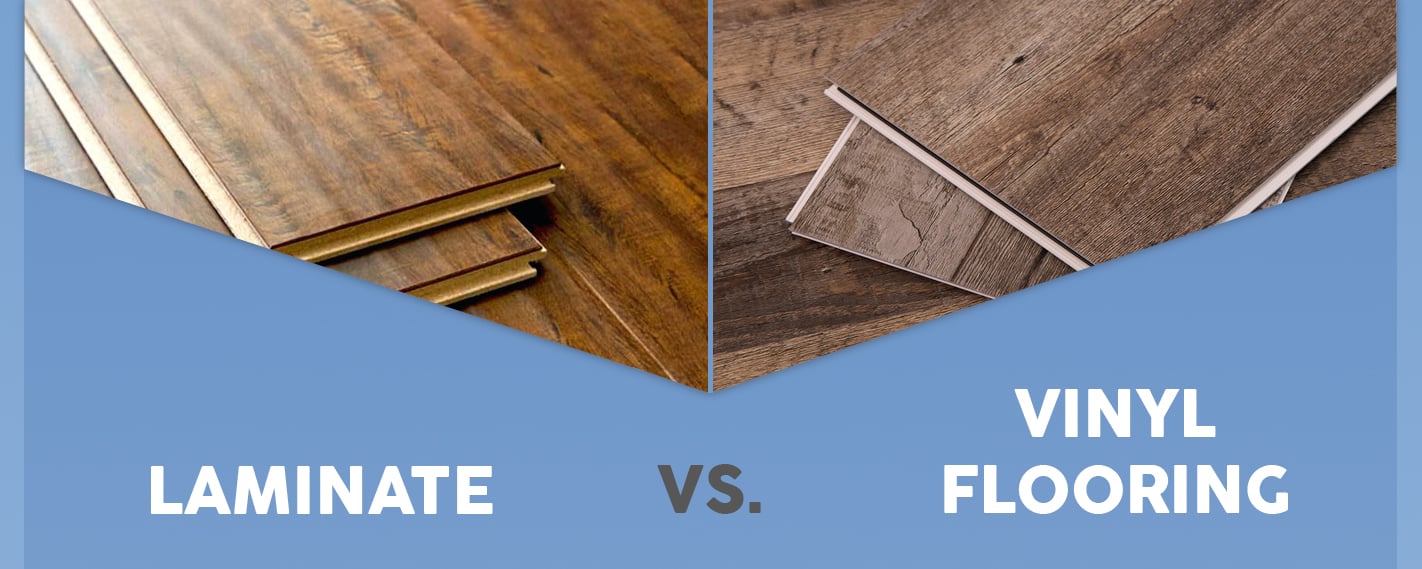
The debate of “Vinyl vs. Laminate” is a classic case study in cost-benefit analysis. While both materials offer a wood-look finish at a fraction of the cost of hardwood, they behave differently as financial assets. One represents a hedge against moisture-related damage, while the other offers a higher-perceived aesthetic value for resale. To determine which is “better,” we must move beyond the surface level and analyze these materials through the lens of ROI, depreciation, and risk management.

The Initial Capital Expenditure: Comparing Upfront Costs
In any financial model, the “CapEx” (Capital Expenditure) is the starting point. When comparing vinyl and laminate, the upfront costs are deceptively similar, yet the nuances of material grades and installation labor can significantly alter the initial outlay.
Material Costs per Square Foot
From a budgeting perspective, laminate has historically held the edge as the more affordable option. High-quality laminate typically ranges from $1.00 to $5.00 per square foot. It is a composite product made of wood byproducts bonded with resins, which keeps production costs low.
Vinyl, specifically Luxury Vinyl Plank (LVP) or Luxury Vinyl Tile (LVT), has seen its price point rise as the technology has improved. You can expect to pay anywhere from $2.00 to $7.00 per square foot for premium, click-lock versions. From a pure liquidity standpoint, choosing laminate allows an investor to stretch a budget further across multiple rooms or units, potentially freeing up capital for other high-ROI improvements like kitchen hardware or lighting.
Installation Expenses and Labor Economics
The “Total Cost of Ownership” begins at installation. Both materials are DIY-friendly, which is a major draw for “side hustle” flippers looking to save on labor. However, if you are hiring professional contractors, the labor costs are generally comparable.
The financial divergence occurs in the subfloor preparation. Vinyl is thinner and more flexible; it requires a near-perfectly level subfloor to prevent “telegraphing” (where imperfections in the concrete or wood underneath show through the vinyl). Laminate, being thicker and more rigid, is more forgiving of minor subfloor inconsistencies. If a property’s subfloor is uneven, the “hidden cost” of leveling the floor for vinyl can erode your profit margins before the first plank is even laid.
Return on Investment (ROI) and Property Valuation
Investors must ask: “Will this choice increase the appraisal value of my asset?” In the current real estate market, the “Money” aspect of flooring is driven by buyer and tenant psychology.
Impact on Resale Value
In the hierarchy of flooring, hardwood remains the gold standard for valuation. However, in the mid-range market, high-end laminate often provides a better “look and feel” that mimics real wood, which can drive higher offers during a sale. Laminate’s top layer is a high-definition photograph covered by a clear wear layer, often providing a more convincing texture than vinyl.
However, from a financial risk perspective, savvy buyers are increasingly looking for vinyl in specific regions. In coastal markets or areas prone to high humidity, vinyl is seen as a “value-add” because it is waterproof. A property with vinyl flooring in a basement or a kitchen is often appraised more favorably because the risk of future water-damage-related insurance claims is lower.
Appeal to Modern Renters and Business Cash Flow
For those focused on online income through short-term rentals (like Airbnb) or traditional long-term leasing, vinyl is often the superior financial choice. Renters are notoriously hard on properties. Scratches from pets, spills that aren’t cleaned up, and heavy foot traffic can destroy a laminate floor in a single lease term.
Vinyl’s durability ensures that the “effective age” of the property remains young. By choosing a 100% waterproof vinyl, a landlord protects their cash flow from being interrupted by emergency floor replacements. In the world of business finance, this is known as minimizing “down-time” and maximizing the “useful life” of the asset.

The Lifecycle Cost: Durability and Maintenance Savings
A common mistake in personal finance is focusing solely on the purchase price while ignoring the “Maintenance and Repair” (M&R) line item. This is where vinyl and laminate diverge most sharply.
Water Resistance and Damage Mitigation
This is the single most important financial differentiator. Laminate is fundamentally a wood-based product. If a dishwasher leaks or a water heater bursts, laminate acts like a sponge. Once the core swells, the floor is ruined and must be replaced entirely. This is a “total loss” scenario for that specific asset.
Vinyl is synthetic (PVC-based). It is impervious to water. If a flood occurs, you can often uninstall the vinyl, dry the subfloor, and reinstall the same planks. In terms of risk management, vinyl acts as a form of “self-insurance.” The slightly higher upfront cost of vinyl is essentially a premium paid to avoid the catastrophic cost of a full floor replacement due to moisture.
Replacement Cycles and Depreciation
Under IRS rules (specifically the MACRS system in the U.S.), residential rental property improvements are depreciated over 27.5 years. However, the actual physical life of these floors varies.
Laminate in a high-traffic area might need replacement every 7 to 10 years. Vinyl, especially commercial-grade LVP with a 20mil+ wear layer, can easily last 20 years or more. From a long-term wealth-building perspective, the investor who chooses vinyl only pays for labor and materials once, whereas the laminate investor may pay twice in the same period. When you calculate the Net Present Value (NPV) of these two options, vinyl frequently wins despite the higher initial price.
Strategic Allocation: When to Choose Which for Maximum Profit
Financial success in real estate depends on matching the material to the investment strategy. There is no “one size fits all” answer; there is only the “most profitable” answer for your specific situation.
The “Flip” Strategy vs. The “Hold” Strategy
If your goal is a “Fix and Flip”—where you buy, renovate, and sell within six months—laminate is often the better financial tool. It provides the “wow factor” and the aesthetic of hardwood at the lowest possible price point. Since you won’t be responsible for the long-term maintenance, you can capture the maximum “forced appreciation” while keeping your “cost of goods sold” low.
Conversely, if your strategy is “Buy and Hold” (rental income), vinyl is the undisputed king. The goal of a long-term investor is to stabilize expenses. Vinyl’s resistance to scratches and moisture makes it a “set it and forget it” investment. It preserves the capital value of the unit over decades of tenant turnover.
Commercial vs. Residential Financial Implications
In commercial real estate (CRE) finance, the stakes are even higher. For a retail space or an office, the “Class” of the building dictates the flooring. For a Class A office space, neither might be appropriate (stone or hardwood may be required). However, for Class B and C industrial or retail spaces, “Rigid Core” vinyl (SPC) is the preferred choice for business finance managers.
SPC (Stone Plastic Composite) vinyl is incredibly dense and can withstand the weight of heavy commercial furniture without denting. This reduces the frequency of capital calls for renovations, keeping the building’s Net Operating Income (NOI) higher and, by extension, increasing the building’s overall market valuation based on cap rates.
Conclusion: The Bottom Line on Flooring Finance
In the final analysis, “What is better: vinyl or laminate?” depends entirely on your financial objectives.
- Choose Laminate if: You are working with a tight budget, looking for maximum immediate aesthetic impact for a quick resale, and the property is located in a dry climate where moisture is not a systemic risk. It is a tool for maximizing short-term margins.
- Choose Vinyl if: You are a long-term investor, a landlord, or a homeowner looking to minimize life-cycle costs. It is a tool for capital preservation and risk mitigation.
While laminate offers a compelling entry price, vinyl’s superior durability and waterproof nature make it a more robust financial asset in the majority of real estate scenarios. In the world of money and investing, the cheapest option is rarely the most profitable in the long run. By spending an extra 20% upfront on quality vinyl, you are often saving 100% of your future replacement costs—a return on investment that is hard to beat in any market.
aViewFromTheCave is a participant in the Amazon Services LLC Associates Program, an affiliate advertising program designed to provide a means for sites to earn advertising fees by advertising and linking to Amazon.com. Amazon, the Amazon logo, AmazonSupply, and the AmazonSupply logo are trademarks of Amazon.com, Inc. or its affiliates. As an Amazon Associate we earn affiliate commissions from qualifying purchases.