
In the world of consumer packaged goods (CPG), few battles are as fierce or as enduring as the rivalry between the two giants of the over-the-counter (OTC) pain relief market: Ibuprofen and Acetaminophen. While a physician views these as chemical compounds with distinct mechanisms of action, a brand strategist views them as the foundational pillars of multi-billion dollar empires. To answer the question of “what is better” from a brand perspective requires looking beyond the molecular structure and into the sophisticated marketing, positioning, and consumer psychology that define brands like Tylenol (Acetaminophen) and Advil (Ibuprofen).
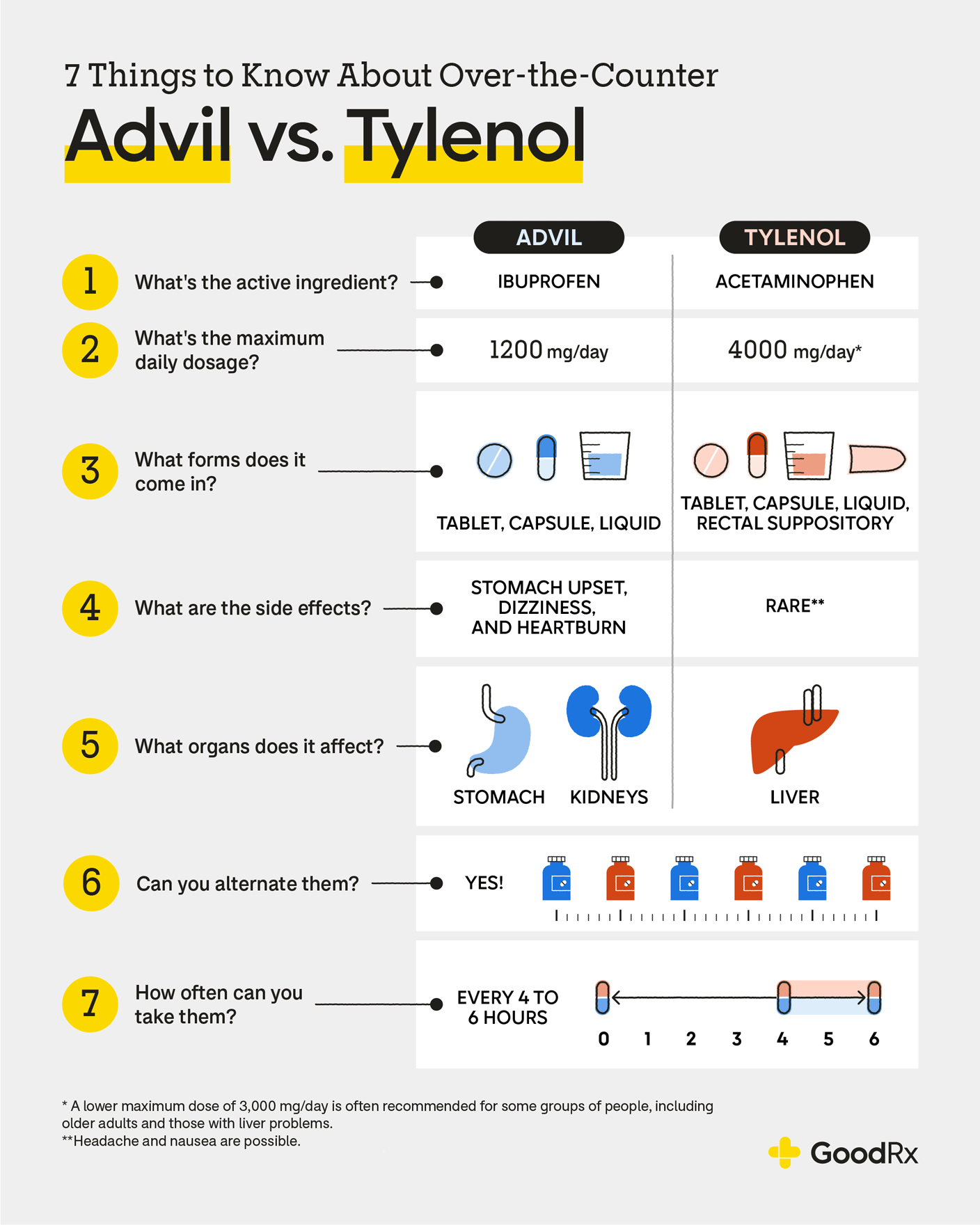
This article explores the strategic maneuvers that have allowed these two categories to coexist, dominate their respective niches, and maintain premium pricing in an era of aggressive generic competition.
1. The Psychology of Positioning: Defining the Brand Identity
The fundamental difference between Ibuprofen and Acetaminophen in the marketplace is not just what they do, but how they are perceived. Branding is the art of differentiation, and the pharmaceutical industry has mastered the art of “problem-solution” positioning.
Functional vs. Emotional Branding
Acetaminophen, led by the flagship brand Tylenol, has historically occupied the “Emotional Safety” quadrant. Its branding focuses on trust, gentleness, and suitability for the whole family. It is positioned as the reliable choice—the one your doctor or grandmother would recommend. In contrast, Ibuprofen brands like Advil and Motrin utilize “Functional Performance” branding. Their marketing materials often feature high-octane imagery: athletes, busy professionals, and individuals “pushing through” intense physical barriers.
Defining the “Pain Points” for Target Demographics
Brand managers for these compounds have carved out specific “use cases” that dictate consumer behavior. Tylenol has successfully claimed the territory of fevers and headaches, positioning itself as the “headache specialist” that is “gentle on the stomach.” Meanwhile, Advil has effectively “owned” the muscle ache, backache, and inflammation space. By segmenting the market based on the type of pain, both brands avoid a race to the bottom, allowing them to capture different segments of the same consumer’s medicine cabinet.
2. Tylenol (Acetaminophen): A Case Study in Trust and Crisis Recovery
To understand why Acetaminophen remains a dominant brand, one must look at Johnson & Johnson’s management of Tylenol. It is arguably the most famous case study in the history of brand strategy and crisis communications.
Recovering from Crisis: The 1982 Tylenol Recall
In 1982, the Tylenol brand faced an existential threat when seven people in Chicago died after consuming cyanide-laced capsules. Many experts predicted the brand would never recover. However, through a strategy of total transparency and the pioneering of triple-seal tamper-evident packaging, J&J didn’t just save the brand; they turned “safety” into Tylenol’s primary brand equity. Today, the choice of Acetaminophen over Ibuprofen is often driven by this legacy of safety—the perception that it is the “responsible” choice for those with sensitive stomachs or specific health profiles.
Owning the “Gentle” and “Safe” Narrative
The branding of Acetaminophen focuses heavily on its compatibility with other life stages. By creating specialized sub-brands like “Infants’ Tylenol” and “Children’s Tylenol,” the parent brand builds a lifecycle of loyalty. If a parent trusts a brand for their child’s first fever, they are statistically more likely to reach for the adult version for their own ailments. This “cradle-to-grave” brand loyalty is a cornerstone of the Acetaminophen market share.
3. Advil and Motrin (Ibuprofen): The Strategy of Efficacy and Performance
If Tylenol is the “nurturer,” Advil is the “achiever.” The brand strategy behind Ibuprofen revolves around the promise of speed, strength, and the ability to reclaim one’s day from the grip of inflammation.
The Tough-Pain Specialist
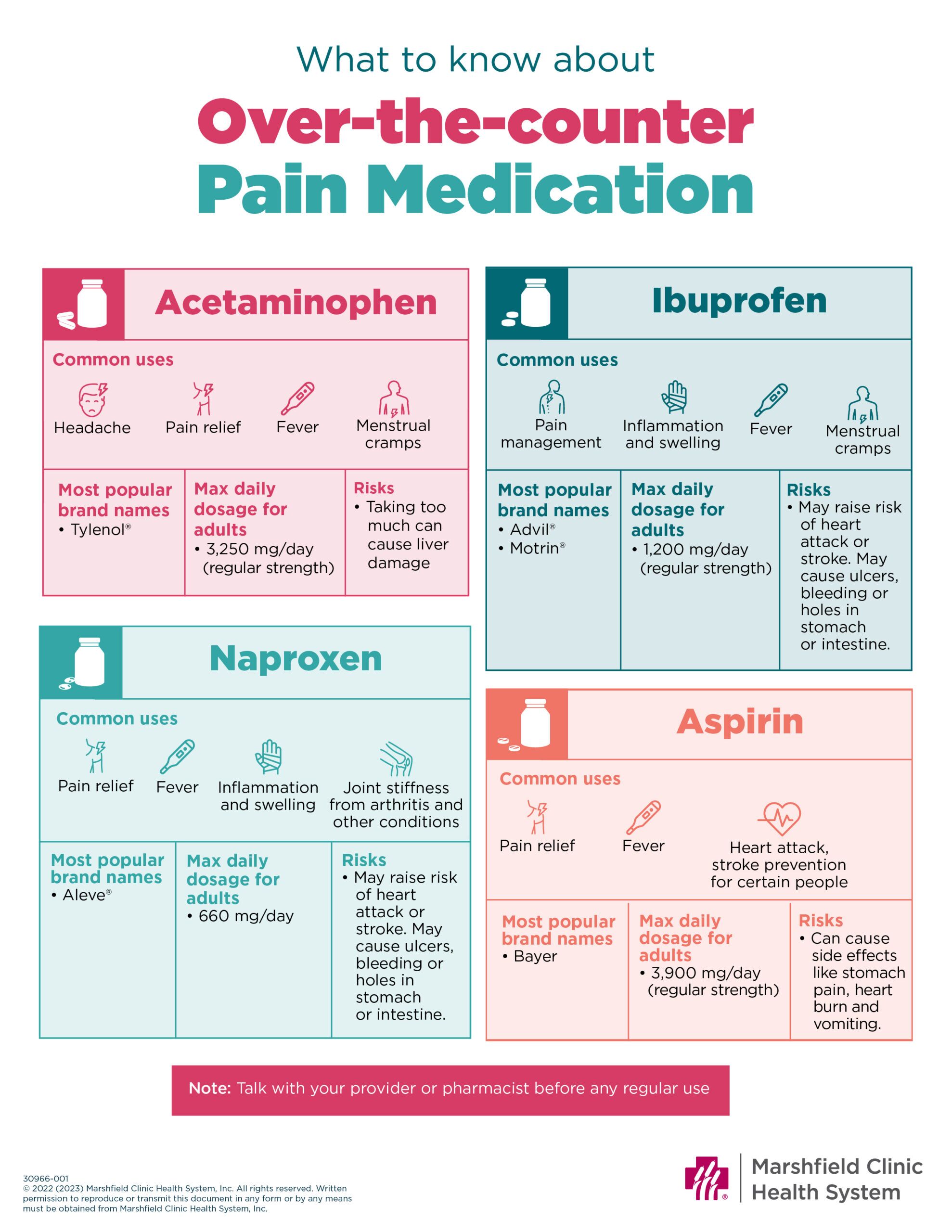
Advil, owned by Haleon (formerly part of Pfizer/GSK), has built its brand identity around the concept of “Advanced Medicine for Pain.” The visual identity—often featuring bright yellows and deep blues—evokes energy and clarity. Their marketing strategy frequently utilizes “clocks” and “timers” to emphasize speed of action. In the consumer’s mind, Ibuprofen is the “heavy lifter” designed for when pain is standing in the way of productivity.
Narrative Marketing: From Athletes to Blue-Collar Workers
The brand strategy for Ibuprofen often leverages “heroic” narratives. Whether it is a marathon runner crossing the finish line or a construction worker finishing a shift, the message is clear: Ibuprofen is for the resilient. By aligning the brand with physical endurance and performance, Ibuprofen marketers have created a psychological link between their product and the user’s self-identity as a “doer.” This positioning allows them to command a premium over generic versions that lack the aspirational messaging of the name brand.
4. Brand Extension and Portfolio Management
One of the most effective ways these pharmaceutical giants maintain their market dominance is through aggressive portfolio management and “line extensions.” This strategy ensures that regardless of the specific need, there is a branded version of Ibuprofen or Acetaminophen available.
The PM and Nighttime Variants
The introduction of “PM” versions—combining the pain reliever with a sleep aid—is a brilliant example of identifying an untapped “daypart” for the brand. By moving from “daytime pain relief” to “nighttime recovery,” brands like Tylenol PM and Advil PM increased their “share of shelf” and “share of wallet.” This extension reinforces the brand’s presence in the consumer’s life 24 hours a day.
Battling the Rise of Private Labels (Generics)
The greatest threat to branded Ibuprofen and Acetaminophen is the “Store Brand.” When the active ingredients are identical, how does a brand survive? The answer lies in “Perceived Value.” Branded manufacturers invest heavily in superior delivery systems—such as Liqui-Gels or easy-open caps for arthritis patients. These innovations are then heavily branded as “exclusive technology,” creating a reason for the consumer to pay 30% to 50% more for the name brand despite the identical chemical composition.
5. The Digital Transformation of Pharma Branding
In the modern era, the battle between Ibuprofen and Acetaminophen has moved from the television screen to the smartphone. The digital strategy for these brands has become increasingly sophisticated, focusing on “search intent” and social proof.
Influencer Marketing and Social Proof in Healthcare
Modern brand strategy for pain relief now involves “micro-influencers”—fitness coaches, parenting bloggers, and wellness advocates—who share their personal “pain stories.” By humanizing the brand through a third-party voice, pharmaceutical companies bypass the traditional skepticism toward corporate advertising. When a trusted fitness influencer recommends a specific brand of Ibuprofen for post-workout recovery, it carries more weight than a traditional commercial.
Leveraging Data for Personalized Brand Experiences
Through data analytics, brands now target consumers at the exact moment of need. Using weather data to predict flu outbreaks or search data to identify spikes in “lower back pain” queries, brand managers can deploy hyper-targeted ads. This “just-in-time” branding ensures that when a consumer asks, “what is better,” the brand that has most recently provided them with helpful, relevant content is the one that wins the sale.
Conclusion: The Winner of the Brand War
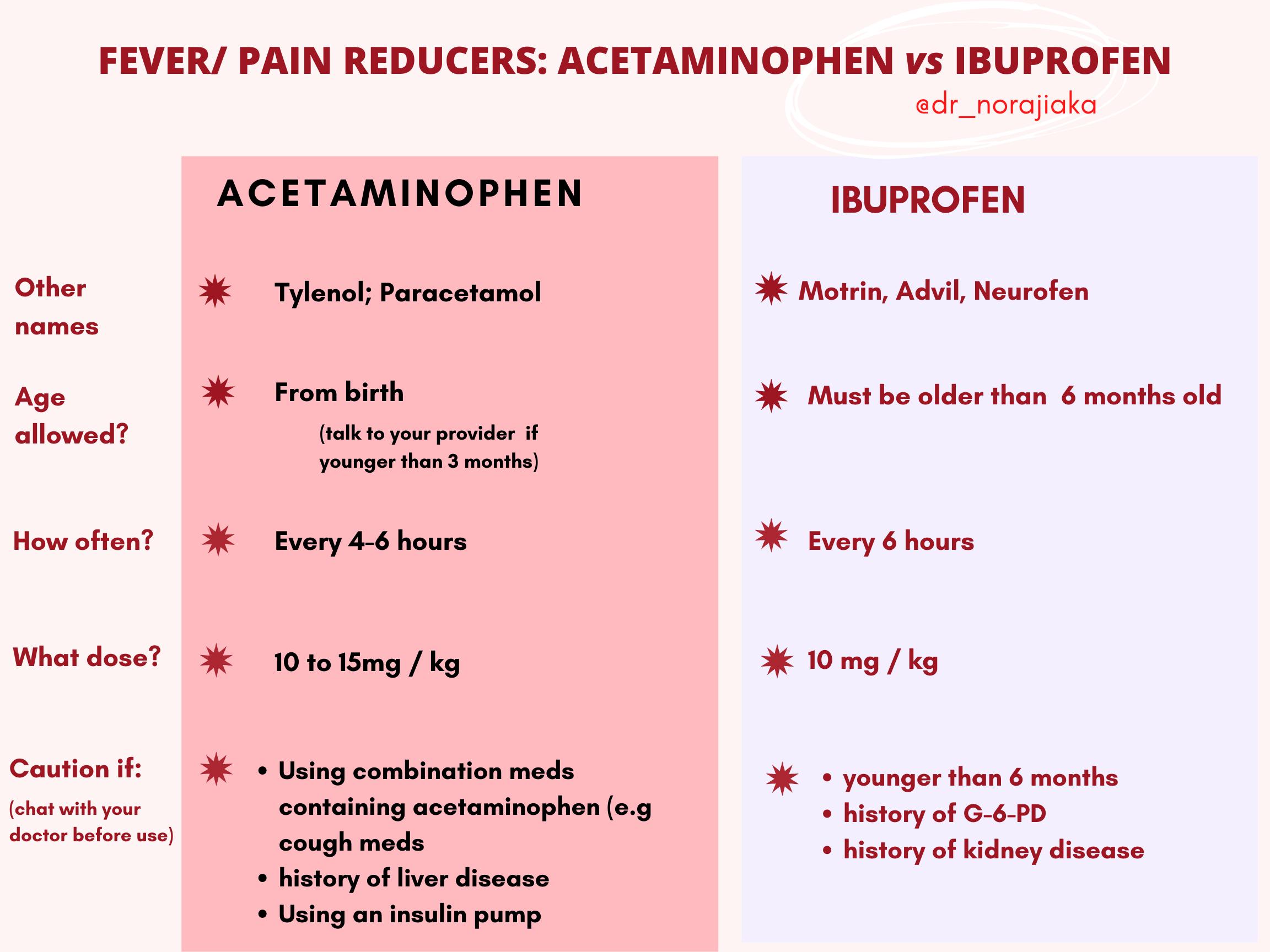
So, what is better: Ibuprofen or Acetaminophen? From a brand strategy perspective, the answer depends entirely on the “Brand Archetype” the consumer identifies with at that moment.
If the consumer is looking for safety, heritage, and a “gentle” solution, the Acetaminophen brands (Tylenol) win through their long-standing narrative of trust. If the consumer is looking for power, speed, and a tool to help them perform, the Ibuprofen brands (Advil) win through their association with efficacy and resilience.
Ultimately, the success of both lies in their ability to transcend their chemical identities. They have moved beyond being mere commodities to become symbols of relief, reliability, and human potential. In the end, the “better” brand is the one that most effectively manages the consumer’s perception, proving that in the world of business, the story behind the pill is often just as important as the pill itself.
aViewFromTheCave is a participant in the Amazon Services LLC Associates Program, an affiliate advertising program designed to provide a means for sites to earn advertising fees by advertising and linking to Amazon.com. Amazon, the Amazon logo, AmazonSupply, and the AmazonSupply logo are trademarks of Amazon.com, Inc. or its affiliates. As an Amazon Associate we earn affiliate commissions from qualifying purchases.