
In the rapidly evolving landscape of consumer electronics, the debate between 4K and High Definition (HD) remains a central pivot point for consumers, gamers, and professional content creators alike. For over a decade, 1080p—commonly known as Full HD—was the undisputed gold standard for everything from television broadcasts to laptop displays. However, the emergence of 4K, or Ultra High Definition (UHD), has fundamentally shifted expectations regarding visual fidelity, pixel density, and immersive digital experiences.
Choosing between 4K and HD is no longer a simple matter of “more is better.” It involves understanding the technical nuances of resolution, the hardware requirements for processing high-density data, and the specific use cases where the difference becomes indistinguishable to the human eye. This article explores the technical foundations of these resolutions and provides an insightful guide on which technology truly reigns supreme in the current tech ecosystem.

Understanding the Technical Foundations of Resolution
To understand why 4K is often touted as a revolutionary leap over HD, we must first look at the mathematical reality of pixels. Resolution refers to the number of distinct pixels in each dimension that can be displayed. A pixel is the smallest controllable element of a picture represented on the screen.
Pixel Density and Visual Clarity
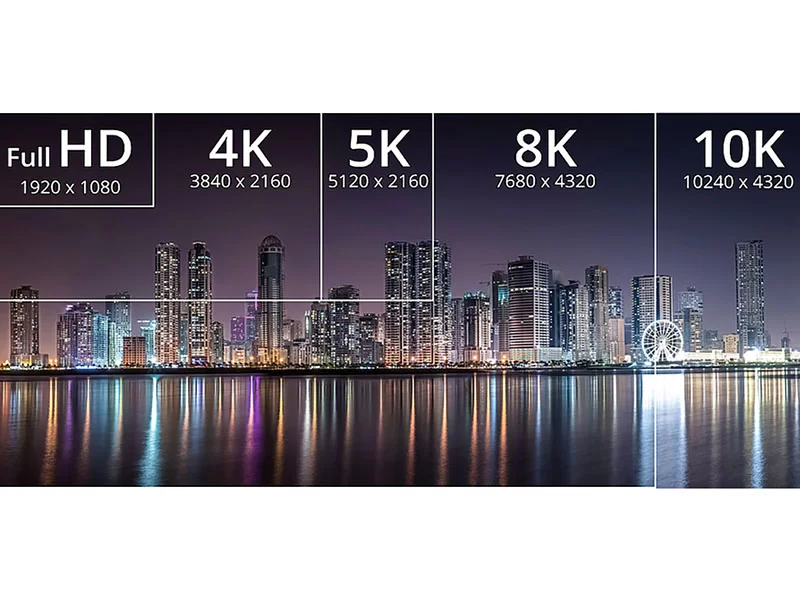
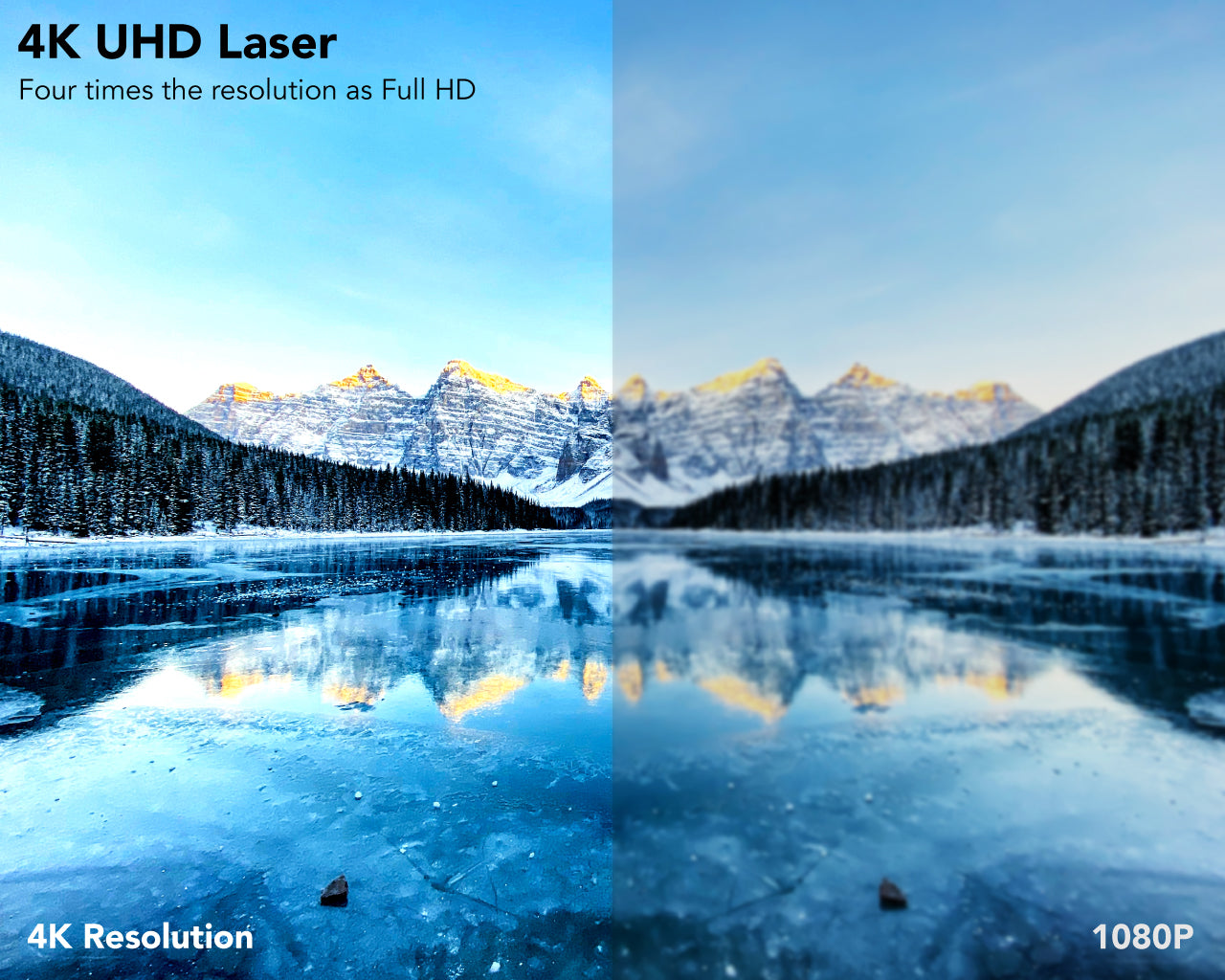
Standard “Full HD” operates at a resolution of 1920 x 1080 pixels. This means that an HD screen contains roughly 2 million pixels. In contrast, 4K resolution (specifically 3840 x 2160 for consumer displays) packs approximately 8.3 million pixels into the same relative area. By quadrupling the pixel count, 4K displays offer a significantly higher pixel density.
The primary benefit of this density is clarity. On a 4K screen, the individual pixels are so small that they are virtually invisible to the naked eye at standard viewing distances. This results in smoother curves, sharper text, and finer details in textures—such as the individual blades of grass in a sports broadcast or the subtle pores on a character’s face in a cinematic sequence.
The Role of Upscaling Technology
One of the most significant advancements in modern display tech is the “upscaling engine.” Since not all content is shot or broadcast in native 4K, displays must use software algorithms to fill in the gaps. When you play an HD video on a 4K monitor, the device’s processor uses interpolation and Artificial Intelligence (AI) to “guess” what the missing pixels should look like.
High-end manufacturers use sophisticated neural networks to analyze frames in real-time, reducing noise and sharpening edges. While upscaled HD never looks quite as pristine as native 4K, the quality of modern upscaling has made 4K monitors a viable choice even for users who still consume legacy media.
Hardware and Performance Considerations
While 4K offers a superior visual experience on paper, it places a significantly higher demand on the hardware powering the display. Moving four times the amount of data requires more than just a better screen; it requires a robust technological infrastructure.
Processing Power and GPU Demands
For PC users and gamers, the transition from HD to 4K is a resource-intensive endeavor. A Graphics Processing Unit (GPU) that can run a game at 60 frames per second (FPS) in 1080p might struggle to reach 20 FPS in 4K. This is because the GPU has to calculate the lighting, shading, and geometry for 8 million pixels every single frame.
To maintain a smooth experience in 4K, users typically require high-end hardware, such as the NVIDIA RTX 40-series or AMD Radeon 7000-series cards. Furthermore, the introduction of technologies like DLSS (Deep Learning Super Sampling) and FSR (FidelityFX Super Resolution) has become essential. These AI-driven tools render games at a lower resolution and then use machine learning to reconstruct the image to 4K, balancing performance with visual quality.
Bandwidth and Streaming Requirements
The “4K vs. HD” debate also extends to internet infrastructure. Streaming a 1080p video on platforms like Netflix or YouTube typically requires a stable connection of about 5 Mbps. However, streaming native 4K content requires at least 25 Mbps.
In many regions, data caps and inconsistent speeds make 4K streaming impractical. Additionally, 4K files are significantly larger. A one-hour 4K video can consume upwards of 7GB to 10GB of data, whereas an HD version might use only 2GB to 3GB. For users on limited data plans or in areas with aging digital infrastructure, the “better” resolution is often the one that doesn’t suffer from constant buffering.
Content Availability and the Digital Ecosystem
The value of a display technology is directly proportional to the content available for it. In the early days of 4K, there was a “content gap” where screens were available, but nothing was shot in that resolution. Today, the landscape has changed entirely.
Streaming Services and Physical Media
Modern streaming giants have fully embraced 4K. Platforms like Disney+, Amazon Prime Video, and Netflix now offer the majority of their original content in UHD. Furthermore, these platforms often bundle 4K with HDR (High Dynamic Range), which improves the contrast ratio and color accuracy.
For the ultimate tech purists, 4K Ultra HD Blu-ray discs remain the pinnacle of home media. Unlike streaming, which uses heavy compression to fit through an internet “pipe,” physical 4K discs offer much higher bitrates, ensuring that the 8 million pixels are rendered with total fidelity and zero compression artifacts.
Gaming and Professional Workflows
The current generation of gaming consoles—the PlayStation 5 and Xbox Series X—were built with 4K as the target standard. For gamers, 4K provides a competitive edge in terms of “situational awareness,” allowing them to see distant objects with more clarity than they would on a 1080p display.
In the professional world, 4K is no longer a luxury; it is a necessity for video editors, graphic designers, and software developers. A 4K monitor provides four times the “screen real estate” of an HD monitor. This means a developer can have their code, a browser window, and a terminal open simultaneously without the windows overlapping, significantly increasing productivity through hardware-driven multitasking.
Making the Choice: When to Invest in 4K
Despite the technical superiority of 4K, HD remains a relevant and sometimes preferable choice depending on the specific application and environment.
Viewing Distance and Screen Size
The human eye has a limited resolving power. If you are sitting ten feet away from a 32-inch television, your retina physically cannot distinguish the difference between 1080p and 4K. To truly appreciate 4K, one generally needs a screen size of 50 inches or larger, or to be sitting relatively close to a desktop monitor.
For small devices like 13-inch laptops or 24-inch office monitors, 1080p is often perfectly adequate. On these smaller screens, the pixel density of HD is high enough that the image remains sharp, and opting for a 4K panel might only serve to drain the battery faster or increase the cost of the device without providing a tangible visual benefit.
Longevity and Future-Proofing
If you are purchasing a new television or a primary workstation monitor today, 4K is almost always the better investment. The tech industry has moved past the “early adopter” phase, and 4K displays have become remarkably affordable. Buying an HD television in the current market often means settling for older panel technology with inferior color reproduction and lower brightness levels.
Choosing 4K ensures that your hardware will remain compatible with the next decade of content. As 8K begins to hover on the horizon as a niche enthusiast product, 4K has solidified itself as the “new 1080p”—the baseline standard for quality digital consumption.
Conclusion: The Verdict on Resolution
In the contest of “what is better 4K or HD,” the technical answer is unequivocally 4K. It offers a level of immersion, detail, and workspace flexibility that 1080p simply cannot match. From the intricacies of AI-driven upscaling to the demands of modern gaming consoles, the ecosystem is heavily weighted in favor of Ultra High Definition.
However, the “better” choice for an individual depends on their specific technological environment. If your internet bandwidth is limited, your GPU is aging, or your screen size is small, HD remains a reliable and efficient standard. But for those looking to experience the full potential of modern digital media, 4K is the essential gateway to the future of visual technology. The transition from HD to 4K represents more than just a higher number of pixels; it represents the maturation of display technology into an era of near-photorealistic digital clarity.
aViewFromTheCave is a participant in the Amazon Services LLC Associates Program, an affiliate advertising program designed to provide a means for sites to earn advertising fees by advertising and linking to Amazon.com. Amazon, the Amazon logo, AmazonSupply, and the AmazonSupply logo are trademarks of Amazon.com, Inc. or its affiliates. As an Amazon Associate we earn affiliate commissions from qualifying purchases.