
In the rapidly evolving landscape of modern technology, the term “beta” has transitioned from a niche developer’s jargon to a household name. Whether you are an enthusiast waiting for the latest Android or iOS update, a gamer looking to get an early look at a highly anticipated title, or a professional testing a new productivity tool, you have likely encountered a beta version. At its core, a beta version represents a critical bridge between a product’s internal development and its official market launch. It is the final stage of “pre-release” testing where software is exposed to real-world conditions to ensure stability, usability, and functionality.

Understanding the Software Development Lifecycle (SDLC) and the Role of Beta
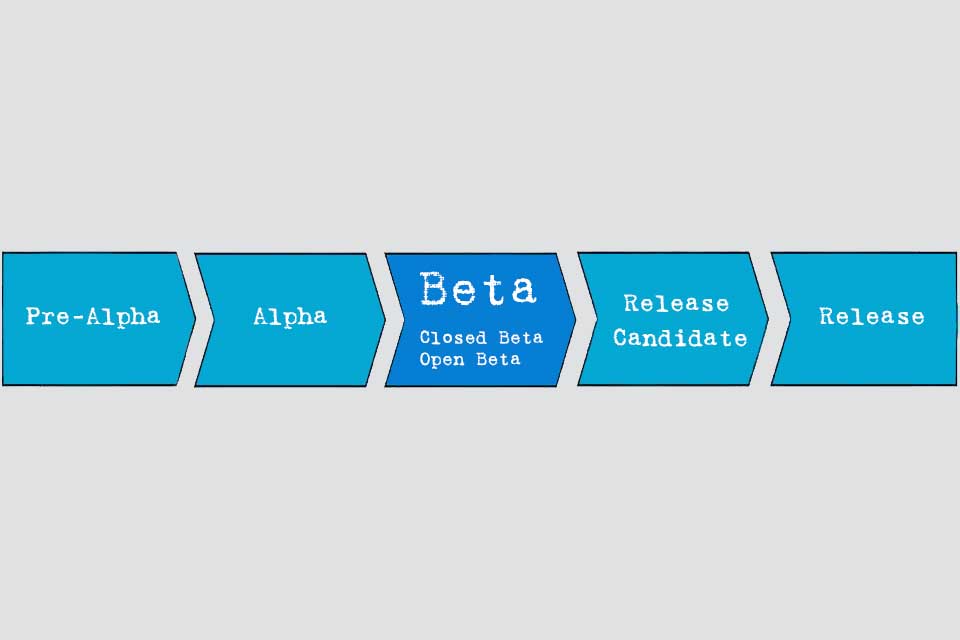
To understand what a beta version is, one must first look at where it sits within the Software Development Lifecycle (SDLC). Software does not simply emerge fully formed; it undergoes rigorous iterations. The journey typically begins with the “Alpha” phase, which is followed by the “Beta” phase, eventually leading to the “Release Candidate” and finally the “General Availability” (GA) or “Gold” version.
From Alpha to Beta: The Critical Transition
The alpha phase is the first stage of end-to-end testing. It is almost exclusively performed in-house by the developers and internal Quality Assurance (QA) teams. During alpha, the software is often “unstable” and may lack key features. The goal here is to catch major bugs that could prevent the program from even starting.
Once the software is “feature-complete”—meaning all planned functions have been coded but not necessarily polished—it moves into the beta stage. The transition to beta signifies that the software is stable enough to be used by people outside the immediate development team. While the alpha phase is about making the software work, the beta phase is about making the software work for the user.
The Core Purpose of the Beta Phase
The primary purpose of a beta version is to gather telemetry and feedback from a diverse range of hardware and software environments. Developers cannot possibly replicate every combination of processor, RAM, operating system version, and background application in a lab. By releasing a beta version, developers can identify “edge cases”—problems that only occur under specific, often unpredictable circumstances—that internal testing missed.
Different Types of Beta Testing: Open vs. Closed
Not all beta versions are distributed in the same way. Depending on the goals of the development team and the complexity of the software, a project may undergo several distinct beta stages.
Closed Beta: Controlled Innovation
A closed beta, also known as a private beta, is restricted to a specific group of invited individuals. These might be long-time users of the brand’s previous products, professional software testers, or individuals who applied for early access.
The advantage of a closed beta is control. Developers can manage the volume of feedback and ensure that the people testing the software are capable of providing detailed, technical bug reports. In the tech industry, closed betas are often used for high-stakes enterprise software or groundbreaking AI tools where the developers want to keep the features under wraps (sometimes under Non-Disclosure Agreements) until the product is more refined.
Open Beta: Stress Testing at Scale
An open beta, or public beta, is exactly what it sounds like: a version of the software made available to the general public. While anyone can download it, it is still labeled as “beta” to warn users that they may encounter bugs.
The primary goal of an open beta is stress testing. This is particularly common in cloud-based applications, SaaS (Software as a Service) platforms, and multiplayer gaming. Developers need to see how their servers handle thousands, or even millions, of concurrent users. An open beta also serves as a massive data-collection exercise, where automated scripts send crash reports back to the developers in real-time.
The Strategic Importance of Beta Testing in Modern Tech
In the current tech climate, where “move fast and break things” is a common mantra, beta testing has become more important than ever. It is no longer just a checkbox in the development process; it is a strategic tool for ensuring long-term product viability.
Bug Squashing and Performance Optimization
No matter how talented a coding team is, code is inherently complex. A modern operating system or a high-end creative suite can contain millions of lines of code. Beta versions allow developers to identify “memory leaks,” where the software slowly consumes more and more RAM until the system crashes, or “regression bugs,” where a new feature accidentally breaks an old one. By identifying these issues during the beta phase, the tech company avoids the reputational damage of a “broken” official launch.
User Experience (UX) and Interface Refinement
Sometimes, software works perfectly from a technical standpoint but fails from a user perspective. This is where beta testing provides invaluable UX insights. If beta testers consistently struggle to find a specific menu or find a new workflow unintuitive, the developers can use this feedback to redesign the interface before the final release. Tech giants like Google and Microsoft frequently use A/B testing during beta phases, where different groups of users see different interface layouts to determine which one is more effective.
Building Early Adoption and Community Feedback
In the software world, community is king. Releasing a beta version allows a tech company to build a loyal “vanguard” of users who feel invested in the product’s success. These early adopters often become the most vocal advocates for the software once it officially launches. Furthermore, for tools like AI-driven coding assistants or graphic design apps, the beta phase allows the software to “learn” from real-world usage patterns, refining its algorithms based on how humans actually interact with it.
Risks and Rewards for the Beta Tester
For the user, participating in a beta program is a double-edged sword. It offers a glimpse into the future of technology, but it requires a level of patience and technical literacy.
The Thrill of Early Access to Features
The most obvious reward is getting your hands on new technology months before the general public. For tech enthusiasts, this is the ultimate “preview.” Whether it is a new dark mode, an AI-powered search feature, or an optimized kernel for an operating system, being a beta tester puts you at the cutting edge. In many cases, beta testers also have a direct line of communication with the developers, allowing them to suggest features that might eventually be implemented.
Potential Pitfalls: Data Loss and System Instability
The risks, however, are real. Because a beta version is, by definition, unfinished software, it can be unpredictable. Common issues include:
- System Crashes: The application may close unexpectedly, causing you to lose unsaved work.
- Battery Drain: Beta software is often not yet optimized for power efficiency, which can be a major issue for mobile devices.
- Data Corruption: In rare cases, a beta version of an app might interact poorly with your file system, leading to lost or corrupted data.
- Security Vulnerabilities: While rare, beta versions might not have all the security hardening of a final release, potentially opening up minor exploits.
Best Practices for Safely Testing Beta Software
To mitigate these risks, tech professionals recommend several best practices. First, never install beta software on your “mission-critical” device—the computer you use for work or the phone you rely on for daily communication. Instead, use a secondary device or a Virtual Machine (VM). Second, always ensure you have a full system backup before installing a beta update. Finally, use the built-in feedback tools to report bugs; simply complaining about a crash on social media doesn’t help the developers fix the problem.
The Future of Beta Testing: AI, Automation, and “Perpetual Beta”
As we look toward the future of technology, the concept of the beta version is evolving. We are entering an era of “Perpetual Beta” and AI-enhanced testing.
AI-Driven Bug Reporting
Artificial Intelligence is revolutionizing how beta feedback is processed. In the past, developers had to manually sift through thousands of user reports. Today, AI algorithms can categorize bugs, identify duplicate reports, and even suggest the specific line of code that is likely causing the issue. This speeds up the “patch” cycle, allowing beta versions to be updated daily or even hourly.

The Rise of Early Access Culture
In the world of apps and gaming, the line between a “Beta” and a “Full Release” is blurring. Many developers now use the “Early Access” model, where a product is technically in a beta state but is functional enough to be used regularly. This “Perpetual Beta” state—famously used by Gmail for years—allows for constant, incremental improvements rather than waiting for massive, once-a-year updates. This shift reflects a broader trend in tech: the move away from static software toward dynamic, living services that evolve alongside their user base.
In conclusion, a beta version is much more than just “unfinished software.” It is a vital collaborative process between creators and users. It represents the rigorous commitment to quality that defines the modern tech industry, ensuring that when a product finally reaches the masses, it is as robust, secure, and user-friendly as possible. Understanding the beta phase allows users to navigate the digital world with greater insight, choosing when to dive into the cutting edge and when to wait for the stability of a final release.
aViewFromTheCave is a participant in the Amazon Services LLC Associates Program, an affiliate advertising program designed to provide a means for sites to earn advertising fees by advertising and linking to Amazon.com. Amazon, the Amazon logo, AmazonSupply, and the AmazonSupply logo are trademarks of Amazon.com, Inc. or its affiliates. As an Amazon Associate we earn affiliate commissions from qualifying purchases.