
In an increasingly digitized financial landscape, the quest for convenient, secure, and cost-effective ways to manage money is paramount. For millions, traditional banking solutions may not be the optimal fit, or perhaps even an option. This is where prepaid debit cards step into the spotlight, offering a flexible alternative that blends the utility of a debit card with the control of a cash-based system. But with a myriad of options flooding the market, discerning “what is the best prepaid debit card” can feel like navigating a maze. This guide aims to demystify the choices, providing a clear pathway to selecting a financial tool that genuinely serves your personal finance needs and empowers your money management.
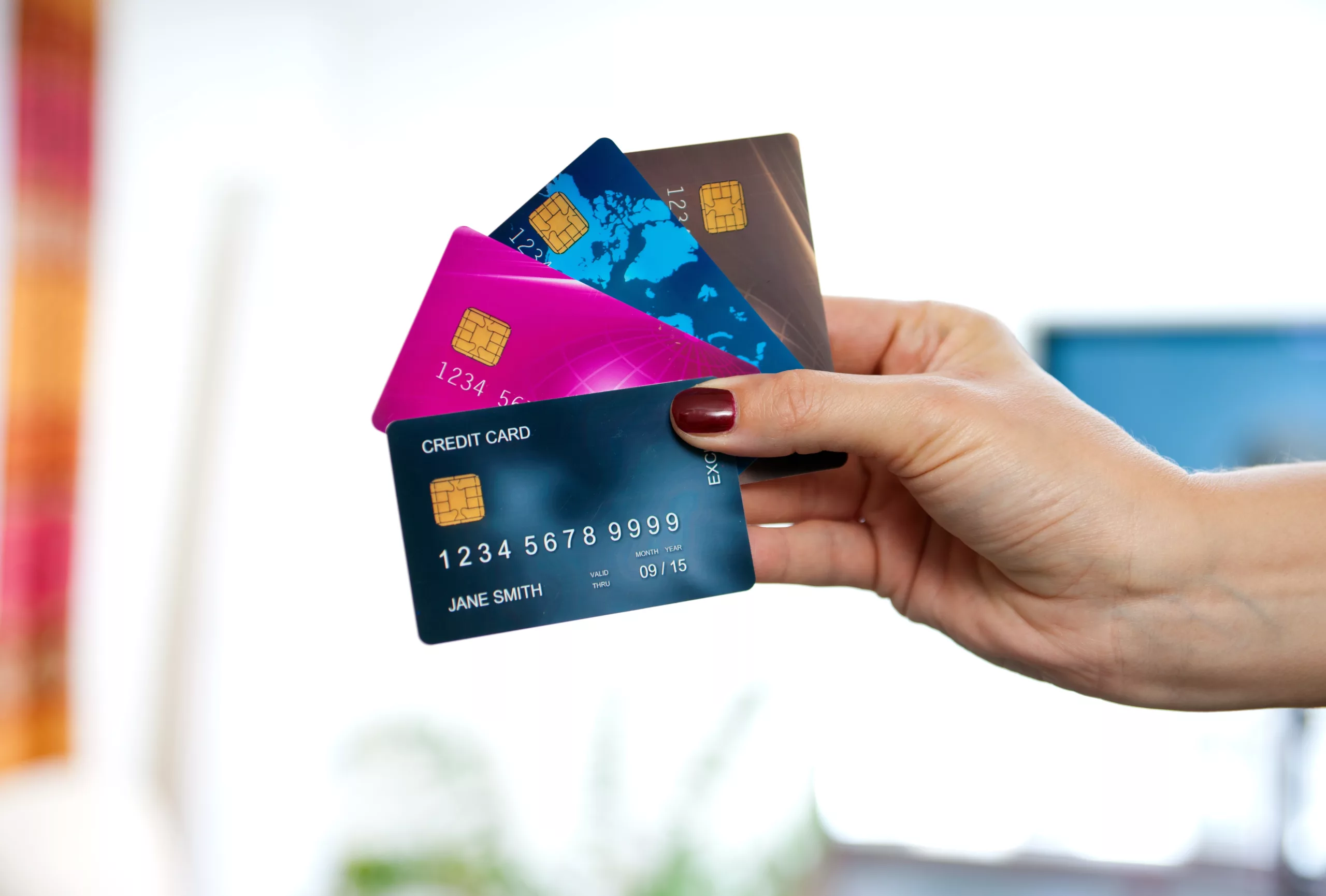
Prepaid debit cards are not merely a fallback for the unbanked; they are a deliberate choice for individuals seeking to budget meticulously, avoid debt, manage spending for family members, or simply have a secure alternative to carrying cash. Unlike traditional debit cards tied to a bank account, or credit cards that offer a line of credit, prepaid cards are funded in advance. You can only spend the money you load onto the card, making them an excellent tool for controlling expenditures and preventing overdrafts. The “best” card, therefore, isn’t a one-size-fits-all answer, but rather the one that most closely aligns with your spending habits, financial goals, and comfort with associated fees.
Understanding Prepaid Debit Cards: Basics and Benefits
Before diving into specific recommendations or features, it’s crucial to grasp the fundamental mechanics and inherent advantages of prepaid debit cards. This foundational knowledge will equip you to make an informed decision tailored to your unique financial situation.
What Exactly is a Prepaid Debit Card?
At its core, a prepaid debit card functions much like a standard debit card, allowing you to make purchases online, in stores, and withdraw cash from ATMs. The critical distinction lies in its funding mechanism: you load money onto the card before you can spend it. It’s essentially a digital wallet for a set amount of funds. These cards are typically branded by major payment networks like Visa, Mastercard, or Discover, ensuring wide acceptance wherever those networks are processed.
Unlike credit cards, prepaid cards do not involve borrowing money, nor do they impact your credit score, as there’s no credit check required for approval. This makes them highly accessible for individuals with no credit history, poor credit, or those who simply wish to avoid traditional banking relationships. You can load funds onto these cards through various methods, including direct deposit from your employer, cash reloads at participating retailers, bank transfers, or even mobile check deposits, depending on the card issuer.
Key Advantages of Using Prepaid Cards
The appeal of prepaid debit cards extends beyond mere accessibility. They offer several distinct benefits that can significantly enhance personal financial management:
- Budgeting Control: Perhaps their most significant advantage, prepaid cards enforce spending limits. Once the loaded funds are depleted, you cannot spend more until you reload, making them an excellent tool for adhering to a strict budget and preventing impulse purchases.
- No Debt Accumulation: Since you’re spending your own money, there’s no risk of accruing debt or paying interest charges, a common pitfall with credit cards. This provides a sense of financial freedom and control.
- Wider Accessibility: For the unbanked or underbanked, prepaid cards offer a vital entry point into the digital economy. They don’t require a bank account or a credit check, making them available to almost anyone.
- Fraud Protection: Most reputable prepaid cards offer FDIC insurance (up to permissible limits) for the funds loaded on them and provide similar fraud protection as traditional debit or credit cards. If your card is lost or stolen, unauthorized transactions can often be disputed and recovered.
- Digital Convenience: Enjoy the convenience of online shopping, bill pay, and subscription services without the need for a bank account or credit card. Many come with robust mobile apps for managing funds on the go.
- Alternative to Cash: Carrying large amounts of cash can be risky. Prepaid cards offer a safer, more convenient alternative for daily transactions and travel, with the added benefit of transaction tracking.
Potential Drawbacks to Consider
While advantageous, prepaid debit cards are not without their caveats. Understanding these potential drawbacks is crucial for a balanced perspective:
- Fee Structures: This is often the primary concern. Many prepaid cards come with various fees, including monthly maintenance fees, transaction fees, ATM withdrawal fees, reload fees, inactivity fees, and even fees for customer service calls. These can quickly erode your balance if not managed carefully.
- No Credit Building: Unlike secured credit cards, prepaid debit cards do not report activity to credit bureaus, meaning they cannot help you build or improve your credit score.
- Deposit Limits: Cards may have daily, weekly, or monthly limits on how much money you can load, as well as limits on ATM withdrawals or daily spending.
- Fewer Perks: While some cards offer minor rewards, they generally lack the extensive rewards programs (cashback, travel points) commonly associated with credit cards.
- Less Robust Protections (Historically): While protections have improved, some prepaid cards might not offer the same level of consumer protection as traditional bank accounts or credit cards, though many now provide FDIC insurance. Always verify this with the issuer.
Key Factors to Consider When Choosing a Prepaid Debit Card
Identifying the “best” prepaid debit card necessitates a thorough evaluation of several critical factors that directly impact your user experience and overall cost. Prioritizing these elements based on your individual financial habits will guide you to the most suitable choice.
Fee Structures: The Ultimate Decider
The fee schedule is arguably the most important aspect to scrutinize. What appears to be a free card might have hidden costs that accumulate rapidly.
- Monthly Maintenance Fees: Many cards charge a recurring monthly fee. Some waive this fee if you meet certain criteria, such as direct depositing a minimum amount each month. Look for cards with low or easily waivable monthly fees.
- Transaction Fees: While less common now, some cards may charge a small fee for each purchase made. This is a significant red flag and should generally be avoided.
- Reload Fees: How much does it cost to add money to your card? While direct deposit is usually free, cash reloads at retail locations (e.g., Green Dot, Vanilla Direct) often incur a fee, typically $3 to $5 per transaction.
- ATM Withdrawal Fees: Expect to pay fees for out-of-network ATM withdrawals. Some cards offer a network of free ATMs, while others might reimburse a certain number of fees per month.
- Inactivity Fees: If you don’t use your card for a certain period (e.g., 90 days), some issuers might charge an inactivity fee.
- Other Fees: Be vigilant for fees related to balance inquiries, foreign transactions, card replacement, or even customer service calls. A transparent fee schedule is a hallmark of a good card.
Accessibility and Convenience
Beyond fees, consider how easily you can access and manage your funds. A card that’s difficult to use or reload defeats its purpose.
- Reload Options: Evaluate the variety and accessibility of reload methods. Free direct deposit is a must-have for regular income earners. For cash reloads, check for widespread retail partners in your area.
- ATM Network: Does the card offer a broad network of free ATMs? Access to your cash without incurring extra charges is vital.
- Online Banking and Mobile App: A user-friendly online portal and a robust mobile app are essential for monitoring your balance, viewing transactions, and managing settings on the go. Look for features like transaction alerts and budgeting tools within the app.
- Payment Network Acceptance: Ensure the card operates on a major network (Visa, Mastercard, Discover) for ubiquitous acceptance both domestically and internationally.
Features and Functionality
Modern prepaid cards often come equipped with features that enhance financial management and security.
- Direct Deposit: The ability to receive direct deposit of paychecks or government benefits often unlocks lower fees and quicker access to funds.
- Bill Pay: Some cards offer online bill pay services, allowing you to pay utilities, rent, or other recurring expenses directly from your card balance.
- Sub-Accounts/Savings Envelopes: Advanced cards might offer the ability to create separate sub-accounts or “envelopes” within your main balance, helping you budget for specific goals (e.g., rent, groceries, savings).
- FDIC Insurance: Crucially, ensure the card is issued by an FDIC-insured bank. This protects your funds up to $250,000 in the unlikely event the issuing bank fails.
- Fraud Protection: Look for cards that offer zero-liability protection for unauthorized transactions, similar to traditional bank cards.
- Early Payday Access: Some cards offer access to direct deposit funds up to two days early, a convenient perk.
Customer Service and Reputation
When things go wrong, reliable customer support is invaluable. Research the issuer’s reputation for customer service, especially concerning dispute resolution and responsiveness. Check online reviews, but take them with a grain of salt, looking for patterns of positive or negative experiences rather than isolated incidents. Easy access to human support via phone, chat, or email is a definite plus.
Maximizing the Value of Your Prepaid Debit Card
Choosing the right prepaid debit card is just the first step. To truly derive the maximum benefit and avoid unnecessary costs, proactive management and strategic usage are key.
Mastering Fee Avoidance Strategies
The most effective way to keep your prepaid card affordable is to actively minimize or eliminate fees.
- Utilize Direct Deposit: If possible, set up direct deposit for your income. This often waives monthly fees, and sometimes even reload fees, making the card significantly cheaper to operate.
- Stay In-Network for ATMs: Whenever you need cash, stick to ATMs within the card’s specified free network. Plan your withdrawals to avoid multiple, small transactions that incur individual fees.
- Understand Reload Options: Identify the cheapest or free reload methods available to you. While direct deposit is ideal, if you rely on cash reloads, know which retailers offer the lowest fees.
- Monitor Inactivity: If you use the card infrequently, be aware of any inactivity fees and make a small transaction periodically to keep the card active.
- Read the Fine Print: Before activating any card, thoroughly review its entire fee schedule and terms of service. This empowers you to make informed decisions and avoid surprises.
Integrating with Your Financial Goals
A prepaid debit card isn’t just a spending tool; it can be an integral part of your personal finance strategy.
- Dedicated Budgeting: Use the card as a dedicated envelope for specific budget categories, like groceries or entertainment. Once the allocated funds are spent, you know to stop.
- Emergency Fund Lite: While not a true savings account, a separate prepaid card can hold a small emergency fund, making it accessible but distinct from your daily spending.
- Spending for Specific Purposes: Assign a card for online subscriptions, travel expenses, or allowances for family members to maintain strict control over these categories.
- Teaching Financial Literacy: For teenagers, a prepaid card can be an excellent way to learn about budgeting, spending limits, and managing digital money in a safe, controlled environment.
Security Best Practices
Even with built-in fraud protections, personal vigilance significantly enhances the security of your prepaid card.
- Monitor Transactions Regularly: Frequently check your balance and transaction history via the mobile app or online portal. Report any suspicious activity immediately.
- Guard Your Card and PIN: Treat your prepaid card like cash. Keep it in a secure location and never share your Personal Identification Number (PIN).
- Set Up Alerts: Enable text or email alerts for transactions, low balances, or suspicious activity to stay informed in real-time.
- Report Lost or Stolen Cards Immediately: If your card is lost or stolen, contact the issuer’s customer service line without delay to report it and initiate a card replacement. The sooner you report it, the better your chances of limiting liability for unauthorized charges.
Conclusion
The quest for “what is the best prepaid debit card” ultimately leads to a highly personalized answer. There’s no single champion, but rather a card that perfectly aligns with your specific financial habits, spending patterns, and a careful evaluation of its fee structure. By understanding the basics, meticulously comparing fee schedules, prioritizing essential features, and committing to proactive management, you can unlock the full potential of a prepaid debit card as a powerful, cost-effective tool in your personal finance arsenal. Take the time to research, compare, and choose wisely – your financial empowerment depends on it.
aViewFromTheCave is a participant in the Amazon Services LLC Associates Program, an affiliate advertising program designed to provide a means for sites to earn advertising fees by advertising and linking to Amazon.com. Amazon, the Amazon logo, AmazonSupply, and the AmazonSupply logo are trademarks of Amazon.com, Inc. or its affiliates. As an Amazon Associate we earn affiliate commissions from qualifying purchases.