
In the dynamic landscape of personal finance, the credit card stands as a ubiquitous tool, offering unparalleled convenience, security, and a pathway to building financial credibility. However, with an overwhelming array of options available, each promising unique benefits and features, the question “What is the best credit card?” is far more complex than it appears. There isn’t a singular “best” card that fits everyone; rather, the ideal choice is deeply personal, rooted in individual financial habits, goals, and credit standing. This comprehensive guide aims to demystify the process, empowering you to navigate the complexities and pinpoint the credit card that best aligns with your financial aspirations.
Understanding Your Needs: The First Step to Finding Your Ideal Card
Before diving into the myriad of credit card offers, the most crucial step is to gain a clear understanding of your own financial profile and what you truly seek from a credit card. This introspective analysis will serve as your compass, guiding you toward options that genuinely add value to your financial life.
Assessing Your Spending Habits
Your spending patterns are a fundamental indicator of which credit card type will offer you the most benefit. Do you frequently dine out, travel, or make significant purchases at specific grocery stores? Are your daily transactions dominated by gas and recurring bills?
- High Spenders on Specific Categories: If a significant portion of your budget goes towards particular categories like groceries, dining, or travel, a rewards card offering accelerated points or cashback in those areas could be highly lucrative.
- Everyday Spenders: For those whose spending is more evenly distributed, a flat-rate cashback card that offers a consistent percentage back on all purchases might be more straightforward and beneficial.
- Infrequent Spenders: If you primarily use a credit card for emergencies or occasional large purchases, a card with a low Annual Percentage Rate (APR) might be more suitable, minimizing interest costs if you carry a balance.
Defining Your Financial Goals
What do you hope to achieve by using a credit card? Your financial objectives play a critical role in determining the most suitable card.
- Building or Rebuilding Credit: If you’re new to credit or working to improve a damaged credit score, a secured credit card or a student credit card (if applicable) is often the most appropriate starting point. These cards help establish a positive payment history without the high risk associated with traditional unsecured cards.
- Maximizing Rewards: For consumers focused on earning perks, travel points, or cashback, a premium rewards card or a specialized cashback card would be the target. The goal here is to leverage everyday spending to gain tangible benefits.
- Managing Debt and Saving on Interest: If you currently carry high-interest debt on other cards, a balance transfer card with a 0% introductory APR could offer a vital window to pay down your principal without accumulating additional interest charges. Similarly, if you anticipate needing to carry a balance occasionally, a low APR card is paramount.
- Travel Benefits: Frequent travelers might prioritize cards that offer travel insurance, lounge access, no foreign transaction fees, or elite status perks with airlines and hotels.
Evaluating Your Credit Score
Your credit score is a numerical representation of your creditworthiness and significantly impacts the types of credit cards you’ll qualify for.
- Excellent/Good Credit (700+ FICO Score): With a strong credit history, you have access to the widest range of premium rewards cards, travel cards, and cards with the most attractive introductory offers and lowest interest rates.
- Fair/Average Credit (620-699 FICO Score): You’ll still have a good selection of cards, but some of the top-tier rewards cards might be out of reach. You might qualify for cards designed for building credit, or basic cashback cards.
- Poor/Limited Credit (Below 620 FICO Score): Options are more limited. Secured credit cards, credit builder loans, or becoming an authorized user on someone else’s account are often the best avenues to begin establishing or repairing your credit. Understanding where you stand credit-wise prevents unnecessary application rejections, which can negatively impact your score.
Decoding Credit Card Types: Which One Suits Your Lifestyle?
Credit cards are not monolithic; they come in various forms, each designed to cater to specific financial needs and consumer behaviors. Understanding these categories is essential for making an informed choice.
Rewards and Cashback Cards: Earning While You Spend
These are among the most popular types, appealing to consumers who want to get something back from their everyday spending.
- Cashback Cards: Offer a percentage of your spending back as cash, typically deposited into your bank account, applied as a statement credit, or used for gift cards. Some offer a flat rate on all purchases (e.g., 1.5% or 2%), while others provide higher percentages in rotating categories (e.g., 5% on groceries one quarter, gas the next) or fixed bonus categories (e.g., 3% on dining).
- Points/Miles Cards: These cards award points or miles for every dollar spent. These points can then be redeemed for a variety of rewards, including travel, merchandise, gift cards, or even cash back, though the redemption value can vary significantly. Travel cards specifically fall into this category.
Travel Credit Cards: Unlocking Global Adventures
Designed for frequent travelers, these cards often come with premium benefits that extend beyond earning points or miles.
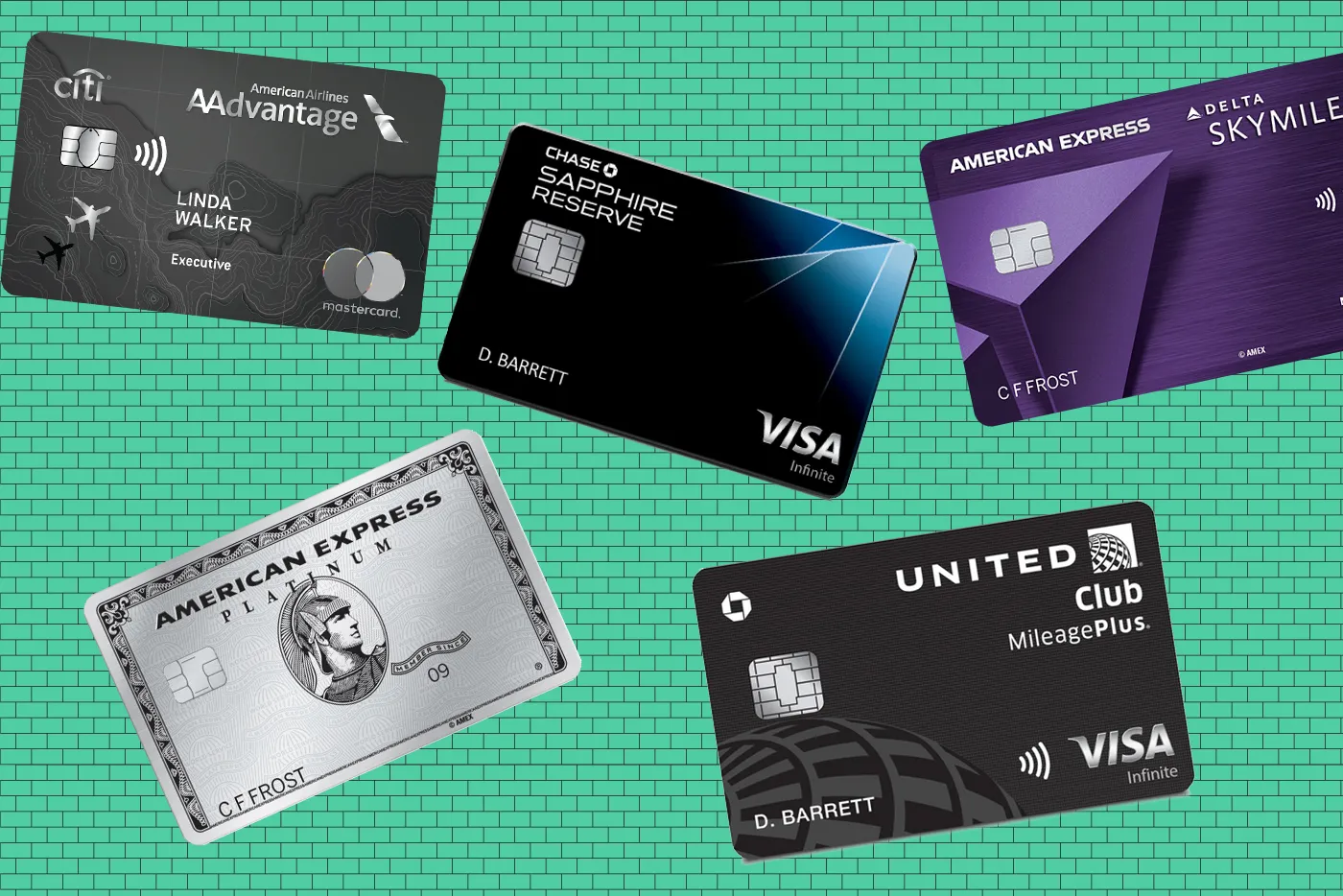
- Airline Co-branded Cards: Partner with specific airlines, offering perks like free checked bags, priority boarding, lounge access, and bonus miles on airline purchases.
- Hotel Co-branded Cards: Affiliated with hotel chains, providing benefits such as free night stays, elite status, and bonus points on hotel expenditures.
- General Travel Rewards Cards: Offer flexible points that can be transferred to various airline or hotel loyalty programs, used to book travel directly through the card issuer’s portal, or redeemed for statement credits against travel purchases. Many also include benefits like travel insurance, rental car insurance, and no foreign transaction fees.
Low APR and Balance Transfer Cards: Managing Debt Wisely
These cards are tailored for debt management and minimizing interest costs.
- Low APR Cards: Feature a consistently lower Annual Percentage Rate compared to standard credit cards. They are ideal if you anticipate carrying a balance from time to time, as they reduce the cost of borrowing.
- Balance Transfer Cards: Offer an introductory 0% APR period (typically 6 to 21 months) on transferred balances from other credit cards. This provides a crucial opportunity to pay down debt interest-free, though a balance transfer fee (usually 3-5% of the transferred amount) often applies. These are powerful tools for debt consolidation and accelerated repayment.
Secured Credit Cards: Building or Rebuilding Credit
For individuals with no credit history or poor credit, secured credit cards are often the gateway to establishing financial credibility.
- How They Work: You provide a security deposit (e.g., $200-$500), which typically becomes your credit limit. This deposit acts as collateral, mitigating risk for the issuer.
- Purpose: By making timely payments, you demonstrate responsible credit behavior, which is reported to credit bureaus, helping to build a positive credit history. After a period of responsible use, you may qualify for an unsecured card.
Student and Business Credit Cards: Tailored Solutions
These categories offer specialized features for specific demographics.
- Student Credit Cards: Designed for college students, often with lower credit limits and features geared toward first-time cardholders, helping them build credit responsibly.
- Business Credit Cards: Cater to small business owners, offering higher credit limits, detailed expense reporting, and rewards tailored to business spending, such as office supplies, internet services, or advertising.
Key Factors to Evaluate Before Applying
Once you’ve identified the general type of card that suits you, a deeper dive into the specific terms and conditions is essential to uncover the true value proposition of each offer.
Annual Fees: Is the Cost Worth the Benefits?
Many premium rewards and travel cards come with an annual fee, ranging from modest amounts to several hundred dollars.
- Justifying the Fee: An annual fee is only “worth it” if the value of the rewards, perks, and benefits you receive consistently exceeds the cost of the fee. For example, a card with a $95 annual fee might offer a free checked bag ($60 value per round trip) and travel insurance that could save you hundreds.
- No Annual Fee Cards: Many excellent cashback and low APR cards come with no annual fee, making them a safe and cost-effective option for many consumers, especially those new to credit or those who don’t spend enough to justify a fee.
Interest Rates (APR): The Price of Borrowing
The Annual Percentage Rate (APR) is the interest you’ll be charged if you carry a balance on your card.
- High APR Warning: If you ever anticipate carrying a balance, a high APR can quickly erode any rewards you might earn. Even if you plan to pay in full, unforeseen circumstances can lead to carrying a balance, making a lower APR a desirable feature.
- Introductory APRs: Be mindful of introductory 0% APR offers. Understand when the promotional period ends and what the standard variable APR will be afterward. This is particularly important for balance transfer cards.
Welcome Bonuses and Introductory Offers
Many cards entice new applicants with generous welcome bonuses – a lump sum of points, miles, or cashback earned after meeting a specific spending threshold within an initial period (e.g., spend $3,000 in the first 3 months to earn 50,000 bonus points).
- Strategic Acquisition: These bonuses can be incredibly valuable, sometimes worth hundreds of dollars. However, only pursue them if you can comfortably meet the spending requirement without overspending or going into debt.
- Beware of Churning: While tempting, repeatedly opening and closing credit cards solely for welcome bonuses (known as “churning”) can negatively impact your credit score and potentially lead to issuers denying future applications.
Perks, Protections, and Additional Benefits
Beyond rewards and interest rates, many credit cards offer a suite of valuable benefits that can provide convenience, savings, and peace of mind.
- Travel Protections: Trip cancellation/interruption insurance, lost luggage reimbursement, primary or secondary rental car insurance.
- Purchase Protections: Extended warranty, purchase protection (coverage against damage or theft for a period after purchase), return protection.
- Lifestyle Benefits: Airport lounge access, statement credits for specific services (e.g., streaming, dining delivery), concierge services, elite status at hotels or car rental agencies.
- Digital Security: Fraud protection, virtual card numbers, digital wallet compatibility.
Foreign Transaction Fees and International Use
If you travel internationally, paying attention to foreign transaction fees is crucial. Many cards charge a fee (typically 2.5% to 3%) on purchases made in a foreign currency or processed outside your home country. Opting for a card with no foreign transaction fees can save you a significant amount on international trips.
Beyond the Card: Responsible Credit Card Management
Choosing the “best” credit card is only half the battle; how you manage it determines its true impact on your financial health. Responsible usage is paramount to leveraging its benefits without falling into debt.
Paying Your Bill on Time and in Full
This is arguably the single most important aspect of responsible credit card use.
- Avoid Interest Charges: Paying your statement balance in full each month ensures you avoid interest charges, making your credit card essentially free to use for purchases.
- Build Positive Credit History: On-time payments are a major factor in your credit score, demonstrating reliability to lenders.
- Set Up Autopay: Consider setting up automatic payments for at least the minimum amount due to avoid missed payments, though aiming to pay the full balance automatically is ideal.
Understanding Your Credit Utilization Ratio
Your credit utilization ratio (CUR) is the amount of credit you’re using compared to your total available credit. For example, if you have a $5,000 credit limit and use $1,000, your CUR is 20%.
- Impact on Credit Score: A low CUR (generally below 30%) is favorable for your credit score. High utilization can signal financial distress to lenders and negatively impact your score.
- Strategic Spending: Even if you pay your bill in full, a high balance reported to the credit bureaus before your payment clears can temporarily increase your CUR. Try to keep your balances low, especially before your statement closes.
Monitoring Your Credit Report
Regularly reviewing your credit report from all three major bureaus (Equifax, Experian, TransUnion) is crucial for identifying errors, fraudulent activity, or signs of identity theft. You’re entitled to a free report from each bureau annually via AnnualCreditReport.com.
Avoiding Common Pitfalls
- Minimum Payments Trap: Paying only the minimum amount due can lead to significant interest accrual over time, extending the life of your debt for years.
- Opening Too Many Accounts: While tempting to chase bonuses, opening too many new credit lines in a short period can negatively impact your credit score due to multiple hard inquiries and potentially lower average age of accounts.
- Cash Advances: Cash advances come with high fees and immediate, often higher, interest rates, making them an expensive form of borrowing that should be avoided.
- Ignoring Terms and Conditions: Always read the fine print. Understand fees, APRs, grace periods, and how rewards are earned and redeemed.
Making Your Decision: A Strategic Approach to Card Selection
With a clear understanding of your needs, the types of cards available, and the critical factors to evaluate, you are well-equipped to make an informed decision.
Comparing Offers and Reading the Fine Print
- Utilize Comparison Tools: Many reputable financial websites offer comparison tools that allow you to filter cards by type, credit score requirement, annual fee, and rewards structure.
- Read Reviews: Look for unbiased reviews from financial experts and current cardholders to get a balanced perspective on a card’s real-world benefits and drawbacks.
- Focus on the Long-Term: Don’t be swayed solely by introductory offers. Consider the card’s ongoing value, annual fees, and regular APR after the promotional period ends. Ensure the rewards structure aligns with your consistent spending.
Seeking Expert Advice (Optional)
If you still feel overwhelmed, consider consulting a financial advisor. While they typically don’t recommend specific credit cards, they can help you solidify your financial goals and spending analysis, which can then guide your credit card choice.
The Application Process and What to Expect
- Online Applications: Most credit card applications are submitted online and often provide an instant decision.
- Required Information: You’ll typically need to provide personal details (name, address, date of birth, Social Security Number), income information, and employment status.
- Hard Inquiry: Submitting an application results in a “hard inquiry” on your credit report, which can temporarily (for a few months) lower your credit score by a few points. It’s wise to limit applications to only those cards you are serious about and likely to qualify for.
Ultimately, the “best” credit card is the one that seamlessly integrates into your financial life, offering benefits that resonate with your spending habits and financial goals, all while being managed responsibly. By taking a thoughtful, strategic approach, you can transform your credit card from a mere payment tool into a powerful instrument for financial growth and reward.
aViewFromTheCave is a participant in the Amazon Services LLC Associates Program, an affiliate advertising program designed to provide a means for sites to earn advertising fees by advertising and linking to Amazon.com. Amazon, the Amazon logo, AmazonSupply, and the AmazonSupply logo are trademarks of Amazon.com, Inc. or its affiliates. As an Amazon Associate we earn affiliate commissions from qualifying purchases.