
The quest for the “best camera” is a timeless pursuit, echoing through forums, review sites, and conversations among aspiring and seasoned photographers alike. Yet, the answer remains perpetually elusive, not because there isn’t a multitude of exceptional options, but because “best” is a deeply personal and contextual metric. In an era where imaging technology is constantly evolving, from pocket-sized supercomputers to sophisticated professional setups, understanding what truly constitutes the ideal camera requires a nuanced exploration of needs, technical specifications, and the diverse landscape of photographic tools available today. This article will dissect the concept of the “best camera” through a technological lens, guiding you to make an informed decision tailored to your unique photographic journey.
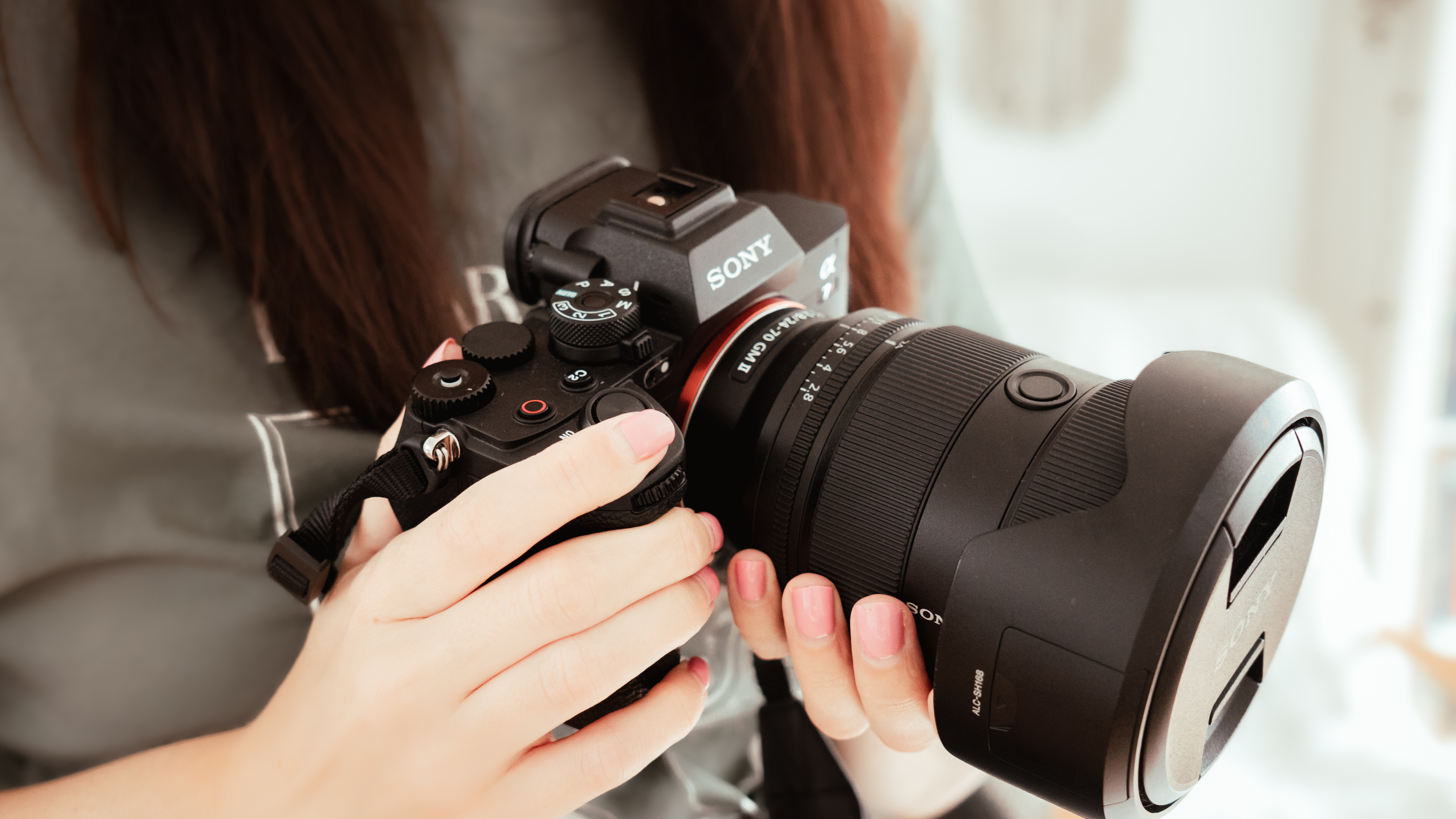
Defining “Best”: It’s Not a One-Size-Fits-All Answer
Before diving into specifications and models, it’s crucial to acknowledge that the “best camera” doesn’t exist in a vacuum. It’s a designation earned by the tool that most effectively meets an individual’s specific requirements, budget, and creative aspirations. What serves a professional sports photographer impeccably might be cumbersome for a travel blogger, and what delights a beginner might frustrate an experienced videographer.
Understanding Your Photographic Needs and Goals
The first step in identifying your ideal camera is an honest assessment of what you intend to shoot and how you intend to shoot it. Are you primarily interested in capturing family memories and everyday moments? Do you dream of wildlife photography, landscapes, portraits, or street photography? Perhaps you’re venturing into videography, vlogging, or content creation. Each of these disciplines places different demands on a camera’s capabilities, from autofocus speed and low-light performance to battery life and ergonomics.
For instance, a street photographer might prioritize a compact, discreet camera with fast autofocus and good low-light capabilities. A landscape photographer might seek high dynamic range, weather sealing, and a robust tripod mount. Someone focused on family photos might value simplicity, reliable face detection, and good in-camera stabilization. Clearly defining your primary use cases narrows down the vast array of choices significantly.
Budget Considerations and Value Proposition
Technology, especially cutting-edge camera gear, can represent a significant investment. Setting a realistic budget upfront is vital, not just for the camera body, but also for essential accessories like lenses, memory cards, extra batteries, and protective bags. The concept of “value” is paramount here. The most expensive camera isn’t always the best value for your money if its advanced features go unused. Conversely, opting for the cheapest option might lead to limitations that hinder your progress or enjoyment.
Modern camera systems, particularly mirrorless and DSLR, often involve an ecosystem of interchangeable lenses, which can quickly exceed the cost of the body itself. Considering the total system cost – body plus one or two key lenses – provides a more accurate picture of the financial commitment. Entry-level models, even from professional brands, often offer incredible performance for their price point, making them excellent starting places for those on a tighter budget.
Skill Level and Ease of Use
Your current photographic skill level also plays a significant role. Beginners might be overwhelmed by the myriad of controls and complex menus found on professional cameras. For them, an intuitive interface, good automatic modes, and helpful in-camera guides can be invaluable. Many modern cameras offer excellent “intelligent auto” modes that allow new users to focus on composition without being bogged down by technical settings.
As skills develop, photographers often crave more manual control, customizability, and access to advanced features. Cameras designed for enthusiasts and professionals offer extensive customization options, dedicated control dials, and robust menu systems that, once mastered, allow for incredibly precise control over the image-making process. Choosing a camera that offers room to grow without being overly complex from the outset is a smart strategy.
Key Camera Categories and Their Ideal Users
The evolution of digital imaging has resulted in a diverse market segmented by camera type, each with its own set of advantages and disadvantages. Understanding these categories is fundamental to making an informed decision.
Mirrorless Cameras: The Modern Hybrid
Mirrorless cameras have rapidly become the dominant force in the interchangeable lens market. By eliminating the mirror box found in DSLRs, they offer more compact and lighter bodies while still accommodating large sensors (APS-C or full-frame). They use an electronic viewfinder (EVF) that displays a real-time preview of the final image, including exposure and white balance adjustments, offering a “what you see is what you get” experience.
- Pros: Compact size, advanced autofocus systems (often superior to DSLRs for video and tracking), excellent video capabilities, high frame rates, silent shooting options.
- Cons: Battery life can be shorter due to constant EVF/LCD use, fewer native lens options (though rapidly growing and adapters exist), sometimes higher price points for equivalent features.
- Ideal for: Enthusiasts, professionals, videographers, content creators, travel photographers who prioritize portability without sacrificing image quality or lens flexibility.
DSLRs: The Enduring Workhorse
Digital Single-Lens Reflex (DSLR) cameras utilize a mechanical mirror system to reflect light from the lens into an optical viewfinder (OVF). This provides a bright, direct view of the scene without any electronic lag. While their market share is declining, DSLRs still offer compelling value, especially in the used market, and boast extensive lens ecosystems.
- Pros: Robust build quality, excellent battery life (OVF consumes no power), vast and mature lens ecosystems, often more ergonomic for larger hands, attractive price-to-performance ratio for entry-level and enthusiast models.
- Cons: Larger and heavier than mirrorless counterparts, autofocus can be less advanced for video, more mechanical parts (mirror slap, shutter noise), OVF doesn’t show real-time exposure changes.
- Ideal for: Photographers with existing DSLR lens collections, those who prefer an optical viewfinder, budget-conscious users seeking proven technology, professionals who value ruggedness and battery life.
Compact Cameras: Portability and Simplicity
Compact cameras, often called point-and-shoots, integrate a fixed lens into a small, lightweight body. While many have been supplanted by smartphones, premium compacts with larger sensors (1-inch or APS-C) and fast, high-quality fixed lenses still cater to a niche demanding superior image quality and control over a smartphone, in a pocketable form factor.
- Pros: Extremely portable, simple to operate, often good image quality for their size, some have advanced features like manual controls and fast lenses.
- Cons: Fixed lens limits versatility, smaller sensors generally offer less low-light performance than mirrorless/DSLR, limited upgrade path.
- Ideal for: Casual photographers, travelers prioritizing minimal bulk, street photographers wanting a discreet camera, those who value simplicity and portability above all else.
Smartphones: The Ubiquitous Imaging Device
While not a “camera” in the traditional sense, modern smartphones are undeniable photographic powerhouses. Computational photography, multiple lenses, and advanced AI processing allow them to capture stunning images and video that rival dedicated cameras in many scenarios, especially in good lighting.
- Pros: Always with you, instant sharing, incredibly convenient, advanced computational photography features (HDR, Portrait Mode), excellent video stabilization.
- Cons: Small sensors limit low-light performance and dynamic range compared to dedicated cameras, fixed lenses (though multiple focal lengths are common), limited manual control, ergonomic challenges for dedicated photography.
- Ideal for: Everyday photography, social media content, casual videography, quick captures, anyone who values ultimate convenience and connectivity.
Action Cameras: For the Adventurous Spirit
Built for rugged environments and dynamic activities, action cameras are small, waterproof, and shockproof devices designed to capture immersive first-person perspectives. They excel at wide-angle video and stills in challenging conditions.
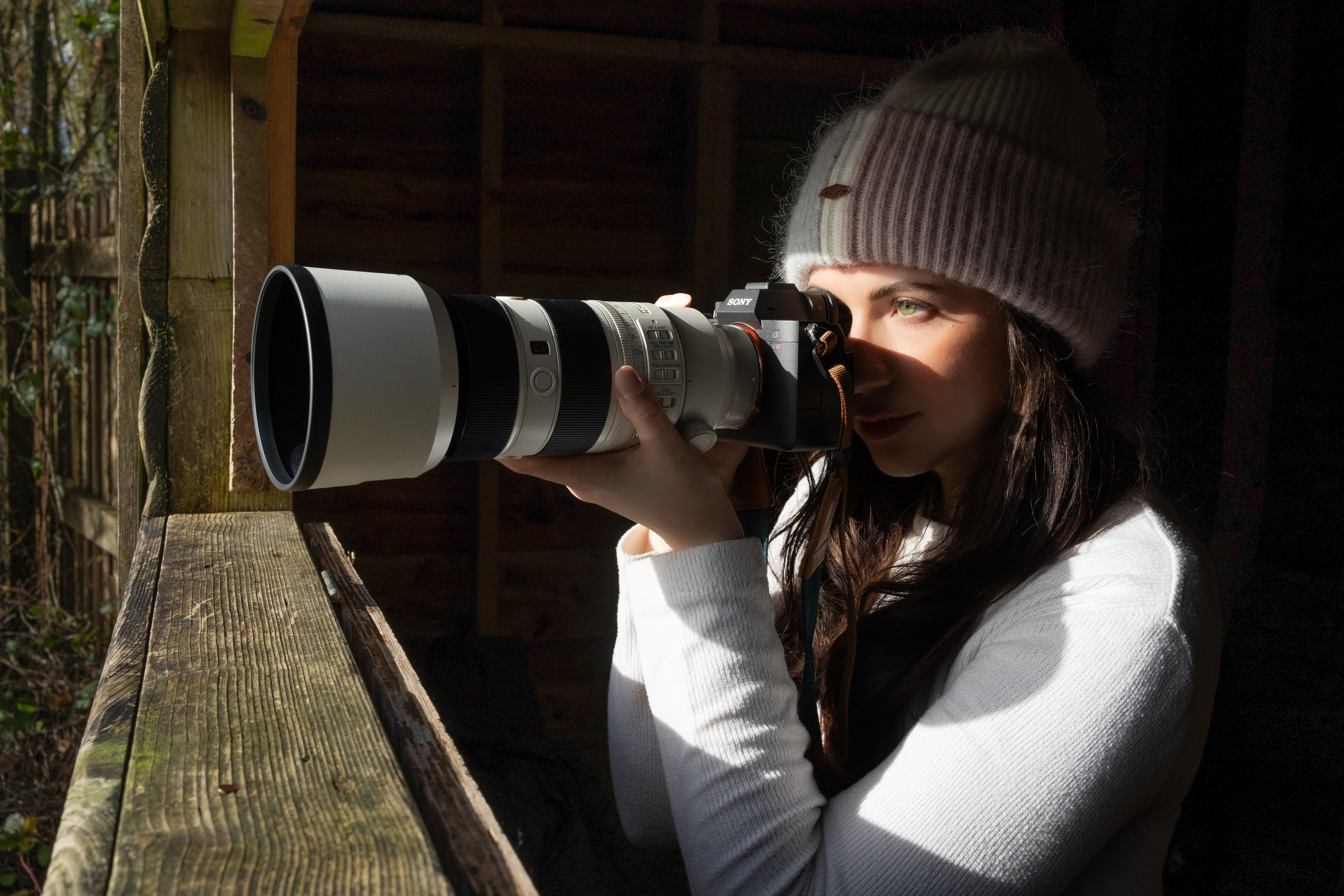
- Pros: Extremely durable and rugged, waterproof without external housing, wide-angle perspective, excellent video stabilization, compact size, easy to mount.
- Cons: Small sensors, limited zoom, less versatile for traditional photography, often poor low-light performance.
- Ideal for: Sports enthusiasts, adventurers, vloggers (especially travel/action), anyone needing a camera for extreme conditions.
Essential Technical Specifications to Consider
Once you’ve narrowed down the category, delving into key technical specifications will help differentiate between models within that category.
Sensor Size: The Heart of Image Quality
The sensor is arguably the most critical component of a digital camera, responsible for capturing light and converting it into an image. Larger sensors (like full-frame, APS-C, or Micro Four Thirds) generally offer superior image quality, especially in low light, producing less noise and greater dynamic range. They also allow for shallower depth of field (more background blur) with equivalent apertures.
- Full-Frame: The gold standard for professional image quality, best low-light, shallow depth of field.
- APS-C: Excellent balance of quality, size, and cost, very capable for most users.
- Micro Four Thirds: Smaller than APS-C but still capable, allows for very compact camera and lens systems.
- 1-inch/Smaller: Found in compacts and smartphones, good for convenience but with inherent quality limitations compared to larger sensors.
Megapixels: More Isn’t Always Better (But It Helps)
Megapixels determine the resolution of your image. While a higher megapixel count allows for larger prints and more aggressive cropping, it’s not the sole determinant of image quality. A sensor with fewer, larger pixels can often outperform a sensor with more, smaller pixels in low light, as larger pixels gather more light. For most users, 20-30 megapixels is ample for large prints and detailed viewing. Only professional printmakers or those who crop extensively truly need significantly higher counts.
Lens Ecosystem: The Photographer’s Toolkit
For interchangeable lens cameras, the availability and quality of lenses are just as important as the camera body itself. Lenses dictate perspective, aperture, and often have a greater impact on image quality than the body. Consider the range of lenses available for a given camera mount, including prime lenses (fixed focal length), zoom lenses, macro lenses, and specialized optics. Also, factor in third-party lens manufacturers, which often offer excellent value alternatives.
Autofocus System: Speed and Precision
A camera’s ability to quickly and accurately focus on subjects is paramount, especially for action, portraits, or moving subjects. Modern autofocus systems utilize various technologies (phase-detection, contrast-detection, hybrid systems) to achieve rapid and reliable focus. Look for features like eye-AF, subject tracking, and a large number of AF points spread across the sensor. For video, smooth and silent continuous autofocus is a huge advantage.
Video Capabilities: Beyond Still Images
In today’s multimedia world, video performance is a critical specification for many users. Look for cameras capable of 4K resolution at desired frame rates (e.g., 24p, 30p, 60p), internal image stabilization, log profiles for color grading, and external audio input options. High frame rates (120p or 240p) are desirable for slow-motion effects.
Ergonomics and Build Quality: Comfort and Durability
How a camera feels in your hands, the intuitive placement of controls, and its overall construction can significantly impact the shooting experience. Look for a comfortable grip, well-placed dials and buttons, and a robust build, especially if you plan to shoot in challenging environments. Weather sealing can be crucial for outdoor photographers.
Top Camera Recommendations for Various Scenarios
Based on the above considerations, here are general recommendations for different types of photographers, without naming specific models which become quickly outdated. Instead, we refer to common market segments and features you’d find there.
Best for Beginners and Casual Shooters
Look for entry-level mirrorless cameras or premium compacts. These typically offer good auto modes, intuitive touchscreens, reliable autofocus, and often come bundled with a versatile kit lens. They are designed to be easy to pick up and use, while still providing the image quality leap over smartphones. Prioritize user-friendly interfaces and robust in-camera help features.
Best for Enthusiasts and Hobbyists
Mid-range mirrorless or advanced DSLR cameras are ideal. These offer a significant step up in image quality (often APS-C or full-frame sensors), more advanced controls, faster autofocus, and access to a wider range of lenses. They provide the flexibility to grow with your skills and experiment with various photographic genres. Look for excellent low-light performance, solid video features, and good customization options.
Best for Professionals and Dedicated Creators
High-end full-frame mirrorless cameras are the standard here. These cameras boast cutting-edge autofocus, exceptional low-light performance, high-resolution sensors, robust video capabilities (including professional codecs and external recording options), and weather-sealed, durable bodies. The professional segment also demands a comprehensive lens ecosystem, robust battery life, and reliable performance in demanding situations.
Best for Travel and Vlogging
Compact mirrorless cameras with a good kit lens, or premium compacts, strike an excellent balance between portability and image quality. Key features include good in-body image stabilization (IBIS), reliable video autofocus, flip-out screens for vlogging, and excellent battery life. Action cameras are also invaluable for adventure travel and unique perspectives.
The Future of Photography: Trends and Innovations
The camera landscape is never static. Future advancements promise even more intelligent and capable devices. We can expect further integration of computational photography from smartphones into dedicated cameras, enhanced AI for autofocus and image processing, and increasingly seamless connectivity for immediate sharing and cloud integration. Specialized cameras for virtual and augmented reality are also emerging. The “best” camera tomorrow might be one that doesn’t fully exist today, but the fundamental principles of understanding your needs and the technological offerings will always remain the bedrock of a wise purchasing decision.
Ultimately, the best camera isn’t a single device, but the one that empowers you to capture your vision most effectively and enjoyably. By thoughtfully considering your needs, budget, skill level, and the technical specifications across the various camera categories, you can confidently navigate the modern photographic landscape and find the perfect tool to bring your creative aspirations to life.
aViewFromTheCave is a participant in the Amazon Services LLC Associates Program, an affiliate advertising program designed to provide a means for sites to earn advertising fees by advertising and linking to Amazon.com. Amazon, the Amazon logo, AmazonSupply, and the AmazonSupply logo are trademarks of Amazon.com, Inc. or its affiliates. As an Amazon Associate we earn affiliate commissions from qualifying purchases.