
In the world of consumer goods, few products are as ubiquitous or as seemingly indistinguishable as the humble potato. Yet, when a consumer asks, “What is the best baking potato?” they are not merely inquiring about starch content or cellular structure. They are responding to decades of sophisticated brand strategy, geographical positioning, and market education.
To the uninitiated, a potato is a commodity—a low-margin, interchangeable vegetable. To a brand strategist, however, the quest for the “best” baking potato represents a pinnacle of corporate identity and value-added marketing. The transformation of the Russet Burbank from a generic tuber into the “Gold Standard” of the culinary world offers profound insights into how brands can dominate a category through consistency, intellectual property protection, and emotional resonance.
The Anatomy of a Category Leader: Beyond the Tuber
The identification of the Russet Burbank as the ultimate baking potato did not happen by accident. It was the result of a deliberate effort to elevate a functional product into a branded experience. In brand strategy, “the best” is rarely a purely objective measurement; it is a perception built on the pillars of reliability and recognition.
The Power of Geographical Indication: The Idaho Case Study
Perhaps no organization has mastered the art of “Commodity Branding” better than the Idaho Potato Commission (IPC). By securing a Federal Certification Mark, they moved the potato out of the realm of generic produce and into the realm of a protected brand. When consumers look for the “best” baking potato, they are conditioned to look for the “Grown in Idaho” seal.
This is a masterclass in geographical branding. By associating a specific territory with a specific quality—in this case, high solids and low moisture—the IPC created a barrier to entry for competitors. It transformed a generic “Russet” into a premium “Idaho Potato.” For brand managers, the lesson is clear: if you can own the origin story of your product, you can own the market’s perception of quality.
Consistency as a Brand Promise
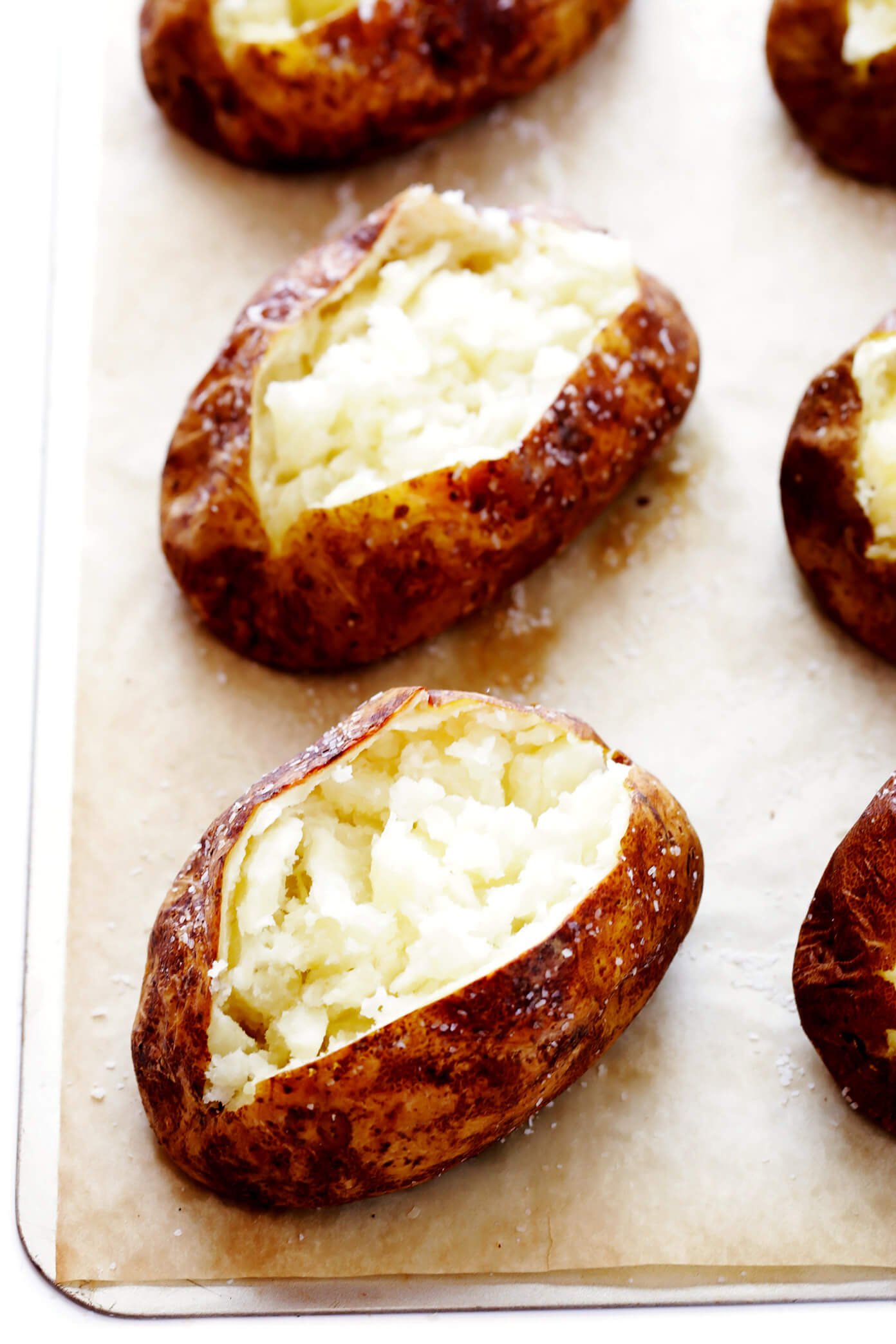
A brand is essentially a promise of a consistent experience. The “best” baking potato is the one that performs exactly the same way every time it is placed in an oven. The Russet Burbank earned its status because of its predictable reaction to high heat: a thick skin that crisps and an interior that becomes light and mealy.
In branding, consistency is the antidote to consumer anxiety. By standardizing the output of thousands of disparate farms, the industry created a “predictable product.” Whether you are a home cook or a procurement manager for a global steakhouse chain, the “best” potato is the one that eliminates the risk of failure. This reliability is the foundation of brand equity.
Positioning the Russet: The Functional vs. Emotional Sell
Effective brand strategy requires balancing the functional benefits of a product with its emotional appeal. The baking potato market is bifurcated between these two poles, and the “best” potato is the one that successfully navigates both.
Utility Branding: Solving the “Fluffy” Problem
The functional positioning of the baking potato focuses on “The Fluff Factor.” High-starch potatoes like the Russet are marketed as a solution to the “soggy potato” problem. This is a classic “Problem/Solution” marketing framework. By identifying a common pain point in the kitchen—dense, waxy potatoes that don’t absorb butter—the industry positioned the Russet as the definitive technological solution for the oven.
This utility-driven branding focuses on the “science” of the bake. Marketing materials often highlight the specific gravity and starch-to-water ratio of the potato, appealing to the consumer’s desire for professional-grade results. When a product is positioned as a “tool” for success, it justifies a premium price point over generic “all-purpose” alternatives.
Building the “Comfort Food” Narrative
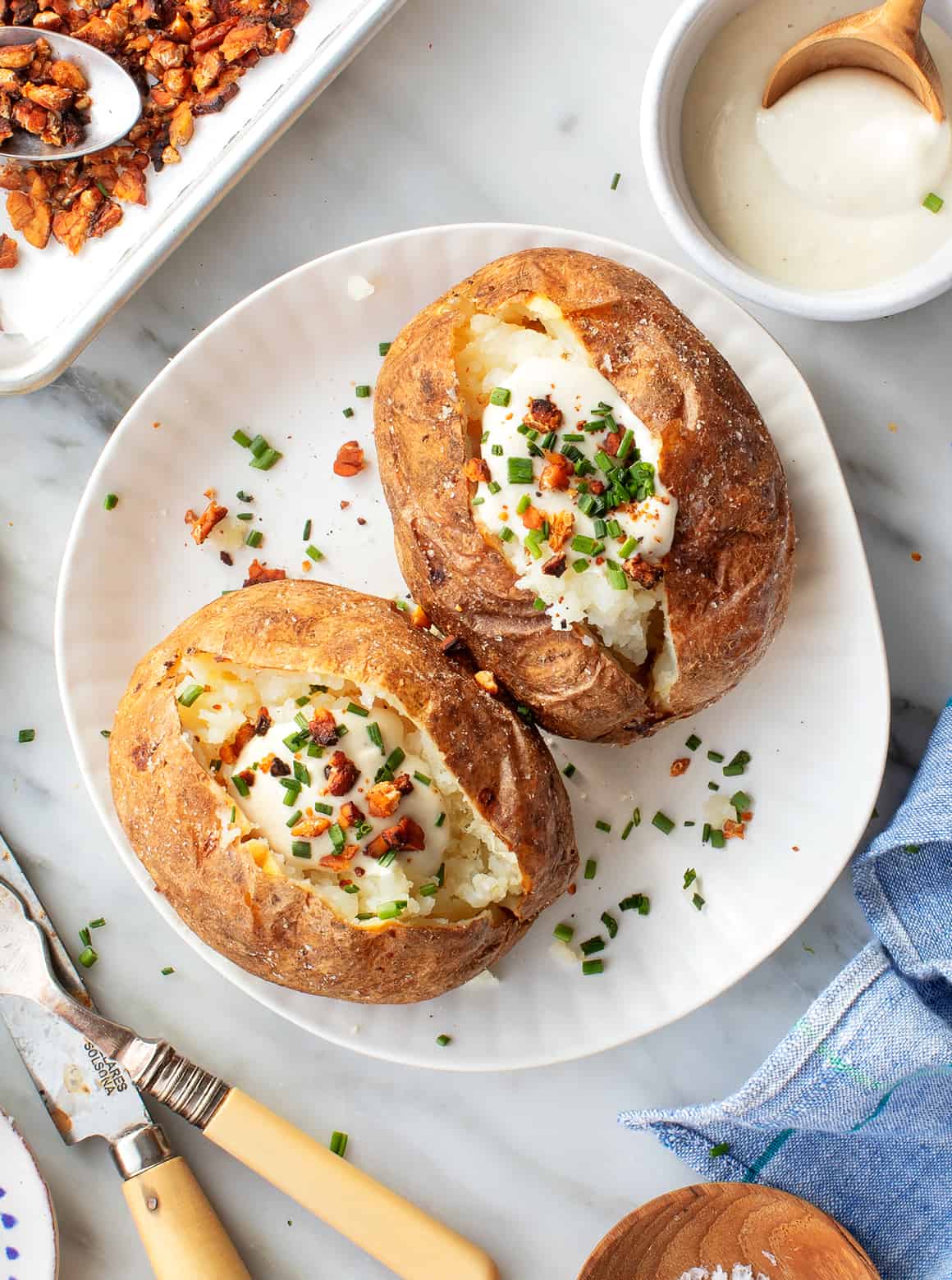
Beyond the science lies the emotion. The “best” baking potato is synonymous with the concept of the “Loaded Baked Potato”—an icon of Western comfort food. Brand strategists have successfully tied the Russet Burbank to the imagery of the family dinner, the holiday feast, and the rustic steakhouse.
This emotional tie-in is vital. Brands that evoke a sense of nostalgia or “home” create a deeper psychological bond with the consumer. The baking potato isn’t just a side dish; it is a vessel for toppings, a centerpiece for customization, and a symbol of hearty satisfaction. By branding the potato as the “Ultimate Vessel,” marketers have made it indispensable to the consumer’s lifestyle.

Supply Chain as Brand Strategy: The Logistics of Quality
A brand is only as good as its availability and its condition at the point of sale. In the agricultural sector, the supply chain is the brand strategy. The reason the Russet remains the “best” in the minds of consumers is due to a sophisticated logistics network that ensures year-round availability and uniform sizing.
Ensuring Uniformity in a Natural Product
In any other industry, this is called Quality Control (QC). In the potato industry, it involves massive investments in sorting technology and climate-controlled storage. The “best” potato brands are those that can deliver a “Count Box”—a box of potatoes where every single unit is the exact same size and weight.
For the B2B brand (selling to restaurants), this uniformity is the primary value proposition. A chef needs to know that every “baked potato” on the menu will cook in the same amount of time. By mastering the logistics of uniformity, the top potato brands have secured their place in the professional kitchen, which in turn reinforces their status among home consumers who want to emulate the restaurant experience.
Retail Partnerships and Shelf-Space Dominance
The “best” baking potato is also the one that is most visible. Through strategic partnerships with major grocery retailers, leading potato brands ensure they occupy the “eye-level” real estate in the produce section. This is supported by point-of-sale (POS) materials that educate the consumer on why they should choose a specific variety for baking versus boiling.
Brand strategy in the produce aisle is often a battle of education. By providing clear signage and recipe suggestions, brands reduce the “cognitive load” for the shopper. When the store label or the branded bag explicitly says “Best for Baking,” the decision-making process is bypassed, and brand loyalty is forged through convenience.
Modern Challenges: Rebranding the Potato for the Digital Age
As consumer preferences shift toward health, sustainability, and “low-carb” lifestyles, the traditional baking potato faces new challenges. To remain the “best,” the brand must evolve. This requires a shift from focusing purely on taste and texture to focusing on corporate social responsibility (CSR) and digital engagement.
Sustainable Sourcing as a Core Identity
Today’s “best” brand is often the one with the smallest carbon footprint or the most transparent supply chain. The potato industry is currently undergoing a massive rebranding effort centered on “Regenerative Agriculture.” By highlighting water conservation, soil health, and reduced pesticide use, brands are appealing to the Gen Z and Millennial demographic.
This is a move from “Product-Centric” branding to “Value-Centric” branding. The question for the consumer is no longer just “Which potato tastes best?” but “Which potato brand aligns with my values?” Brands that fail to communicate their environmental impact risk being commoditized once again.
Social Media and the Influencer “Side Dish” Economy
The “best” baking potato is now frequently determined by what is trending on TikTok or Instagram. Whether it’s the “Hasselback” technique or the “Smashed Potato” craze, digital virality has a massive impact on market demand.
Savvy brand strategists are now partnering with culinary influencers to “re-discover” the baking potato. By showcasing the Russet in modern, visually stunning ways, they are keeping the product relevant in a fast-moving digital culture. The “best” potato is the one that looks the most “Instagrammable” when sliced open and topped with artisanal ingredients. This digital strategy ensures that a centuries-old crop remains a staple in the modern, influencer-driven pantry.
Conclusion: The Enduring Legacy of the Branded Spud
When we analyze “what is the best baking potato,” we are looking at the culmination of strategic branding. It is a story of how a basic agricultural product was transformed into a premium, protected, and emotionally resonant brand. Through geographical protection, consistency of experience, functional positioning, and logistical excellence, the Russet potato—specifically those under the Idaho banner—has maintained a decades-long monopoly on the “best” title.
In any industry, the “best” is a title that must be defended every day. As market dynamics shift toward sustainability and digital influence, the brands that continue to innovate their identity while staying true to their core promise of quality will remain the “best” in the hearts—and ovens—of consumers worldwide. The baking potato isn’t just a vegetable; it is a masterclass in how to build a brand that lasts.
aViewFromTheCave is a participant in the Amazon Services LLC Associates Program, an affiliate advertising program designed to provide a means for sites to earn advertising fees by advertising and linking to Amazon.com. Amazon, the Amazon logo, AmazonSupply, and the AmazonSupply logo are trademarks of Amazon.com, Inc. or its affiliates. As an Amazon Associate we earn affiliate commissions from qualifying purchases.