
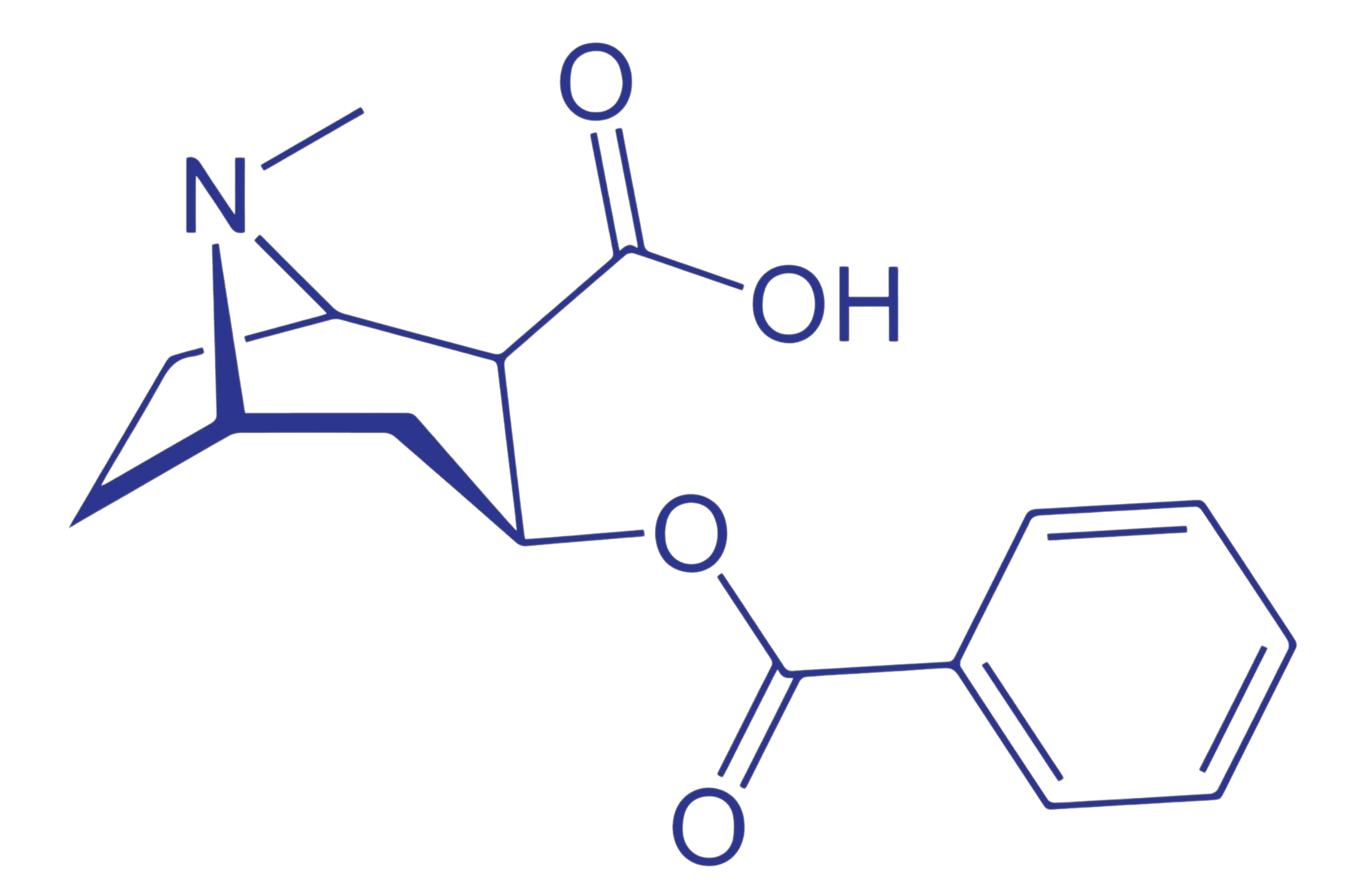
In the landscape of modern forensic science and clinical diagnostics, the ability to identify specific chemical markers within the human body has reached an unprecedented level of accuracy. At the center of many high-stakes screenings—ranging from professional sports compliance to corporate safety protocols—is a specific metabolite known as benzoylecgonine. While the substance itself is a biological byproduct, the methods used to locate, quantify, and verify its presence are rooted in some of the most sophisticated technology available today.
Understanding what benzoylecgonine is found in requires more than a simple chemical definition; it requires an exploration of the hardware, software, and data security frameworks that define the current era of analytical chemistry. As technology continues to evolve, the tools used to detect this metabolite are becoming faster, more sensitive, and increasingly integrated into digital health ecosystems.

The Hardware of Detection: Advanced Mass Spectrometry and Chromatography
The primary environment where benzoylecgonine is “found” is within biological matrices such as urine, blood, hair, and oral fluid. However, finding a few nanograms of a metabolite in a complex biological sample is a monumental task that requires high-end laboratory hardware. The gold standard in this field is the combination of Gas Chromatography (GC) or Liquid Chromatography (LC) with Mass Spectrometry (MS).
Gas Chromatography-Mass Spectrometry (GC-MS)
GC-MS is often referred to as the “Supreme Court” of analytical chemistry. In the context of detecting benzoylecgonine, the technology works by first vaporizing the sample. The gas chromatograph separates the various components of the sample based on their volatility and interaction with a stationary phase inside a column. Once separated, the components enter the mass spectrometer, which bombards the molecules with electrons, breaking them into ionized fragments.
For benzoylecgonine, the tech looks for a specific “fragmentation pattern” or molecular fingerprint. Because every chemical has a unique way of breaking apart, the mass spectrometer can identify the presence of benzoylecgonine with nearly 100% certainty, even in a sample containing thousands of other compounds. This hardware is the backbone of the forensic tech industry, providing the empirical data necessary for legal and professional determinations.
Liquid Chromatography-Tandem Mass Spectrometry (LC-MS/MS)
While GC-MS is powerful, the tech sector has seen a significant shift toward LC-MS/MS for detecting metabolites like benzoylecgonine. Unlike GC-MS, which requires the sample to be volatile (often requiring a “derivatization” step that adds complexity), LC-MS can analyze samples in a liquid state.
The “tandem” aspect (MS/MS) refers to two stages of mass spectrometry. The first stage selects the benzoylecgonine molecule, and the second stage breaks it down further to confirm its identity. This “double-check” technology allows for extreme sensitivity, enabling labs to detect substances at concentrations as low as one part per billion. For tech-driven diagnostic labs, LC-MS/MS represents the peak of high-throughput efficiency and precision.
Software and Data Analytics in Forensic Toxicology
The hardware provides the raw data, but the “finding” of benzoylecgonine happens within the software. Modern laboratories rely on sophisticated algorithmic suites to interpret the massive amounts of data generated during a single scan. Without these digital tools, the raw output of a mass spectrometer would be a confusing “forest” of peaks and valleys.
Algorithmic Pattern Recognition and Spectral Libraries
The most critical software component in identifying benzoylecgonine is the spectral library. These are massive digital databases—such as those maintained by the National Institute of Standards and Technology (NIST)—that contain the digital signatures of hundreds of thousands of compounds.
When a sample is processed, the software uses pattern-matching algorithms to compare the unknown peaks in the sample against the known signature of benzoylecgonine. High-end software can now automate this process, using machine learning to filter out “noise” (background interference from the sample matrix) and provide a confidence score for the match. This reduces human error and allows technicians to process thousands of samples per day with high fidelity.
Laboratory Information Management Systems (LIMS)
In the tech world of diagnostics, the data doesn’t just exist in a vacuum. Laboratory Information Management Systems (LIMS) are the software platforms that manage the “chain of custody” for every sample. From the moment a vial is barcoded to the moment a final report is issued, LIMS tracks every interaction.
For substances like benzoylecgonine, which often carry significant legal or professional consequences, the LIMS ensures that the data is encrypted, time-stamped, and audit-ready. This digital infrastructure is what allows a lab result to hold up in a court of law or an Olympic hearing. It integrates the raw chemical data with patient or subject metadata, ensuring that the right result is matched to the right individual with zero manual entry errors.
The Intersection of AI and Bio-Monitoring
As we look toward the future of where benzoylecgonine is found, the focus is shifting from reactive laboratory testing to proactive, AI-driven monitoring. The integration of Artificial Intelligence (AI) and the Internet of Medical Things (IoMT) is changing the speed at which metabolic data is processed and understood.
Predictive Modeling for Metabolism Rates
One of the historical challenges in toxicology is determining the window of detection. AI models are now being developed to predict how long benzoylecgonine will remain detectable in an individual’s system based on their unique physiological data. By analyzing variables such as body mass index (BMI), hydration levels, metabolic rate, and even genetic markers, AI can provide a more nuanced interpretation of a positive result.
In a professional tech setting, this means that a “positive” result for benzoylecgonine can be contextualized. Software can help experts determine if the presence of the metabolite suggests recent use or if it is a lingering trace from a much earlier timeframe. This level of granular analysis is only possible through the processing power of modern cloud computing.
Blockchain and the Security of Diagnostic Results
Because the presence of benzoylecgonine is highly sensitive information, the tech industry is exploring blockchain as a method for securing diagnostic records. A “digital health wallet” powered by blockchain could allow an individual to share their verified test results with an employer or a sports federation without the risk of the data being tampered with or leaked.
The immutable nature of blockchain ensures that the result—whether found via GC-MS or LC-MS/MS—cannot be altered after it is recorded. This creates a “trustless” system where the technology itself guarantees the integrity of the finding, removing the need for third-party verification and reducing the administrative overhead of compliance.
Future Trends: Wearable Tech and Non-Invasive Detection
While benzoylecgonine is traditionally found in lab-analyzed fluids, the next frontier of tech is moving toward “point-of-care” and wearable sensors. The goal is to move the lab to the person, rather than the person to the lab.
Smart Sensors and Real-Time Bio-Feedback
Recent developments in biosensor technology have led to the creation of patches and wearables capable of detecting metabolites in sweat. These devices use microfluidic channels to capture tiny amounts of perspiration and use electrochemical sensors to identify specific molecules.
Though still in the developmental and pilot stages for many specific metabolites, the technology is rapidly approaching a point where benzoylecgonine could be detected in real-time. For industries that require constant safety monitoring—such as commercial aviation or heavy machinery operation—this wearable tech offers a continuous stream of data rather than the “snapshot” provided by a traditional urine test.
Telehealth Integration and Digital Compliance
The final piece of the modern detection puzzle is the integration of these findings into telehealth platforms. As remote work and decentralized clinical trials become the norm, the technology used to find substances like benzoylecgonine is becoming more portable.
Apps that connect to mobile testing kits use facial recognition and GPS tagging to ensure that the person taking the test is who they say they are and that the sample is being collected in a verified location. This “digital compliance” stack allows for high-integrity testing to occur anywhere in the world, with results uploaded to the cloud and analyzed by AI in a matter of minutes.
Conclusion: The Digital Evolution of Chemical Analysis
What benzoylecgonine is “found” in is, at its simplest level, a biological sample. However, through the lens of technology, it is found within a complex web of mass spectrometry hardware, pattern-matching software, secure LIMS databases, and emerging AI models.
The shift from manual laboratory work to automated, high-precision tech has transformed toxicology from a slow, error-prone process into a streamlined digital discipline. As we move toward a future of wearable sensors and blockchain-verified health data, the tech behind detecting such metabolites will continue to provide the bedrock of accuracy and security that modern society requires for safety, fairness, and health management.
aViewFromTheCave is a participant in the Amazon Services LLC Associates Program, an affiliate advertising program designed to provide a means for sites to earn advertising fees by advertising and linking to Amazon.com. Amazon, the Amazon logo, AmazonSupply, and the AmazonSupply logo are trademarks of Amazon.com, Inc. or its affiliates. As an Amazon Associate we earn affiliate commissions from qualifying purchases.