
Benedictine stands as a masterclass in brand longevity, serving as an essential case study for heritage marketing in the spirits industry. While many products fade as consumer trends shift, Benedictine has maintained a premium position in the global market for over five centuries. Understanding this liqueur requires looking past the liquid itself and examining the deliberate brand strategy that balances mystical storytelling with rigorous intellectual property protection.
The Architecture of Heritage Branding
At the core of Benedictine’s market dominance is a narrative structure that leans heavily into the “provenance” archetype. The brand’s identity is inextricably linked to the legend of the Benedictine monks of Fécamp Abbey in Normandy. By anchoring the brand in a 1510 creation date, the company creates a sense of “timeless authority.”

The Strategic Value of the Secret Recipe
From a brand strategy perspective, the “secret recipe” is not just a marketing gimmick; it is the cornerstone of the brand’s exclusivity. By claiming a proprietary blend of 27 herbs and spices, the brand creates a barrier to entry that competitors cannot replicate. This is a classic example of “Product-as-Brand.” The secrecy surrounding the production process prevents commoditization, allowing the brand to maintain premium pricing tiers regardless of economic fluctuations.
Visual Identity and Symbolic Consistency
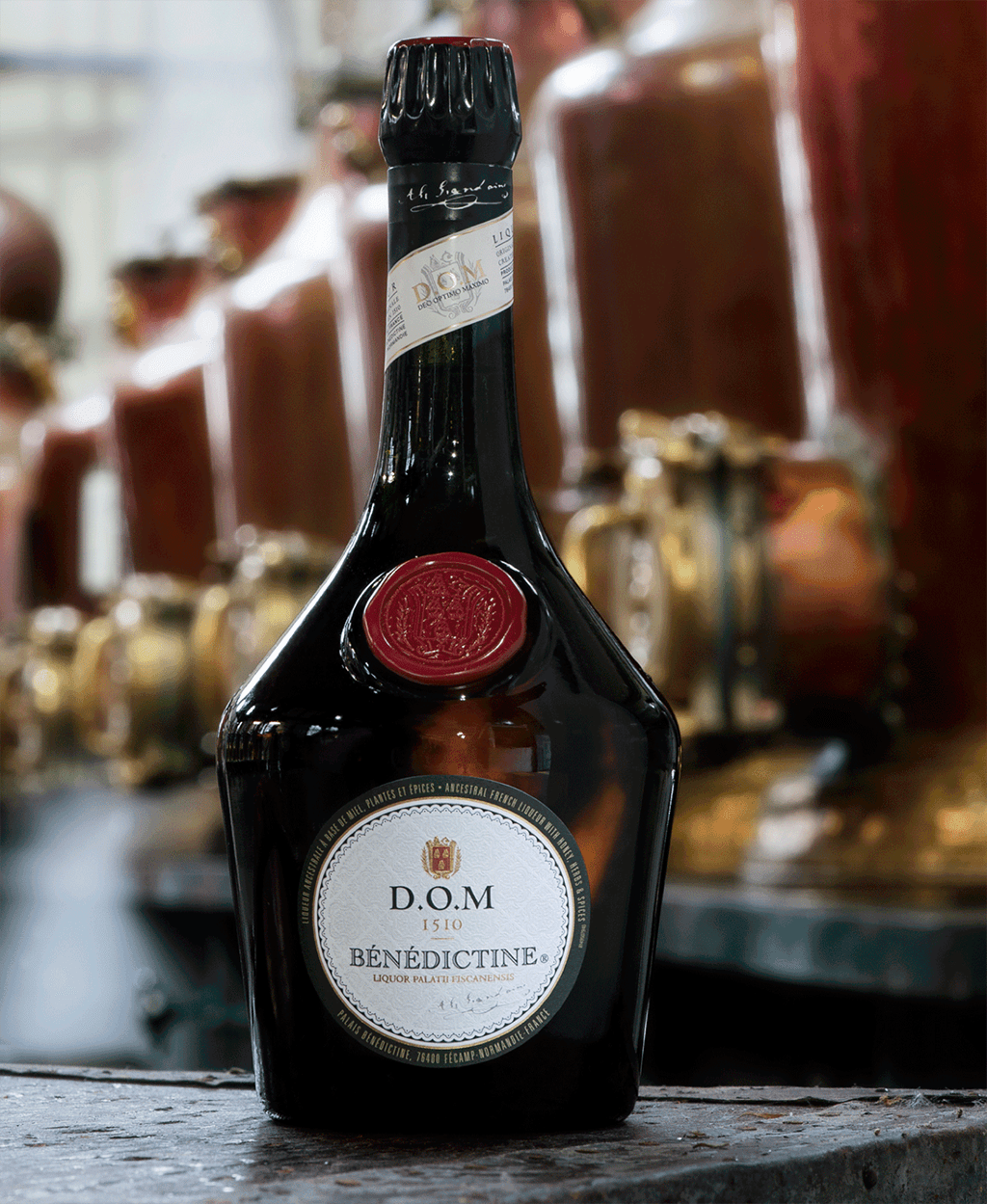
The visual identity of Benedictine is a masterclass in continuity. The distinctive bottle shape, the seal of the Benedictine order, and the signature “D.O.M.” (Deo Optimo Maximo—To God, Most Good, Most Great) serve as powerful visual shorthand for quality and tradition. In the luxury spirits sector, these visual cues act as trust signals. Even as the brand has moved through different corporate ownership structures, the design language has remained tethered to its monastic roots, ensuring that the brand equity built over generations is never diluted.
Marketing Through Exclusivity and Sophistication
Benedictine employs a “Pull Strategy” that focuses on positioning itself as a connoisseur’s choice rather than a mass-market beverage. By targeting high-end bars, mixologists, and cocktail historians, the brand ensures its presence in the most influential environments, which in turn elevates its status among the general public.
The Role of Mixology as a Brand Channel
The brand’s resurgence in the 21st century is largely attributed to its strategic alignment with the “Golden Age of Cocktails.” By becoming an indispensable ingredient in classic cocktails like the Vieux Carré and the Singapore Sling, Benedictine has secured a permanent spot in the professional bartender’s toolkit. This is a sophisticated form of B2B marketing: by positioning the product as an essential component of professional performance, the brand ensures that it remains relevant to the next generation of consumers.
Cultural Positioning and Prestige
Benedictine does not market itself as a party drink; it markets itself as a ritual. The brand’s marketing materials often emphasize the complexity and “savory” notes of the liqueur, framing it as an intellectual experience rather than a casual one. This positioning appeals to the sophisticated consumer who values the history behind the product. By associating the brand with culinary excellence and refined lifestyle choices, the marketing team successfully elevates the brand from a simple beverage to a lifestyle accessory.

Intellectual Property and Corporate Identity
The survival of a brand as old as Benedictine is not an accident of history; it is the result of disciplined corporate oversight. The company has navigated centuries of industry consolidation while successfully guarding its reputation.
Protecting the Brand Archetype
One of the most interesting aspects of the Benedictine case study is how the brand manages its “monastic” identity within a corporate structure. Modern spirits conglomerates often struggle to maintain the “soul” of a historic brand after acquisition. Benedictine, however, has maintained its identity by keeping the production process localized and protecting its geographic and historical claims. This intentional separation between corporate ownership and brand lore is a crucial lesson for any brand trying to preserve its legacy during a merger or acquisition.
The “D.O.M.” Advantage
The use of the “D.O.M.” emblem serves as an unofficial trademark that signifies quality. In branding, this is known as “borrowed credibility.” By leveraging the historical weight of the Church and monastic tradition, the brand instantly bypasses the “new product” skepticism that plagues most startups. It is an identity that commands respect without needing to explicitly state why—it simply exists, and the consumer is expected to acknowledge its stature.
Global Distribution and Modern Adaptation
While rooted in history, Benedictine remains a modern commercial entity. Its ability to adapt to changing consumer habits—such as the shift toward lower-ABV drinks or the rise of the at-home cocktail enthusiast—shows that even the most “traditional” brands must be agile.
Navigating Premiumization Trends
The global spirits market has seen a significant shift toward “premiumization,” where consumers are willing to pay more for products that tell a compelling story. Benedictine is perfectly positioned for this environment. Its price point reflects its history, its exclusivity, and its complexity. The brand strategy focuses on maintaining this premium gap; by resisting the urge to expand the product line into cheaper, lower-quality variations, Benedictine preserves its “halo effect,” which bolsters the perception of the core product.
The Digital Evolution of Heritage
In the digital age, Benedictine has successfully translated its offline mystique to online platforms. Through curated content that highlights the production process in Normandy and the intricate herbal alchemy involved, the brand satisfies the modern consumer’s hunger for “transparency with a story.” This content strategy does not strip away the mystery; instead, it reinforces the technical difficulty and expertise required to produce the liqueur, further justifying its premium market position.
Conclusion: Lessons for Brand Longevity
The enduring success of Benedictine liqueur provides several critical insights for modern brand strategists. First, a strong origin story is the most durable asset a brand can possess. Second, protecting the core integrity of the product—even at the expense of potential short-term volume growth—is essential for long-term survival. Third, by aligning the brand with expert communities (in this case, mixologists), a company can build an organic support system that ensures the brand remains a constant in a changing market.
Benedictine succeeds not because it is a liqueur, but because it is an experience. It represents a brand strategy that understands the value of patience, the power of myth, and the necessity of maintaining an aura of exclusivity. For those navigating the complexities of modern corporate identity, the Benedictine model remains one of the most effective blueprints for turning a product into a legend. By mastering the intersection of history, production excellence, and strategic visibility, the brand has transcended the volatile trends of the spirits industry to become a permanent fixture in the global marketplace. It remains an essential reminder that in the world of high-end consumer goods, identity is the most important ingredient.
aViewFromTheCave is a participant in the Amazon Services LLC Associates Program, an affiliate advertising program designed to provide a means for sites to earn advertising fees by advertising and linking to Amazon.com. Amazon, the Amazon logo, AmazonSupply, and the AmazonSupply logo are trademarks of Amazon.com, Inc. or its affiliates. As an Amazon Associate we earn affiliate commissions from qualifying purchases.