
The landscape of medical technology has undergone a seismic shift over the last two decades, moving from reactive treatments to proactive bio-regenerative solutions. At the forefront of this evolution in the aesthetic med-tech sector is Bellafill. While often categorized loosely as a “dermal filler,” Bellafill represents a sophisticated achievement in biomaterials engineering and long-term tissue integration.
Unlike temporary solutions that rely on volume displacement, Bellafill is a dual-acting injectable designed to provide both immediate structural support and long-term biological stimulation. To understand Bellafill is to understand the intersection of polymer science, bovine collagen delivery systems, and the body’s natural regenerative capabilities.

The Bio-Engineering Behind the Bellafill Formula
The core innovation of Bellafill lies in its unique composition. It is not a monophasic substance; rather, it is a composite material engineered to interact with the human body’s dermal layers over an extended timeline. The formula consists of 80% purified bovine collagen gel and 20% polymethylmethacrylate (PMMA) microspheres.
The Role of PMMA Microspheres
Polymethylmethacrylate (PMMA) is a synthetic high-molecular-weight polymer that has been utilized in medical technology for decades, most notably in bone cement for orthopedic surgeries and intraocular lenses. In the context of Bellafill, these microspheres are engineered to be incredibly small (30–50 microns in diameter) and perfectly spherical. This precision engineering ensures that the microspheres are large enough to evade phagocytosis (ingestion by immune cells) but small enough to be injected smoothly through a fine-gauge needle.
The Bovine Collagen Delivery System
The 80% collagen component serves as the carrier for the PMMA microspheres. This collagen is highly purified and provides the immediate “lift” or “fill” seen post-procedure. However, from a technical perspective, the collagen is temporary. Its primary function is to keep the PMMA microspheres evenly suspended and spaced during the initial injection and the subsequent weeks of integration.
The Mechanism of Bio-Stimulation
The true “tech” behind Bellafill is its bio-stimulatory mechanism. Once the bovine collagen begins to naturally degrade and be absorbed by the body, the PMMA microspheres remain in place. These spheres act as a “scaffold” or a microscopic architectural framework. The body’s fibroblasts—the cells responsible for producing connective tissue—recognize this scaffold and begin to encapsulate the spheres with the patient’s own natural collagen. This process, known as neocollagenesis, creates a permanent structural reinforcement within the skin.
Clinical Efficacy and the Med-Tech Validation Process
In the world of medical technology, longevity and safety are the primary benchmarks of success. Bellafill distinguishes itself through a rigorous clinical validation process that separates it from traditional hyaluronic acid (HA) fillers.
FDA Approval and Longitudinal Studies
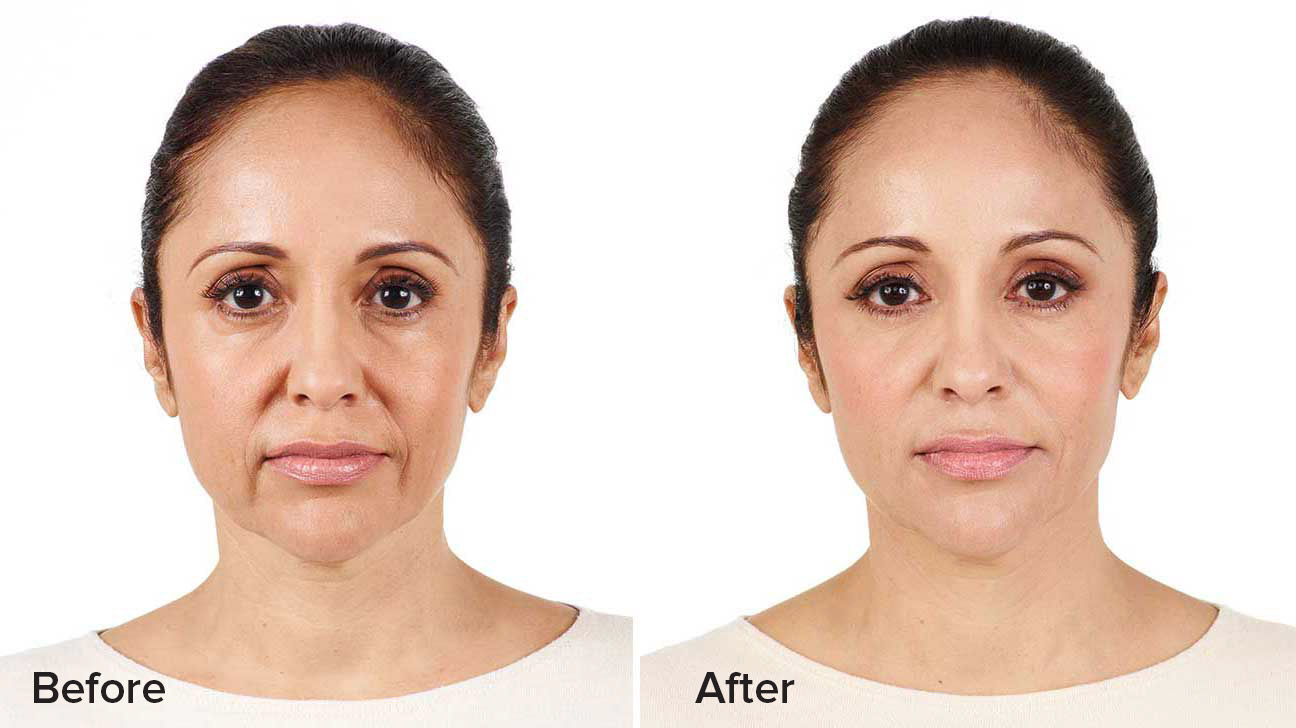
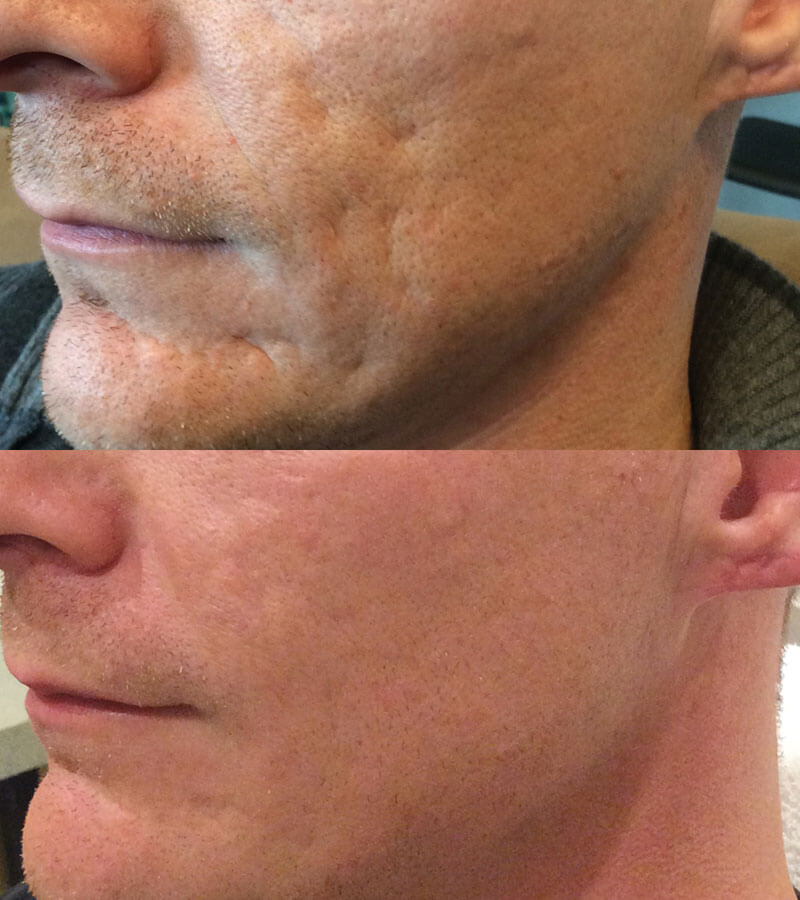
Bellafill is the only filler on the market that is FDA-approved for the correction of nasolabial folds and the treatment of certain types of acne scars with a proven safety and efficacy profile lasting up to five years. The technology underwent one of the longest and most comprehensive prospective safety studies ever conducted in the dermal filler industry. This data-driven approach is critical for practitioners who prioritize evidence-based technology over ephemeral trends.
Comparative Analysis: Permanent vs. Resorbable Tech
Most aesthetic injectables are resorbable, meaning the body metabolizes them within six to eighteen months. From a technological standpoint, this requires frequent re-intervention. Bellafill’s PMMA technology is non-resorbable. While the “permanent” nature of the microspheres requires higher precision from the practitioner, it offers a technological solution to “filler fatigue”—the cycle of repeated injections that can lead to tissue over-expansion or “filler drift” in temporary alternatives.
Safety Through Precision Manufacturing
The manufacturing process of Bellafill involves microscopic filtration and sterilization techniques that ensure the PMMA microspheres are uniform. Non-uniform particles in earlier iterations of permanent fillers (used decades ago) were prone to causing granulomas. Modern Bellafill utilizes sophisticated manufacturing tech to ensure the surface of each microsphere is smooth, significantly reducing the risk of inflammatory responses or “bio-film” complications.
Digital Integration and Diagnostic Tools in Modern Aesthetics
The application of Bellafill does not exist in a vacuum; it is increasingly integrated with digital diagnostic and mapping technologies that ensure optimal placement and volume.
AI in Facial Mapping and Precision Injections
Aesthetic clinics are now utilizing AI-driven facial mapping software to analyze skin density and volume loss. These digital tools allow practitioners to “calculate” the precise amount of Bellafill required to achieve structural balance. By using 3D imaging, technologists can map the underlying vasculature and bone structure, ensuring that the PMMA scaffold is placed in the sub-dermal plane where it will be most effective for long-term collagen production.
3D Outcome Simulation
One of the hurdles in long-term med-tech is the patient’s hesitation regarding permanent change. To solve this, advanced 3D simulation software (such as Vectra or Crisalix) allows patients to visualize the projected five-year results of a Bellafill treatment. This integration of software and biotechnology bridges the gap between patient expectations and clinical outcomes, allowing for a data-backed approach to facial rejuvenation.
Ultrasonography in Treatment Monitoring
High-frequency skin ultrasound is becoming a standard tool for monitoring Bellafill integrations. This tech allows clinicians to view the PMMA microspheres in real-time beneath the skin surface. By using ultrasound, practitioners can verify the uniformity of the “scaffold” and ensure that the body’s natural collagen is integrating with the PMMA as expected, providing a level of transparency that was previously impossible in aesthetic medicine.
The Future of Regenerative Med-Tech and Synthetic Biology
Bellafill is a precursor to a wider movement in biotechnology: the move toward “intelligent” materials that instruct the body to heal or regenerate itself.
Synthetic Biology and Biocompatibility
The success of Bellafill’s PMMA microspheres has paved the way for research into even more advanced synthetic polymers. Future iterations of this technology may include “smart” microspheres that can release localized growth factors or anti-inflammatory agents over time. The goal of synthetic biology in this field is to create materials that are not just inert scaffolds, but active participants in the skin’s cellular environment.
Beyond Aesthetics: Reconstructive Applications
The technology behind Bellafill is increasingly being explored for medical reconstructive purposes. For patients suffering from lipoatrophy (volume loss due to medical conditions) or those with significant scarring from trauma or surgery, the PMMA scaffold technology offers a permanent solution that temporary fillers cannot match. This expands the scope of the technology from “cosmetic” to “restorative,” highlighting its importance in the broader medical technology ecosystem.
The Role of Bio-Hacking and Tissue Engineering
As the “bio-hacking” community grows, there is an increasing interest in technologies that offer long-term enhancements with minimal maintenance. Bellafill fits into this paradigm by offering a “one-and-done” or “long-term” alternative to traditional maintenance-heavy beauty routines. It represents a shift toward tissue engineering, where the medical device is merely the catalyst for the body’s own biological production.
Conclusion: The Structural Frontier
Bellafill is far more than a simple cosmetic injectable; it is a sophisticated marriage of materials science and human biology. By leveraging the durability of PMMA microspheres and the immediate bio-compatibility of bovine collagen, it creates a long-term structural foundation that temporary fillers simply cannot replicate.
As diagnostic tools like AI-mapping and 3D imaging continue to evolve, the precision with which these bio-stimulatory scaffolds are placed will only increase. We are entering an era where medical technology allows us to manage the aging process not through the mere addition of volume, but through the strategic reinforcement of our own biological architecture. Bellafill stands as a hallmark of this transition—a testament to how far med-tech has come in its quest to harmonize synthetic innovation with natural regeneration.
aViewFromTheCave is a participant in the Amazon Services LLC Associates Program, an affiliate advertising program designed to provide a means for sites to earn advertising fees by advertising and linking to Amazon.com. Amazon, the Amazon logo, AmazonSupply, and the AmazonSupply logo are trademarks of Amazon.com, Inc. or its affiliates. As an Amazon Associate we earn affiliate commissions from qualifying purchases.