
Belgium, a cornerstone of the European Union and a nation rich in history, culture, and economic significance, operates within one of the world’s most powerful monetary systems. For anyone planning to visit, conduct business, or simply understand the global financial landscape, a fundamental question often arises: “What is Belgium’s currency?” The straightforward answer is the Euro (€). However, to truly grasp its significance and practical implications, one must delve deeper than a mere name. The Euro in Belgium is not just a medium of exchange; it is a symbol of economic integration, a tool for daily financial transactions, and a key component of the nation’s financial stability and global economic standing. This article explores the Euro’s multifaceted role in Belgium, dissecting its history, practical applications, economic impact, and its place within the broader financial world, all from a lens focused purely on money and finance.
The Euro’s Reign in Belgium: A Historical and Economic Perspective
The adoption of the Euro by Belgium was a pivotal moment in its financial history, marking a transition from a long-standing national currency to a shared European one. This move was not merely a change in banknotes but a strategic economic decision with profound implications for trade, investment, and personal finance within the country and across the continent.
From Belgian Franc to Euro: A Seamless Transition
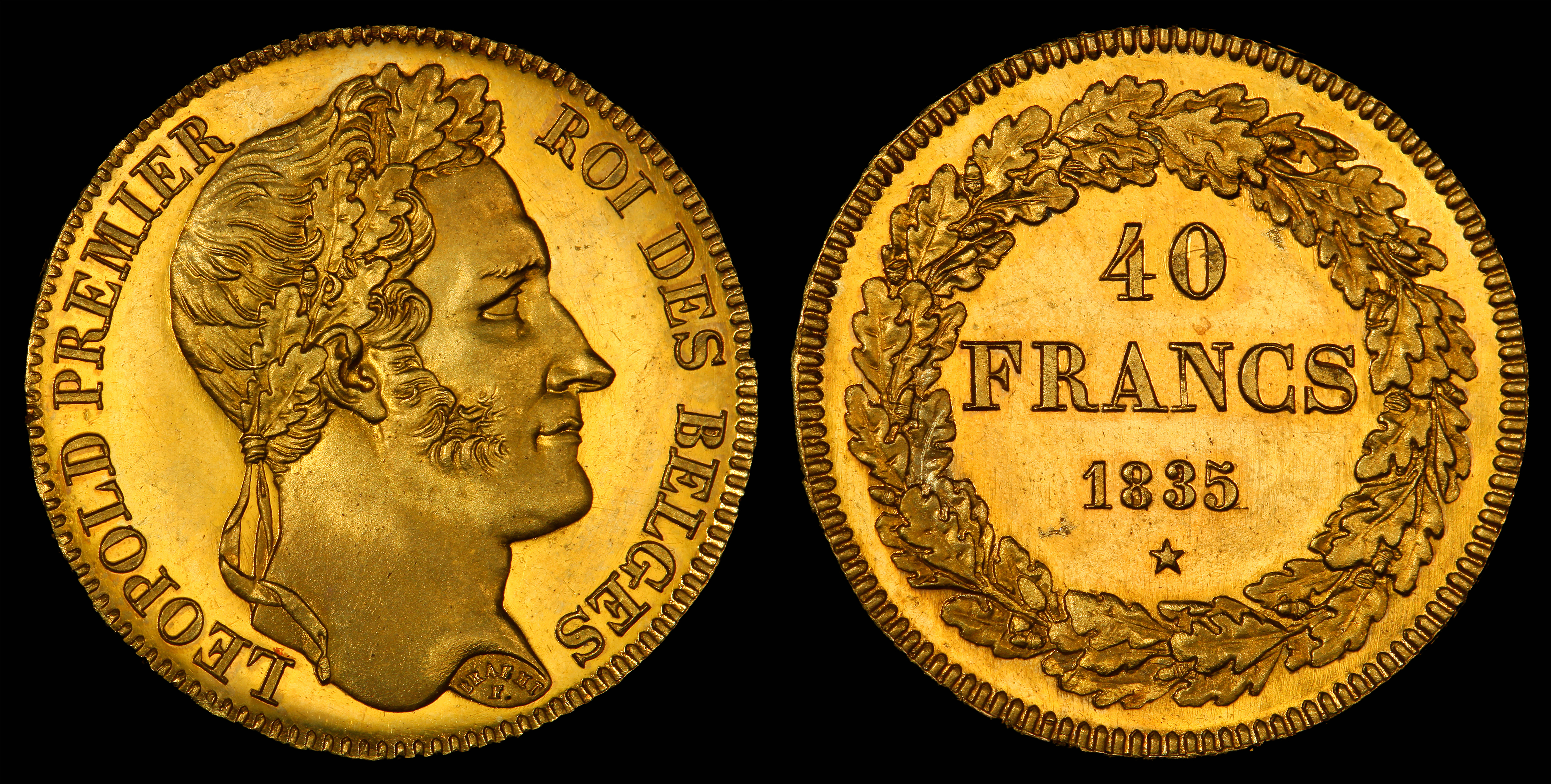
Prior to the Euro, Belgium’s national currency was the Belgian Franc (BEF), a currency that had served the nation since 1832. The decision to join the Eurozone and adopt the Euro was part of a larger European project aimed at fostering greater economic and political unity. On January 1, 1999, the Euro was officially introduced as an accounting currency, with the fixed conversion rate of 1 EUR = 40.3399 BEF. For a transitional period, both the Franc and the Euro circulated simultaneously, allowing individuals and businesses to adjust. However, physical Euro banknotes and coins were introduced on January 1, 2002, marking the complete transition for everyday transactions. The Belgian Franc ceased to be legal tender on February 28, 2002, though banknotes could still be exchanged for Euros at the National Bank of Belgium for an unlimited period, ensuring a smooth and equitable conversion process for all citizens. This carefully managed transition minimized disruption, preserving trust in the financial system while ushering in a new era of monetary integration.
The Economic Rationale for Euro Adoption
The decision for Belgium, alongside its Eurozone partners, to adopt a single currency was driven by several compelling economic rationales. Primarily, it aimed to eliminate exchange rate fluctuations and the associated transaction costs within participating countries. For a nation like Belgium, with its open economy and strong reliance on international trade, particularly with its European neighbors, this was a significant advantage. Businesses no longer had to hedge against currency risks when trading with Germany, France, or the Netherlands, leading to increased price transparency, reduced administrative burdens, and boosted cross-border commerce.
Moreover, the Euro promised greater price stability through a strong, independent European Central Bank (ECB) committed to maintaining low inflation. This stability was crucial for investment, allowing businesses to plan with greater certainty and consumers to maintain purchasing power. The Euro also fostered deeper financial market integration, making it easier for Belgian businesses to access capital from across the Eurozone and for Belgian investors to diversify their portfolios internationally without currency conversion hurdles. In essence, the Euro was envisioned as a catalyst for economic growth, efficiency, and stability, positioning Belgium within a powerful economic bloc capable of competing on a global stage.
Navigating Belgium’s Financial Ecosystem: Practicalities for Residents and Visitors
Understanding the Euro in Belgium goes beyond its historical context; it involves practical knowledge for daily financial interactions. Whether living in Brussels, touring Bruges, or conducting business in Antwerp, knowing how to manage your money effectively is paramount.
Everyday Transactions: Cash, Cards, and Digital Payments
In contemporary Belgium, as in much of Western Europe, a hybrid approach to payments is prevalent. While cash remains widely accepted, particularly in smaller shops, markets, and for minor purchases, debit and credit cards are the dominant form of payment for most transactions. Major credit cards such as Visa, MasterCard, and to a lesser extent, American Express, are accepted almost everywhere, from supermarkets and restaurants to hotels and major retail chains. Debit cards, especially those linked to the Bancontact/Mister Cash network (Belgium’s widely used interbank network), are exceedingly common and often preferred by local businesses due to lower transaction fees.
Beyond physical cards, digital payment methods are gaining traction. Mobile payment apps linked to bank accounts (e.g., Payconiq by Bancontact, which allows direct payments via QR codes or NFC) are increasingly popular. Contactless payments using cards or mobile wallets (Apple Pay, Google Pay) are also widespread, offering convenience and speed. For visitors, it’s advisable to carry a mix of payment options and ensure your credit/debit cards are activated for international use. While you won’t need large amounts of cash, having some small Euro denominations for spontaneous purchases or places that might not accept cards (like certain public transport ticket machines or very small cafes) is always a good idea.
Currency Exchange and Financial Services for Travelers
For travelers arriving in Belgium with non-Euro currencies, several convenient options exist for obtaining Euros. The most cost-effective method is generally to withdraw Euros directly from an ATM (cash machine) using a debit or credit card. ATMs are ubiquitous in cities and towns, often found outside bank branches, in shopping centers, and at major transport hubs. Look for ATMs displaying the Visa, MasterCard, or Plus/Cirrus logos for compatibility with international cards. It is always wise to inform your bank of your travel plans beforehand to avoid any security holds on your card. Be mindful of potential fees: your home bank might charge foreign transaction fees, and some local ATMs may impose a surcharge (though this is less common in Belgium than in some other countries).
Traditional currency exchange offices (Bureaux de Change) are also available, particularly in tourist areas and airports, but they often offer less favorable exchange rates and higher fees compared to ATM withdrawals. Similarly, exchanging cash at hotels is usually the least economical option. For larger financial needs or specific banking services, major international banks such as BNP Paribas Fortis, KBC, and ING have a strong presence across Belgium, providing a range of services from account management to international transfers, though some services may require an existing customer relationship or significant documentation.
Understanding Denominations and Security Features
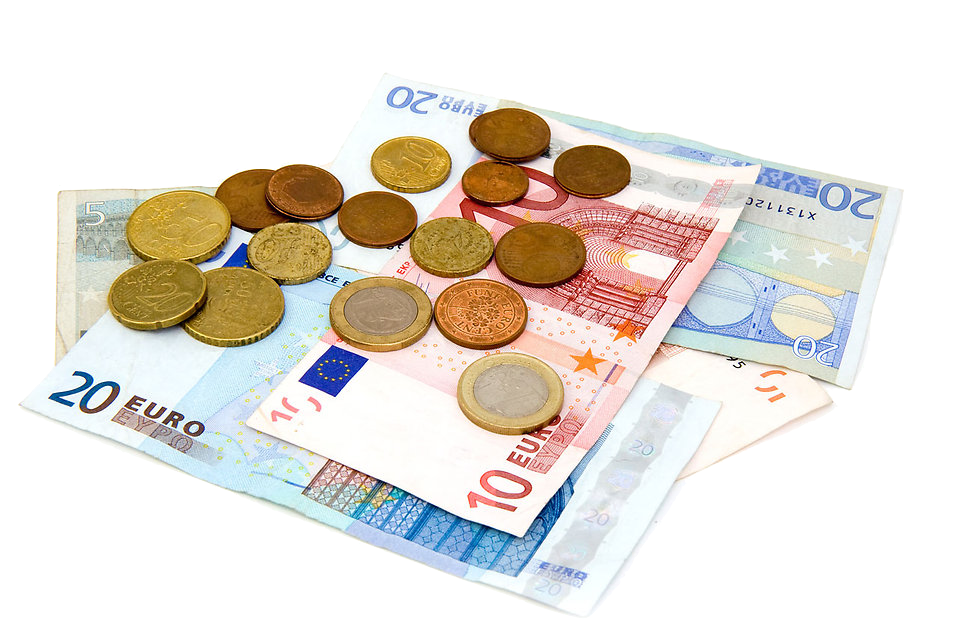
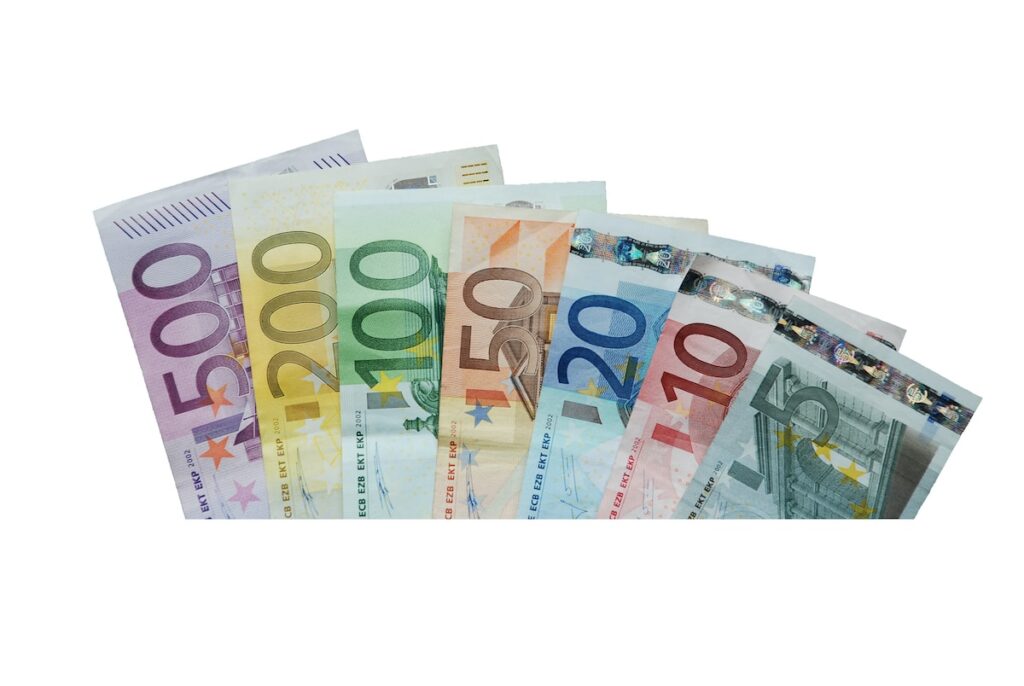
Euro banknotes come in seven denominations: €5, €10, €20, €50, €100, €200, and €500. While all are legal tender, the €200 and especially the €500 notes are rarely seen in daily transactions and may not be accepted by all merchants due to concerns about counterfeiting or lack of change. It’s more practical to use smaller denominations. Euro coins come in eight denominations: 1, 2, 5, 10, 20, 50 cents, €1, and €2. Each Eurozone country issues its own coins with a common side and a national side (featuring country-specific designs), but all are legal tender throughout the Eurozone.
To combat counterfeiting and protect the integrity of the currency, Euro banknotes incorporate several advanced security features. These include:
-
Watermark: Visible when held up to the light.
-
Security thread: A dark line embedded in the paper, also visible against the light.
-
Hologram: A metallic patch that changes image when tilted.
-
Colour-changing number: On the back of the higher denomination notes, the number shifts colour when tilted.
-
Raised print: Certain areas of the notes feel raised to the touch.
-
Microprinting: Tiny print that can only be read with a magnifying glass.
Familiarizing yourself with these features can help ensure you are handling genuine currency, a crucial aspect of financial awareness.
Belgium’s Financial Health Within the Eurozone
Belgium’s economic performance and financial stability are inextricably linked to its membership in the Eurozone. The single currency framework imposes certain constraints and offers significant advantages, shaping the nation’s economic policies and its residents’ financial well-being.
Economic Stability and Monetary Policy Influence
As a Eurozone member, Belgium does not have an independent monetary policy. Interest rates, inflation targets, and overall money supply are determined by the European Central Bank (ECB) for the entire Euro area. This centralized approach aims to maintain price stability across the bloc, benefiting Belgium by shielding it from the potential volatility of an independent currency and from speculative attacks. The stability of the Euro as a strong reserve currency also contributes to lower borrowing costs for the Belgian government and businesses, making it easier to finance public services and private investments.
However, relinquishing monetary autonomy means Belgium cannot devalue its currency to boost exports or lower interest rates independently to stimulate its domestic economy during a downturn. Fiscal policy (government spending and taxation) remains a national prerogative, but even here, Eurozone rules (like the Stability and Growth Pact) set limits on national deficits and debt levels to ensure overall financial discipline within the bloc. Belgium’s adherence to these rules is crucial for maintaining confidence among investors and its Eurozone partners, contributing to its creditworthiness and stable financial environment.
The Impact of Eurozone Membership on Belgian Households and Businesses
For Belgian households, the Euro has brought unparalleled price transparency across borders, making it easier to compare prices for goods and services when shopping online or traveling within the Eurozone. This increased competition can, in theory, lead to lower prices and a wider variety of goods. Additionally, the absence of currency conversion fees for cross-border payments within the Eurozone reduces the cost of remittances and international transactions, a benefit for families with international ties or for individuals pursuing online income streams from other Eurozone countries.
For Belgian businesses, the Euro has been a powerful engine for integration into the single market. Exporters benefit from reduced transaction costs and eliminated exchange rate risks when trading with other Eurozone countries, making Belgian products more competitive. Importers also benefit from stable prices for goods sourced within the Eurozone. Furthermore, access to a deeper and more liquid Euro-denominated financial market has facilitated easier access to capital, supporting business expansion and job creation. While challenges like adapting to common regulations and heightened competition exist, the overall consensus is that Eurozone membership has provided a stable and conducive environment for Belgian enterprises to thrive.
The Broader Implications: Belgium, the Euro, and Global Finance
Belgium’s currency, the Euro, is not merely a domestic matter; it plays a critical role in the global financial system, with Belgium contributing to and benefiting from its international stature.
The Euro as a Reserve Currency and its Global Stature
The Euro is the second most widely held reserve currency in the world, trailing only the US Dollar. Central banks and financial institutions globally hold Euros as part of their foreign exchange reserves, signifying its importance and stability in international finance. For Belgium, being part of a currency bloc that issues such a prominent reserve currency enhances its economic influence and financial security. It attracts foreign investment, facilitates international trade invoicing in Euros, and provides a powerful alternative to the Dollar for international transactions. The Euro’s deep and liquid financial markets, supported by the collective strength of its member states, reinforce its role as a cornerstone of the global monetary system. This global stature translates into practical benefits for Belgian businesses engaged in international trade and for the country’s overall financial resilience against external shocks.
Future Outlook: Challenges and Opportunities for Belgium’s Economy
While the Euro has undeniably brought significant benefits, Belgium, like other Eurozone members, faces ongoing economic challenges and opportunities within this framework. Challenges include adapting to global economic shifts, such as fluctuating energy prices, supply chain disruptions, and geopolitical tensions, all of which can impact the Eurozone’s collective economic health and, by extension, Belgium’s. Managing national debt within Eurozone limits while investing in critical infrastructure and social programs remains a delicate balancing act for the Belgian government. The rise of digital currencies and the potential for a digital Euro also present a future challenge and opportunity, as Belgium will need to adapt its financial infrastructure to embrace these innovations.
However, opportunities abound. Belgium’s strategic location at the heart of Europe, its highly skilled workforce, and its strong commitment to innovation position it well within the Eurozone. Further integration of European financial markets could unlock new avenues for growth and investment. Leveraging the stability and global reach of the Euro, Belgium can continue to attract foreign direct investment, foster technological advancements in its financial sector, and strengthen its role as a hub for international trade and finance. The Euro, therefore, remains a crucial element in Belgium’s economic narrative, providing a stable foundation from which to navigate the complexities and seize the opportunities of the 21st-century global economy.
In conclusion, “what is Belgium’s currency?” is a question that opens the door to a comprehensive understanding of finance, history, and global economics. The Euro is far more than just money in Belgium; it is the fabric of its financial life, a testament to European integration, and a vital tool enabling its participation and prosperity in the intricate dance of international finance.
aViewFromTheCave is a participant in the Amazon Services LLC Associates Program, an affiliate advertising program designed to provide a means for sites to earn advertising fees by advertising and linking to Amazon.com. Amazon, the Amazon logo, AmazonSupply, and the AmazonSupply logo are trademarks of Amazon.com, Inc. or its affiliates. As an Amazon Associate we earn affiliate commissions from qualifying purchases.