
Behavior analysis is a scientific discipline dedicated to understanding why individuals do what they do. While often associated with clinical applications, its foundational principles offer profound insights into human action and are increasingly indispensable for effective brand strategy, marketing, and the cultivation of a robust corporate identity. At its core, behavior analysis provides a systematic framework for examining the relationship between environmental factors and observable actions, revealing the underlying mechanisms that drive choices, habits, and preferences. For brands, this means moving beyond superficial demographic data to truly comprehend the intricate behavioral economics that influence consumer decisions, market trends, and organizational culture.
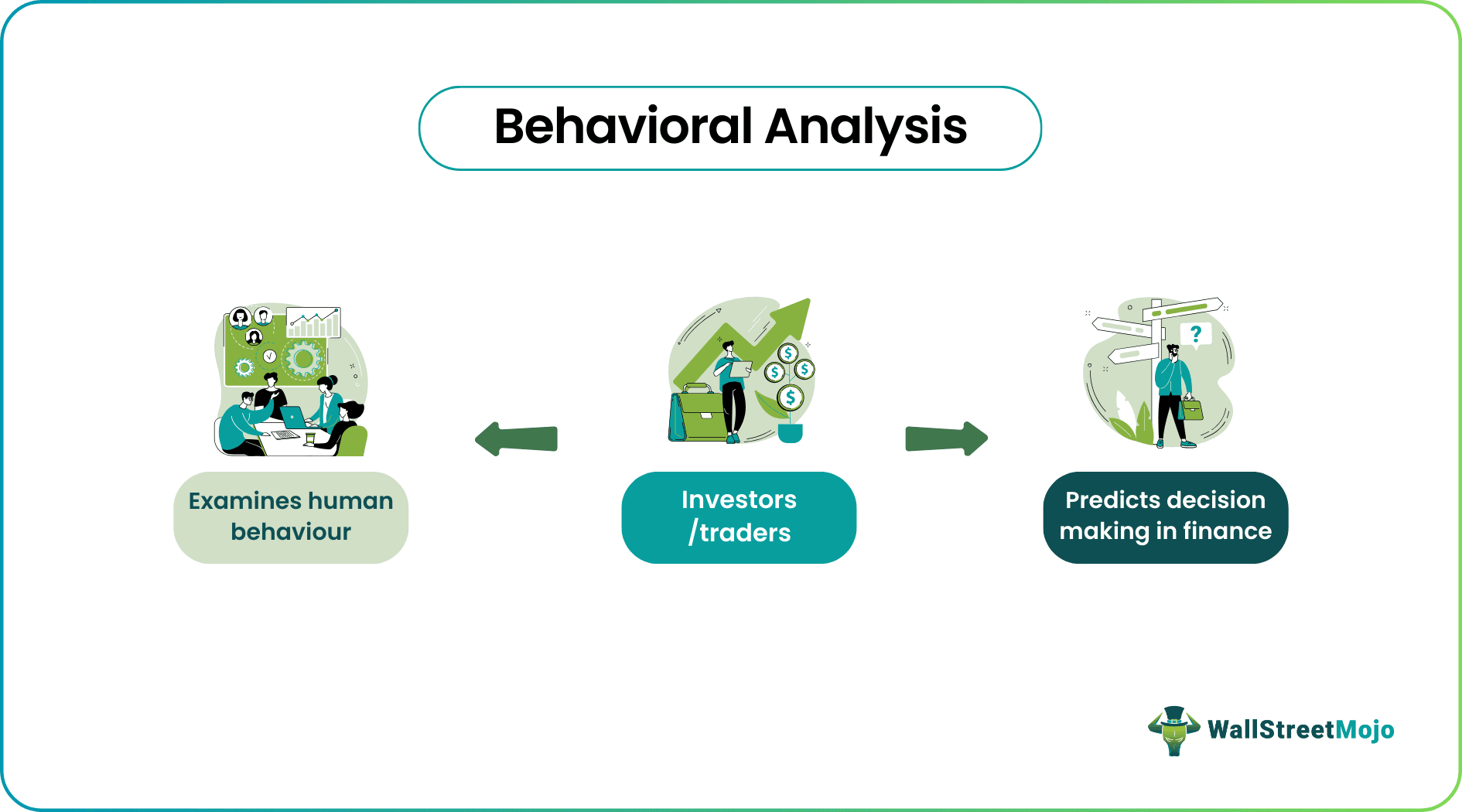
The Core Principles of Behavior Analysis in Branding
To leverage behavior analysis for brand success, it is essential to grasp its fundamental principles. This scientific approach provides a lens through which brands can deconstruct complex consumer and employee behaviors into manageable, understandable components, enabling more targeted and impactful interventions.
Understanding Antecedents, Behaviors, and Consequences (ABC)
Central to behavior analysis is the “ABC” model: Antecedent, Behavior, Consequence. An antecedent is an event or stimulus that precedes a behavior. The behavior is the observable action itself. The consequence is what immediately follows the behavior, which then influences the likelihood of that behavior occurring again in the future.
In the branding context:
- Antecedents can be anything from a social media ad, an email notification, a product display in a store, a peer’s recommendation, or even an internal desire triggered by a need. These are the cues that signal an opportunity for action.
- Behaviors are the specific actions consumers take: clicking on an ad, visiting a website, making a purchase, leaving a review, recommending a product, or engaging with brand content. For employees, behaviors might include adhering to brand guidelines, providing excellent customer service, or innovating new solutions.
- Consequences are the outcomes that either strengthen or weaken the likelihood of the behavior recurring. These can be positive (satisfaction from a purchase, a discount code, social recognition, improved status, feeling of belonging) or negative (a confusing checkout process, a defective product, poor customer support, negative peer feedback).
By meticulously mapping these ABC contingencies, brands can identify bottlenecks, amplify positive interactions, and strategically design environments that prompt desired behaviors while minimizing undesirable ones. This analytical approach moves beyond guesswork, offering a data-driven path to understanding the “why” behind brand engagement.
Reinforcement and Punishment in Consumer Engagement
The concept of consequences is further refined through reinforcement and punishment, which are powerful tools for shaping behavior.
-
Reinforcement increases the likelihood of a behavior.
- Positive Reinforcement: Adding something desirable after a behavior occurs (e.g., a customer receives a loyalty point after a purchase, an employee gets recognition for embodying brand values). This makes the behavior more likely in the future. Effective marketing strategies often rely on positive reinforcement, from special offers and personalized recommendations to exclusive content and superior product performance that validates a consumer’s choice.
- Negative Reinforcement: Removing something undesirable after a behavior occurs (e.g., a software subscription automatically renews, saving the customer the effort of manually renewing; a user interface is streamlined to remove friction, making task completion easier). This also makes the behavior more likely, by removing an aversive stimulus.
-
Punishment decreases the likelihood of a behavior.
- Positive Punishment: Adding something undesirable after a behavior (e.g., a confusing website interface leads to frustration, making a customer less likely to return).
- Negative Punishment: Removing something desirable after a behavior (e.g., a customer misses out on a limited-time offer due to inaction, making them more likely to act quickly next time). While less desirable for direct brand interaction, understanding how negative consequences affect behavior helps brands avoid pitfalls that could damage reputation or customer loyalty.
Brands that master the art of positive reinforcement—consistently rewarding desired consumer actions with value, convenience, or emotional satisfaction—build stronger relationships and foster enduring loyalty.
Applying Behavior Analysis to Brand Strategy and Marketing
The systematic application of behavior analysis offers a strategic advantage in a crowded marketplace, allowing brands to sculpt their presence and messaging with unparalleled precision.
Consumer Behavior Insights
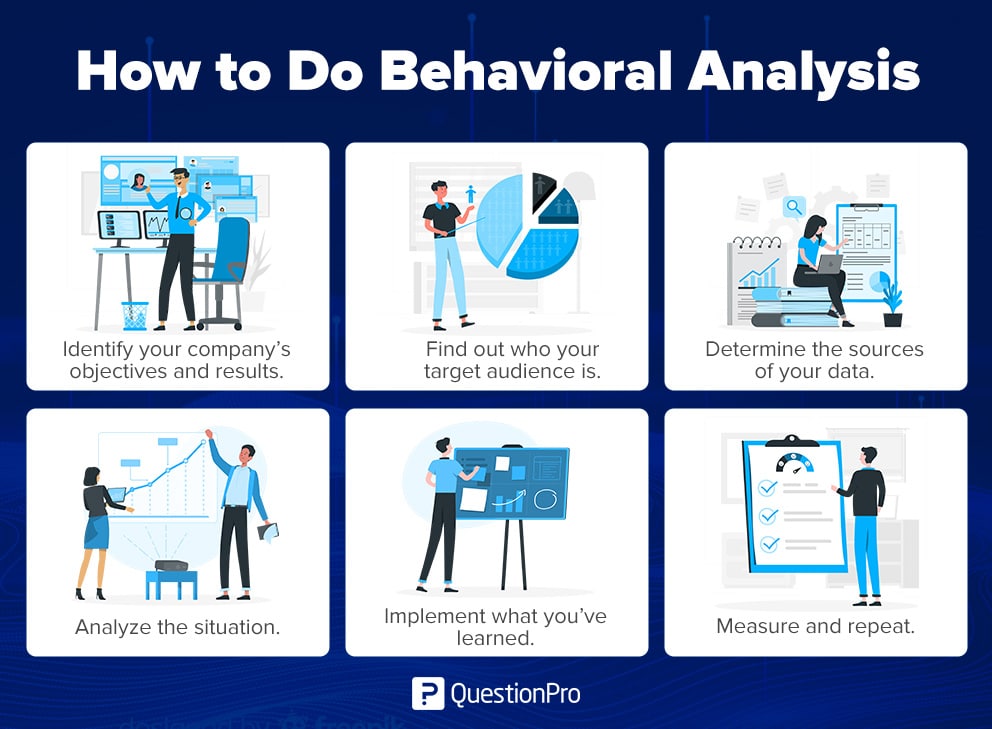
Behavior analysis moves beyond simple demographics, diving into the actual actions and motivations of consumers. It helps answer critical questions: What specific triggers lead to a purchase? What environmental factors increase dwell time on a website? What types of social reinforcement encourage brand advocacy? By observing and analyzing these behavioral patterns, brands can gain deep insights into preferences, pain points, and decision-making processes. This data allows for the creation of buyer personas that are not just theoretical constructs but are grounded in empirical evidence of how consumers interact with products, services, and brand communications. Understanding the function of a behavior—what it achieves for the consumer—is key to predicting and influencing future actions.
Designing Effective Marketing Campaigns
Marketing campaigns become significantly more potent when designed with behavioral principles in mind.
- Antecedent Manipulation: Crafting compelling calls to action, optimizing ad placement, and designing intuitive user interfaces are all forms of antecedent control. By strategically presenting cues that prompt desired actions, brands can increase conversion rates.
- Reinforcement Schedules: Understanding how often and under what conditions reinforcement should be delivered is crucial. For instance, intermittent reinforcement (rewards delivered unpredictably) can be highly effective in maintaining engagement, similar to how loyalty programs or gamified experiences keep customers coming back.
- Stimulus Control: Brands aim to establish strong stimulus control, where specific brand elements (logos, jingles, slogans) reliably evoke positive responses and associations. This is built through consistent, positive pairings of the brand with desirable experiences.
- Behavioral Nudges: Subtle changes in choice architecture can guide consumers towards desired actions without restricting their freedom. Examples include default options, limited-time offers, or social proof (“most popular choice”). These nudges are rooted in understanding cognitive biases and how people respond to environmental cues.
Building Customer Loyalty and Advocacy
Loyalty is not merely a feeling; it is a consistent pattern of desirable behaviors. Behavior analysis helps brands cultivate loyalty by:
- Reinforcing Repeat Purchases: Loyalty programs, personalized discounts, and exclusive content are direct applications of positive reinforcement to encourage repeat business.
- Facilitating Positive Experiences: Removing friction from the customer journey, providing exceptional support, and ensuring product quality reduces negative consequences, preventing customers from seeking alternatives.
- Encouraging Advocacy: Rewarding referrals, highlighting user-generated content, and creating platforms for positive feedback (e.g., reviews) are strategies to reinforce behaviors that lead to brand advocacy. When customers feel valued and recognized for their engagement, they are more likely to become vocal proponents of the brand.
Behavior Analysis in Corporate Identity and Culture
Beyond external marketing, behavior analysis plays a critical role in shaping a brand’s internal ecosystem—its corporate identity and culture. The consistent behaviors of employees are the living embodiment of a brand’s promise.
Shaping Employee Behavior for Brand Alignment
A brand’s identity is significantly influenced by its internal culture and how its employees interact with each other and with customers. Behavior analysis provides a framework for Organizational Behavior Management (OBM), applying behavioral principles to improve workplace performance and align employee actions with brand values.
- Defining Desired Behaviors: Clearly articulating what behaviors exemplify the brand (e.g., proactivity, customer empathy, innovation) provides a target for development.
- Training and Development: Designing training programs that systematically reinforce desired skills and attitudes, using feedback and positive reinforcement to shape performance.
- Performance Management: Implementing fair and consistent systems for feedback, recognition, and rewards that encourage employees to consistently demonstrate brand-aligned behaviors. For example, recognizing employees who go above and beyond in customer service directly reinforces that behavior and signals its importance to the entire organization.
Internal Marketing and Brand Ambassadors
Employees are often the most credible brand ambassadors. Behavior analysis helps cultivate this by:
- Reinforcing Internal Engagement: Creating internal communication strategies that highlight success stories, celebrate achievements, and provide opportunities for employees to contribute ideas, thereby reinforcing engagement with the brand’s mission.
- Fostering a Culture of Shared Values: When the organization consistently reinforces behaviors that align with its core values, it naturally shapes a strong corporate identity that employees embody and project outwards. This can be achieved through leadership modeling, peer recognition programs, and transparent communication about how individual contributions impact the brand’s overall success.
Data-Driven Branding and Continuous Improvement
The scientific rigor of behavior analysis means that branding efforts are not left to intuition but are continuously refined through data and observation.
Measuring Behavioral Impact
A key tenet of behavior analysis is the measurement of observable behavior. In branding, this translates to tracking metrics that directly reflect consumer and employee actions: website clicks, conversion rates, repeat purchases, social media engagement, customer service interactions, employee turnover, and performance indicators. By establishing baselines and systematically monitoring changes following strategic interventions, brands can objectively assess the effectiveness of their marketing campaigns, product designs, and internal initiatives. This empirical approach ensures that resources are allocated to strategies that genuinely drive desired behaviors and yield measurable results.

Adaptive Brand Strategies
The market is dynamic, and consumer preferences evolve. Behavior analysis encourages an adaptive approach to brand strategy. By continuously analyzing the ABC contingencies, brands can identify shifts in behavioral patterns and rapidly adjust their tactics. If a marketing campaign isn’t eliciting the desired response, behavior analysis prompts a re-evaluation of the antecedents (e.g., ad copy, targeting), the environmental context, or the consequences being offered. This iterative process of observation, intervention, and measurement allows brands to remain agile, responsive, and consistently relevant in a competitive landscape, ensuring that their identity and messaging resonate effectively with their target audience.
aViewFromTheCave is a participant in the Amazon Services LLC Associates Program, an affiliate advertising program designed to provide a means for sites to earn advertising fees by advertising and linking to Amazon.com. Amazon, the Amazon logo, AmazonSupply, and the AmazonSupply logo are trademarks of Amazon.com, Inc. or its affiliates. As an Amazon Associate we earn affiliate commissions from qualifying purchases.