
In the dynamic and ever-evolving landscape of modern sales, the acronym BDR has become increasingly prevalent. Often encountered in job descriptions, sales team structures, and discussions about lead generation, understanding the role of a Business Development Representative (BDR) is crucial for anyone involved in sales or aspiring to be. While seemingly a niche term, the function of a BDR touches upon fundamental aspects of business growth and market penetration. This article will delve into the multifaceted world of BDRs, exploring their primary responsibilities, essential skills, strategic importance, and how they contribute to the overall success of a sales organization.
The Strategic Imperative of the BDR Role
At its core, the BDR role is strategically designed to fuel the sales pipeline and, by extension, drive revenue growth. In today’s competitive market, businesses cannot afford to wait for leads to materialize passively. They need proactive, targeted efforts to identify and engage potential customers. This is where the BDR steps in, acting as the vital first point of contact in many sales processes.
Building the Foundation for Future Sales
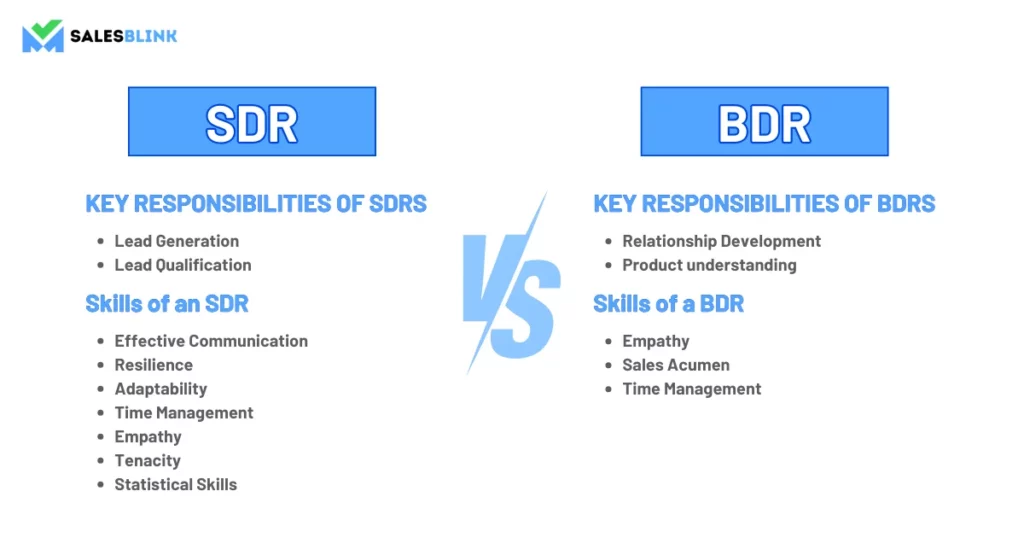
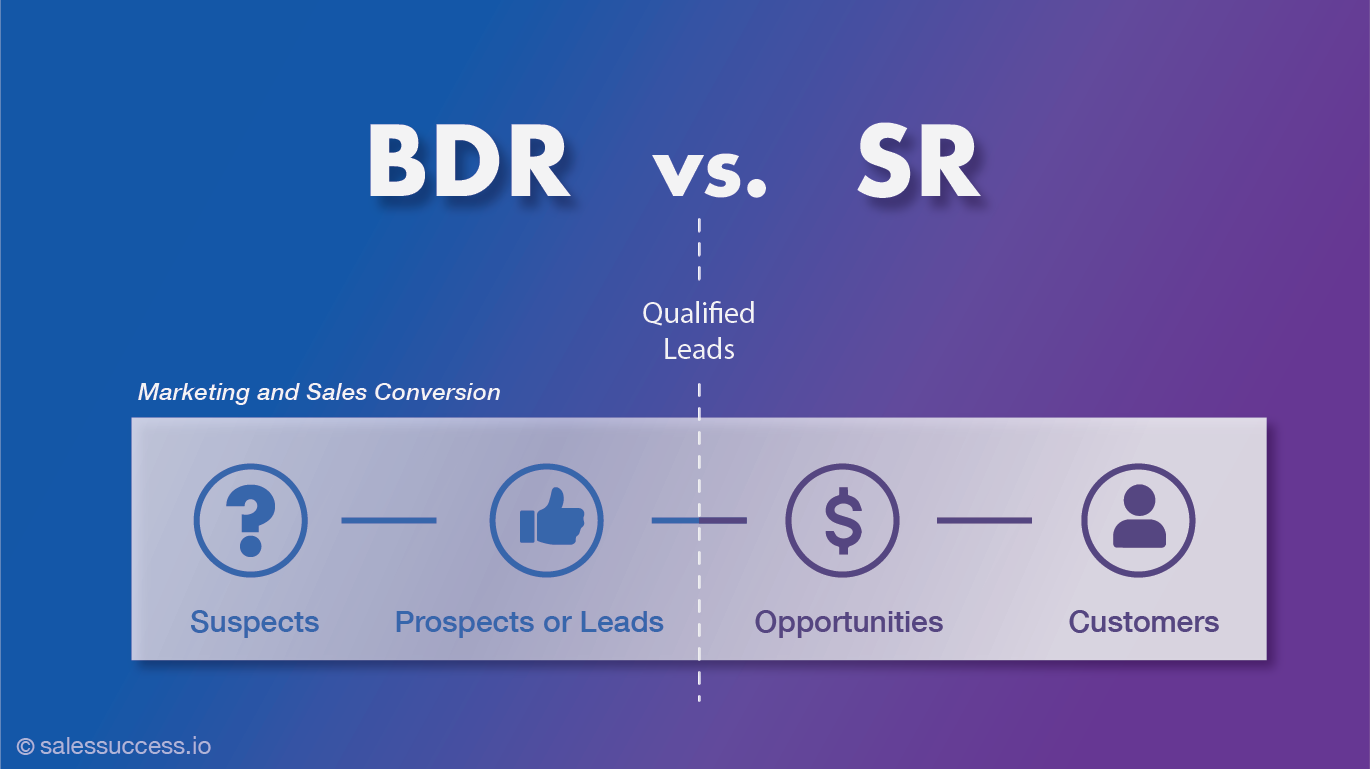
The BDR’s primary objective is not to close deals, but rather to identify, qualify, and nurture potential sales opportunities. They are the scouts and prospectors of the sales world, meticulously researching target accounts, identifying key stakeholders, and initiating conversations. This initial outreach is fundamental because it lays the groundwork for the Account Executive (AE) or Sales Representative who will eventually take over the qualified lead and guide it through the closing stages. Without a consistent flow of well-qualified leads generated by BDRs, the AE’s pipeline would dwindle, impacting the entire sales organization’s ability to meet its targets.
Differentiating BDRs from Other Sales Roles
It’s important to distinguish the BDR from other sales roles, particularly the Account Executive (AE). While both are integral to the sales process, their focus and responsibilities differ significantly. A BDR is typically focused on outbound prospecting – reaching out to prospects who may not be actively seeking a solution. Their success is often measured by the number of qualified meetings or opportunities they generate for the AE.
In contrast, an AE is usually responsible for managing the entire sales cycle, from initial engagement with a qualified lead to negotiating contracts and closing the deal. They are often more involved in demonstrating product value, addressing complex customer needs, and managing relationships. The handoff from a BDR to an AE is a critical juncture, requiring clear communication and a well-defined process to ensure a seamless transition and a positive prospect experience.
Key Responsibilities and Activities of a BDR
The daily life of a BDR is characterized by a structured and diligent approach to lead generation and qualification. Their activities are designed to maximize outreach effectiveness and ensure that only genuinely interested and viable prospects enter the sales funnel.
Prospecting and Lead Identification
The foundation of a BDR’s work lies in identifying potential customers. This involves a multifaceted approach, leveraging various tools and techniques:
- Market Research: BDRs conduct thorough research to understand target industries, companies, and buyer personas. This includes analyzing market trends, competitive landscapes, and potential pain points that their company’s product or service can address.
- Data Enrichment: They utilize sales intelligence platforms and databases (like ZoomInfo, LinkedIn Sales Navigator, or Apollo.io) to gather crucial information about target accounts and contacts, including company size, industry, revenue, technology stack, and key personnel.
- Lead Scoring and Prioritization: BDRs often work with marketing teams to understand lead scoring models. This helps them prioritize which leads to pursue based on their engagement with marketing content or their alignment with ideal customer profiles.
- Identifying Triggers: They look for “buying signals” or “trigger events” that indicate a company might be in need of a solution, such as recent funding rounds, leadership changes, or the adoption of new technologies.
Outbound Outreach and Engagement
Once potential leads are identified, BDRs initiate contact through various outbound channels. The goal is to pique interest, educate prospects, and assess their potential fit.
- Email Campaigns: Crafting personalized and compelling outreach emails is a core skill. These emails are designed to be concise, relevant, and to prompt a response or a call-to-action.
- Cold Calling: While often perceived as challenging, effective cold calling remains a vital BDR activity. It requires confidence, clear communication, and the ability to quickly establish rapport and identify needs.
- Social Selling: Leveraging platforms like LinkedIn to connect with prospects, share valuable content, and engage in relevant conversations is an increasingly important aspect of BDR outreach.
- Video Messaging: Short, personalized video messages can be highly effective in cutting through the noise and making a more memorable impression.
Qualification and Discovery
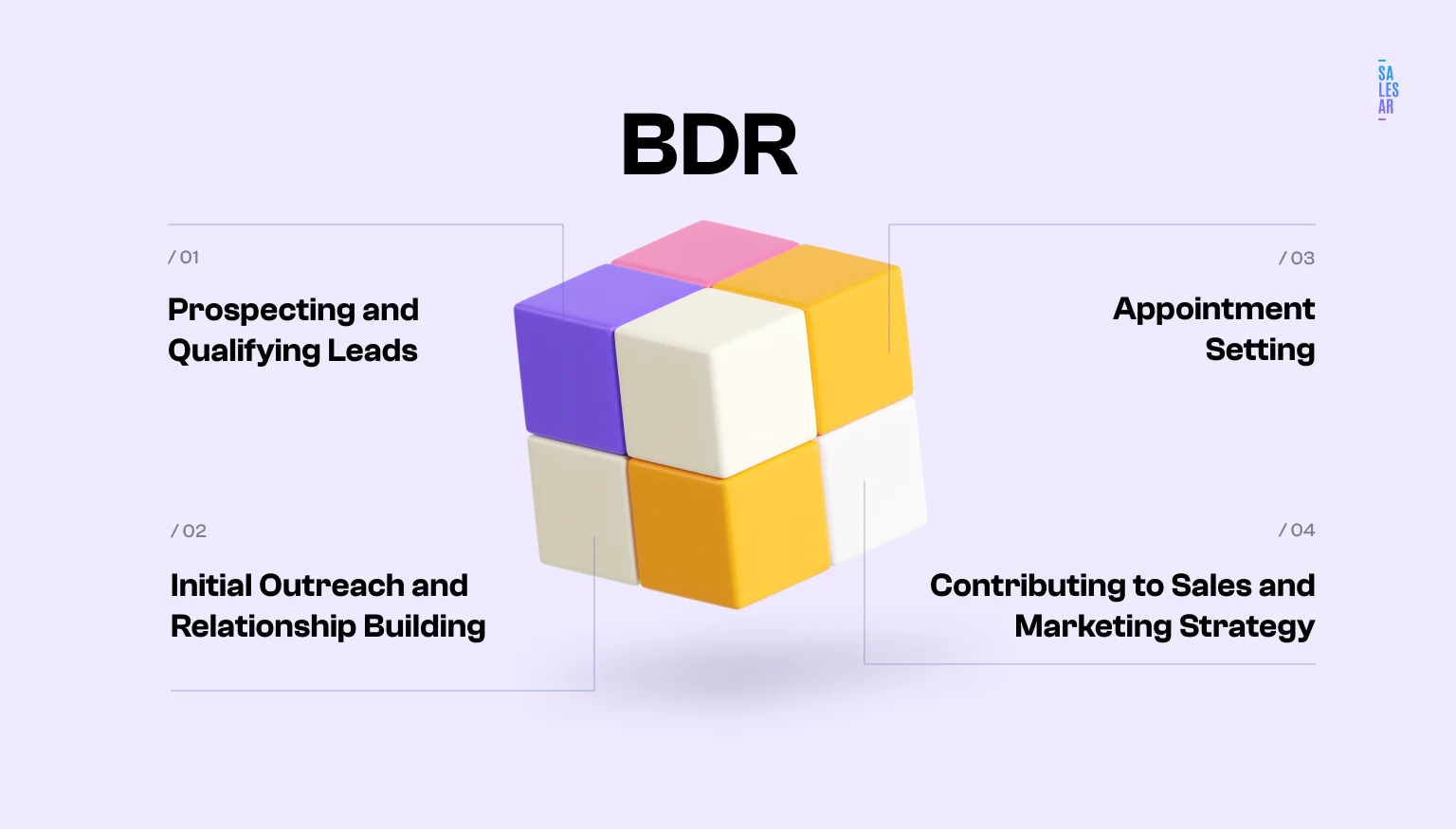
Not every prospect is ready or suitable for a sales conversation. BDRs play a crucial role in qualifying leads, ensuring that the sales team’s time is spent on the most promising opportunities.
- Needs Assessment: Through strategic questioning, BDRs aim to understand the prospect’s business challenges, goals, and current processes. This is often guided by frameworks like BANT (Budget, Authority, Need, Timeline) or MEDDIC (Metrics, Economic Buyer, Decision Criteria, Decision Process, Identify Pain, Champion).
- Pain Point Identification: The core of qualification is uncovering specific pain points or unmet needs that the company’s solution can address.
- Fit Evaluation: BDRs assess whether the prospect’s company and their needs align with the ideal customer profile (ICP) and the company’s value proposition.
- Setting Next Steps: If a prospect is qualified, the BDR’s primary goal is to schedule a meeting or a demo with an Account Executive, ensuring a clear understanding of what will happen next.
The Skillset and Tools of a Successful BDR
Excelling as a BDR requires a unique blend of interpersonal skills, strategic thinking, and proficiency with various technological tools. It’s a role that demands resilience, adaptability, and a constant drive for improvement.
Essential Soft Skills for BDRs
Beyond basic communication, several soft skills are critical for BDR success:
- Resilience and Persistence: Facing rejection is a daily reality for BDRs. The ability to bounce back from “no” and maintain a positive attitude is paramount.
- Active Listening: Truly understanding a prospect’s needs requires attentive listening, not just waiting for one’s turn to speak.
- Curiosity and Eagerness to Learn: BDRs need to be genuinely curious about different businesses, industries, and challenges. This fuels their research and their ability to ask insightful questions.
- Adaptability: The sales landscape and customer needs are constantly changing. BDRs must be able to adapt their approach and messaging accordingly.
- Time Management and Organization: Juggling multiple prospects, outreach channels, and follow-up activities requires exceptional organizational skills.
- Empathy: Understanding and relating to the prospect’s situation can build trust and rapport, even in initial cold interactions.
Technological Tools Empowering BDRs
The modern BDR is heavily reliant on a suite of technology tools to optimize their workflows and enhance their effectiveness:
- Customer Relationship Management (CRM) Systems: Platforms like Salesforce, HubSpot CRM, or Zoho CRM are essential for managing prospect data, tracking interactions, and organizing follow-up activities.
- Sales Engagement Platforms (SEPs): Tools such as Outreach, SalesLoft, or Groove automate email sequences, track engagement metrics, and streamline multi-channel outreach efforts.
- Sales Intelligence and Prospecting Tools: Services like ZoomInfo, LinkedIn Sales Navigator, Cognism, and Apollo.io provide vital company and contact information for lead identification and research.
- Communication and Collaboration Tools: Email clients, VoIP calling software, video conferencing platforms (Zoom, Google Meet), and internal messaging tools (Slack, Microsoft Teams) are daily necessities.
- Data Enrichment and ABM Tools: For Account-Based Marketing (ABM) strategies, tools that help identify and segment target accounts are crucial.
The Strategic Value and Career Trajectory of a BDR
The BDR role is far more than just an entry-level position; it’s a strategic function that contributes significantly to business growth and offers a clear path for career advancement within the sales organization.
Contribution to Revenue Growth and Pipeline Health
BDRs are the engine of the sales pipeline. By consistently generating qualified leads, they ensure that the sales team has a steady stream of opportunities to pursue. This direct impact on pipeline health translates into predictable revenue growth. Companies with robust BDR functions often experience faster growth rates and a more stable sales performance. Furthermore, effective BDRs can help companies expand into new markets or target new customer segments by proactively identifying and engaging with previously untapped prospects.
The BDR as a Launchpad for Sales Careers
The BDR role is widely recognized as an excellent entry point into a sales career. The extensive training, hands-on experience with prospecting, qualification, and interaction with prospects, and the deep understanding of the sales process that BDRs acquire are invaluable. This foundational knowledge and skill set prepare them exceptionally well for progression into more senior sales roles, such as:
- Account Executive (AE): The most common progression, where BDRs leverage their pipeline-building skills to manage and close deals.
- Sales Manager/Team Lead: Experienced BDRs can move into leadership roles, coaching and mentoring junior representatives.
- Sales Operations: The analytical and process-oriented aspects of the BDR role can lead to opportunities in sales operations, focusing on strategy, technology, and efficiency.
- Marketing Roles: The deep understanding of customer pain points and messaging developed by BDRs can be highly beneficial in marketing positions.
The structured nature of the BDR role, coupled with performance-based incentives, provides a clear framework for skill development and career progression. It’s a proving ground where individuals can hone their sales acumen and demonstrate their potential for higher levels of responsibility and impact.
In conclusion, the BDR in sales is a pivotal role that acts as the essential catalyst for pipeline generation and revenue growth. Through strategic prospecting, targeted outreach, and diligent qualification, BDRs lay the critical groundwork for sales success. Their blend of resilience, communication skills, and adept use of technology empowers them to identify and engage with potential customers, ensuring that sales teams can focus on closing deals. Far from being a mere administrative function, the BDR is a dynamic and strategic contributor, offering a promising career path for ambitious individuals within the sales ecosystem.
aViewFromTheCave is a participant in the Amazon Services LLC Associates Program, an affiliate advertising program designed to provide a means for sites to earn advertising fees by advertising and linking to Amazon.com. Amazon, the Amazon logo, AmazonSupply, and the AmazonSupply logo are trademarks of Amazon.com, Inc. or its affiliates. As an Amazon Associate we earn affiliate commissions from qualifying purchases.