
In an era where digital commerce is the standard and new businesses emerge overnight, the concept of “trust” has become a tangible financial asset. For consumers looking to protect their hard-earned money and for entrepreneurs aiming to build a credible presence, understanding the Better Business Bureau (BBB) rating is essential. A BBB rating is more than just a letter grade; it is a sophisticated metric designed to represent the degree of confidence the Better Business Bureau has that a business is operating in good faith and will make a good-faith effort to resolve any consumer complaints.
This guide explores the intricacies of the BBB rating system through the lens of personal finance and business integrity, providing you with the tools to vet companies before you commit your capital.
Understanding the BBB Scoring System: The Mechanics of Trust
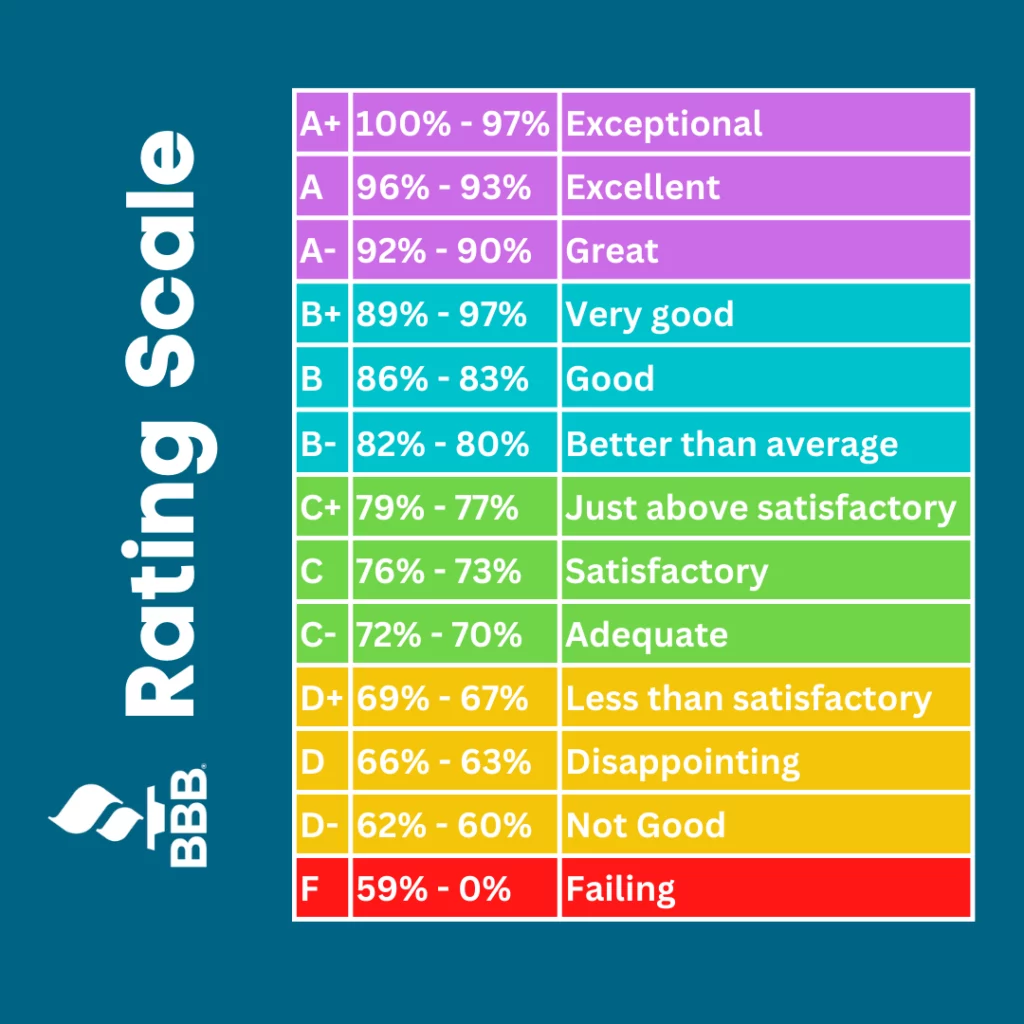
The BBB rating system is a proprietary formula that translates a business’s historical behavior and reliability into a letter grade ranging from A+ (highest) to F (lowest). Unlike social media reviews, which can be subjective or easily manipulated, the BBB rating is based on 13 specific factors that analyze how a company interacts with its customers and the marketplace at large.
The 13 Factors of Assessment
The BBB uses a point-based system (0 to 100) to determine the final grade. These factors are categorized into several key areas:
- Complaint Volume: The number of complaints filed against the business, adjusted for the company’s size.
- Complaint Resolution: How the business responds to those complaints and whether they are resolved to the satisfaction of the BBB standards.
- Time in Business: Stability is a key indicator of financial reliability. Longer-tenured businesses often score higher.
- Transparent Business Practices: Whether the company provides clear information about its products, services, and ownership.
- Honesty in Advertising: Adherence to the BBB Code of Advertising, which prevents deceptive marketing.
Decoding the Letter Grades
When you see an A+ rating, it signifies that the business has earned 97 or more points out of 100. This suggests a stellar track record of communication and ethical operation. Conversely, a D or F rating (usually below 69 points) is a significant red flag for any consumer. This often indicates that the company has failed to respond to multiple complaints, has a pattern of misleading practices, or has underlying licensing issues. For anyone making a significant financial investment—such as hiring a contractor or choosing an investment platform—these grades serve as a critical first line of defense.
The Distinction Between Rated and Accredited
A common misconception in the world of business finance is that a high rating is the same as “BBB Accreditation.” Any business can be rated by the BBB based on public records and consumer feedback. However, “Accreditation” is a proactive step where a business pays a fee and undergoes a rigorous vetting process to prove they meet the BBB Standards for Trust. While accreditation doesn’t guarantee a higher grade, it demonstrates a financial commitment to maintaining ethical standards.
Why BBB Ratings Matter for Personal Finance and Consumer Protection
In the realm of personal finance, the goal is not just to grow wealth but to protect it. Choosing the wrong service provider or falling for a predatory business model can lead to significant financial setbacks. The BBB rating serves as a fundamental research tool for “due diligence.”
Protecting Your Capital from Fraud
Before transferring funds for a service—especially in high-risk sectors like debt relief, home improvement, or online education—checking the BBB rating is a standard safety protocol. A low rating or a “No Rating” status due to “Alerts” can save a consumer thousands of dollars. The BBB often issues public alerts for businesses involved in active government actions or those that exhibit a pattern of non-delivery of goods.
The Role of BBB in Dispute Resolution
One of the most valuable financial aspects of the BBB is its role as a mediator. If you have a financial dispute with a company, filing a BBB complaint is a formal way to seek a refund or a correction of service. Because businesses value their BBB grade (as it directly impacts their ability to acquire new customers), they are financially motivated to resolve these disputes through the BBB’s mediation process. This serves as a free alternative to small claims court or hiring an attorney, making it a powerful tool for the savvy consumer.
Evaluating Online Income and Side Hustles
The “online income” space is notoriously filled with “get-rich-quick” schemes. Many individuals looking for side hustles or freelance opportunities often encounter companies offering “training programs” that require a high upfront investment. By vetting these companies via their BBB profile, potential entrepreneurs can see if previous participants have successfully requested refunds or if the company is flagged for deceptive earnings claims.
The Financial Impact of BBB Ratings on Business Growth
From a business finance perspective, a BBB rating is an intangible asset that has a direct impact on the bottom line. In a competitive market, trust is a currency that influences customer acquisition costs (CAC) and long-term brand equity.
Trust as a Conversion Tool
For small businesses and startups, a high BBB rating acts as social proof. When a potential client is on the fence about a purchase, seeing an A+ rating can lower the perceived risk of the transaction. This leads to higher conversion rates, meaning the business gets more value out of its marketing budget. In essence, maintaining a high BBB rating is a cost-effective marketing strategy that builds long-term financial stability.
Impact on Business Valuation and Partnerships
When a business seeks funding, a line of credit, or a potential buyer, its reputation is scrutinized. A history of F ratings or unresolved complaints can be a deal-breaker during the due diligence phase of a merger or acquisition. Investors look for “clean” businesses with minimal legal and reputational liabilities. Therefore, managing a BBB profile is not just about customer service; it is about protecting the financial valuation of the company.
The Cost of a Poor Rating
The financial consequences of a poor BBB rating are twofold: lost revenue from wary customers and the potential for increased regulatory scrutiny. State Attorneys General and the Federal Trade Commission (FTC) often look at BBB trends to identify companies that require investigation. A business that ignores its BBB profile may eventually find itself facing heavy fines or legal injunctions that could lead to bankruptcy.
BBB Ratings vs. Modern Review Platforms: A Comparative Analysis
In the modern financial landscape, consumers often confuse BBB ratings with reviews on platforms like Google, Yelp, or Trustpilot. While all provide feedback, they serve different financial functions.
The Problem with “Review Bombing”
Social media platforms are susceptible to “review bombing,” where a business is flooded with negative feedback over a political stance or a viral misunderstanding, rather than the quality of its financial transactions. The BBB rating is more resilient to this because it prioritizes factual evidence—such as whether a refund was issued or a contract was fulfilled—over purely emotional feedback.
Verified Resolution vs. Public Outcry
A Google review might stay negative forever, regardless of what the business does to fix it. However, the BBB rating system rewards “resolution.” If a business addresses a complaint and the consumer acknowledges the fix, the impact on the business’s grade is mitigated. This creates a fairer environment for business finance, where companies are encouraged to make things right rather than just suffering the consequences of a permanent public mark.
Neutrality and Third-Party Oversight
Because the BBB is a non-profit organization with a century-long history, it holds a level of institutional weight that newer apps lack. For high-stakes financial decisions—such as choosing a mortgage broker or a long-term insurance provider—the structured data provided by the BBB is generally more reliable than the anecdotal evidence found on community forums.
How to Use BBB Data to Vet Your Next Financial Move
To maximize your financial security, you should use BBB ratings as part of a multi-step vetting process. Here is how to integrate this data into your decision-making:
- Check the Grade, but Read the Complaints: Don’t just look at the “A+.” Read the “Closed Complaints” section. This will show you the specific recurring issues other consumers have faced. If five people complained about “hidden fees” in the last six months, you know exactly what to look for in your contract.
- Look for Government Actions: The BBB profile includes a section for government actions. If a business is being sued by the SEC or a state regulator for financial fraud, it will be listed here, providing a crucial warning before you invest.
- Verify Physical Presence: The BBB lists the physical address and the length of time the company has been in operation. Be wary of businesses that have only existed for a few months but claim decades of experience—this is a common red flag for financial scams.
- Confirm the Industry-Specific Licensing: For many financial services, the BBB will note if the business has the required professional licenses. This is an essential step when dealing with accountants, financial planners, or real estate firms.
Conclusion: The Enduring Value of the BBB in a Financial Context
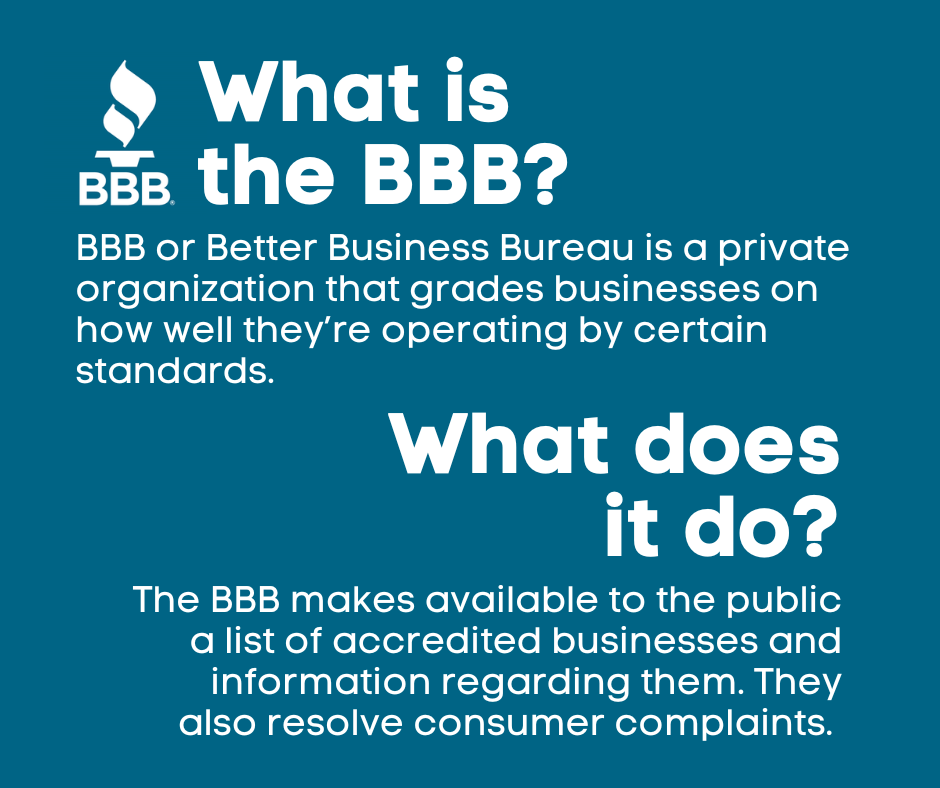
The Better Business Bureau rating remains a cornerstone of the modern economic ecosystem. By providing a standardized, transparent, and evidence-based method for evaluating business integrity, it empowers consumers to make smarter financial choices and encourages businesses to maintain high ethical standards.
Whether you are a consumer trying to avoid a scam, a freelancer vetting a new client, or a business owner looking to build a reputable brand, the BBB rating is an indispensable tool. In the complex world of money and finance, where risks are high and information is often obscured, the BBB offers a clear signal amidst the noise—a beacon of trust that helps ensure the marketplace remains fair, transparent, and financially sound for everyone.
aViewFromTheCave is a participant in the Amazon Services LLC Associates Program, an affiliate advertising program designed to provide a means for sites to earn advertising fees by advertising and linking to Amazon.com. Amazon, the Amazon logo, AmazonSupply, and the AmazonSupply logo are trademarks of Amazon.com, Inc. or its affiliates. As an Amazon Associate we earn affiliate commissions from qualifying purchases.