
In the modern marketplace, where consumer skepticism is at an all-time high, the concept of “brand trust” has evolved from a marketing buzzword into a critical business asset. For many North American companies, one of the most recognizable symbols of this trust is the Better Business Bureau (BBB) accreditation seal. But what does it mean to be BBB accredited, and how does it function as a pillar of brand strategy?
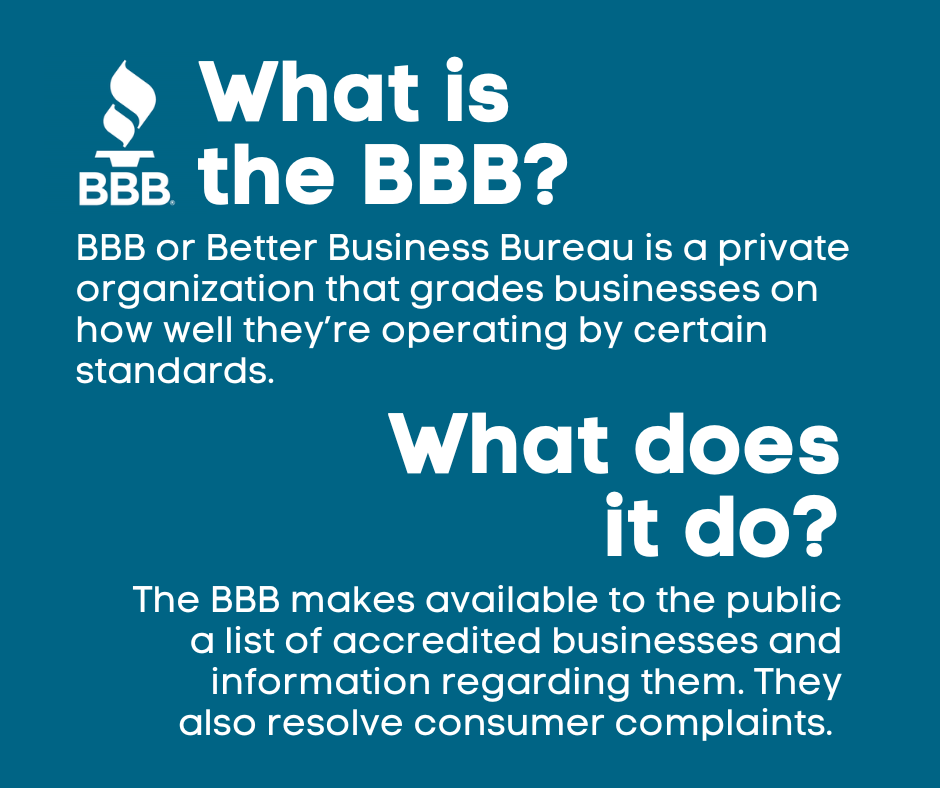
At its core, BBB accreditation is a formal recognition that a company meets the high standards of ethical business practices set by the Better Business Bureau. It is a third-party validation that signals to the world that a brand is committed to transparency, integrity, and responsiveness. For a business, this accreditation is not just a certificate; it is a strategic branding tool that communicates a set of core values to potential customers before a single word of sales copy is read.
Understanding BBB Accreditation in the Modern Brand Landscape
To understand the value of being BBB accredited, one must first look at the history of the Better Business Bureau. Founded in 1912, the BBB is a private, nonprofit organization that serves as an intermediary between consumers and businesses. While it is not a government agency, its influence on brand reputation is profound.
The Core Pillars of the Better Business Bureau
The BBB operates on a system of “Standards for Trust.” These standards are the benchmark by which all accredited brands are measured. They include building trust, advertising honestly, telling the truth, being transparent, honoring promises, being responsive, safeguarding privacy, and embodying integrity. From a branding perspective, these pillars represent the “DNA” of a reliable corporate identity. When a brand carries the BBB seal, it is essentially telling its audience that it has agreed to be held accountable to these eight rigorous standards.
How Accreditation Differs from a Simple Rating
It is a common misconception that every business listed on the BBB website is “accredited.” The BBB provides ratings (from A+ to F) for millions of businesses based on public data and complaint history. However, accreditation is a proactive choice made by a company. To become accredited, a business must undergo a thorough review process, pay accreditation fees, and commit to the BBB’s ethical standards. While a high rating is a reflection of past performance, accreditation is a forward-looking promise of brand behavior. It transforms a passive reputation into an active brand commitment.
The Strategic Value of the BBB Seal for Brand Authority
In a digital landscape filled with “fly-by-night” operations and automated bots, human-centric trust signals are more valuable than ever. Incorporating the BBB seal into a brand’s visual identity can significantly impact how that brand is perceived by both new and returning customers.
Establishing Instant Credibility with Consumers
The BBB “Torch” logo is one of the most recognized trust marks in the United States and Canada. For many consumers—particularly those in the Gen X and Baby Boomer demographics who hold significant purchasing power—the presence of this seal on a website or storefront provides immediate psychological reassurance. It functions as a heuristic, a mental shortcut that allows a consumer to bypass the “Is this a scam?” phase of the buyer’s journey and move directly into the “Is this product right for me?” phase. By leveraging this established authority, a brand can lower the barrier to entry for new customers.
Impact on Conversion Rates and Marketing Collateral
From a brand strategy standpoint, the BBB seal is a powerful conversion optimization tool. When placed strategically on landing pages, checkout screens, or email signatures, it serves as a “trust signal” that mitigates perceived risk. Marketing case studies often show that third-party endorsements increase conversion rates because they shift the burden of proof from the company to a neutral third party. In this context, BBB accreditation becomes a key component of a brand’s messaging, reinforcing the idea that the company is stable, reliable, and vetted.
The Requirements: How Brands Earn the Badge of Trust
Earning the right to display the BBB seal is not a mere financial transaction; it is an audit of a brand’s operational ethics. To maintain a strong corporate identity through the BBB, a brand must demonstrate consistency across several key areas.
Transparency and Ethical Advertising Standards
A brand’s identity is built on its promises. The BBB requires accredited businesses to adhere to strict “Codes of Advertising.” This means that any claims made in marketing materials—whether they concern pricing, performance, or results—must be verifiable. For a brand manager, this ensures that the marketing department and the legal/operational departments are aligned. Transparency also extends to the disclosure of business ownership, physical location, and return policies. By being transparent, a brand eliminates the “smoke and mirrors” often associated with aggressive digital marketing, thereby strengthening its reputation for honesty.
Responsive Customer Service and Dispute Resolution
Perhaps the most critical aspect of BBB accreditation is the commitment to dispute resolution. No brand is perfect, and mistakes are inevitable. However, what defines a premium brand is how it handles those mistakes. The BBB provides a platform for consumers to file complaints, and accredited businesses are required to respond to these complaints in good faith. From a brand strategy perspective, this is an opportunity for “service recovery.” A brand that handles a public complaint with grace, speed, and fairness often earns more loyalty than a brand that has never had a complaint at all. It demonstrates that the brand values the relationship over the individual transaction.
Leveraging BBB Accreditation for Competitive Brand Positioning
In a saturated market, differentiation is the key to survival. While many companies focus on price or features, smart brands focus on reliability. BBB accreditation can be the “tie-breaker” in a customer’s decision-making process.
Differentiating Your Business in a Saturated Market
If two companies offer similar services at similar prices, the consumer will inevitably look for a reason to trust one over the other. If Company A is BBB accredited and Company B is not, Company A has a distinct competitive advantage. This accreditation acts as a badge of professionalism. It signals that the brand is not just looking for a quick sale but is invested in long-term community standing. For local service brands—such as contractors, lawyers, or HVAC companies—this differentiation is particularly potent, as local reputation is the primary driver of new business.
Local SEO and Digital Brand Presence
Beyond the psychological impact, BBB accreditation offers tangible benefits for a brand’s digital footprint. The BBB website is a high-authority domain. When a business becomes accredited, it receives a profile on BBB.org that links back to the company’s website. In the world of search engine optimization (SEO), this is a high-quality backlink that signals to Google and other search engines that the brand is a legitimate entity. Furthermore, “BBB” is a high-volume search term; consumers often search for “[Brand Name] BBB” before making a purchase. Having a verified, A+ accredited profile ensure that the first thing they see is a positive, authoritative representation of the brand.

Conclusion: Is BBB Accreditation Right for Your Brand Strategy?
As we look toward the future of commerce, the value of third-party validation will only continue to grow. While some critics argue that digital-native review platforms like Yelp or Google Reviews have superseded the BBB, the reality is that the BBB offers something those platforms do not: a structured, ethical framework for business conduct.
For a brand, being BBB accredited is an investment in its corporate identity. It is a declaration that the company is willing to be held to a higher standard. It provides a “seal of approval” that resonates with a wide demographic, enhances digital visibility, and provides a framework for ethical marketing.
Ultimately, BBB accreditation is about more than just a grade on a website. It is about the long-term health of a brand. By aligning a business with the BBB’s standards of trust, leaders can build a brand that is not only profitable but also respected. In the end, a brand’s most valuable asset is its reputation, and BBB accreditation remains one of the most effective ways to protect, enhance, and communicate that reputation to the world. For any brand looking to solidify its position as a market leader, the “Torch” of the BBB is a flame worth carrying.
aViewFromTheCave is a participant in the Amazon Services LLC Associates Program, an affiliate advertising program designed to provide a means for sites to earn advertising fees by advertising and linking to Amazon.com. Amazon, the Amazon logo, AmazonSupply, and the AmazonSupply logo are trademarks of Amazon.com, Inc. or its affiliates. As an Amazon Associate we earn affiliate commissions from qualifying purchases.