
The concept of a “basic wage” in the UK is fundamentally tied to the government-mandated minimum pay rates designed to ensure workers receive a fair standard of remuneration for their labour. Unlike some other nations that might use terms like “living wage” to denote a general floor, the UK operates a multi-tiered system known officially as the National Minimum Wage (NMW) and, for older workers, the National Living Wage (NLW). Understanding this framework is crucial for both employees seeking fair compensation and businesses striving for compliance and sustainable financial planning. This comprehensive overview delves into the specifics, economic impacts, and ongoing evolution of the basic wage structure in the United Kingdom, providing vital insights into a cornerstone of its financial landscape.
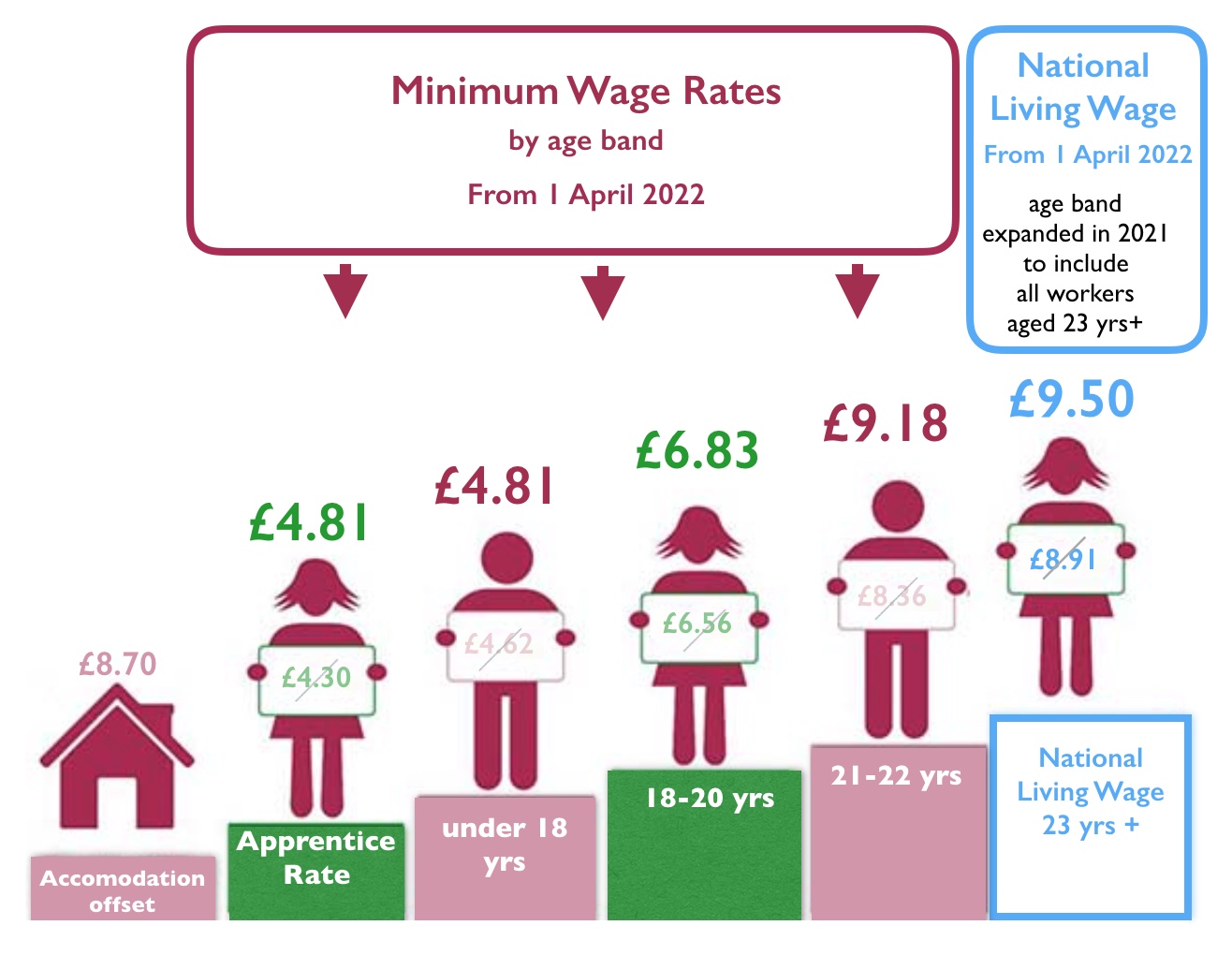
Understanding the UK’s Minimum Wage Framework
The UK’s journey towards a statutory minimum wage began relatively recently compared to other industrialised nations, with its introduction in 1999. Prior to this, wage floors were largely determined by collective bargaining agreements or industry-specific wage councils. The shift to a nationwide minimum signalled a significant policy decision aimed at combating poverty, reducing in-work inequality, and establishing a baseline for fair employment practices across all sectors.
The Evolution of Minimum Wage in the UK
The initial National Minimum Wage was set at £3.60 per hour for adult workers, a figure that has seen consistent increases over the subsequent decades. These increases have largely been driven by recommendations from the Low Pay Commission (LPC), an independent body that advises the government on minimum wage rates. The LPC considers a range of factors including economic conditions, employment levels, business competitiveness, and the overall cost of living when making its recommendations.
A significant development occurred in 2016 with the introduction of the National Living Wage (NLW). Initially, this was presented as a new premium rate for workers aged 25 and over, effectively creating a higher minimum wage for older, more experienced employees. The government’s ambition was for the NLW to reach 66% of median earnings by 2024, an objective that has profoundly shaped the trajectory of minimum wage policy and its impact on the economy. In subsequent years, the age threshold for the NLW was progressively lowered, eventually encompassing workers aged 21 and over from April 2024, blurring the lines between the NLW and the original NMW for younger workers. This evolution reflects an ongoing political and economic commitment to ensuring that a greater proportion of the working population benefits from the highest available statutory minimum pay.
Key Components: National Living Wage (NLW) vs. National Minimum Wage (NMW)
The UK’s “basic wage” is not a single, universal rate but rather a tiered system based primarily on age:
- National Living Wage (NLW): This is the highest statutory minimum rate and applies to workers aged 21 and over. It is typically reviewed annually and updated in April, aiming to provide a higher standard of living for adult workers. Its explicit goal is to keep pace with median earnings, ensuring a relative measure of fairness.
- National Minimum Wage (NMW): This encompasses the rates for younger workers and apprentices:
- 18-20 Year Old Rate: A specific rate applies to workers in this age bracket, reflecting their typical stage of career development and experience.
- Under 18 Rate: A separate, lower rate is set for workers aged under 18 who are no longer of compulsory school age. This acknowledges their entry-level status and often part-time employment patterns.
- Apprentice Rate: A distinct minimum wage applies to apprentices. This rate is valid for apprentices aged under 19, or for those aged 19 and over but in the first year of their apprenticeship. After the first year, if an apprentice is 19 or over, they are entitled to the NMW rate for their age.
These distinct rates mean that an employer must correctly identify the age and employment status of each worker to ensure they are paid the appropriate statutory minimum. Failure to do so constitutes an underpayment and can lead to significant penalties.
Who is Entitled to the Basic Wage?
The entitlement to the basic wage in the UK is broad, covering most workers, regardless of their employment contract type, be it full-time, part-time, temporary, or casual. The principle is that if you are a worker (as defined by employment law), you are generally entitled to at least the relevant minimum wage. However, there are specific age criteria and some limited exceptions that define who qualifies for which rate.
Age-Specific Rates
As detailed previously, entitlement to the National Living Wage or one of the National Minimum Wage rates is primarily determined by age:
- 21 and Over: Entitled to the National Living Wage.
- 18 to 20: Entitled to the NMW rate for this age group.
- Under 18 (but above compulsory school age): Entitled to the NMW rate for under 18s.
These age brackets are strictly applied, and an employer must ensure that a worker’s pay automatically increases to the next applicable rate on their birthday. This requires diligent record-keeping and payroll management to avoid underpayment.
Apprentices and Their Entitlements
Apprenticeships are a crucial pathway for skills development in the UK, and they have their own specific minimum wage provisions. The apprentice rate applies to:
- Apprentices who are under 19 years old.
- Apprentices who are aged 19 or over but are in the first year of their apprenticeship.
Once an apprentice is aged 19 or over and has completed the first year of their apprenticeship, they are entitled to the relevant NMW or NLW rate for their age. This structure aims to balance the lower productivity often associated with the early stages of training with fair compensation as an apprentice gains experience and contributes more to the business.
Exclusions and Special Cases
While the vast majority of workers are covered, there are a few specific exclusions from the basic wage entitlement:
- Self-employed individuals: These individuals run their own businesses and are not considered employees.
- Company Directors: Unless they have an employment contract with the company.
- Volunteers: Who receive only expenses.
- Members of the armed forces.
- Certain agricultural workers: In some cases, specific agricultural minimum wages apply, though these largely mirror or exceed the national rates.
- People living in a religious community.
- Workers on government employment programmes: Though many will be paid at least the minimum wage.
It’s also important to note that the basic wage applies to the gross amount of pay before deductions for tax and National Insurance. However, certain deductions or payments, such as charges for accommodation provided by an employer, can affect whether the worker is receiving the minimum wage once these are accounted for. The rules around these deductions are complex and strictly monitored by HMRC.
The Economic Impact of Basic Wage
The basic wage, particularly the National Living Wage, is a powerful tool with far-reaching economic implications, affecting individual financial stability, business viability, and the broader macroeconomic landscape. Its regular adjustments are subjects of intense debate among economists, policymakers, and industry stakeholders.
For Employees: Financial Security and Living Standards
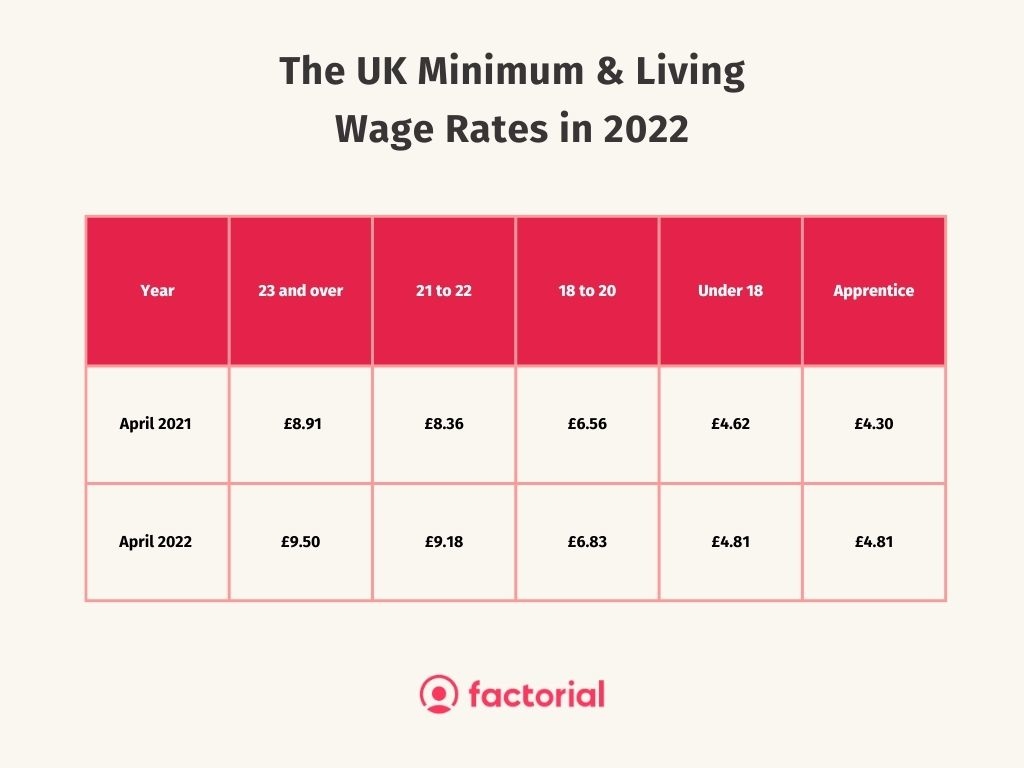
For millions of low-paid workers in the UK, the basic wage is a lifeline. It provides a statutory floor that ensures they can meet fundamental living costs, contributing significantly to their financial security and reducing reliance on state benefits. Regular increases in the minimum wage can:
- Reduce in-work poverty: By lifting the incomes of the lowest earners, it helps mitigate poverty among individuals and families where at least one person is employed.
- Improve living standards: Higher wages mean greater disposable income, allowing individuals to afford better housing, nutrition, healthcare, and leisure activities, thereby enhancing their overall quality of life.
- Boost morale and productivity: Workers who feel fairly compensated are often more motivated, engaged, and productive, leading to benefits for both the employee and the employer.
- Reduce gender and age pay gaps: By setting a universal floor, the basic wage can disproportionately benefit groups often found in lower-paid roles, such as women and younger workers, helping to narrow existing pay disparities.
For Employers: Costs, Competitiveness, and Productivity
While beneficial for employees, the basic wage represents a significant cost consideration for businesses, particularly those operating with tight margins or in sectors that traditionally rely on lower-skilled labour.
- Increased wage bill: Businesses must absorb the direct cost of higher wages, which can impact profitability, especially for small and medium-sized enterprises (SMEs).
- Impact on competitiveness: Companies operating in competitive markets may find it challenging to pass increased labour costs onto consumers through higher prices, potentially eroding their competitive edge.
- Automation and investment: To offset rising labour costs, some businesses might invest in automation or process improvements to reduce their reliance on human labour, which can have mixed long-term effects on employment.
- Productivity gains: Conversely, some employers report that paying a higher basic wage leads to lower staff turnover, reduced recruitment and training costs, and increased productivity from a more motivated workforce, effectively offsetting some of the initial wage bill increases. This is often referred to as the “efficiency wage” theory.
- Wage compression: A potential side effect is wage compression, where the gap between the lowest-paid workers and those just above the minimum wage shrinks, potentially affecting the morale of those slightly higher up the pay scale who do not see a proportional increase.
Broader Economic Implications
Beyond individuals and businesses, the basic wage has macroeconomic effects:
- Aggregate demand: Increased disposable income for low earners can stimulate consumer spending, boosting aggregate demand in the economy.
- Inflationary pressure: Critics sometimes argue that significant increases in the minimum wage can contribute to inflation by driving up labour costs, which businesses may pass on to consumers. However, evidence for this strong link in the UK has often been weak or contained, with other factors typically having a greater influence.
- Employment levels: Debates persist about whether a higher minimum wage leads to job losses as businesses reduce their workforce to manage costs. Studies in the UK have generally found that modest, well-signalled increases have had limited negative impacts on overall employment levels, although specific sectors or regions might experience some effects.
- Government revenue: Higher wages lead to increased tax receipts (income tax and National Insurance contributions), potentially boosting government revenue.
Enforcement and Compliance
Ensuring that businesses comply with the basic wage regulations is critical to its effectiveness. Her Majesty’s Revenue and Customs (HMRC) is the primary body responsible for enforcing NMW and NLW rules in the UK.
HMRC’s Role in Monitoring and Investigation
HMRC proactively monitors employers for compliance and investigates complaints of underpayment. Their activities include:
- Targeted enforcement campaigns: Focusing on sectors known for high rates of non-compliance.
- Responding to complaints: Investigating reports from employees, trade unions, or other bodies.
- Audits and inspections: Conducting checks on employers’ payroll records and practices.
- Issuing notices of underpayment: Requiring employers to pay back arrears to workers at current minimum wage rates, even if the underpayment occurred when the rates were lower.
Penalties for Non-Compliance
Employers found to be paying below the basic wage face significant penalties:
- Financial penalties: A penalty of up to 200% of the arrears owed to workers, capped at £20,000 per worker.
- Public naming and shaming: The government regularly publishes a list of employers who have failed to pay the minimum wage, generating negative publicity and reputational damage.
- Criminal prosecution: In the most serious cases, employers can face criminal prosecution, including unlimited fines and disqualification as a company director.
These measures underscore the government’s commitment to protecting vulnerable workers and ensuring a level playing field for businesses that comply with the law.
Employee Rights and Reporting Underpayments
Workers who suspect they are not being paid the correct basic wage have clear avenues to seek redress:
- Speak to their employer: Often, an underpayment can be an honest mistake that can be rectified quickly.
- Contact Acas (Advisory, Conciliation and Arbitration Service): Acas provides free, impartial advice to employees and employers on workplace issues, including minimum wage entitlements.
- Complain to HMRC: If direct approaches fail, or if an employee prefers not to approach their employer, they can make a confidential complaint to HMRC.
It is illegal for an employer to dismiss or detrimentally treat an employee for asserting their right to the minimum wage.
Looking Ahead: Debates and Future of Basic Wage
The basic wage in the UK is not a static concept; it is continually evolving in response to economic conditions, social demands, and political objectives. The ongoing discourse surrounding its level and scope shapes its future trajectory.
The ‘Real Living Wage’ Movement
Beyond the government’s statutory National Living Wage, there is a separate concept known as the ‘Real Living Wage’, championed by the Living Wage Foundation. This is a voluntary rate calculated independently by the Resolution Foundation and KPMG, based on actual living costs in the UK, and separately for London. It is typically higher than the government’s National Living Wage and aims to reflect what people need to earn to afford a decent standard of living. Employers choose to accredit as ‘Living Wage Employers’ by committing to pay this rate to all their staff. The growth of this movement highlights a societal push for wages that do more than just meet a legal minimum, but genuinely support a reasonable quality of life.
The Future Trajectory of Minimum Wage Policy
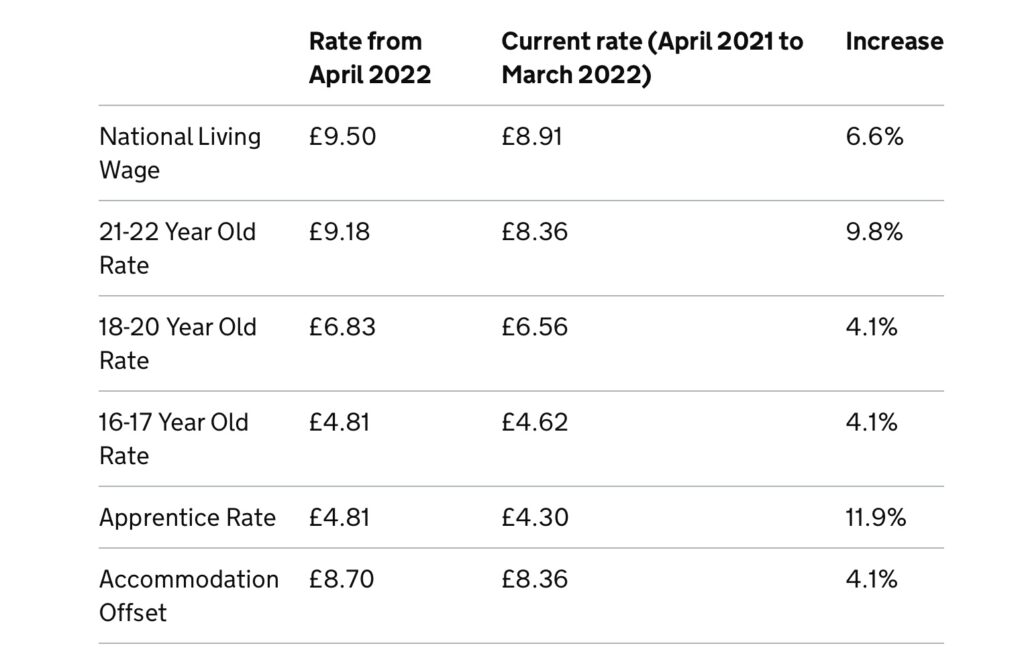
The government has largely met its target of the National Living Wage reaching 66% of median earnings. Future policy debates will likely focus on:
- Maintaining the relative value: How to ensure the NLW continues to track median earnings or potentially aim for a higher benchmark, without detrimental effects on employment.
- Expanding coverage: The eventual lowering of the NLW age threshold to 21 has been a significant step, but discussions might continue regarding further lowering this to include even younger adult workers.
- Regional disparities: While the NMW/NLW is a national rate, the cost of living varies significantly across the UK. This continues to fuel debates about potential regional minimum wages or greater support for the ‘Real Living Wage’ in high-cost areas.
- Sector-specific challenges: Addressing how the minimum wage impacts particularly vulnerable sectors or business models.
- The broader financial landscape: How the basic wage interacts with other aspects of the social security system, tax thresholds, and the overall cost of living crisis, influencing the financial well-being of millions.
In conclusion, the basic wage in the UK, embodied by the National Living Wage and National Minimum Wage, is a complex and dynamic system. It serves as a vital financial safeguard for employees, a significant cost factor for businesses, and a key lever in government economic policy, continuously adapting to ensure a fairer and more equitable financial landscape for all.
aViewFromTheCave is a participant in the Amazon Services LLC Associates Program, an affiliate advertising program designed to provide a means for sites to earn advertising fees by advertising and linking to Amazon.com. Amazon, the Amazon logo, AmazonSupply, and the AmazonSupply logo are trademarks of Amazon.com, Inc. or its affiliates. As an Amazon Associate we earn affiliate commissions from qualifying purchases.