
The term “barn lime” might conjure images of rustic farmhouses and traditional agricultural practices. While its origins are indeed steeped in the history of farming, understanding barn lime in the modern context reveals a surprisingly versatile and financially relevant substance. Far from being a mere historical artifact, barn lime, or more accurately, agricultural lime, has significant implications for business finance, particularly within the agricultural sector and related industries. This article delves into what barn lime is, its various applications, and importantly, its financial considerations, exploring why businesses involved in agriculture, land management, and even construction should understand its economic value.
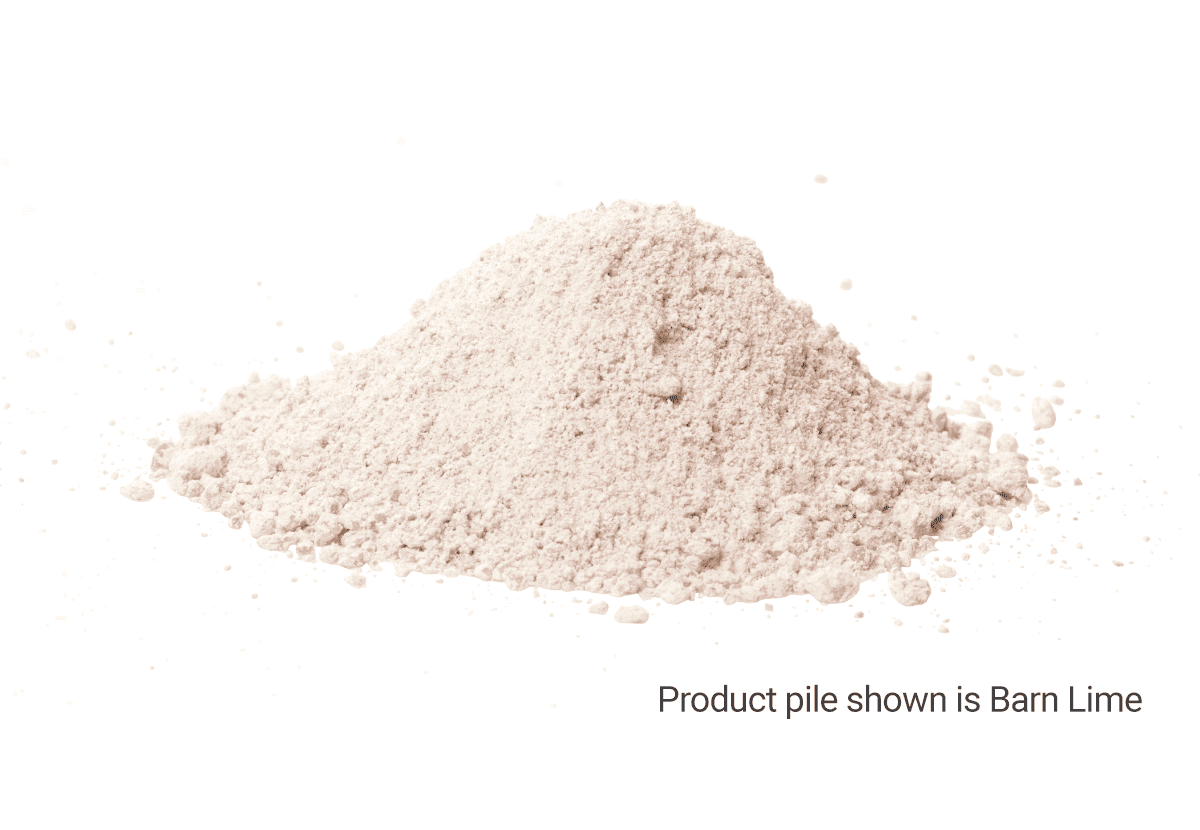
The Chemical Composition and Properties of Agricultural Lime
At its core, barn lime is a broad term for calcium-rich materials used to improve soil and other materials. The primary active ingredients are calcium carbonate (CaCO₃) and magnesium carbonate (MgCO₃), often found in naturally occurring limestone or dolomite deposits. The “lime” in barn lime doesn’t refer to the citrus fruit but to the calcined products derived from heating these carbonates, such as calcium oxide (quicklime) and calcium hydroxide (slaked lime). While historically, farmers might have used readily available crushed limestone directly, modern agricultural lime often undergoes processing to enhance its effectiveness and ease of application.
Limestone: The Primary Source
The foundation of barn lime lies in limestone, a sedimentary rock. Quarries extract vast quantities of limestone, which is then crushed and screened to produce agricultural lime. The particle size is crucial, as it affects the speed at which the lime reacts with the soil. Finer particles react more quickly, offering a faster pH adjustment, while coarser particles provide a slower, more sustained release of calcium. The mining and processing of limestone represent a significant industrial operation, with associated costs in extraction, machinery, labor, and transportation. These upstream costs directly influence the price of agricultural lime, making it a tangible input for many businesses.
Beyond Limestone: Dolomitic Lime and Other Forms
While limestone is the most common source, some agricultural lime products are derived from dolomite, a mineral composed of calcium magnesium carbonate. This is known as dolomitic lime and is particularly beneficial in soils deficient in magnesium. The presence of magnesium offers a dual benefit, addressing both acidity and magnesium nutrient needs simultaneously.
Other forms of processed lime, such as quicklime (calcium oxide) and slaked lime (calcium hydroxide), are also used in various industrial applications, including some related to land remediation and construction, which often have direct financial implications for businesses. Quicklime is produced by heating limestone in kilns, a highly energy-intensive process that significantly increases its reactivity but also its cost. Slaked lime is produced by adding water to quicklime. While these processed forms are more reactive and can be used in specific soil amendments or industrial processes, their higher production costs mean they are generally more expensive than finely ground limestone. Understanding these different forms and their associated production costs is essential for businesses making purchasing decisions.
Financial Implications: From Soil Health to Business Profitability
The primary economic driver for the use of barn lime, or agricultural lime, is its impact on soil health, which directly translates to increased crop yields and improved livestock environments. This, in turn, affects the profitability of farms and related agricultural businesses.
Soil pH and Nutrient Availability: The Core Economic Benefit
The most significant financial benefit of applying agricultural lime stems from its ability to neutralize soil acidity. Most crops thrive within a specific pH range, typically between 6.0 and 7.0. As soils become acidic, essential nutrients like phosphorus, potassium, calcium, and magnesium become less available to plants, even if they are present in the soil. This nutrient lockout leads to stunted growth, reduced yields, and increased susceptibility to diseases and pests.
By raising soil pH, agricultural lime makes these nutrients more accessible to plant roots. This improved nutrient uptake leads to healthier, more vigorous plants, which directly translates to higher yields and better quality produce. For farmers, this means more revenue per acre. For businesses supplying fertilizers, improved soil conditions can lead to more efficient fertilizer use, potentially reducing overall input costs for their clients. The decision to invest in liming is therefore a direct financial decision aimed at maximizing return on investment through enhanced agricultural productivity.
Impact on Fertilizer Efficiency and Cost Reduction
The improved nutrient availability resulting from liming also enhances the efficiency of fertilizer applications. When soils are acidic, a significant portion of applied fertilizers, especially phosphorus and nitrogen, can be lost through chemical reactions or leaching. By correcting the pH, lime ensures that a larger percentage of the applied fertilizer is actually utilized by the plants. This means farmers can potentially reduce their fertilizer application rates or achieve better results with the same amount of fertilizer, leading to direct cost savings. For businesses that sell fertilizers, understanding the benefits of liming allows them to offer more comprehensive solutions to their clients, potentially increasing sales volume by demonstrating overall cost-effectiveness rather than just focusing on individual product prices.
Enhancing Livestock Environments and Reducing Disease

Beyond crop production, barn lime has significant financial benefits in livestock management. In barns and animal housing, lime is used as a bedding additive and an odor absorbent. Its alkaline nature helps to neutralize ammonia, a byproduct of animal waste. High ammonia levels can irritate the respiratory systems of livestock, leading to increased susceptibility to diseases, reduced growth rates, and decreased milk production in dairy animals. By reducing ammonia concentrations, lime improves air quality, leading to healthier animals and fewer veterinary expenses. This translates to direct cost savings for livestock producers and improved productivity, ultimately impacting their bottom line. Furthermore, the drying properties of lime can help reduce moisture in bedding, creating a more comfortable environment and potentially reducing the incidence of hoof problems and other foot-related ailments.
The Market and Business of Barn Lime
The production, distribution, and application of agricultural lime constitute a significant industry with its own economic dynamics and business opportunities.
Quarrying, Processing, and Distribution Networks
The agricultural lime market involves a complex supply chain. Quarrying companies extract the raw limestone, while processing plants crush, screen, and sometimes pelletize the material. Distribution networks, often involving trucking companies and agricultural supply stores, ensure the lime reaches the farms. Each stage of this process incurs costs related to equipment, labor, energy, and logistics. Businesses involved in any of these segments must carefully manage their operational costs, pricing strategies, and market reach to ensure profitability. For instance, investing in more efficient crushing and screening technology can reduce processing costs per ton, while optimizing trucking routes can lower transportation expenses.
Application Services and Equipment
Beyond the supply of lime itself, businesses also profit from its application. Specialized spreading services utilize large trucks or tractors equipped with calibrated spreaders to ensure uniform application across fields. The cost of these services is a crucial factor for farmers in their budgeting. Businesses offering these services must invest in reliable, well-maintained equipment and employ skilled operators. The timing of lime application is also critical, often coinciding with off-season periods for crop planting, requiring careful scheduling and resource management. Innovations in spreading technology, such as GPS-guided application for precise field coverage and variable rate liming based on soil tests, offer opportunities for businesses to enhance their service offerings and potentially command premium pricing.
Regulatory Compliance and Environmental Considerations
While the primary focus is often on economic benefits, businesses in the barn lime industry must also navigate regulatory landscapes and environmental considerations. Mining operations are subject to environmental impact assessments and permitting processes. The transportation of lime, especially in bulk, requires adherence to road weight limits and safety regulations. Furthermore, responsible agricultural practices emphasize soil health and sustainability, which can influence the demand for certain types of lime products and application methods. Businesses that can demonstrate environmentally sound practices and compliance with regulations may gain a competitive advantage and attract environmentally conscious customers.
Investment and Economic Value Beyond Agriculture
While agricultural applications dominate, the financial implications of lime extend to other sectors, presenting diverse business opportunities and investment considerations.
Construction and Industrial Uses
Quicklime and hydrated lime, derived from limestone, are essential components in the construction industry. They are used in mortar, plaster, and as a stabilizer for soil in road construction. These industrial applications represent a significant market for lime producers, often with different pricing structures and demand patterns than agricultural lime. Businesses in the construction sector must understand the cost and performance characteristics of various lime products when specifying materials for their projects. For lime producers, diversification into industrial markets can provide a hedge against fluctuations in agricultural demand and offer higher profit margins.
Environmental Remediation and Water Treatment
Lime plays a crucial role in environmental applications, particularly in water treatment and wastewater management. Its alkalinity can be used to neutralize acidic industrial effluents and to precipitate heavy metals, thereby purifying water before discharge. In soil remediation, lime can be used to stabilize contaminated soils and reduce their mobility. These applications, while often driven by regulatory requirements rather than direct profit motives for the end-user, create demand for lime products and specialized services. Businesses involved in environmental consulting, engineering, and waste management often integrate lime-based solutions into their offerings, representing a growing area of economic activity. The financial viability of these ventures depends on understanding the specific chemical properties of lime and its effectiveness in addressing particular environmental challenges, as well as the costs associated with its application.

The Broader Economic Ecosystem
The market for barn lime, in its various forms, creates a ripple effect throughout the economy. It supports jobs in quarrying, manufacturing, transportation, and specialized application services. It influences the profitability of agricultural operations, impacting food prices and the broader agricultural economy. Investments in lime production facilities, efficient transportation logistics, and advanced application technologies are all driven by the economic value that lime brings to various sectors. Understanding the market dynamics, cost structures, and demand drivers within the lime industry is therefore crucial for businesses operating within or adjacent to these sectors, as well as for investors looking to identify opportunities in the industrial materials and agricultural input markets. The economic story of barn lime is one of fundamental chemical properties translating into tangible financial benefits across a diverse range of industries.
aViewFromTheCave is a participant in the Amazon Services LLC Associates Program, an affiliate advertising program designed to provide a means for sites to earn advertising fees by advertising and linking to Amazon.com. Amazon, the Amazon logo, AmazonSupply, and the AmazonSupply logo are trademarks of Amazon.com, Inc. or its affiliates. As an Amazon Associate we earn affiliate commissions from qualifying purchases.