
In the landscape of global personal finance, few names carry as much historical weight or consumer recognition as Barclaycard. As the credit card arm of the multinational British bank Barclays PLC, Barclaycard represents a massive ecosystem of revolving credit, financial management tools, and consumer protections. Understanding what Barclaycard is requires more than just identifying it as a piece of plastic in a wallet; it is a sophisticated financial instrument designed to facilitate liquidity, reward loyalty, and provide a buffer for consumer spending.
Since its inception, Barclaycard has evolved from a pioneering experiment in UK consumer lending into a diversified suite of products that cater to everyone from first-time credit builders to high-net-worth travelers and large-scale corporations. For the modern consumer, navigating the various offerings requires a deep dive into how these tools function within a broader personal finance strategy.

The Evolution and Foundation of Barclaycard
To understand the current state of Barclaycard, one must look at its origins as a disruptor in the financial sector. Launched in 1966, it was the first credit card introduced in the United Kingdom. At the time, the concept of “revolving credit”—where a consumer could borrow up to a limit, pay it back, and borrow again without a fixed term—was revolutionary. It fundamentally changed how households managed their monthly budgets and paved the way for the modern cashless society.
From the First UK Credit Card to Global Finance
In the mid-1960s, the financial world was dominated by cash and checks. Barclaycard’s introduction of the first credit card was met with both skepticism and intrigue. By licensing the technology and system from BankAmericard (which later became Visa), Barclays established a infrastructure that allowed merchants to accept electronic payments and consumers to delay payment for goods. This legacy of innovation has continued through the decades, with Barclaycard often being the first to adopt technologies like chip-and-PIN, contactless payments, and integrated mobile management.
The Role Within Barclays PLC
Barclaycard does not exist in a vacuum; it is a core division of Barclays PLC, one of the “Big Four” banks in the UK with a massive international footprint. While Barclays handles traditional banking—current accounts, mortgages, and savings—Barclaycard focuses specifically on credit products. This distinction is important for consumers because it allows for a specialized focus on lending products that offer competitive interest rates, sophisticated fraud protection, and niche reward programs that might not be available through a standard debit facility.
Navigating the Product Suite: Finding the Right Financial Tool
Barclaycard offers a diverse range of products, each designed to solve a specific financial problem or serve a particular lifestyle. In the realm of personal finance, selecting the wrong type of card can lead to unnecessary interest charges, while selecting the right one can result in significant savings or travel benefits.
Purchase and Balance Transfer Cards
One of the most popular uses for a Barclaycard is debt management via balance transfers. These cards often feature introductory periods with 0% interest on balances moved from other high-interest credit cards. For a consumer looking to consolidate debt, this is a powerful tool to stop the cycle of interest and pay down the principal balance. Similarly, “Purchase Cards” offer 0% interest on new spending for a set number of months, making them an ideal way to finance large, necessary expenses—like home repairs or appliances—without incurring immediate financing costs.
Rewards and Cashback Incentives
For those who pay their balance in full every month, Barclaycard’s rewards ecosystem provides a way to earn a return on everyday spending. These products generally fall into two categories:
-
Cashback Cards: These return a percentage of every pound spent directly to the cardholder’s account. This is a straightforward way to reduce the overall cost of living.
-
Travel and Avios Cards: Through partnerships with organizations like British Airways, certain Barclaycards allow users to earn Avios (reward points) on their spending. For frequent travelers, these points can be redeemed for flights, upgrades, and hotel stays, often providing a higher “value per point” than traditional cashback.
Specialist Options: Forward and Business Cards
Barclaycard also addresses underserved segments of the market. The “Barclaycard Forward” card is a credit-building tool designed for individuals with limited credit history or those looking to repair a damaged score. By providing lower credit limits and tools for responsible management, it acts as a stepping stone to more advanced financial products. On the other side of the spectrum, Barclaycard Business provides corporate entities with tools to manage employee expenses, optimize cash flow, and integrate spending data directly into accounting software.
Understanding the Mechanics: APR, Fees, and Credit Management

A fundamental part of understanding what Barclaycard is involves grasping the mathematics of credit. Credit cards are high-interest debt instruments if used incorrectly, and the “cost” of the card is determined by several key factors.
The Importance of the Annual Percentage Rate (APR)
The APR is the most critical metric for any Barclaycard holder. It represents the annual cost of borrowing, including interest and any mandatory fees. While Barclaycard offers competitive rates, these are often “representative,” meaning the actual rate a consumer receives is based on their individual creditworthiness. In the world of personal finance, a lower APR means less interest paid over time, making it essential for users to maintain a high credit score to qualify for the best available rates.
Fee Structures and Penalty Avoidance
Beyond interest, Barclaycard accounts are subject to various fees that can erode financial progress if not monitored. These include:
-
Late Payment Fees: Charged if the minimum payment is not received by the due date.
-
Cash Advance Fees: High-cost charges for withdrawing cash from an ATM using a credit card.
-
Foreign Transaction Fees: A percentage fee added to purchases made in non-local currencies (though some premium Barclaycards waive this).
Understanding these fees is vital for “optimizing” the card—ensuring that the benefits of the card outweigh the costs of maintaining it.
Building and Protecting Your Credit Profile
Using a Barclaycard responsibly is one of the most effective ways to influence a credit report. Each month, Barclaycard reports the cardholder’s activity to credit reference agencies. Consistent, on-time payments and maintaining a low “credit utilization ratio” (the amount of credit used versus the total limit available) signal to future lenders that the individual is a low-risk borrower. This can lead to better rates on future mortgages, car loans, and personal loans.
Digital Integration and Modern Financial Security
In the digital age, a credit card is only as good as the software that supports it. Barclaycard has invested heavily in a digital-first approach that prioritizes both user experience and rigorous security protocols.
The Barclaycard App and Spend Management
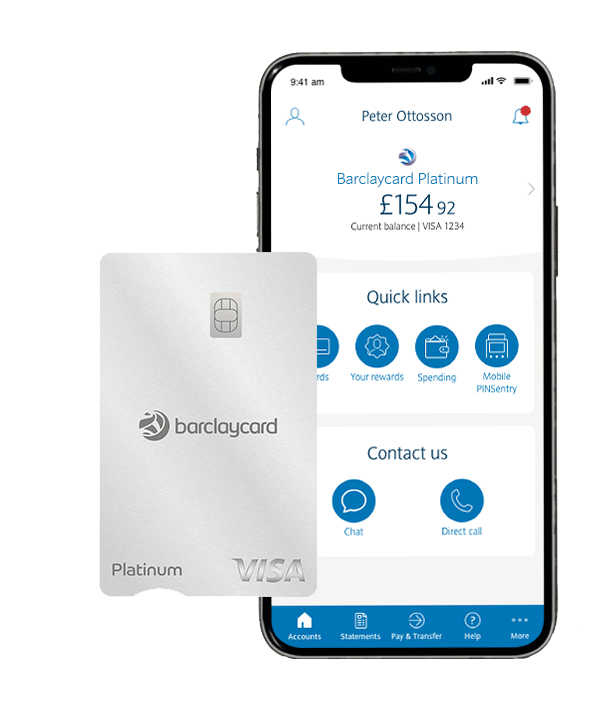
The Barclaycard mobile app serves as a central command center for personal finance. Users can track their spending in real-time, categorize purchases to see where their money is going, and set up alerts to prevent overspending. Features like “Purchase Notifications” provide an immediate alert whenever the card is used, which is a critical first line of defense against unauthorized transactions. Additionally, the app allows for seamless payment of bills, ensuring that users never miss a due date and avoid unnecessary late fees.
Security Protocols and Fraud Protection
One of the primary reasons consumers choose a Barclaycard over a debit card for large purchases is the enhanced level of security. Barclaycard employs sophisticated AI algorithms that monitor spending patterns to detect anomalies. If a suspicious transaction occurs in a different country or at an unusual time, the system can automatically freeze the card and alert the user. Furthermore, under Section 75 of the Consumer Credit Act in the UK, purchases between £100 and £30,000 are legally protected. If a merchant goes bust or the goods are faulty, Barclaycard is jointly liable with the retailer, providing a level of financial insurance that cash or debit cannot match.
Strategic Financial Planning with Barclaycard
Ultimately, Barclaycard is a tool that should be used strategically to enhance one’s financial position. Whether the goal is to bridge a gap in cash flow, earn rewards, or protect a major purchase, the key lies in intentionality.
Debt Consolidation Strategies
For those carrying balances across multiple high-interest retail cards or personal loans, a Barclaycard balance transfer can act as a financial “reset button.” By moving those balances to a 0% introductory offer, the consumer can stop the accumulation of interest and focus entirely on principal reduction. However, the strategy only works if the consumer avoids making new purchases on the card and commits to paying off the balance before the 0% period expires.
Maximizing Travel and Lifestyle Benefits
High-income earners often use Barclaycard as a primary spending tool to “stack” rewards. By channeling all monthly expenses—utilities, groceries, insurance—through a rewards-based Barclaycard and then paying the balance in full from a current account, users can earn thousands of points or significant cashback without ever paying a penny in interest. This “transactor” model (as opposed to a “revolver” model) turns a credit card into a passive income stream, effectively discounting every purchase made.
In conclusion, Barclaycard is far more than a simple lending service. It is a multi-faceted financial platform that offers safety, flexibility, and opportunity. By understanding the specific products, the mechanics of interest and fees, and the power of the digital management tools provided, consumers can leverage Barclaycard to build a more secure and rewarding financial future. Whether you are rebuilding your credit or looking to fly across the world on points, there is likely a Barclaycard product designed for that specific mission.
aViewFromTheCave is a participant in the Amazon Services LLC Associates Program, an affiliate advertising program designed to provide a means for sites to earn advertising fees by advertising and linking to Amazon.com. Amazon, the Amazon logo, AmazonSupply, and the AmazonSupply logo are trademarks of Amazon.com, Inc. or its affiliates. As an Amazon Associate we earn affiliate commissions from qualifying purchases.