
A bar crawl, traditionally viewed as a social pursuit involving a group moving from one pub to another to consume alcoholic beverages, has evolved into a sophisticated instrument of brand strategy and experiential marketing. In the modern commercial landscape, the bar crawl serves as a high-engagement vehicle for community building, product launches, and demographic targeting. By transitioning the concept from a casual weekend activity into a structured marketing event, brands can create immersive environments that foster loyalty and facilitate direct consumer interaction.
The Anatomy of a Commercial Bar Crawl
At its core, a professionally organized bar crawl is a curated itinerary designed to optimize foot traffic and dwell time within a specific geographic cluster of venues. When approached from a brand strategy perspective, the “crawl” is not merely about movement; it is about managing a narrative journey that guides the participant through a series of touchpoints, each reinforcing the brand’s identity.
Defining the Objectives
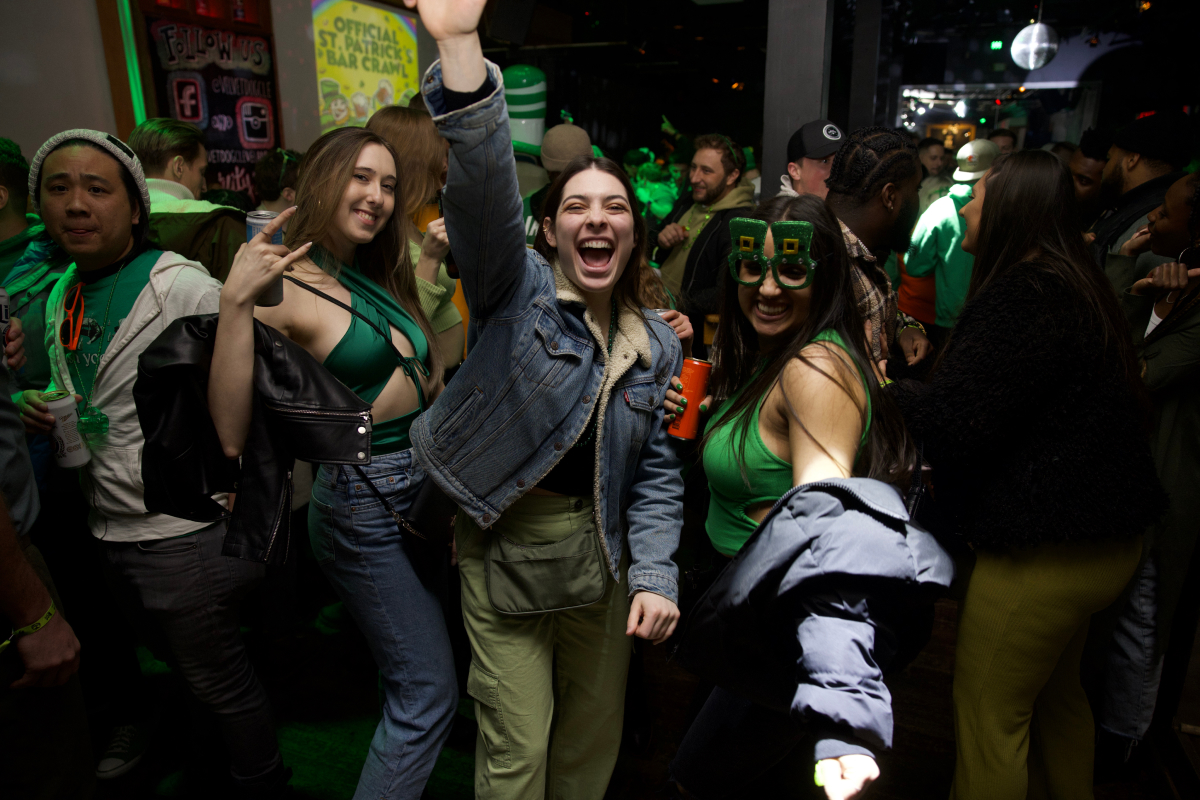
Before a single route is mapped, a brand must define its primary objective. Is the goal to drive trial of a new beverage product, gather consumer insights, or build a local community around a brand ambassador program? A crawl designed for data collection requires integrated digital tools—such as QR code check-ins at each stop—to track consumer behavior and preferences in real time. Conversely, a crawl focused on brand awareness prioritizes visual impact, using branded assets, uniform color palettes, and social media prompts to ensure the brand dominates the local conversation.
Operational Logistics and Strategic Partnerships
The success of a corporate-sponsored bar crawl hinges on the selection of partner venues. The vetting process should not be based on capacity alone; it requires an evaluation of the venue’s existing demographic and its alignment with the brand’s target audience. A premium spirits brand, for example, will prioritize high-end lounges and speakeasies, whereas a craft beer startup might focus on neighborhood taprooms. Strategic partnerships are solidified by creating mutually beneficial outcomes: the brand provides the traffic and the promotional spend, while the venues provide the physical space and the operational support to execute the activation.
Experiential Marketing: Driving Engagement Through Interaction
The modern bar crawl is an exercise in experiential marketing. Unlike passive advertising, which attempts to interrupt the consumer, a bar crawl integrates the brand into the consumer’s recreational time. This shift from “interruption” to “participation” is what makes the strategy so effective in building long-term affinity.
Creating Immersive Brand Touchpoints
To transform a series of bar visits into a cohesive experience, brands must implement creative anchors at each location. These might include:
- Gamification: Implementing a “digital passport” where attendees earn stamps or points for visiting each venue, redeemable for exclusive merchandise or discounts. This encourages complete route participation and provides the brand with a map of the consumer’s journey.
- Pop-up Activation: Utilizing a specific stop as an immersive “experience center” where the brand aesthetic is fully realized through custom décor, photo booths, or interactive product demonstrations.
- Exclusive Access: Offering participants limited-edition drinks, meet-and-greets with brand ambassadors, or early access to product releases, which serves as a powerful incentive for attendance.
Influencer Integration and Social Proof
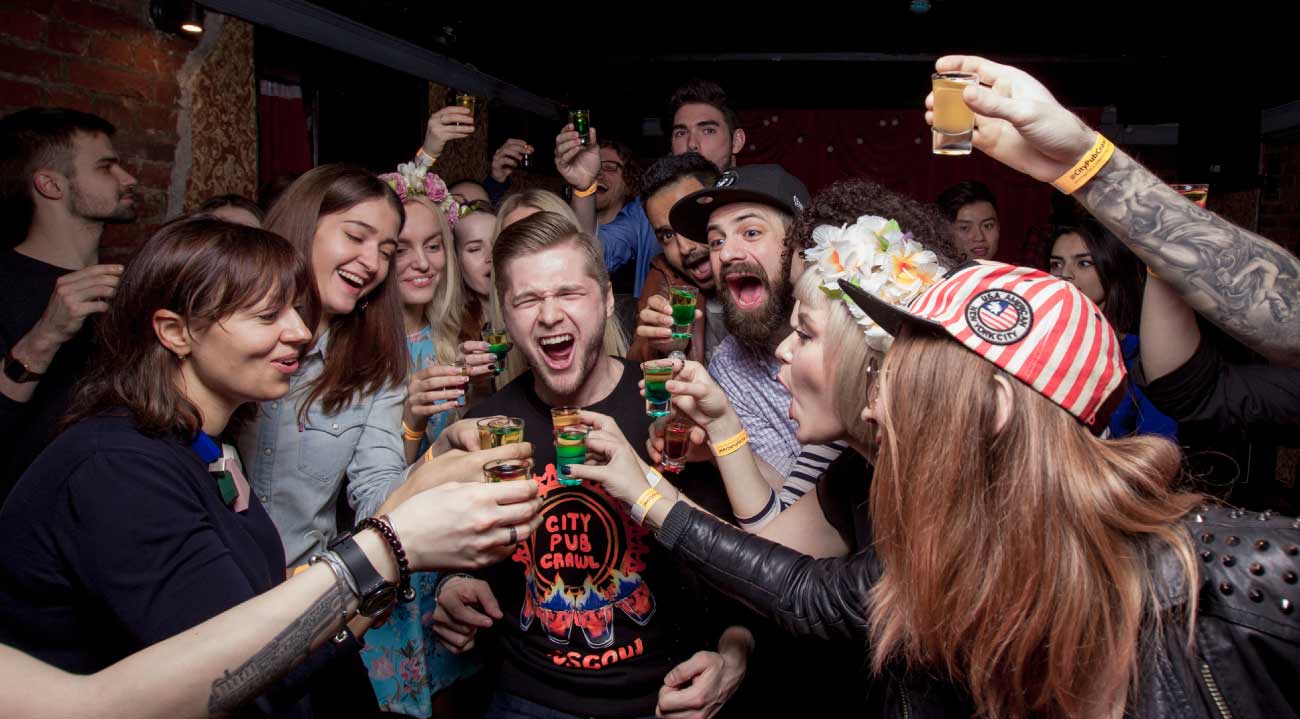
In the digital age, if an event isn’t captured on social media, its reach is confined to the physical participants. A critical component of modern bar crawl strategy is the integration of micro-influencers and local brand advocates. By inviting key digital personalities to host or attend the crawl, brands can amplify their message to a hyper-local audience. The goal is to create a “FOMO” (fear of missing out) effect, where the live-streamed activity creates a digital ripple that extends far beyond the participants physically moving through the city.
Data, Analytics, and ROI Measurement
While a bar crawl is often perceived as a “soft” marketing tactic, it is capable of generating hard data that informs future brand strategies. The integration of technology—specifically mobile-first platforms—has turned the bar crawl into a sophisticated data collection engine.
Measuring Engagement Metrics
Beyond simple headcounts, brands must analyze participant behavior to determine the return on investment. Metrics such as dwell time at specific locations, beverage purchase rates during the activation, and “stop abandonment” rates—where participants drop out of the crawl—provide actionable insights into venue suitability and event flow. By tracking these metrics, a brand can refine its logistics for subsequent events, optimizing the route to maximize the duration of the brand-to-consumer interaction.
Consumer Feedback Loops
The bar crawl is an excellent environment for qualitative research. Because the atmosphere is relaxed and social, consumers are often more candid with brand representatives than they would be in a formal focus group. Strategically placing “brand scouts” within the crawl allows for the collection of real-time sentiment regarding product taste, packaging, or brand perception. This feedback loop is invaluable, as it allows companies to pivot their messaging or product features based on direct, unvarnished consumer interaction.
Scaling the Concept: From Local Crawl to National Activation
The final stage of bar crawl maturity involves scaling the local activation into a consistent regional or national strategy. The primary challenge here is consistency—ensuring that the experience in one city is as engaging and brand-aligned as the experience in another.
Standardizing the Playbook
To scale, a brand must develop a “crawl playbook.” This document should outline everything from the aesthetic guidelines and digital check-in mechanics to the training protocols for street-level brand ambassadors. By standardizing the logistical framework, brands can replicate the success of a local crawl in diverse markets, ensuring that the brand voice remains consistent while allowing for enough flexibility to tailor the event to local cultural nuances.
Sustaining Momentum Post-Event
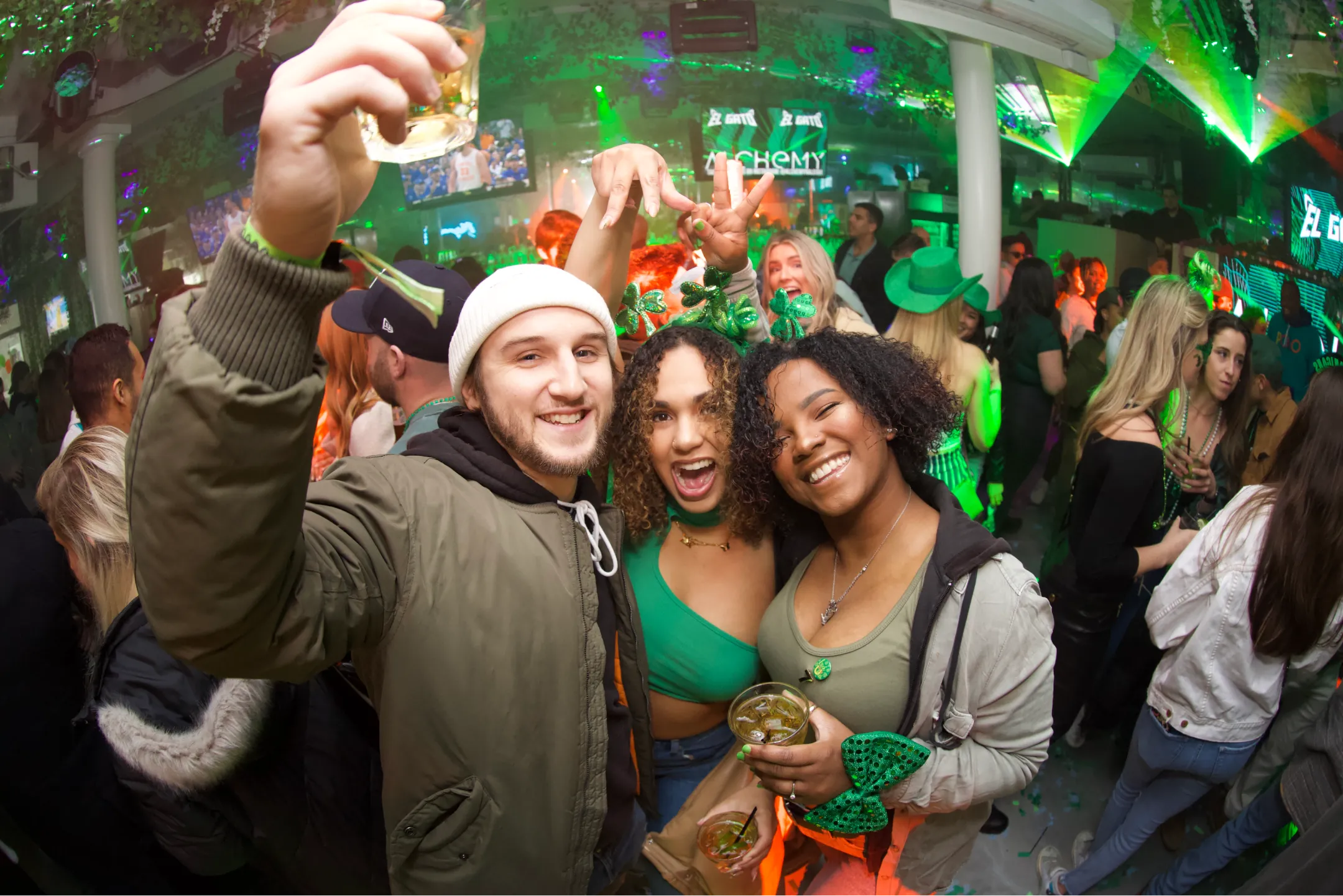
A common failure in experiential marketing is letting the connection die the moment the crawl ends. A successful strategy requires a post-event retention plan. This might include digital follow-ups, such as personalized discount codes for those who completed the crawl, or invitations to an exclusive online community. By converting a one-time participant into a recurring customer or a member of a brand loyalty program, the bar crawl evolves from a transient event into a cornerstone of a long-term brand building strategy.
In summary, when viewed through the lens of brand strategy, the bar crawl is a high-impact, data-driven, and intensely social tool. It demands careful planning, strategic venue selection, and a commitment to providing tangible value to the consumer. For brands willing to invest in the complexity of these activations, the result is a profound level of engagement that traditional advertising simply cannot replicate. The “what” of a bar crawl is a move from one bar to the next, but the “why” is the creation of a lasting imprint in the minds of the target audience.
aViewFromTheCave is a participant in the Amazon Services LLC Associates Program, an affiliate advertising program designed to provide a means for sites to earn advertising fees by advertising and linking to Amazon.com. Amazon, the Amazon logo, AmazonSupply, and the AmazonSupply logo are trademarks of Amazon.com, Inc. or its affiliates. As an Amazon Associate we earn affiliate commissions from qualifying purchases.