
In the modern financial landscape, the phrase “Know Your Customer” (KYC) has become a standard part of the banking vocabulary. Whether you are opening a personal savings account, setting up a business credit line, or diving into the world of online investing, you will inevitably encounter KYC procedures. While it may occasionally feel like a bureaucratic hurdle, KYC is the cornerstone of a secure global financial system.
In the “Money” niche, understanding KYC is essential. It is not merely a set of rules for banks; it is a protective layer for your personal assets, a requirement for business legitimacy, and a vital tool in the fight against financial crime. This guide explores the depths of KYC, why it exists, and how it impacts your financial journey.
The Fundamentals of KYC: Why It Matters for Your Money
At its core, KYC is a mandatory process used by financial institutions to verify the identity, suitability, and risks involved with maintaining a business relationship with a client. It is the primary mechanism through which banks ensure that their services are not being misused for illicit activities.
Defining “Know Your Customer”
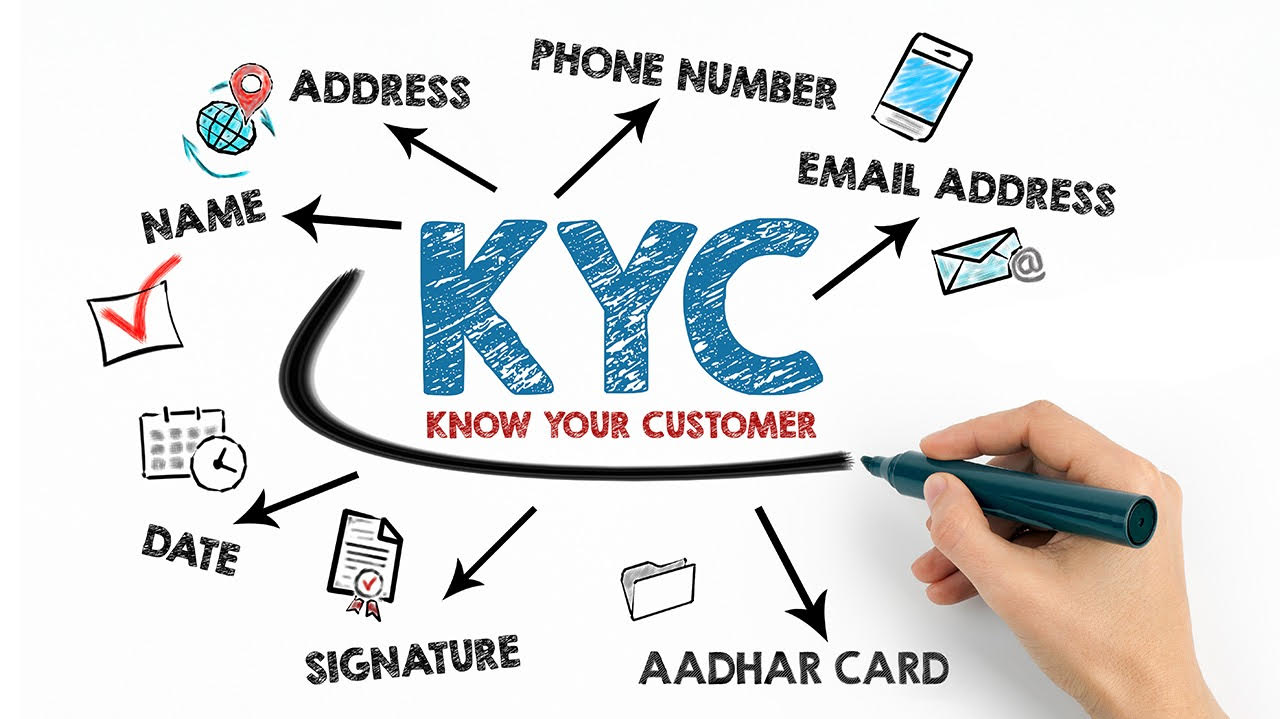
KYC refers to the steps a financial institution must take to establish the identity of a customer and understand the nature of their activities. This process begins the moment you apply for a financial product and continues throughout the duration of the relationship. For the individual, this means providing government-issued identification and proof of address. For a business, it involves identifying the “Ultimate Beneficial Owners” (UBOs) to ensure that the people behind the company are who they say they are.
The Legal Framework: AML and Regulatory Oversight
KYC does not exist in a vacuum; it is a critical component of broader Anti-Money Laundering (AML) and Counter-Terrorism Financing (CTF) regulations. Governments across the globe, guided by international bodies like the Financial Action Task Force (FATF), mandate these checks to prevent the “cleaning” of illegally obtained money. When a bank “knows” its customer, it can distinguish between legitimate financial growth and suspicious transactions that might indicate fraud, tax evasion, or worse. For anyone involved in business finance or high-value investing, staying compliant with these regulations is the only way to maintain access to the global banking network.
The KYC Process: What to Expect as a Customer or Business Owner
The KYC process is often divided into three distinct pillars. Understanding these stages can help you prepare your documentation and avoid unnecessary delays when managing your money.
Customer Identification Program (CIP)
This is the initial stage of onboarding. Under the CIP, banks are required to form a “reasonable belief” that they know the true identity of each customer. For an individual, this typically requires:
- A valid passport or driver’s license.
- A social security number or tax identification number.
- A utility bill or bank statement as proof of residence.
For businesses, the CIP requires articles of incorporation, business licenses, and proof of physical address. The goal here is simple: ensure that the person or entity opening the account is real and reachable.
Customer Due Diligence (CDD) and Enhanced Due Diligence (EDD)
Once identity is established, the bank must assess the risk associated with the client. Standard Customer Due Diligence (CDD) involves gathering information to predict the types of transactions the customer will perform.
However, if a customer is flagged as “high risk”—perhaps due to their involvement in a high-cash business, their status as a Politically Exposed Person (PEP), or their location in a country with weak AML laws—the bank performs Enhanced Due Diligence (EDD). This is a deeper dive into the source of wealth and the source of funds. While it may feel intrusive, it is a necessary step for the bank to mitigate the risk of being fined by regulators or inadvertently facilitating financial crime.
Continuous Monitoring
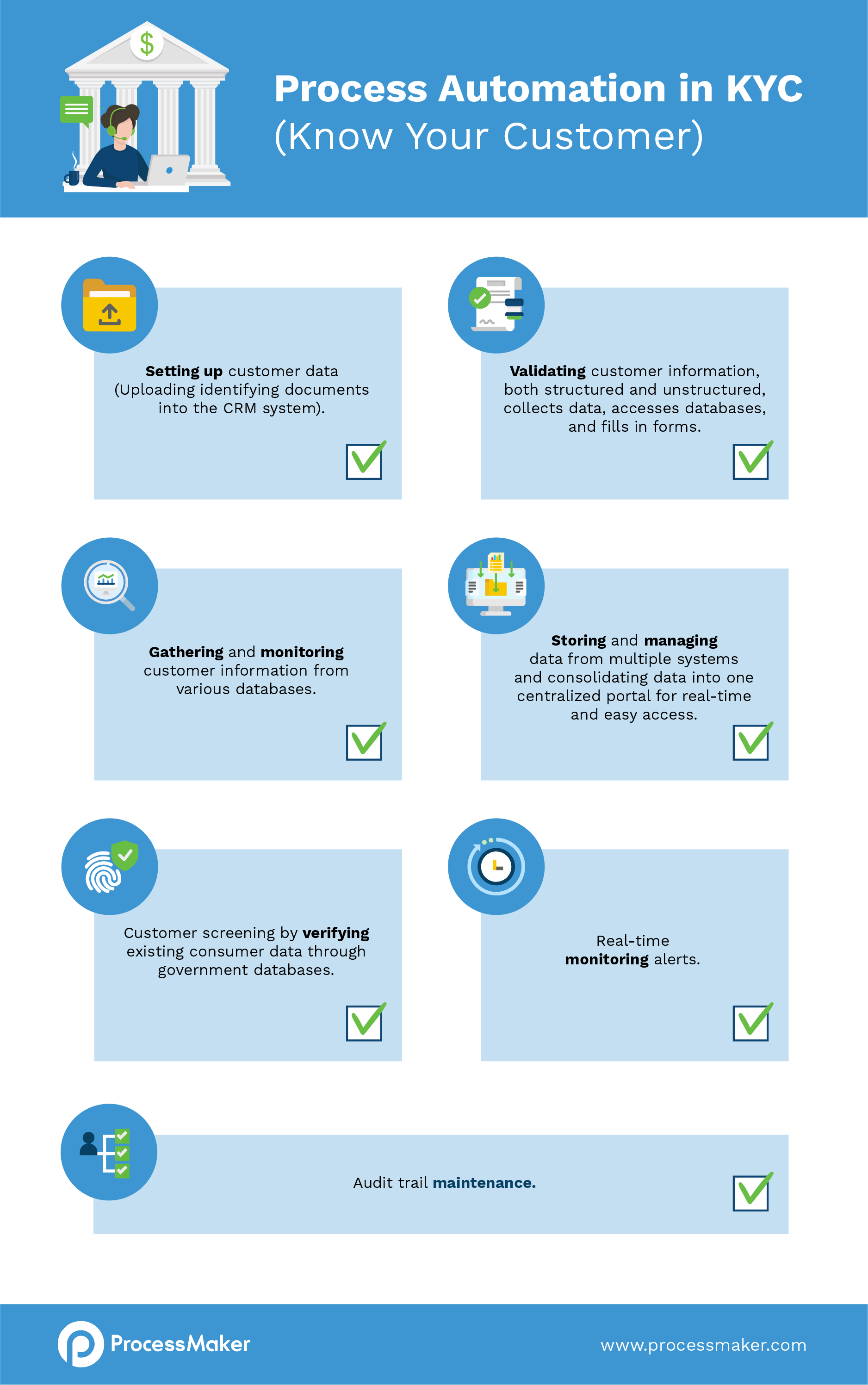
KYC is not a “one and done” event. Financial institutions perform ongoing monitoring of accounts to ensure that transaction patterns match the customer’s stated profile. If a college student with a history of small transactions suddenly receives a $1 million wire transfer from an offshore account, the bank’s monitoring system will trigger an alert. This protective measure ensures that if your identity is ever stolen or your business account is compromised, the bank can intervene before the funds are lost forever.
Why KYC is Essential for Personal and Business Financial Security
While critics often point to the friction KYC creates in the user experience, its benefits to the individual and the economy are profound. From a “Money” perspective, KYC is about risk management and the preservation of value.
Preventing Identity Theft and Fraud
In an era where data breaches are common, KYC serves as a final gatekeeper. By requiring multi-factor verification and physical or digital ID checks, banks make it significantly harder for identity thieves to open accounts in your name. For business owners, KYC ensures that the vendors and partners they deal with are legitimate entities, reducing the risk of B2B fraud and “shell company” scams that can drain a company’s capital.
Safeguarding the Global Financial System
Money laundering devalues currencies and destabilizes economies. By enforcing strict KYC protocols, the financial industry makes it difficult for criminals to integrate “dirty money” into the legitimate economy. This stability is what allows markets to function, interest rates to remain predictable, and personal investments to grow in a safe environment. Without KYC, the financial system would be a “Wild West,” where the integrity of your savings would be constantly under threat from systemic collapses caused by large-scale financial crime.
Building Trust Between Institutions and Consumers
Trust is the primary currency of finance. You deposit your hard-earned money into a bank because you trust that it is secure. KYC fosters this trust by ensuring that the bank’s other clients are not putting the institution at risk of legal seizures or liquidations. When a bank has a robust KYC program, it signals to investors and depositors that the institution is professionally managed and legally compliant, which often leads to better credit ratings and more favorable terms for its customers.
Navigating the Digital Shift: eKYC and the Future of Financial Onboarding
As we move toward a digital-first economy, the traditional “brick-and-mortar” KYC process is evolving. Electronic KYC (eKYC) is revolutionizing how we interact with money, making it faster to open accounts while maintaining high security standards.
The Rise of Biometric and Digital Verification
Modern fintech apps and digital banks now use eKYC to onboard customers in minutes rather than days. This often involves taking a “selfie” that is compared against a government ID using AI-driven facial recognition. These technologies analyze thousands of data points—such as skin texture and bone structure—to ensure the person holding the phone is the person on the ID. For side-hustlers and digital nomads, this means the ability to open a business account or a brokerage account from anywhere in the world, facilitating faster capital movement and income generation.
Balancing Convenience with Privacy
The shift to digital KYC brings up the important topic of data privacy. As you share sensitive documents digitally, it is vital to ensure that the financial tools you use employ high-level encryption. In the “Money” niche, your data is as valuable as your cash. A reputable bank will use your KYC data strictly for compliance and will not sell it to third parties. Understanding the privacy policy of your financial institution is a key part of modern financial literacy.
Common Challenges and How to Streamline Your KYC Experience
Despite its benefits, the KYC process can sometimes lead to frustration, especially if documents are rejected or accounts are temporarily frozen. Here is how you can navigate these challenges effectively to keep your finances moving smoothly.
Why Documentation Fails
The most common reason for KYC delays is “poor quality documentation.” This includes expired IDs, blurry photos, or utility bills that are older than three to six months. In the business world, delays often happen when the “chain of ownership” is not clearly documented. If your company is owned by another company, you must provide the paperwork for the entire hierarchy until a physical person is identified.
Tips for Faster Bank Approval
To ensure your money stays accessible and your applications are approved quickly, follow these best practices:
- Keep Digital Copies Ready: Maintain a secure, encrypted folder with updated copies of your passport, tax IDs, and recent proof of address.
- Be Transparent: If you are expecting a large, unusual transaction (like the sale of a property or a business), notify your bank in advance. This prevents their automated systems from flagging the activity as suspicious.
- Update Your Profile: If you change your name, move houses, or change your business’s legal structure, update your bank immediately. Proactive compliance is much easier than reactive troubleshooting.
Conclusion
Bank KYC is more than just a regulatory “check the box” exercise; it is an fundamental pillar of personal and business finance. By verifying identities and monitoring for risk, KYC protects your assets from fraud, keeps the global economy stable, and allows for the continued innovation of digital financial tools.
For anyone looking to grow their wealth, manage a business, or secure their financial future, embracing the KYC process is a mark of professional financial management. While the requests for documentation may seem tedious, they are the very things ensuring that when you look at your bank balance, you can trust that your money is safe, legitimate, and entirely yours.
aViewFromTheCave is a participant in the Amazon Services LLC Associates Program, an affiliate advertising program designed to provide a means for sites to earn advertising fees by advertising and linking to Amazon.com. Amazon, the Amazon logo, AmazonSupply, and the AmazonSupply logo are trademarks of Amazon.com, Inc. or its affiliates. As an Amazon Associate we earn affiliate commissions from qualifying purchases.