
Bandcamp stands as a unique and influential digital platform in the vast landscape of online music. At its core, it is an online music store and a robust social networking site designed with a singular, artist-centric mission: to empower musicians and labels to sell their music and merchandise directly to fans. More than just a marketplace, Bandcamp functions as a comprehensive digital ecosystem that streamlines the often-complex processes of music distribution, fan engagement, and payment processing, offering a stark contrast to many contemporary streaming-first models.
Its design prioritizes artist autonomy and fan connection, leveraging technology to create an environment where creators retain significant control over their content, pricing, and interaction with their audience. For fans, it’s a discovery engine and a digital record collection, offering high-quality audio files and a direct avenue to support their favorite artists. Understanding Bandcamp means delving into its technological architecture, user experience design, and the distinct features that set it apart as a digital music service.
The Core Functionality: A Digital Music Marketplace
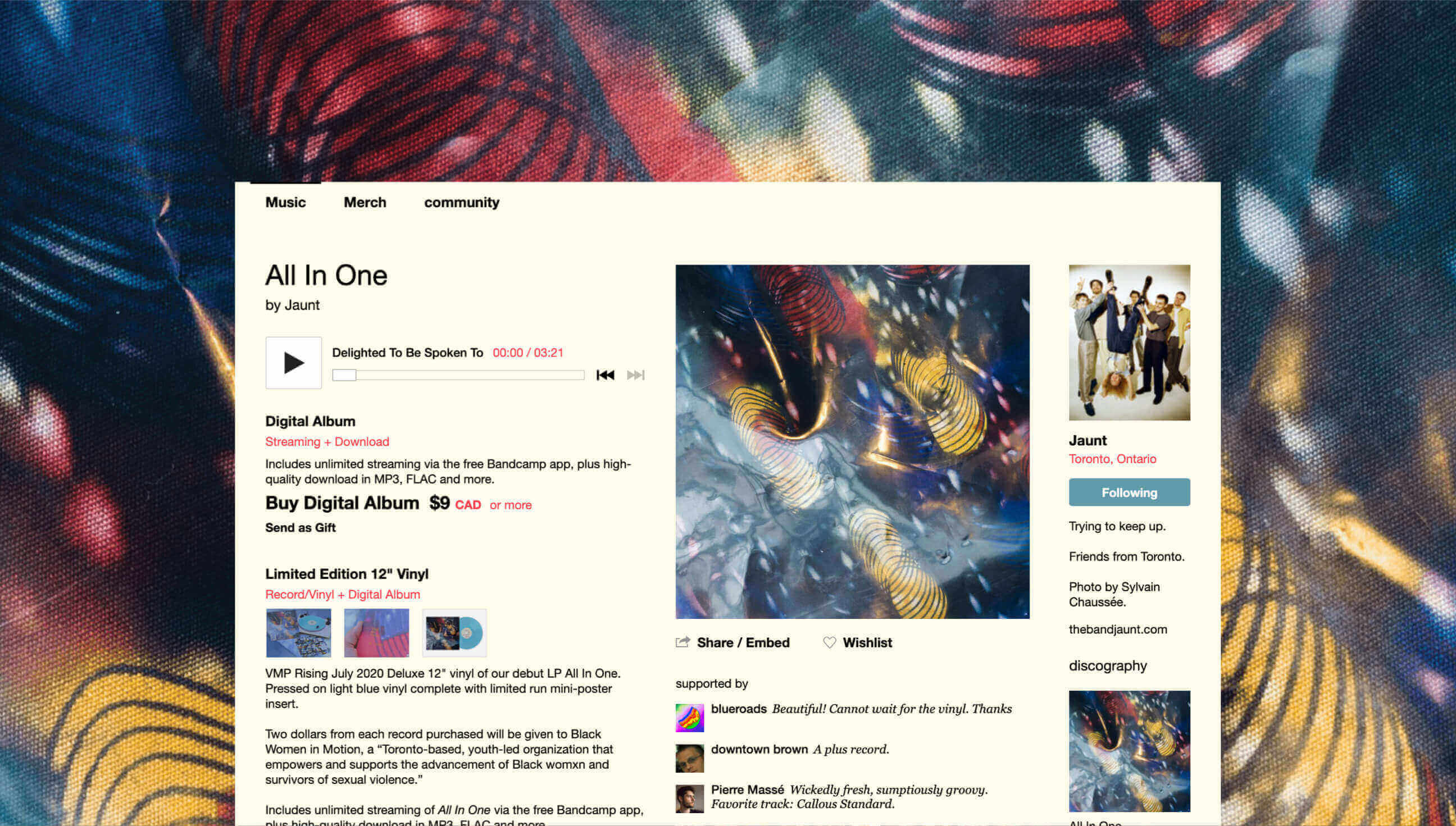
At the heart of Bandcamp’s technology is its function as a direct-to-fan digital music marketplace. Unlike subscription-based streaming services, Bandcamp operates on a transaction model, facilitating the sale of digital music files (albums, EPs, singles), physical merchandise (vinyl, CDs, cassettes, shirts), and even concert tickets. The platform’s architecture is built to support this commerce directly, handling everything from content hosting to secure payment gateways.
Empowering Independent Artists
Bandcamp provides artists with a self-service content management system (CMS) that enables them to upload their music, design their storefronts, set prices, and manage inventory. Artists gain access to a dedicated backend dashboard where they can control every aspect of their releases. This includes:
- Diverse File Formats: Artists can upload high-fidelity audio files in various lossless formats such as FLAC, ALAC, WAV, and AIFF, alongside standard MP3s. The platform then automatically encodes these into different formats for purchasers, ensuring fans receive the best possible quality for their preferences. This technical capability addresses a critical need for audiophiles and professional users often underserved by lossy streaming alternatives.
- Customizable Micro-Sites: Each artist and label gets a fully customizable micro-site URL (e.g., artistname.bandcamp.com). These sites are equipped with embeddable players, image galleries, and detailed album pages. The underlying web technology allows for basic HTML/CSS customization, giving artists a degree of branding control without needing advanced web development skills.
- Integrated Physical Merchandise Sales: A crucial technical integration is the ability to link digital purchases with physical goods. Artists can upload photos and descriptions of physical products, manage stock levels, and set shipping parameters directly through the platform. Bandcamp’s system then handles the order processing, allowing artists to fulfill orders seamlessly, effectively acting as a simple e-commerce solution tailored for music.
A Unique Fan Experience
For listeners, Bandcamp offers a distinctive browsing and purchasing experience centered around ownership and direct support. The platform’s user interface is designed for discovery and collection management:
- High-Quality Audio Playback and Download: Fans can preview tracks via embedded web players and, upon purchase, download their music in a wide array of formats, including uncompressed WAV, FLAC, and high-quality MP3s. This multi-format delivery system is a significant technical feature, providing flexibility and catering to diverse user preferences and playback setups.
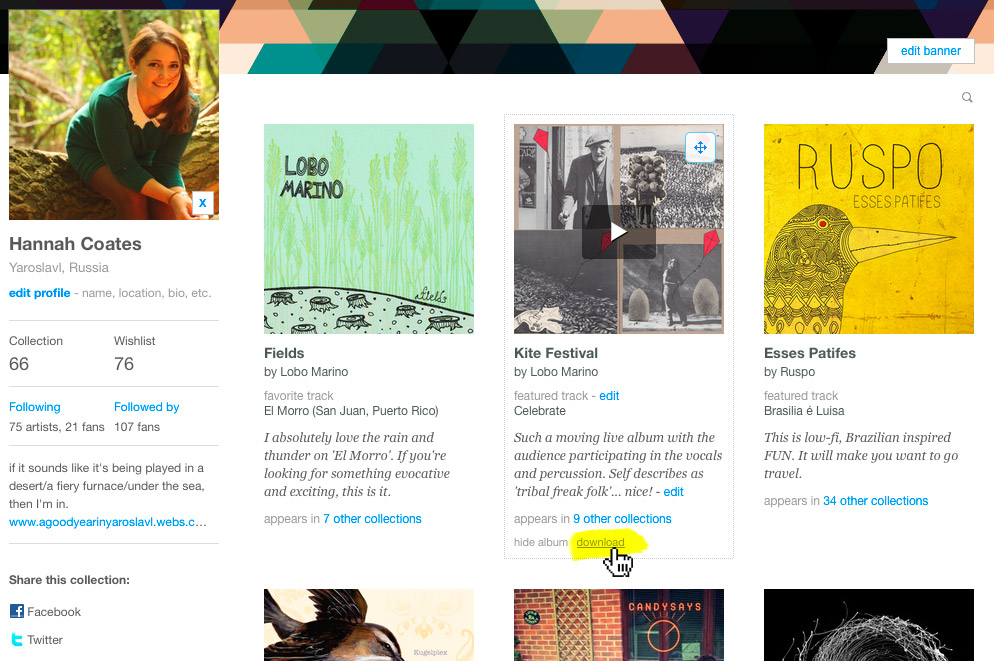
- The Fan Collection: Bandcamp technically maintains a digital “collection” for each user, listing all purchased music. This serves as a cloud-based library, accessible from any device. The user account system tracks purchases, wishlists, and artists followed, creating a personalized hub that mirrors a physical music collection.
- Robust Discovery Mechanisms: Beyond direct artist links, Bandcamp employs tag-based discovery, allowing users to browse music by genre, location, and specific attributes. Its “explore” page utilizes a sophisticated tagging system and curated lists to help users unearth new artists, offering a more hands-on, community-driven discovery than algorithmic recommendations alone.
Key Technological Features and User Experience
Bandcamp’s technological strength lies in its blend of robust e-commerce capabilities with a user-friendly interface, carefully designed to facilitate direct transactions and community building.
Flexible Digital & Physical Distribution
The platform’s architecture supports a comprehensive distribution model. When an artist uploads an album, the system processes the audio files for streaming previews and prepares them for download in multiple formats. This multi-encoding process ensures compatibility across various devices and player software. For physical items, Bandcamp integrates with popular payment processors like PayPal and Stripe, handling the secure transaction and providing artists with order details, customer addresses, and payment statuses directly in their dashboard. This unified system simplifies what would otherwise be a complex logistical challenge for independent creators managing multiple digital and physical sales channels.
Robust Discovery and Curation Tools
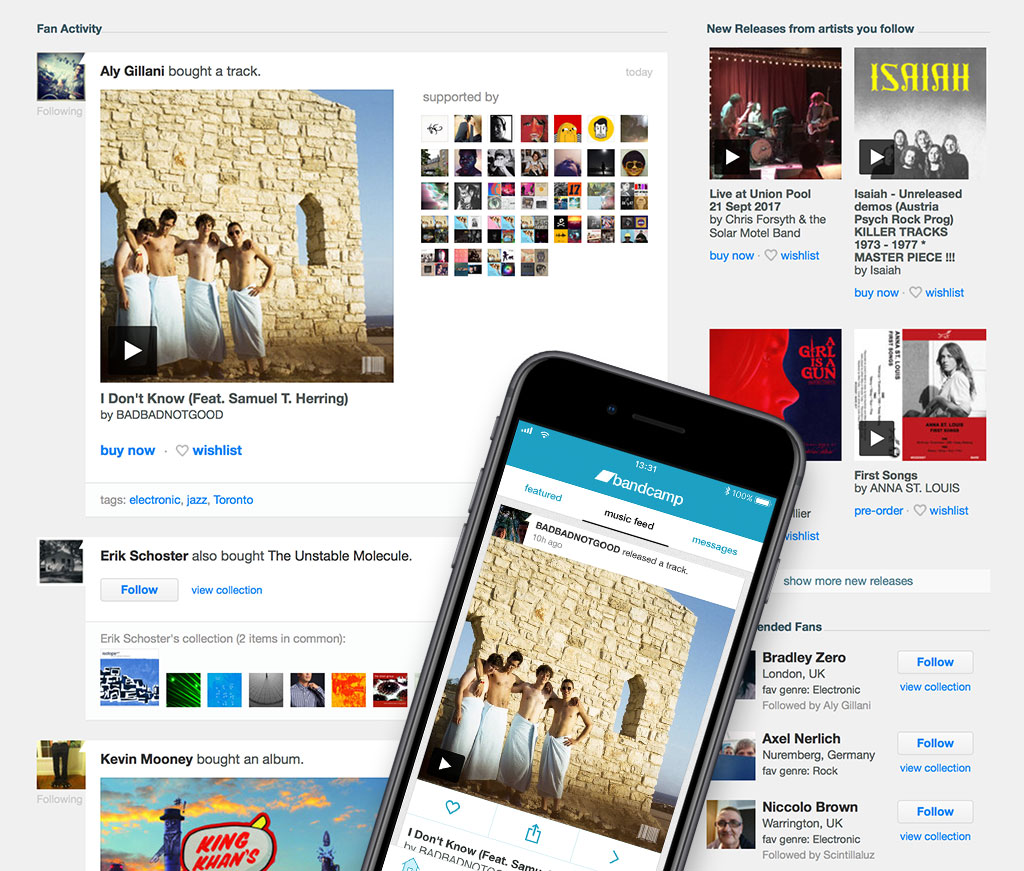
Bandcamp’s approach to music discovery is less reliant on opaque algorithms and more on user-generated tags and human curation. Artists can tag their music with genres, moods, and locations. This metadata is then indexed by Bandcamp’s search and explore functions, enabling fans to filter and discover music through granular categories. The “Bandcamp Daily” editorial section, integrated into the site, further enhances discovery by spotlighting artists and releases, demonstrating a hybrid approach to content curation that combines technical tagging with editorial judgment. The platform also fosters community through fan accounts that display collections, wishlists, and followed artists, creating a social graph centered around music taste.
The “Name Your Price” Model and Fan Support
One of Bandcamp’s most iconic technical features is the “name your price” option. This functionality, integrated into the purchasing process, allows artists to set a minimum price for their music while giving fans the option to pay more if they wish. From a technical standpoint, this requires a flexible e-commerce checkout flow that can accommodate user-inputted values, securely process variable payments, and accurately track the higher contributions. This feature isn’t just a marketing gimmick; it’s a core piece of the platform’s financial architecture, fostering direct financial support from fans to artists, which contrasts sharply with the fixed, often minimal, per-stream payouts of traditional streaming services. This mechanism highlights Bandcamp’s commitment to maximizing artist revenue through flexible, fan-driven transactions.
Beyond the Basics: Community and Data
Bandcamp’s technological design extends beyond simple transactions, incorporating features that build community and provide valuable insights for artists.
Building Direct Artist-Fan Relationships
The platform’s design facilitates direct communication. Fans can send messages to artists, and artists can update their followers through posts on their Bandcamp pages. The “fan account” feature allows users to display their purchased music and follow their favorite artists, creating a social layer. This architecture fosters a sense of community, allowing artists to nurture a loyal fanbase, send direct updates about new releases or tours, and cultivate relationships that transcend mere consumption. This direct channel bypasses many of the intermediaries prevalent in the digital music industry.
Analytics for Artists
Bandcamp provides artists with a comprehensive analytics dashboard. This backend tool offers valuable data on sales, listener demographics, geographical distribution of fans, and track-by-track performance. Artists can see where their music is being purchased, how much fans are paying, and which tracks are most popular. From a technical perspective, this involves robust data collection, processing, and visualization tools, empowering artists with actionable insights to inform their marketing, touring, and future releases. This level of transparency and data access is a significant technical advantage for independent artists managing their careers.
Mobile Accessibility and Integration
Recognizing the shift to mobile consumption, Bandcamp offers dedicated mobile applications for both iOS and Android. These apps provide a streamlined experience for fans to browse, stream their purchased music, and discover new artists. For artists, the mobile apps offer a convenient way to check sales and communicate. The development of native mobile applications ensures a responsive, optimized user experience that complements the web platform, extending Bandcamp’s reach to users on the go while maintaining the core functionality and user experience design principles of the desktop site.
The Bandcamp Difference in the Streaming Era
In an era dominated by mega-streaming platforms, Bandcamp offers a distinctive technological and philosophical alternative. Its focus on ownership and direct support through robust e-commerce tools positions it as a vital counter-narrative.
A Sustainable Alternative
Bandcamp’s business model is structured to be sustainable for artists. The platform takes a small commission (typically 15% on digital, 10% on physical, before payment processing fees) only when a sale is made, ensuring artists retain the vast majority of their earnings. This revenue-sharing model is baked into its technical financial processing system. By facilitating direct transactions and minimizing overhead, Bandcamp technically enables a more equitable and sustainable income stream for artists, contrasting sharply with the often-criticized fractional payouts from per-stream royalties on other platforms. This financial architecture is a core technological differentiator, directly impacting the economic viability of independent music.
The Future of Direct-to-Fan Tech
Bandcamp continues to evolve its platform, regularly introducing new features and refining existing ones based on artist and fan feedback. Its commitment to the direct-to-fan model means ongoing investment in secure e-commerce solutions, advanced content management for artists, and intuitive discovery tools for fans. As the music industry continues its digital transformation, Bandcamp’s technological foundation, built on artist empowerment and transparent transactions, positions it as a crucial player for independent music, demonstrating a powerful alternative to centralized, access-driven models. It represents a potent blend of technology and ethos, proving that direct connection and fair compensation can thrive in the digital age.
aViewFromTheCave is a participant in the Amazon Services LLC Associates Program, an affiliate advertising program designed to provide a means for sites to earn advertising fees by advertising and linking to Amazon.com. Amazon, the Amazon logo, AmazonSupply, and the AmazonSupply logo are trademarks of Amazon.com, Inc. or its affiliates. As an Amazon Associate we earn affiliate commissions from qualifying purchases.