
In the world of marketing and strategic positioning, few geographical locations have achieved the level of “brand equity” that Bali possesses. While many tropical islands offer white sands and turquoise waters, Bali has transcended its physical geography to become a multi-dimensional brand. When we ask “what is Bali known for,” we are not merely discussing a list of tourist attractions; we are analyzing a masterclass in destination branding, cultural storytelling, and the curation of a lifestyle identity that resonates across the globe.
To understand Bali is to understand how a specific “Corporate Identity” can be applied to an entire region. From its spiritual roots to its modern-day status as a hub for digital entrepreneurs, the Balinese brand is built on a foundation of authenticity, visual consistency, and a unique value proposition that few other destinations can replicate.
1. The Anatomy of the “Bali” Brand Identity
A brand is defined by its core values and the emotional response it elicits from its audience. Bali’s brand identity is built upon a philosophy that distinguishes it from other luxury destinations like the Maldives or the Caribbean.
Spiritual Heritage as a Unique Selling Proposition (USP)
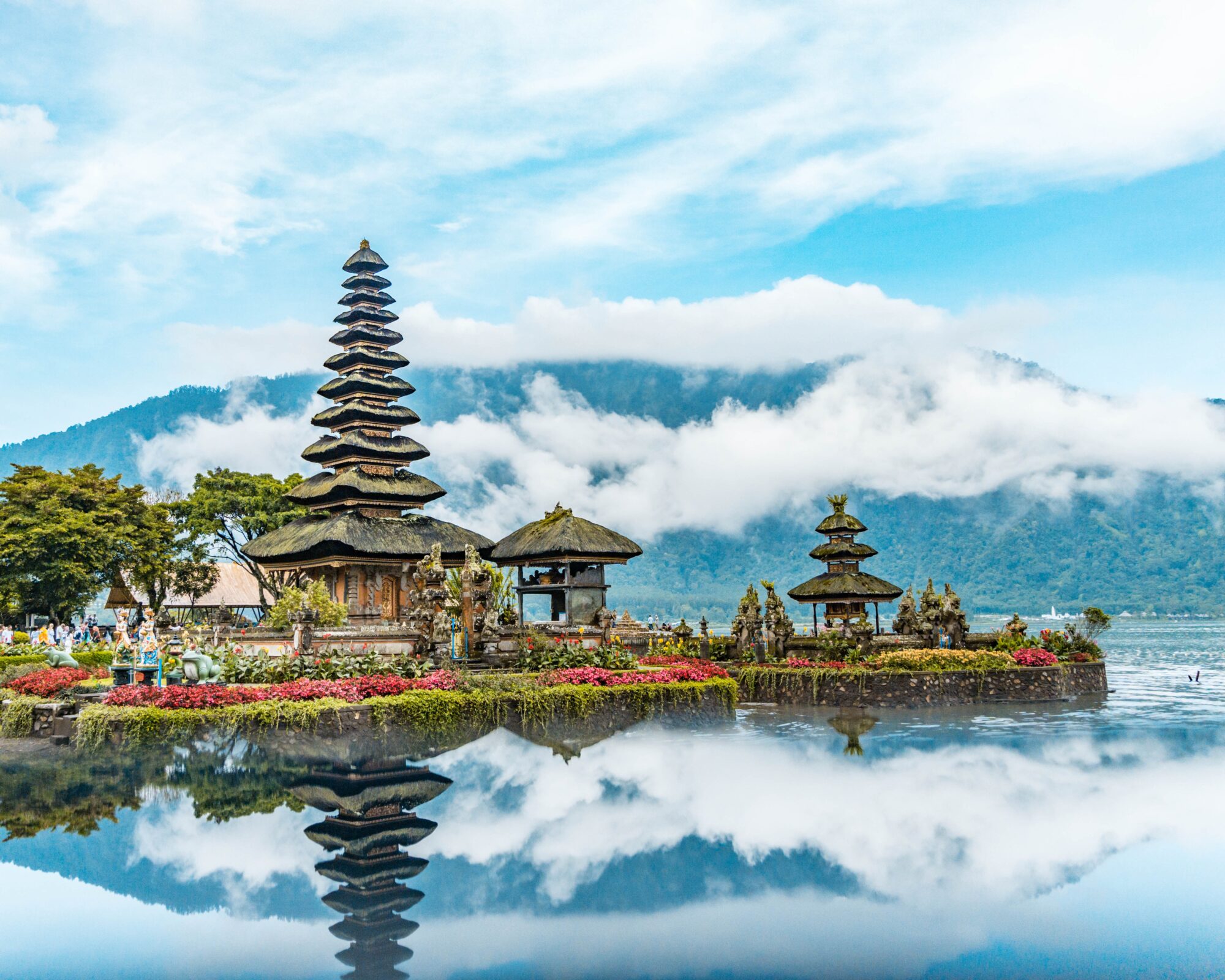
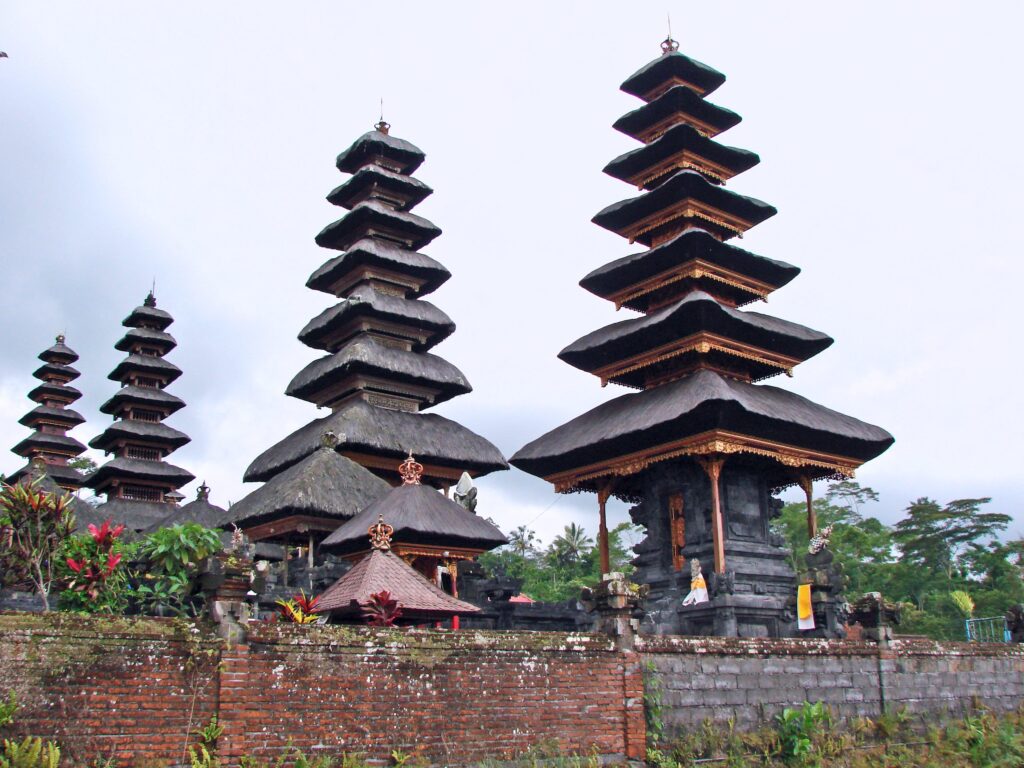
In branding terminology, a Unique Selling Proposition (USP) is what makes a product or service stand out from the competition. For Bali, this is undeniably its deep-seated spirituality. Known as the “Island of the Gods,” Bali’s brand is inextricably linked to Balinese Hinduism. Unlike many destinations where culture is a secondary performance for tourists, Bali’s spiritual life is its primary infrastructure.
The ubiquitous “Canang Sari” (daily offerings) and the complex temple ceremonies provide a sensory “brand experience” that feels authentic rather than manufactured. This authenticity is the cornerstone of the Bali brand; it offers a sense of meaning and mindfulness that caters to a global market increasingly seeking “transformational travel.”
The Visual Aesthetic: From Rice Terraces to Infinity Pools
A strong brand requires a consistent visual language. Bali has mastered this through an architecture and landscape style that is instantly recognizable. The “Bali Aesthetic” involves a seamless integration of indoor and outdoor spaces, the use of natural materials like bamboo and volcanic stone, and the iconic tiered rice paddies of Tegallalang and Jatiluwih.
This visual identity is so strong that it has been exported globally. “Bali-style” villas can be found in Mexico, Thailand, and Australia. By maintaining a consistent design language, the island has created a visual shorthand for luxury, serenity, and tropical sophistication.
2. Destination Marketing and the “Island of the Gods” Narrative
Strategic marketing is not just about advertising; it is about narrative control. The Indonesian government and local stakeholders have successfully positioned Bali as the “anchor brand” for the nation’s tourism sector, utilizing sophisticated storytelling to drive global demand.
Leveraging Cultural Authenticity in Global Campaigns
The “Wonderful Indonesia” campaign has long utilized Bali as its primary conversion tool. The marketing strategy focuses on the “Five Wonders”: Nature, Sensory, Folkloric, Culinary, and Modern. Bali serves as the quintessential example of all five.
By highlighting the “Kecak” fire dances and the “Nyepi” (Day of Silence), marketers have positioned Bali as a place of mystery and cultural depth. This creates a “premium” brand perception. People do not just go to Bali for a holiday; they go for an “immersion.” This narrative allows Bali to command higher price points in the hospitality sector compared to neighboring regional competitors.
The Shift from Mass Tourism to High-Value Experiences
Every brand faces the challenge of “brand dilution” through overexposure. To combat this, Bali’s strategic marketing has pivoted toward “high-value tourism.” This involves rebranding certain areas of the island to cater to specific niches.
For instance, Ubud is branded as the “Spiritual and Wellness Hub,” Seminyak as the “Luxury and Fashion District,” and Uluwatu as the “Elite Surf and Sunset Destination.” By segmenting the island’s offerings, the Bali brand can appeal to diverse demographics—from budget backpackers to billionaire villa owners—without losing its core identity. This segmentation is a classic brand management strategy used to maximize market share while maintaining exclusivity.
3. Bali as a Catalyst for Personal and Lifestyle Branding
Perhaps the most modern evolution of what Bali is known for is its role in the “Personal Branding” movement. In the age of social media and remote work, Bali has become the premier backdrop for individuals looking to build their own professional identities.
The Rise of the Digital Nomad and Influencer Hub
Bali has successfully branded itself as the “Silicon Valley of the Tropics.” This wasn’t accidental. Through the development of world-class coworking spaces like Dojo Bali or Hubud, and the introduction of “Digital Nomad Visas,” the island has attracted a high-IQ, high-income demographic of tech entrepreneurs and creators.
For these individuals, being in Bali is part of their “brand story.” It signals a lifestyle of freedom, health-consciousness, and global connectivity. When a tech founder posts from a bamboo office in Canggu, they are leveraging the Bali brand to enhance their own personal brand as a forward-thinking, “unbound” professional.
Entrepreneurial Ecosystems and Networking in Paradise
Beyond the aesthetics, Bali is known for its high-density networking environment. The island acts as a physical LinkedIn platform. Because the brand attracts a specific type of risk-taker and innovator, the “corporate culture” of the island is one of collaboration and “co-opetition.”
This ecosystem has birthed numerous global brands, particularly in the sustainable fashion and organic food sectors. Entrepreneurs move to Bali to “incubate” their ideas, benefiting from the island’s low operational costs and high creative energy. In this sense, Bali is known for being a “brand laboratory” where new lifestyle concepts are tested and refined before being launched globally.
4. Brand Sustainability and the Future of Balinese Identity
For any brand to survive in the long term, it must address its “Brand Debt”—the environmental or social costs of its success. Bali is currently at a crossroads where its brand reputation is being tested by its own popularity.
Balancing Modern Commercialism with Indigenous Values
The “Bali Brand” is under pressure from overdevelopment and environmental challenges. To maintain its brand equity, there is a growing movement toward “Regenerative Branding.” This involves a shift from simply “sustaining” the island to actively “restoring” it.
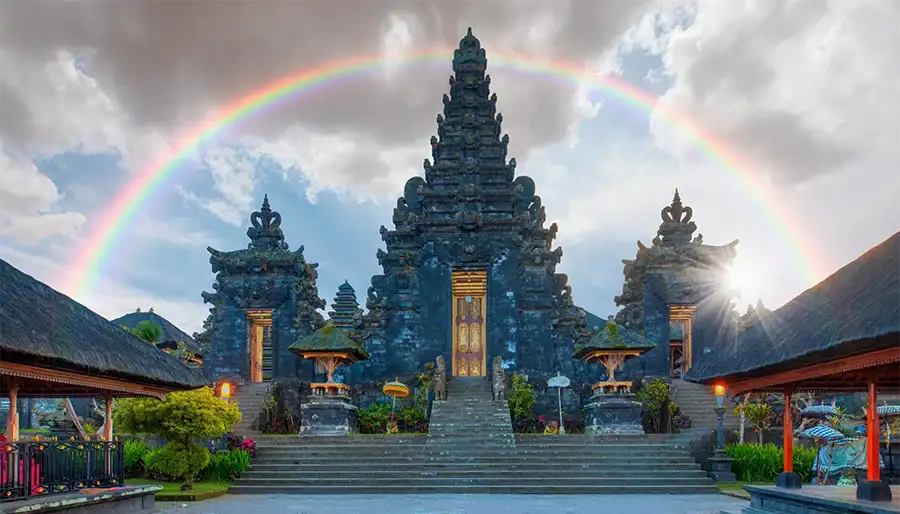
Brands operating within Bali—from five-star resorts to local cafes—are increasingly being judged on their adherence to “Tri Hita Karana,” the traditional Balinese philosophy of harmony between people, nature, and the spiritual realm. For a modern brand in Bali, sustainability is no longer a “nice-to-have” feature; it is a core component of the island’s survival strategy and marketability.
Lessons in Resilience: Rebranding Post-Crisis
Bali’s brand has shown remarkable resilience in the face of adversity, from volcanic eruptions to global pandemics. Each time, the island has managed to “rebrand” and bounce back by leaning into its core strengths: community and serenity.
The post-pandemic strategy, for example, focused heavily on “Wellness Tourism” and “Quality over Quantity.” This strategic pivot helped the island move away from the “Overtourism” narrative that was beginning to tarnish its reputation in 2019. By focusing on longer stays, remote work infrastructure, and cultural preservation, Bali is effectively “future-proofing” its brand for the next generation of global citizens.
In conclusion, when we ask “what is Bali known for,” the answer lies in its sophisticated identity as a global lifestyle brand. It is an island that has successfully commercialized its culture without (entirely) losing its soul, created a visual language that defines an entire genre of luxury, and built an entrepreneurial ecosystem that attracts the world’s most innovative minds. Bali is not just a destination; it is a powerful, living brand that continues to evolve, proving that with the right mix of authenticity and strategic positioning, a location can become a global icon.
aViewFromTheCave is a participant in the Amazon Services LLC Associates Program, an affiliate advertising program designed to provide a means for sites to earn advertising fees by advertising and linking to Amazon.com. Amazon, the Amazon logo, AmazonSupply, and the AmazonSupply logo are trademarks of Amazon.com, Inc. or its affiliates. As an Amazon Associate we earn affiliate commissions from qualifying purchases.