
The pursuit of a Bachelor of Education (B.Ed.) degree represents a significant strategic investment in human capital, directly impacting an individual’s long-term financial trajectory and career stability. Far from being merely an academic credential, a B.Ed. is a gateway to a professional career in teaching, a sector characterized by steady demand, structured compensation, and often, robust benefits packages. Understanding the financial implications of this degree—from upfront costs to lifetime earning potential and non-monetary financial advantages—is crucial for anyone considering this educational path.
The B.Ed. Degree as a Strategic Investment in Human Capital
At its core, a B.Ed. degree is an investment in specialized skills and knowledge required to educate future generations. This investment, like any other, involves an initial outlay with an expectation of future returns. For aspiring educators, the B.Ed. is not just about pedagogy; it’s about securing a financially viable and personally fulfilling career.

Understanding the Core Value Proposition
The B.Ed. equips graduates with the pedagogical theory, practical teaching skills, and subject-specific knowledge necessary to become certified teachers. This certification is a critical component of its financial value proposition. In many regions, a B.Ed. is a mandatory minimum qualification for teaching in public and often private schools, effectively creating a professional barrier to entry that ensures a certain level of credentialed expertise. This exclusivity translates into a more predictable career path and income stream compared to fields with lower entry barriers. The value proposition is clear: invest in a B.Ed., gain certification, and unlock access to a profession with structured pay scales and a consistent demand for qualified professionals.
Initial Outlay: Tuition, Time, and Opportunity Costs
Like any substantial investment, pursuing a B.Ed. entails direct and indirect costs. The most apparent direct costs are tuition fees, which can vary significantly depending on the institution (public vs. private), location, and program duration (typically one to two years post-bachelor’s degree). Beyond tuition, students must account for mandatory fees, textbooks, educational supplies, and living expenses such as accommodation, food, and transportation. These immediate financial demands require careful budgeting and, for many, necessitate securing student loans or scholarships.
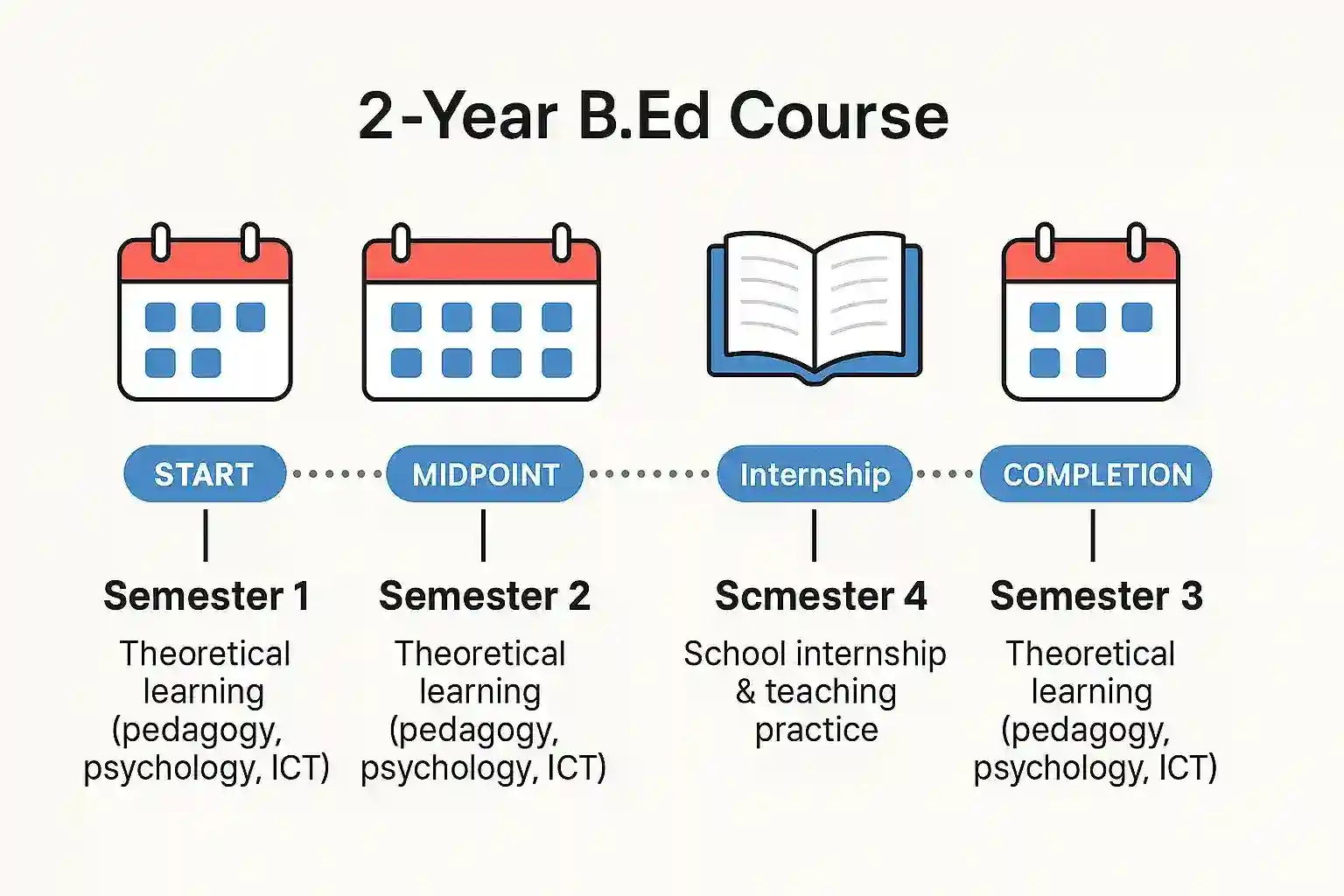
However, the financial outlay extends beyond explicit costs. The time commitment is substantial. A full-time B.Ed. program means dedicating significant hours to coursework, practical teaching placements (internships), and study. This time commitment often translates into an “opportunity cost”—the income that could have been earned had the individual been working full-time instead of studying. For someone transitioning from another career or entering directly after an undergraduate degree, this foregone income can be a considerable, albeit hidden, financial factor that needs to be factored into the overall investment calculation. Prospective students should conduct a thorough cost-benefit analysis, weighing these initial outlays against the projected financial returns.
Financial Returns: Salary Expectations and Career Stability
The financial rationale for pursuing a B.Ed. primarily rests on the consistent and structured income potential it unlocks. A teaching career, while rarely associated with extreme wealth, offers a stable and often incrementally growing salary, coupled with a suite of benefits that contribute significantly to an individual’s financial security.
Entry-Level Earning Potential
Upon graduation and certification, B.Ed. holders can expect to enter the workforce at a competitive starting salary, particularly in public school systems. Entry-level salaries for teachers are typically determined by several factors: geographical location (urban vs. rural, high cost-of-living areas vs. low), educational attainment (B.Ed. vs. Master’s in Education), and specific subject area (e.g., STEM teachers often command slightly higher starting salaries due to demand). Public school systems usually operate on transparent salary schedules that outline base pay for new teachers. While private schools may have more variable pay structures, they often offer competitive packages to attract talent. It is crucial for prospective teachers to research average starting salaries in their desired regions and school types to set realistic financial expectations. This early income establishes the foundation for future financial planning, including debt repayment, savings, and general living expenses.
Long-Term Income Growth and Pension Benefits
One of the most appealing financial aspects of a teaching career, particularly within public education, is the predictable long-term income growth. Teacher salary schedules are typically structured to provide annual increments based on years of service and further educational attainment (e.g., earning a Master’s degree often results in a permanent pay bump). This predictable progression allows for effective long-term financial planning, including saving for retirement, a down payment on a home, or significant life events.
Beyond direct salary, the benefits packages associated with teaching positions, especially in the public sector, are a significant component of total compensation. These often include comprehensive health insurance, life insurance, and, most notably, defined-benefit pension plans. These pension plans are invaluable, providing a secure and reliable income stream in retirement, significantly reducing the burden of personal retirement savings that individuals in other sectors might face. The long-term financial security offered by these benefits substantially enhances the overall financial return on a B.Ed. investment.
Demand and Job Security in the Education Sector
The education sector typically exhibits consistent demand for qualified professionals. Population growth, teacher retirements, and shifts in educational policy ensure a steady need for new teachers. While specific subject areas or geographical regions may experience fluctuations, the general demand for B.Ed. holders remains robust. This consistent demand translates directly into enhanced job security. Unlike sectors prone to cyclical booms and busts, education often provides a more stable employment landscape, allowing for greater financial peace of mind. For those seeking a career that offers both purpose and financial stability, the B.Ed. pathway presents a compelling option.
Beyond Salary: The Intangible Financial Benefits and Lifestyle Considerations
While direct salary and benefits are paramount, a B.Ed. also unlocks a range of less obvious financial advantages and lifestyle considerations that contribute to overall financial well-being and satisfaction. These elements are part of the holistic financial return on investment.
Work-Life Balance and Seasonal Income Planning
The structured academic calendar, characterized by regular school holidays (winter break, spring break, summer vacation), offers a unique work-life balance that can have significant financial implications. While teachers work diligently during term time, these extended breaks provide opportunities for rest, travel, or crucially, for generating supplementary income. Many teachers leverage these periods to engage in side hustles such as tutoring, curriculum development, summer camp supervision, or even pursuing entrepreneurial ventures. This ability to diversify income streams or simply recharge can contribute positively to long-term financial health and prevent burnout, which itself can have financial costs. Effective financial planning for these seasonal periods—budgeting for slower months or proactively seeking additional income—is a skill many teachers master.
Educational Discounts and Family Benefits
Teachers and their families often benefit from a range of educational discounts and perks. These can include reduced tuition rates for their children at certain private institutions or access to exclusive professional development programs at lower costs. Furthermore, being intimately involved in the education system can provide invaluable insights into navigating educational choices for one’s own children, potentially leading to more informed and cost-effective decisions regarding their academic futures. The professional network developed through teaching can also open doors to opportunities that have indirect financial benefits, such as collaborative projects or access to specialized resources.
The “Multiplier Effect” of Financial Literacy through Teaching
Teachers, by virtue of their profession, often develop strong organizational and planning skills, which are directly transferable to personal financial management. The act of teaching itself, especially subjects involving economics, mathematics, or even social studies, can foster a deeper understanding of financial principles. This heightened financial literacy can lead to better personal budgeting, smarter investment decisions, and more effective long-term financial planning for their own households. Moreover, a stable, respected profession can indirectly lead to better credit terms, access to favorable lending rates, and a more secure financial standing within the community. The B.Ed. effectively invests not just in a career, but in a lifestyle that often promotes financial prudence and stability.
Financing Your B.Ed.: Strategies for Smart Investment
Understanding the financial benefits of a B.Ed. is one thing; financing the degree itself is another. Prospective students must adopt shrewd financial strategies to minimize debt and maximize the return on their educational investment.
Navigating Student Loans and Grants
The upfront costs of a B.Ed. can be substantial, making student loans a necessity for many. It is critical to understand the differences between federal and private student loans. Federal loans often offer more favorable interest rates, income-driven repayment plans, and potential for deferment or forbearance, making them the preferred option. Private loans, while filling funding gaps, typically come with higher interest rates and fewer borrower protections. Beyond loans, actively seeking scholarships, grants, and bursaries specifically targeted at education students or those entering high-demand teaching fields can significantly reduce the amount of debt incurred. Many government programs and non-profit organizations offer funding for aspiring teachers. Furthermore, exploring loan forgiveness programs for teachers working in specific underserved areas or subject shortage areas can dramatically reduce or eliminate student loan debt post-graduation, transforming the financial outlook of the investment.
Budgeting for Your Education and Future Career
Effective budgeting is paramount during the B.Ed. program and in the transition period immediately following graduation. Students should create a detailed budget that accounts for tuition, fees, living expenses, and an emergency fund. Living frugally during the study period can prevent accumulating excessive debt. Post-graduation, it is vital to budget for the job search period, which may involve relocation expenses, professional attire, and potentially a gap before the first paycheck arrives. Planning for these initial expenses can prevent financial stress and allow new teachers to focus on their professional development without immediate financial strain.

Alternative Pathways to Reduce Costs
For those seeking to minimize debt, alternative pathways exist. Part-time study allows individuals to continue working, offsetting some of the opportunity costs and direct expenses. Some universities offer accelerated programs or bridge courses that recognize prior learning, potentially reducing the overall program length and cost. Leveraging existing bachelor’s degrees and exploring post-baccalaureate certification programs can also be more cost-effective than a full B.Ed. for those who already hold a relevant undergraduate degree. Carefully researching these options and choosing the most financially prudent path is an essential step in maximizing the return on investment in a B.Ed. degree. The B.Ed. is more than just a qualification; it is a financial cornerstone for a stable, fulfilling, and economically viable career.
aViewFromTheCave is a participant in the Amazon Services LLC Associates Program, an affiliate advertising program designed to provide a means for sites to earn advertising fees by advertising and linking to Amazon.com. Amazon, the Amazon logo, AmazonSupply, and the AmazonSupply logo are trademarks of Amazon.com, Inc. or its affiliates. As an Amazon Associate we earn affiliate commissions from qualifying purchases.