
The concept of an “average mortgage rate” is a cornerstone of personal finance, particularly for anyone contemplating homeownership or looking to refinance an existing loan. It’s a figure frequently cited in financial news, market analyses, and online search queries, serving as a critical benchmark that profoundly impacts affordability, monthly budgets, and long-term financial planning. Yet, behind this seemingly simple average lies a complex interplay of economic forces, individual financial profiles, and market dynamics that can significantly alter the actual rate a borrower receives. Understanding what an average mortgage rate truly represents, how it’s calculated, and the myriad factors that influence it is not just an academic exercise; it’s an essential step towards making informed financial decisions in one of life’s most significant investments. This article will demystify the average mortgage rate, exploring its components, the forces that drive its fluctuations, the different types of rates available, and practical strategies for navigating the mortgage market to secure the most favorable terms for your specific situation.
Understanding the “Average”: More Than Just a Number
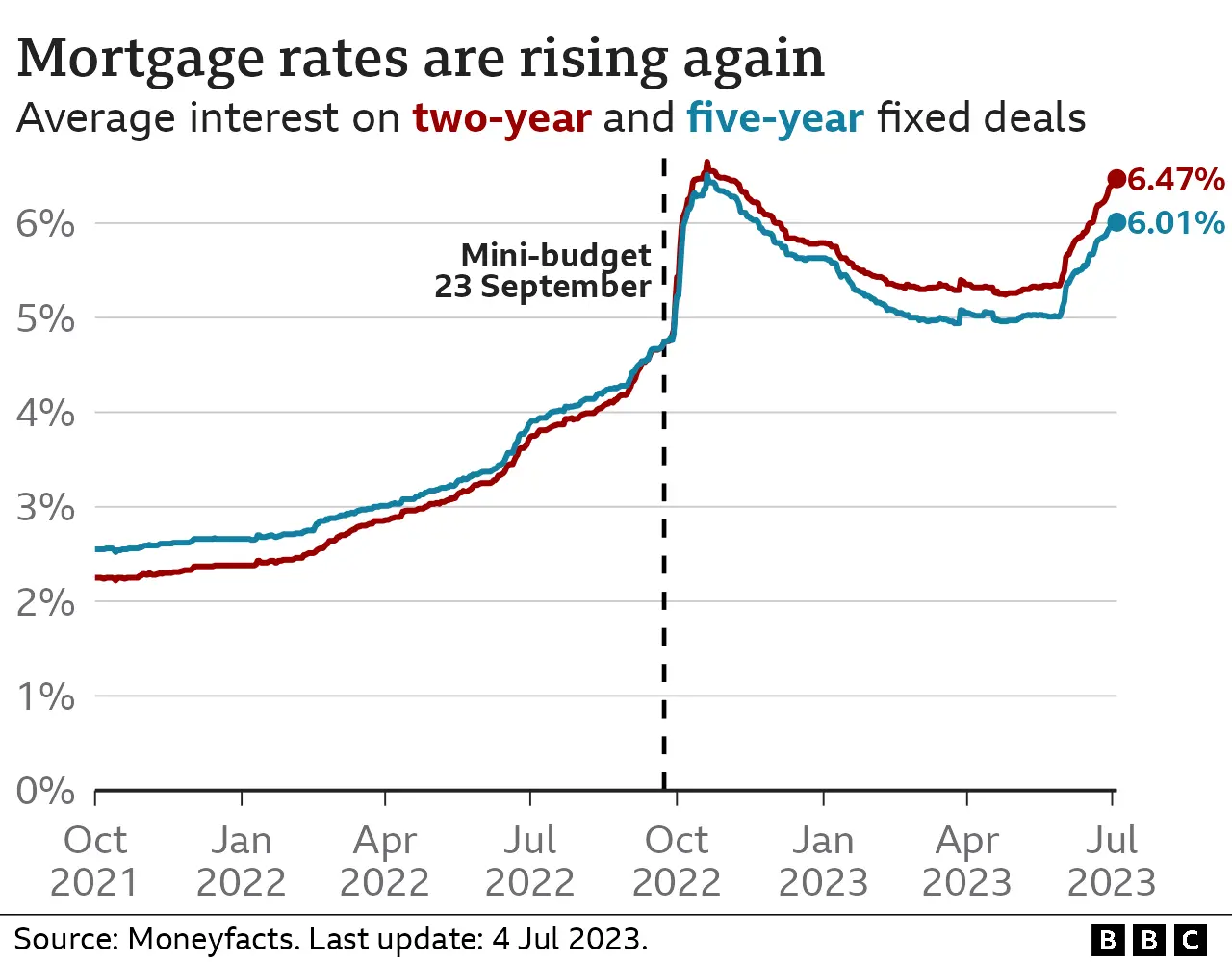
When we refer to the “average mortgage rate,” we are typically looking at a statistical representation rather than a universal figure applicable to every single borrower. This average serves as a general indicator of market health and lending trends, but it’s crucial to delve deeper into its calculation and significance to appreciate its true utility and limitations.
How Average Rates Are Calculated
Financial institutions and government-sponsored enterprises regularly collect and disseminate data on mortgage rates. One of the most widely cited sources is Freddie Mac’s Primary Mortgage Market Survey (PMMS), which polls lenders nationwide each week on the rates, points, and fees for popular mortgage products. The most common benchmark is the 30-year fixed-rate mortgage (FRM) for conforming conventional loans, meaning loans that meet the standards set by Freddie Mac and Fannie Mae regarding loan limits and borrower criteria.
These surveys aggregate data from a broad spectrum of lenders—commercial banks, savings institutions, and mortgage companies—to produce a national average. While robust, this average often reflects rates for prime borrowers with excellent credit scores (typically 740+), significant down payments (20% or more), and low debt-to-income (DTI) ratios. Consequently, while the average provides a helpful snapshot of the market, it doesn’t necessarily reflect the rate every individual will qualify for, especially those with less-than-perfect credit or smaller down payments. The average acts as a compass, pointing to the general direction of the market, but individual rates can vary significantly based on a multitude of personal and economic factors.
The Significance of Rate Fluctuations
Even seemingly minor fluctuations in the average mortgage rate can have profound impacts on both individual borrowers and the broader housing market. A quarter-percentage-point increase, for example, might seem insignificant, but over the 30-year life of a typical mortgage, it can translate into tens of thousands of dollars in additional interest paid. For a $300,000 loan, an increase from 6.00% to 6.25% could add approximately $47 to the monthly payment, totaling over $17,000 in extra interest over 30 years.
Such changes also influence housing affordability and buyer behavior. When rates rise, the cost of borrowing increases, which can price some potential buyers out of the market or force them to consider less expensive homes. Conversely, falling rates can stimulate demand, making homeownership more accessible and encouraging refinancing activity among existing homeowners. The psychological impact is also noteworthy; expectations of future rate movements can drive frenzied activity or cause market stagnation, underscoring the average rate’s role as a powerful economic signal.
Key Factors Influencing Mortgage Rates
Mortgage rates are dynamic, constantly shifting in response to a complex interplay of national economic indicators, global events, and specific lender criteria. Understanding these driving forces is crucial for anticipating market movements and making timely financial decisions.
Economic Indicators
The health and trajectory of the broader economy are paramount in shaping mortgage rates. Several key indicators serve as barometers:
- Inflation: This is arguably the most significant driver. Lenders charge higher interest rates to compensate for the erosion of purchasing power that inflation causes over time. If lenders expect inflation to rise, they will demand higher yields on their loans to ensure a real return on their investment.
- Federal Reserve Policy: While the Federal Reserve doesn’t directly set mortgage rates, its monetary policy decisions heavily influence them. When the Fed raises its benchmark federal funds rate, it generally increases the cost of borrowing across the financial system, including for mortgages. The Fed’s actions regarding quantitative easing (buying bonds) or tightening (selling bonds) also impact the bond market, which in turn affects mortgage rates.
- Job Reports and Economic Growth: A strong economy, characterized by robust job growth and increasing Gross Domestic Product (GDP), typically leads to higher inflation expectations and, consequently, higher mortgage rates. Conversely, signs of economic weakness or recession often prompt the Fed to lower rates, and investor flight to safety (buying bonds) can push mortgage yields down.
- The Bond Market (10-Year Treasury Yield): Mortgage rates tend to track the yield on the 10-year Treasury bond very closely. Treasuries are seen as a safe investment, and their yields reflect investor confidence in the economy. When demand for Treasuries is high (e.g., during times of uncertainty), their prices go up and yields go down, often pulling mortgage rates lower. When investors seek higher returns elsewhere, Treasury prices fall, yields rise, and mortgage rates tend to follow suit.
Lender-Specific Factors
Beyond the macroeconomic picture, individual lenders also assess various risk factors and operational costs when determining the rate they offer to a particular borrower.
- Credit Score: A higher credit score (e.g., FICO score) indicates a borrower’s strong history of repaying debts, signaling lower risk to lenders. Borrowers with excellent credit typically qualify for the lowest rates.
- Debt-to-Income (DTI) Ratio: This ratio compares your total monthly debt payments to your gross monthly income. A lower DTI (generally below 43%) suggests you have sufficient income to manage additional debt, making you a less risky borrower.
- Loan-to-Value (LTV) Ratio: LTV compares the loan amount to the home’s value. A larger down payment results in a lower LTV ratio, reducing the lender’s risk and often qualifying the borrower for a better rate. A 20% down payment (80% LTV) is often the threshold for avoiding private mortgage insurance (PMI) and securing prime rates.
- Loan Type and Term: Different mortgage products carry different risk profiles and, thus, different rates. Shorter-term loans (e.g., 15-year fixed) typically have lower interest rates than longer-term loans (e.g., 30-year fixed) because the lender is exposed to interest rate risk for a shorter period. Adjustable-rate mortgages (ARMs) often start with lower rates than fixed-rate mortgages, reflecting the borrower’s assumption of future interest rate risk.
- Points and Fees: Borrowers can sometimes “buy down” their interest rate by paying discount points upfront. One point typically equals 1% of the loan amount. While these fees increase the upfront cost, they can lower the monthly payments and total interest paid over the life of the loan.
Geopolitical Events and Market Sentiment
Global stability and investor sentiment can also significantly sway mortgage rates. Periods of international crisis or political uncertainty often lead to a “flight to safety,” where investors pull money from riskier assets and invest in secure options like U.S. Treasury bonds. This increased demand for bonds drives their prices up and their yields down, subsequently pushing mortgage rates lower. Conversely, positive global economic news or increased investor confidence in riskier markets can lead to outflows from bonds, causing yields and mortgage rates to rise. Market expectations about future economic conditions, inflation, and central bank actions can create self-fulfilling prophecies, impacting rates even before official policy changes occur.
Types of Mortgage Rates and Their Implications
Beyond the broad average, the mortgage market offers a variety of rate structures, each with distinct advantages and disadvantages depending on a borrower’s financial goals and risk tolerance. Understanding these differences is paramount to selecting the right mortgage product.
Fixed-Rate Mortgages (FRMs)
Fixed-rate mortgages are the most common and often the most straightforward loan type. With an FRM, the interest rate remains constant for the entire duration of the loan, regardless of market fluctuations. This means your principal and interest payments will stay the same every month, providing predictable budgeting and protection against rising interest rates.
- Popular Terms: The 30-year fixed-rate mortgage is the most popular, offering lower monthly payments and greater affordability for many homeowners. The 15-year fixed-rate mortgage, while having higher monthly payments, allows borrowers to pay off their home much faster and typically comes with a slightly lower interest rate, resulting in significant savings on total interest over the loan’s life.
- Pros: Predictability, stability, and ease of budgeting are the primary advantages. Homeowners know exactly what their principal and interest payment will be for the next decade or three, offering peace of mind.
- Cons: Fixed rates often start higher than the initial rates of adjustable-rate mortgages. If market rates fall significantly after you’ve locked into a fixed rate, your only option to benefit would be to refinance, which involves closing costs.
Adjustable-Rate Mortgages (ARMs)
Adjustable-rate mortgages offer a rate that can change periodically after an initial fixed-rate period. They are often structured as “hybrid ARMs,” such as a 5/1 ARM or a 7/1 ARM. The first number indicates the length of the initial fixed-rate period (e.g., 5 years), and the second number indicates how often the rate will adjust after that period (e.g., every 1 year).
- Definition: After the fixed-rate period, the interest rate will adjust up or down based on a predetermined index (like the Secured Overnight Financing Rate – SOFR) plus a margin set by the lender. ARMs typically have caps that limit how much the rate can change per adjustment period and over the life of the loan.
- Pros: ARMs typically offer a lower initial interest rate compared to fixed-rate mortgages, which can translate to lower monthly payments in the early years. This can be appealing to borrowers who plan to sell their home or refinance before the fixed-rate period ends, or those who anticipate a significant increase in income in the near future.
- Cons: The primary disadvantage is rate uncertainty and the potential for “payment shock” when the rate adjusts. If interest rates rise substantially, your monthly payments could increase significantly, potentially straining your budget. ARMs are inherently riskier than FRMs for borrowers who plan to stay in their home long-term, especially in a rising rate environment.
Government-Backed Loans (FHA, VA, USDA)
Beyond conventional loans, several government-backed mortgage programs offer distinct advantages, often with competitive rates and more flexible qualification criteria, particularly for specific borrower groups.

- FHA Loans: Insured by the Federal Housing Administration, these loans are popular among first-time homebuyers or those with lower credit scores. They often require a lower down payment (as little as 3.5%) and have less stringent credit requirements than conventional loans. While the rates can be competitive, FHA loans require both upfront and annual mortgage insurance premiums.
- VA Loans: Guaranteed by the U.S. Department of Veterans Affairs, these loans are available to eligible service members, veterans, and surviving spouses. VA loans offer significant benefits, including no down payment requirement, no private mortgage insurance, and often very competitive interest rates.
- USDA Loans: Backed by the U.S. Department of Agriculture, these loans are designed for low-to-moderate-income individuals purchasing homes in eligible rural areas. They typically require no down payment and can offer favorable interest rates to promote rural development.
While these government-backed loans don’t necessarily influence the “average” conventional mortgage rate directly, they represent a significant portion of the mortgage market and offer crucial alternatives for many borrowers who might not qualify for conventional financing or who can benefit from their specific advantages.
Navigating the Mortgage Market: Beyond the Average Rate
Understanding the average mortgage rate and its various components is an excellent starting point, but securing the best rate for your situation requires proactive steps and a keen eye for detail. The goal is not just to find a low average rate, but to qualify for the most favorable terms possible given your individual financial profile.
Improving Your Own Rate
While you can’t control macroeconomic factors, you have considerable influence over your personal financial standing, which directly impacts the rate lenders offer you.
- Credit Score Enhancement: Lenders view borrowers with higher credit scores as less risky. Aim for a credit score of 740 or higher by consistently paying bills on time, keeping credit utilization low, and correcting any errors on your credit report. A strong credit history can shave significant basis points off your mortgage rate.
- Reducing Debt-to-Income (DTI) Ratio: A low DTI ratio signals that you have manageable debt and sufficient income to handle mortgage payments. Pay down existing debts, especially high-interest consumer debt, before applying for a mortgage. This not only improves your DTI but also frees up cash flow.
- Larger Down Payment: A substantial down payment (ideally 20% or more) reduces the loan-to-value (LTV) ratio, which lessens the lender’s risk. A lower LTV often translates to a better interest rate and helps you avoid costly private mortgage insurance (PMI).
- Shopping Multiple Lenders: This is perhaps one of the most impactful steps. Don’t settle for the first offer. Mortgage rates and fees can vary significantly between lenders, sometimes by as much as half a percentage point or more. Obtain quotes from at least three to five different lenders (banks, credit unions, and online mortgage brokers) within a short timeframe (usually 14-45 days, as multiple credit inquiries for the same type of loan within this window count as a single inquiry for scoring purposes). This competitive bidding can save you thousands over the life of the loan.
Understanding the APR vs. Interest Rate
When comparing mortgage offers, it’s critical to look beyond the nominal interest rate and focus on the Annual Percentage Rate (APR).
- Interest Rate: This is simply the cost of borrowing money, expressed as a percentage of the principal. It determines your monthly principal and interest payment.
- APR: The APR provides a more comprehensive measure of the total cost of the loan. It includes the interest rate plus most of the fees associated with the loan, such as origination fees, discount points, and some closing costs. By incorporating these additional charges, the APR gives you a truer and more comparable cost of the loan over its entire term. When comparing loan offers, always compare the APRs, not just the advertised interest rates, to get an accurate picture of the true cost.
When to Lock Your Rate
Once you’ve applied for a mortgage and received an offer, you’ll face the decision of when to “lock” your interest rate. A rate lock guarantees that the interest rate offered to you won’t change between the time you lock it and your closing date, typically for a period of 30, 45, or 60 days.
- Market Volatility: If interest rates are trending upwards or the market is highly volatile, locking your rate sooner rather than later can protect you from potential increases. If rates are stable or trending downwards, you might consider “floating” your rate for a short period, hoping for a further drop, but this strategy carries inherent risk.
- Timing Your Lock: Generally, it’s advisable to lock your rate after your offer on a home has been accepted and before your closing date, allowing enough time for underwriting and appraisal. Locking too early can lead to the lock expiring before closing, potentially forcing you to pay an extension fee or accept a new, possibly higher, rate.
- Float-Down Options: Some lenders offer a “float-down” option, which allows you to take advantage of lower rates if they drop significantly after you’ve locked. This typically comes with an additional fee but can provide flexibility in a falling rate environment.
By diligently managing your finances, understanding the nuances of different loan products, and strategically navigating the application process, you can move beyond simply accepting the “average” and secure a mortgage rate that is optimized for your personal financial health.
The Long-Term Impact of Mortgage Rates on Financial Planning
The average mortgage rate, and the specific rate you secure, doesn’t just dictate your monthly housing payment; it reverberates throughout your entire financial life, influencing affordability, wealth accumulation, and broader investment decisions over decades. Recognizing this long-term impact is critical for robust financial planning.
Affordability and Budgeting
The interest rate on your mortgage directly determines your monthly principal and interest payment. A lower rate significantly reduces this fixed expense, freeing up cash flow that can be allocated to other financial goals such as savings, investments, debt repayment, or discretionary spending. Conversely, a higher rate can strain your budget, especially if other living costs rise.
- Monthly Payments: Even a small difference in rate can have a substantial impact. On a $400,000 loan, lowering the rate from 7% to 6.5% can reduce your monthly payment by over $130. Over 30 years, this translates to nearly $47,000 in savings on interest alone.
- Stress Testing for ARMs: For those considering adjustable-rate mortgages, it’s paramount to “stress test” your budget by calculating what your monthly payments would be if the rate adjusted to its maximum cap. This ensures you can comfortably afford the loan even in a worst-case scenario, preventing future payment shock.
Wealth Accumulation and Equity Building
Your mortgage rate plays a pivotal role in how quickly you build equity in your home and the total wealth you accumulate over time.
- Principal vs. Interest: A lower interest rate means a larger portion of your early monthly payments goes towards reducing the principal balance, rather than just covering interest. This accelerates equity growth, giving you more financial flexibility and a stronger asset base.
- Total Interest Paid: The cumulative interest paid over the life of a 30-year mortgage can easily exceed the original principal amount. A lower rate dramatically reduces this total, allowing you to retain more of your hard-earned money. For instance, on a $300,000 loan, a 6% rate results in approximately $347,000 in total interest paid over 30 years, while a 5% rate reduces that to around $279,000 – a savings of $68,000.
- Refinancing Opportunities: Understanding mortgage rate trends allows homeowners to identify opportunities to refinance existing loans when rates drop significantly. Refinancing can lower monthly payments, reduce the total interest paid, or shorten the loan term, all of which contribute positively to long-term wealth building.
Market Sentiment and Investment Decisions
Mortgage rates are a crucial component of broader economic sentiment and often influence investment decisions beyond real estate.
- Housing Market Activity: Low mortgage rates typically stimulate the housing market, making homes more affordable and encouraging buying activity. High rates tend to cool the market, reducing demand and potentially stabilizing or lowering home prices.
- Opportunity Cost: The cost of your mortgage can impact your ability to invest in other areas. If you’re paying a high interest rate, that money is tied up in servicing debt, potentially limiting your capacity to invest in stocks, bonds, retirement accounts, or other wealth-generating assets. Conversely, a low mortgage rate can provide greater financial liquidity, allowing for more diverse and aggressive investment strategies.
- Economic Outlook: Mortgage rates serve as an indicator of the economic outlook. Rising rates often signal an expectation of inflation or tighter monetary policy, which can influence decisions related to consumer spending, business expansion, and overall market confidence.
Ultimately, the mortgage rate you secure is not merely a number but a powerful financial lever that impacts your monthly budget, accelerates or decelerates your path to financial freedom, and influences your broader investment portfolio. Thoughtful consideration of mortgage rates as part of a holistic financial plan is essential for building lasting wealth and achieving long-term financial security.

Conclusion
The “average mortgage rate” is far more than a simple statistic; it’s a dynamic benchmark that reflects the intricate dance between global economic forces, national monetary policy, and individual financial profiles. From the Federal Reserve’s decisions to your personal credit score, a multitude of factors converge to determine the cost of borrowing for one of life’s most significant investments. We’ve explored how these averages are calculated, the critical economic indicators that influence them, the distinct characteristics of fixed-rate, adjustable-rate, and government-backed loans, and, crucially, the actionable strategies you can employ to secure the most favorable terms for your specific circumstances.
Understanding these complexities empowers you to move beyond passive observation of the “average” and actively shape your financial future. By diligently managing your credit, understanding the true cost of a loan (APR), strategically shopping for lenders, and timing your rate lock, you can significantly impact your monthly payments and save tens, if not hundreds, of thousands of dollars over the life of your loan. The long-term implications of your mortgage rate extend deeply into your personal finance, influencing everything from your daily budget and equity growth to your broader investment opportunities and overall financial well-being.
In a constantly evolving financial landscape, knowledge is your most powerful tool. Consulting with trusted financial advisors and thoroughly researching your options are indispensable steps. Armed with this insight, you are better equipped to navigate the mortgage market with confidence, making informed decisions that align with your financial goals and pave the way for a secure and prosperous future.
aViewFromTheCave is a participant in the Amazon Services LLC Associates Program, an affiliate advertising program designed to provide a means for sites to earn advertising fees by advertising and linking to Amazon.com. Amazon, the Amazon logo, AmazonSupply, and the AmazonSupply logo are trademarks of Amazon.com, Inc. or its affiliates. As an Amazon Associate we earn affiliate commissions from qualifying purchases.