
Understanding the average mileage on a car is more than just a curiosity; it’s a crucial data point for making informed financial decisions throughout your vehicle’s lifecycle. Whether you’re buying, selling, maintaining, or insuring a car, knowing what constitutes “average” mileage provides a benchmark for assessing value, predicting costs, and understanding depreciation. This financial lens allows us to see how mileage directly impacts the bottom line, influencing everything from resale prices to the necessity of costly repairs.
The Financial Significance of Car Mileage
Car mileage is a primary indicator of its usage and, consequently, its remaining lifespan and potential future expenses. For consumers, it’s a key metric in the equation of vehicle ownership cost. High mileage often signals increased wear and tear on critical components, translating into a higher likelihood of needing repairs sooner rather than later. Conversely, low mileage vehicles may command a premium due to their perceived longer useful life. This relationship between mileage and financial value is complex and influenced by various factors, but the core principle remains: more miles equal more usage, and more usage generally leads to increased financial implications.
Depreciation: The Silent Killer of Car Value
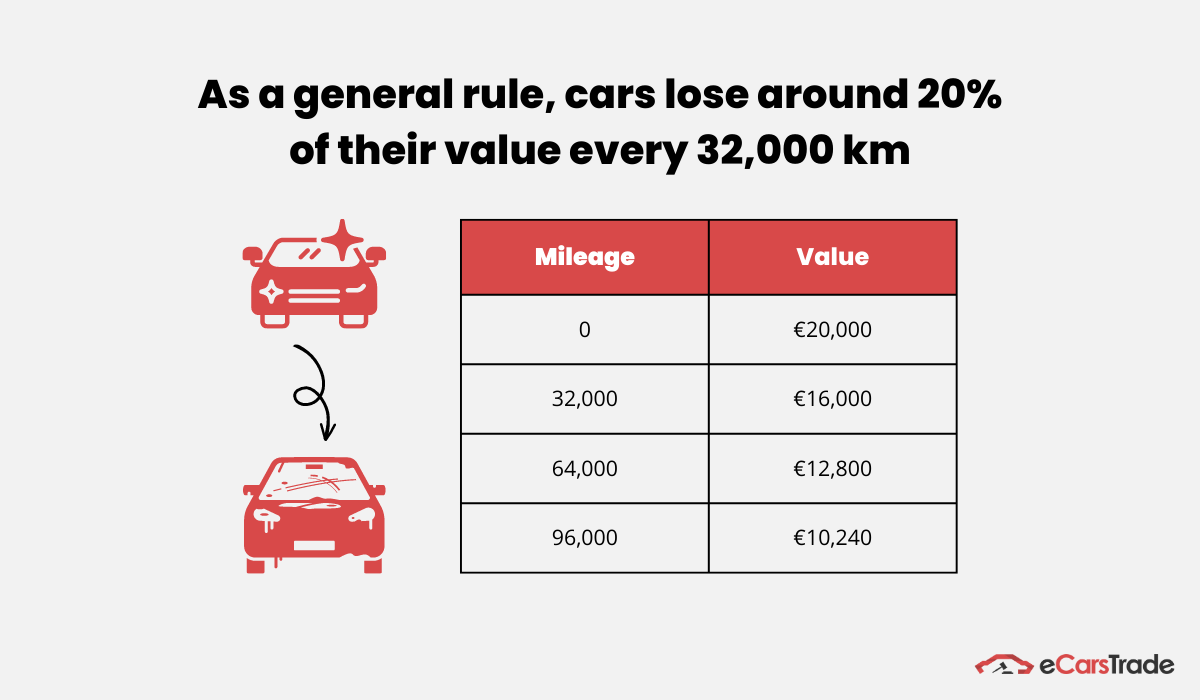
Depreciation is the most significant financial impact of car mileage. As a car racks up miles, its market value decreases. This isn’t just about the odometer ticking; it’s about the cumulative stress on the engine, transmission, suspension, and other vital systems. Manufacturers design cars with an expected lifespan, often measured in miles. Exceeding the average can accelerate the depreciation curve, making the car worth considerably less than its initial purchase price.
Understanding the Depreciation Curve
The depreciation curve for a car is not linear. The steepest drop in value typically occurs in the first few years of ownership and with the initial accumulation of miles. For example, a car might lose 15-20% of its value in the first year alone. Subsequent years see a slower but still consistent decline. Mileage plays a pivotal role in how quickly a car descends this curve. A car with 100,000 miles will be worth substantially less than an identical model with 40,000 miles, assuming all other factors are equal. This difference can amount to thousands of dollars, impacting your ability to recoup your initial investment or the amount you’ll need to spend on your next vehicle.
Mileage Brackets and Their Financial Impact
Dealers and buyers often categorize used cars into mileage brackets, each carrying a distinct financial implication.
- Low Mileage (Under 30,000 miles): These vehicles are typically considered to have a lot of life left. They often command higher prices in the used car market and may still be covered under the manufacturer’s original warranty. For buyers, this means a potentially lower risk of immediate major repairs, but at a higher purchase price.
- Average Mileage (30,000 – 80,000 miles): This is the most common range for used cars. While depreciation is significant, these vehicles often represent a good balance between cost and remaining usability. The “average” mileage range can vary depending on the car’s age, but it generally signifies a well-used but not excessively worn vehicle.
- High Mileage (Over 80,000 miles): Vehicles in this category have experienced substantial use. While they offer a lower entry price, buyers must factor in a higher probability of maintenance and repair costs. The financial allure here is the significantly lower purchase price, but it comes with a caveat of increased ongoing expenses. For sellers, reaching high mileage can drastically reduce the car’s marketability and selling price.
Resale Value: The Direct Monetary Outcome of Mileage
The most tangible financial impact of mileage is on the resale value of your car. Websites like Kelley Blue Book (KBB), Edmunds, and NADA Guides use algorithms that heavily factor in mileage when determining a car’s trade-in or private party value. A difference of a few thousand miles can translate into hundreds or even thousands of dollars in the final valuation.
How Mileage Affects Different Car Types
The impact of mileage on resale value can differ across vehicle types. Luxury cars, for instance, may see a more dramatic drop in value with higher mileage compared to more utilitarian vehicles. This is often because the cost of repairing or replacing the sophisticated components in luxury vehicles is significantly higher. Similarly, performance cars might be penalized more heavily for high mileage, as their intended use often involves spirited driving that can accelerate wear. Conversely, reliable economy cars, known for their durability, might hold their value slightly better even with higher mileage, as buyers prioritize longevity and lower running costs.
The “Sweet Spot” for Used Car Buyers
For used car buyers, the “sweet spot” often lies in a vehicle that has had its steepest depreciation curve already passed but hasn’t yet reached a mileage that signals imminent major repairs. This typically falls within the average mileage range, particularly for cars that are 3-5 years old. These vehicles offer a considerable cost saving compared to new cars, while still having ample life and reliability for most daily needs.
The Financial Implications of Car Maintenance and Repairs
Beyond depreciation and resale value, mileage directly influences the financial burden of maintaining and repairing your vehicle. As a car accumulates miles, its various components naturally wear down, requiring replacements and servicing. Understanding these predictable costs is essential for budgeting your automotive expenses.
Scheduled Maintenance: A Mileage-Based Investment
Manufacturers provide detailed maintenance schedules that are largely dictated by mileage. These schedules outline routine tasks like oil changes, tire rotations, filter replacements, and fluid checks. Adhering to these schedules is a crucial financial strategy for preserving your car’s value and preventing more costly issues down the line.
The Cost of Neglecting Scheduled Maintenance
Ignoring scheduled maintenance based on mileage is a false economy. For example, skipping oil changes can lead to engine damage, costing thousands to repair or replace. Similarly, neglecting to replace worn brake pads can damage rotors and calipers, escalating repair bills. The money saved by skipping a $50 oil change could easily be dwarfed by a $500 brake job or a $5,000 engine overhaul. Therefore, viewing scheduled maintenance as an investment rather than an expense is financially prudent.
Understanding Maintenance Costs Over Time
The cost of maintenance generally increases with mileage. While early mileage typically involves routine checks and minor fluid replacements, higher mileage vehicles will require more significant interventions. This can include replacing timing belts, spark plugs, suspension components, and eventually, more expensive parts like the transmission or engine. Budgeting for these increasing costs as your car ages is a vital aspect of responsible car ownership.
Unforeseen Repairs: The Gamble of High Mileage
While scheduled maintenance aims to prevent problems, high mileage inherently increases the probability of unforeseen repairs. Components that have been subjected to countless cycles of stress and friction are more likely to fail unexpectedly.
The Financial Risk of High-Mileage Vehicles
When purchasing a high-mileage vehicle, or when your own car surpasses the 100,000-mile mark, the financial risk of unexpected breakdowns becomes a significant consideration. A sudden transmission failure, a blown head gasket, or a failing catalytic converter can all result in repair bills that easily exceed the car’s market value. This is why extended warranties or a robust emergency fund are often recommended for owners of older, higher-mileage vehicles.
Strategies for Mitigating Repair Costs
Several financial strategies can help mitigate the costs associated with mileage-related repairs:
- Preventative Maintenance: As stressed earlier, this is the most effective strategy.
- Independent Mechanics: While dealerships offer specialized expertise, independent mechanics often provide more competitive pricing for repairs, especially on older vehicles.
- Used or Remanufactured Parts: For certain repairs, using high-quality used or remanufactured parts can significantly reduce costs compared to brand-new OEM components.
- DIY Repairs: For mechanically inclined individuals, performing some basic maintenance and repair tasks themselves can lead to substantial savings.
Mileage and Auto Insurance Premiums: A Financial Correlation
Auto insurance premiums are calculated based on a multitude of factors, and vehicle mileage is one of them. Insurers use mileage as a proxy for risk; the more you drive, the higher your chances of being involved in an accident. This direct correlation means that your car’s average annual mileage can significantly impact the cost of your insurance.
How Mileage Influences Risk Assessment
Insurance companies categorize drivers and vehicles based on their perceived risk. A car that is driven extensively is exposed to more potential hazards on the road, including traffic, adverse weather conditions, and the general unpredictability of other drivers.
Annual Mileage Brackets and Insurance Rates
Insurers often ask for your estimated annual mileage during the quoting process. They then typically group drivers into mileage brackets, such as:
- Low Mileage (e.g., under 7,500 miles per year): Drivers who fall into this category often qualify for lower insurance rates. They are seen as less of a risk due to reduced exposure.
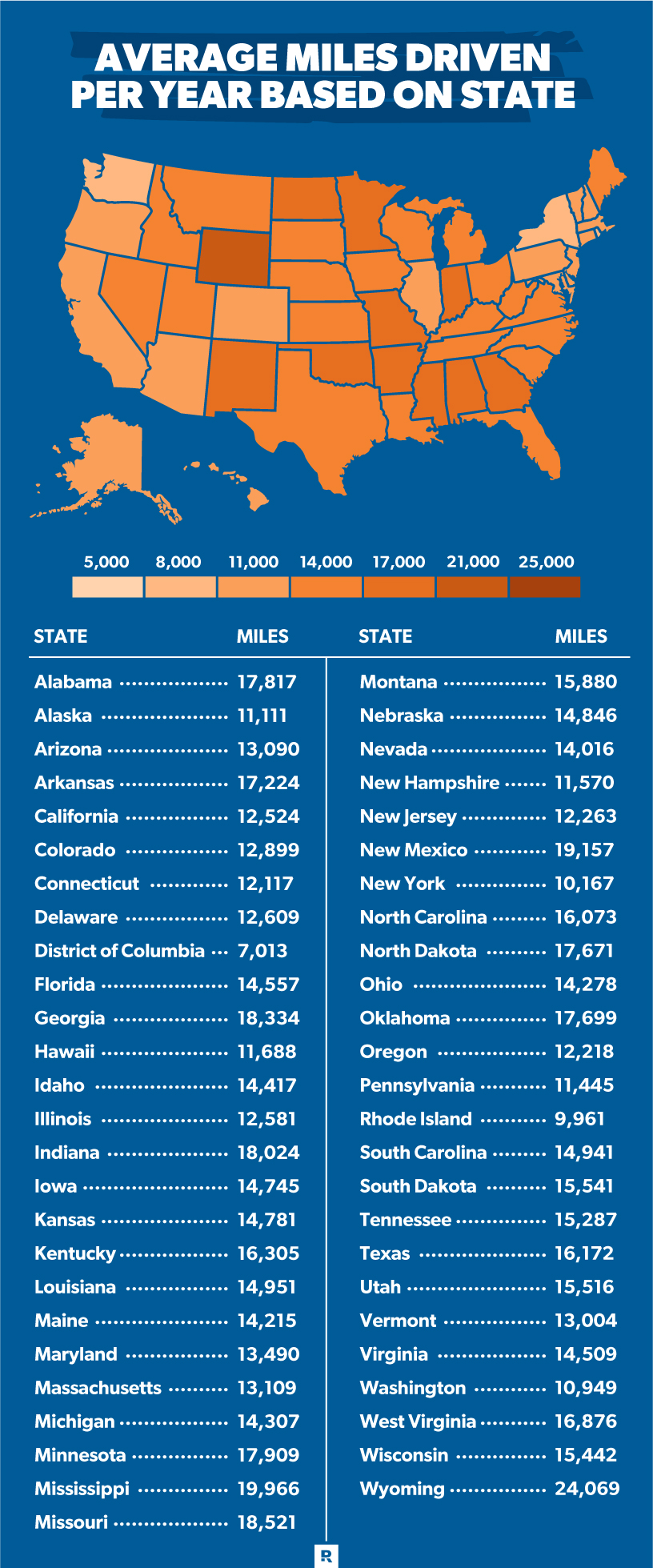
- Average Mileage (e.g., 7,500 to 15,000 miles per year): This is the standard bracket, with rates reflecting a moderate level of risk.
- High Mileage (e.g., over 15,000 miles per year): Drivers who accumulate a significant number of miles annually generally face higher insurance premiums because they are statistically more likely to file a claim.
Discount Opportunities for Low-Mileage Drivers
Many insurance providers offer specific discounts for drivers who consistently drive less. These “low-mileage discounts” can provide a noticeable reduction in your annual insurance costs. If you work from home, use public transportation frequently, or have a second car that is rarely used, you may be eligible for such savings. It’s always advisable to communicate your driving habits accurately to your insurance provider to ensure you are receiving all applicable discounts.
The Financial Impact of Vehicle Usage on Insurance Claims
Beyond the initial premium calculation, how mileage affects the likelihood and cost of insurance claims is also a financial consideration. A car that is constantly on the road is more likely to be involved in an accident, which will inevitably lead to increased insurance premiums upon renewal, regardless of whether you were at fault. Furthermore, if a car is involved in an accident, the mileage can influence the total cost of repairs or the payout in the event of a total loss.
Collision and Comprehensive Coverage with High Mileage
For collision and comprehensive coverage, the mileage of your vehicle is a factor in determining the payout in case of a total loss. If your car is deemed a total loss, the insurance company will pay out its actual cash value (ACV) at the time of the accident. A higher mileage vehicle, due to depreciation, will have a lower ACV, resulting in a smaller payout from your insurer. This can leave you with a financial shortfall when trying to replace your vehicle.
The “Occasional Driver” Status and its Financial Benefits
Some insurers offer a specific classification for “occasional drivers” or “pleasure use” vehicles. If your car is primarily used for leisure activities and not for daily commuting or business purposes, you may qualify for this status, which typically comes with lower premiums. Accurately reporting your vehicle’s usage is crucial to leverage these potential financial benefits.
Mileage as a Factor in Total Cost of Ownership (TCO)
When considering the financial implications of car ownership, looking beyond the purchase price and focusing on the Total Cost of Ownership (TCO) provides a more comprehensive financial picture. Mileage is a central component of TCO, influencing fuel consumption, maintenance, repairs, and depreciation – all of which represent significant financial outlays over the life of a vehicle.
Fuel Consumption: A Direct Mileage-Related Expense
The most immediate and continuous financial impact of mileage is on fuel consumption. The more miles your car travels, the more fuel it will consume. While fuel efficiency (measured in miles per gallon, or MPG) is a critical factor, the sheer volume of miles driven will ultimately determine your annual fuel expenditure.
Calculating Your Annual Fuel Costs
To estimate annual fuel costs, you can use a simple formula:
(Annual Miles Driven / Fuel Efficiency (MPG)) * Average Fuel Price = Annual Fuel Cost
For example, if you drive 15,000 miles per year, your car gets 25 MPG, and gas prices are $4 per gallon, your annual fuel cost would be:
(15,000 miles / 25 MPG) * $4/gallon = 600 gallons * $4/gallon = $2,400
This calculation highlights how significantly mileage contributes to your ongoing operational expenses. Choosing a more fuel-efficient vehicle, especially if you anticipate high mileage, can lead to substantial long-term savings.
Long-Term Repair and Replacement Costs
As discussed in previous sections, mileage directly correlates with the likelihood and cost of repairs. Higher mileage vehicles will eventually require more expensive component replacements, such as the transmission, engine, or exhaust system. Ultimately, every car reaches a point where the cost of repairs outweighs its residual value, necessitating replacement.
When Does Mileage Dictate Replacement?
The decision to replace a vehicle is often a financial one, heavily influenced by mileage. While there’s no universal mileage threshold, many financial advisors suggest considering a replacement when the projected annual repair costs begin to consistently exceed a certain percentage of the car’s market value, or when major components are nearing the end of their expected lifespan. For some, this tipping point might be around 150,000 to 200,000 miles, while for others, it could be lower or higher depending on the car’s make, model, and maintenance history.
The Financial Trade-off: Repair vs. Replacement
When faced with a significant repair on a high-mileage vehicle, it’s a crucial financial decision to weigh the cost of the repair against the cost of a new or used replacement vehicle. If a $3,000 repair is needed on a car worth $4,000, it might be financially sensible to undertake the repair. However, if the same $3,000 repair is needed on a car worth only $2,000, it’s often more financially prudent to put that money towards a down payment on a more reliable vehicle. Understanding the mileage-related wear and tear on your current car will help you make this critical financial assessment.
The Financial Case for Car Maintenance and Mileage Tracking
In conclusion, understanding average car mileage is not just about numbers on a dashboard; it’s about comprehending the financial lifecycle of your vehicle. From the initial depreciation and resale value to ongoing maintenance, insurance premiums, and eventual replacement costs, mileage is a pervasive factor that directly impacts your wallet. By actively tracking your mileage, adhering to scheduled maintenance, and making informed decisions based on your vehicle’s usage, you can effectively manage the financial implications of car ownership and drive towards greater financial security.
aViewFromTheCave is a participant in the Amazon Services LLC Associates Program, an affiliate advertising program designed to provide a means for sites to earn advertising fees by advertising and linking to Amazon.com. Amazon, the Amazon logo, AmazonSupply, and the AmazonSupply logo are trademarks of Amazon.com, Inc. or its affiliates. As an Amazon Associate we earn affiliate commissions from qualifying purchases.