
Dental implants represent a significant investment in long-term oral health and quality of life. Unlike temporary solutions, they offer a durable, stable, and aesthetically pleasing replacement for missing teeth. However, understanding the financial commitment involved is crucial for anyone considering this advanced dental procedure. The “average” cost can be misleading, as prices vary widely based on numerous factors, making it essential to delve into the specifics to budget effectively and make an informed financial decision.
Deconstructing the Core Costs of a Dental Implant
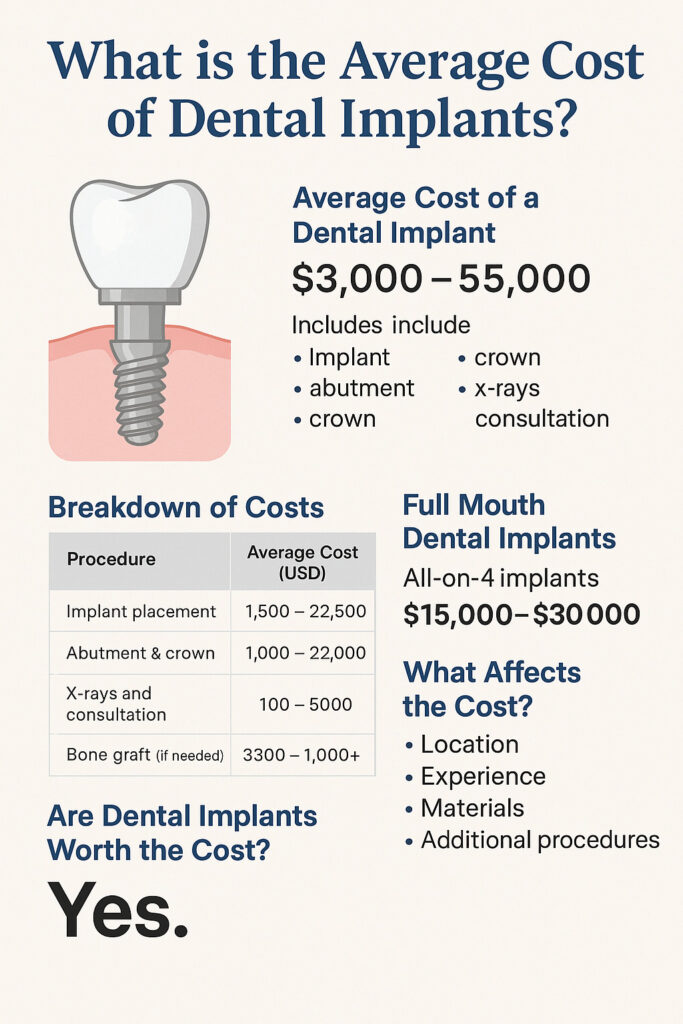
The total cost of a dental implant is not a single price but rather an aggregation of several distinct components, each contributing to the overall investment. Dissecting these elements helps in understanding where your money is going.
The Implant Fixture Itself
At the heart of the procedure is the implant fixture, a small, screw-shaped post typically made of biocompatible materials like titanium or, less commonly, zirconia. This fixture is surgically placed into the jawbone, acting as an artificial tooth root. The cost of the implant fixture varies depending on the brand, material, and manufacturing quality. Premium brands often come with a higher price tag due to extensive research, development, and proven success rates. Titanium implants are the most common and generally more affordable than zirconia options, which are preferred by some due to their metal-free nature and aesthetic appeal, though they may have a higher material cost and limited long-term data compared to titanium.
The Abutment
Once the implant fixture has integrated with the jawbone (a process called osseointegration), an abutment is attached. This is a connector piece that extends above the gum line, serving as the interface between the implant fixture and the visible prosthetic tooth (crown). Abutments can be stock (pre-manufactured) or custom-made. Custom abutments, though more expensive, often provide a better fit, improved aesthetics, and optimized support for the crown, especially in the front of the mouth. The material of the abutment (titanium, gold, or ceramic) also influences its cost.
The Crown or Prosthetic
The final and most visible component is the dental crown, which is custom-made to match the natural teeth in shape, size, and color. The cost of the crown largely depends on the material chosen and the laboratory fees for its fabrication. Common materials include porcelain-fused-to-metal (PFM), all-ceramic (e.g., zirconia, E.max), and occasionally gold. All-ceramic crowns are often pricier but offer superior aesthetics, particularly for front teeth. The complexity of the restoration also plays a role; a single crown will differ significantly in cost from a multi-unit bridge or a full arch denture supported by multiple implants (e.g., All-on-4 or All-on-6 systems).
Surgical Fees
Beyond the physical components, the surgical placement of the implant fixture constitutes a significant portion of the total cost. This includes the oral surgeon’s or periodontist’s fees, which are determined by their expertise, the complexity of the case, and the estimated time required for the procedure. Anesthesia costs (local, oral sedation, IV sedation, or general anesthesia) are also factored in, varying based on the type and duration. Facility fees, if the surgery is performed in a specialized surgical center rather than a general dental office, can also contribute to this segment of the cost.
Factors Influencing the Total Investment
While the core components lay the foundation, several other critical factors can dramatically sway the final price tag of a dental implant procedure. A comprehensive financial assessment must account for these variables.
Location of Practice and Dentist’s Expertise
Geographic location plays a substantial role in dental costs. Practices in major metropolitan areas or regions with a high cost of living typically charge more than those in rural or less expensive locales. Furthermore, the experience and specialization of the dental professional performing the procedure can affect fees. An oral surgeon or periodontist, who specializes in implant placement, often charges more than a general dentist, though their specialized training and experience can lead to more predictable outcomes. Highly reputable practices with state-of-the-art technology and extensive portfolios of successful implant cases may also command higher fees.
Preliminary Procedures
Many patients require preparatory procedures before an implant can be successfully placed. These can add thousands of dollars to the total cost.
- Bone Grafting: If a patient has insufficient jawbone density or volume due to tooth loss, trauma, or gum disease, a bone graft may be necessary to create a stable foundation for the implant. This procedure involves placing bone material (from the patient, a donor, or synthetic) into the jaw.
- Sinus Lift: For implants in the upper jaw, especially in the back, the maxillary sinus may be too close to the jawbone, requiring a sinus lift procedure to raise the sinus floor and add bone material.
- Tooth Extraction: If a damaged tooth needs to be removed before implant placement, the extraction fee will be an additional cost. Sometimes, immediate implant placement can occur after extraction, but often a healing period is required.
- Gum Grafting: In some cases, soft tissue grafting may be needed to ensure adequate gum tissue around the implant for aesthetics and long-term health.
Diagnostic Imaging and Treatment Planning
Before any surgery, thorough diagnostic imaging is essential for precise treatment planning. This typically includes X-rays, panoramic radiographs, and often a 3D Cone Beam Computed Tomography (CBCT) scan. A CBCT scan provides detailed three-dimensional images of the jawbone, nerves, and sinus cavities, allowing the dentist to virtually plan the implant placement with accuracy and minimize risks. The fees for these diagnostic tools and the subsequent treatment planning consultation are part of the overall cost structure.
Type of Implant System and Number of Implants
The complexity and scope of the implant restoration significantly impact the price.
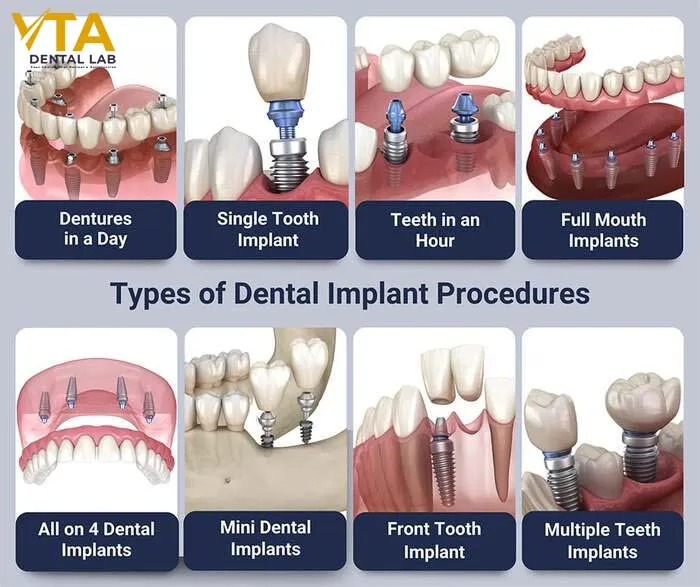
- Single Implant: Replacing one missing tooth with a single implant, abutment, and crown.
- Multiple Implants: For several missing teeth, options range from individual implants for each tooth to implant-supported bridges (two implants supporting three or more crowns).
- Full-Arch Restoration: For patients missing all teeth in an arch, solutions like All-on-4 or All-on-6 involve placing four or six implants to support a full set of fixed dentures. This is a much more extensive and costly procedure than a single implant, often ranging from $20,000 to $50,000 per arch or more, depending on the materials and complexity.
Navigating Payment and Financial Aid Options
The substantial cost of dental implants often necessitates exploring various payment and financial aid strategies to make the treatment accessible. Understanding these options is key to managing the investment.
Dental Insurance Coverage
Unfortunately, dental insurance coverage for implants is often limited. Many plans classify implants as a “major restorative” procedure, and some may even consider them “cosmetic.” While some policies might cover a small percentage (e.g., 10-50%) of the total cost, particularly for the crown or abutment, it’s rare for insurance to cover the implant fixture or surgical placement entirely. It is crucial to contact your insurance provider directly, understand your policy’s specifics, maximum annual benefits, and waiting periods, and request a pre-treatment estimate from your dentist.
Payment Plans and Financing
Many dental practices recognize the financial burden of implants and offer in-house payment plans, allowing patients to spread the cost over several months or years, often interest-free or with low interest. Alternatively, third-party medical financing companies, such as CareCredit or LendingClub, specialize in healthcare loans. These often offer promotional periods with no interest if the balance is paid within a specified timeframe, followed by standard interest rates. Patients can also consider personal loans from banks or credit unions, though these may have higher interest rates depending on creditworthiness.
Health Savings Accounts (HSAs) and Flexible Spending Accounts (FSAs)
For individuals enrolled in high-deductible health plans, Health Savings Accounts (HSAs) offer a tax-advantaged way to save and pay for qualified medical and dental expenses, including dental implants. Contributions are tax-deductible, funds grow tax-free, and withdrawals for eligible expenses are also tax-free. Similarly, Flexible Spending Accounts (FSAs), offered by many employers, allow employees to set aside pre-tax dollars for healthcare expenses. Both HSAs and FSAs are excellent tools for mitigating the cost of implants, as they effectively reduce the out-of-pocket expense by saving on taxes.
Dental Schools and Community Clinics
For those seeking more affordable options without compromising quality, dental schools and university-affiliated clinics can be a viable solution. These institutions often offer services at a reduced cost because procedures are performed by students under the direct supervision of experienced faculty. While treatment might take longer due to the educational environment and meticulous oversight, the quality of care is typically very high. Community dental clinics or non-profit organizations might also offer discounted rates for eligible patients based on income or need.
Beyond the Initial Price Tag: Long-Term Value and Considerations
While the upfront cost of dental implants can seem daunting, it’s vital to consider the long-term value and benefits they provide, which often outweigh the initial investment compared to alternative solutions.
Durability and Longevity
Dental implants are renowned for their exceptional durability and longevity. With proper care and maintenance, they can last a lifetime, unlike dental bridges (which typically last 10-15 years) or removable dentures (which often require relining or replacement every 5-7 years). This means that while implants have a higher initial cost, they can prove to be more cost-effective over the long term, avoiding repeated expenses for replacements and repairs associated with less permanent solutions.
Impact on Oral Health and Quality of Life
Implants offer significant advantages beyond mere tooth replacement. They help prevent jawbone loss, which naturally occurs after a tooth is extracted. Maintaining bone density preserves facial structure and prevents the “sunken” appearance often associated with long-term tooth loss. Implants also allow patients to eat, speak, and smile with confidence, improving overall quality of life and potentially reducing future health complications related to poor nutrition or self-consciousness. By functioning like natural teeth, implants support better chewing, leading to improved digestion and nutrient absorption, which can indirectly contribute to better general health and fewer associated medical costs down the line.
Hidden Costs and Maintenance
While implants are low maintenance, they still require regular oral hygiene, including brushing, flossing, and routine dental check-ups, just like natural teeth. Neglecting oral hygiene can lead to peri-implantitis (gum disease around the implant), which, if severe, might require additional costly treatments. While rare, potential complications like implant failure or nerve damage can also incur additional costs, though reputable practitioners strive to minimize these risks through meticulous planning and execution.
Making an Informed Financial Decision
Given the complexities and investment required, making an informed financial decision about dental implants involves careful research and thorough communication with your dental team.
Get Multiple Consultations
It is highly advisable to schedule consultations with two or three different implant specialists. This allows you to compare treatment plans, philosophies, and, most importantly, detailed cost estimates. Be wary of significantly low prices, as they might indicate hidden costs, less experienced practitioners, or lower-quality materials.
Understand the Itemized Breakdown
Always request a comprehensive, itemized breakdown of all anticipated costs. This should clearly list fees for the implant fixture, abutment, crown, surgical procedure, anesthesia, diagnostic imaging, and any necessary preliminary procedures (e.g., bone graft, extraction). Ensure there are no hidden fees and that all stages of treatment are included in the quote. Clarify what is covered and what is not.

Evaluate Total Value, Not Just Price
While cost is a critical factor, it should not be the sole determinant. Consider the experience and credentials of the dentist, the quality of materials used, the technology available at the practice, and the level of post-operative care provided. A slightly higher initial investment in a highly skilled practitioner and quality materials can lead to better long-term outcomes, fewer complications, and ultimately, greater satisfaction and a better return on your financial investment in your oral health. Prioritizing long-term success and peace of mind over a marginal upfront saving is often the wisest financial strategy for dental implants.
aViewFromTheCave is a participant in the Amazon Services LLC Associates Program, an affiliate advertising program designed to provide a means for sites to earn advertising fees by advertising and linking to Amazon.com. Amazon, the Amazon logo, AmazonSupply, and the AmazonSupply logo are trademarks of Amazon.com, Inc. or its affiliates. As an Amazon Associate we earn affiliate commissions from qualifying purchases.