
In the dynamic realm of brand building and strategic communication, “author’s craft” is a term that resonates deeply. It transcends mere writing ability; it’s the deliberate and artful application of linguistic and stylistic choices to forge a distinct voice, cultivate specific emotions, and ultimately, drive desired outcomes for a brand. Far from being an esoteric literary concept, author’s craft, within a branding context, is a potent tool for differentiation, connection, and persuasion. It’s about understanding that how something is communicated is as crucial as what is communicated. For businesses and individuals striving to establish a memorable presence, mastering author’s craft is not optional; it’s foundational.
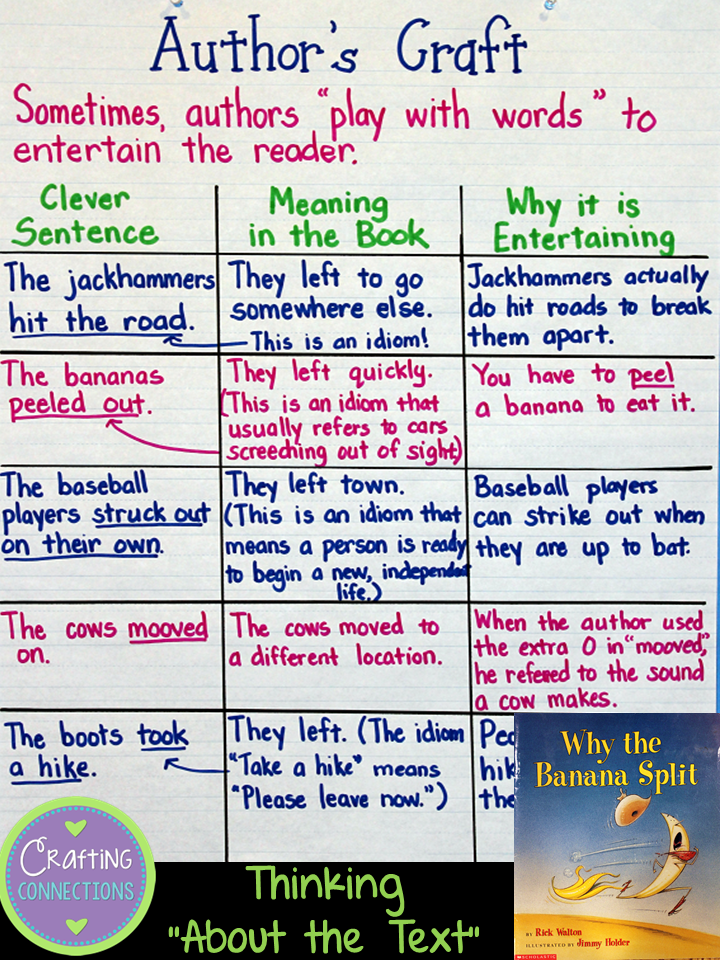
This article will delve into the multifaceted nature of author’s craft as it pertains to branding, exploring its core components, its strategic importance, and how it can be cultivated and applied to achieve impactful brand communication. We will examine how specific choices in language, tone, structure, and narrative contribute to a brand’s identity and its ability to resonate with its target audience.
The Cornerstone of Brand Voice: Articulating Identity
A brand’s voice is its personality expressed through words. Author’s craft is the engine that shapes and refines this voice, ensuring it is consistent, authentic, and compelling. It’s about moving beyond generic corporate speak to create a linguistic fingerprint that is uniquely yours.
Defining and Developing Your Brand Voice
Brand voice isn’t an arbitrary decision; it’s a strategic one, informed by your brand’s core values, mission, and target audience. Is your brand approachable and friendly, or authoritative and sophisticated? Is it playful and energetic, or calm and reassuring? Author’s craft provides the techniques to translate these abstract personality traits into tangible linguistic choices.
This involves a deep understanding of your brand archetype and how that archetype would naturally communicate. For instance, a brand positioning itself as a trusted guide might employ clear, concise, and informative language, using analogies that simplify complex topics. Conversely, a brand aiming for an aspirational and luxurious feel might utilize evocative adjectives, sophisticated sentence structures, and a more formal register. The careful selection of vocabulary—whether it leans towards the technical or the colloquial, the simple or the ornate—is a direct manifestation of author’s craft in action.
Consistency Across All Touchpoints
The true power of author’s craft lies in its consistent application. A brand voice that shifts erratically across different platforms or communication channels will confuse audiences and dilute its identity. This means that the same level of craft needs to be applied to website copy, social media posts, email newsletters, marketing collateral, and even customer service interactions.
Consider the difference between a brand that consistently uses active voice, strong verbs, and a positive outlook versus one that relies on passive voice, jargon, and a perpetually cautious tone. The former will likely be perceived as dynamic and confident, while the latter might appear hesitant and unengaging. Achieving this consistency requires clear style guides and a shared understanding of the brand’s linguistic DNA among all who contribute to its communication. Author’s craft is the invisible thread that weaves these disparate elements into a cohesive brand narrative.
The Art of Persuasion: Engaging Your Audience Through Language
Beyond merely stating facts or information, author’s craft imbues brand communication with the power to persuade, to connect emotionally, and to inspire action. It’s about using language not just to inform, but to influence.
The Power of Narrative and Storytelling
Humans are wired for stories. Brands that effectively employ storytelling, a key element of author’s craft, can forge deeper connections with their audiences. This goes beyond simply recounting a company history; it’s about crafting narratives that highlight customer journeys, showcase the impact of a product or service, or articulate the brand’s vision in a relatable and inspiring way.
Think about the difference between a product description that lists features and benefits versus one that tells a story about how that product solves a problem or enhances a user’s life. The latter, crafted with an understanding of narrative arc, character (often the customer), conflict (the problem), and resolution (the solution), is far more likely to resonate. This involves strategic use of imagery, sensory details, and emotional appeals, all of which are honed through the practice of author’s craft.
Emotional Resonance and Empathy
Effective branding speaks to the heart as well as the mind. Author’s craft allows brands to tap into the emotional landscape of their audience by using language that evokes specific feelings. This could involve using words that convey excitement, security, belonging, or aspiration. It’s about understanding what motivates your audience on an emotional level and using language to align with those motivations.
For example, a brand selling financial planning services might use language that instills confidence and peace of mind, focusing on words like “security,” “future,” and “empowerment.” In contrast, a travel company might use words that evoke adventure, freedom, and discovery, such as “explore,” “unforgettable,” and “escape.” This empathetic use of language demonstrates an understanding of the customer’s needs and desires, fostering trust and loyalty.
Crafting a Compelling Call to Action
Ultimately, brand communication often aims to prompt a specific action, whether it’s making a purchase, signing up for a newsletter, or sharing content. Author’s craft plays a pivotal role in crafting calls to action that are clear, concise, and persuasive.

This isn’t just about tacking on a generic “Learn More.” It involves carefully selecting verbs that encourage action, framing the benefit of taking that action, and creating a sense of urgency or exclusivity where appropriate. The structure of the call to action, its placement, and the surrounding text all contribute to its effectiveness. For instance, a call to action like “Unlock Your Potential Today” uses strong, active verbs and promises a tangible benefit, making it more compelling than a passive directive.
Strategic Application: Mastering the Tools of Author’s Craft
Author’s craft isn’t just about innate talent; it’s about developing a strategic toolkit and applying it with intention. This involves understanding the various elements that contribute to masterful brand communication and learning how to deploy them effectively.
The Nuances of Tone and Modality
Tone refers to the attitude of the writer toward the subject and the audience. Modality, on the other hand, relates to the level of certainty or commitment expressed in language (e.g., “might,” “will,” “should”). Mastery of author’s craft involves understanding how to modulate tone and modality to suit the specific context and achieve desired effects.
A brand might adopt a serious and empathetic tone when discussing sensitive topics, while shifting to an energetic and enthusiastic tone when announcing a new product. The careful use of modal verbs can also convey different levels of confidence. For example, a statement like “Our software can help you streamline your workflow” is less impactful than “Our software will streamline your workflow,” assuming the latter is an accurate and justifiable claim. This deliberate control over linguistic nuances is a hallmark of sophisticated author’s craft.
The Art of Conciseness and Clarity
In today’s information-saturated world, the ability to communicate concisely and clearly is paramount. Author’s craft emphasizes cutting through the noise, eliminating jargon, and ensuring that every word serves a purpose. This means choosing the most direct and impactful language, structuring sentences for optimal readability, and prioritizing the essential message.
This is particularly important for brands operating in complex industries. The ability to distill intricate concepts into easily digestible language is a testament to strong author’s craft. It requires a deep understanding of the subject matter and a commitment to serving the audience’s need for understanding. Short, impactful sentences, clear paragraph breaks, and well-chosen headings contribute to this clarity, making the brand’s message more accessible and memorable.
Employing Figurative Language for Impact
Metaphors, similes, personification, and other forms of figurative language can elevate brand communication from functional to memorable. Author’s craft involves the judicious use of these devices to create vivid imagery, forge unexpected connections, and make abstract concepts more tangible.
For instance, a tech company might describe its cloud service as a “digital bedrock” for businesses, evoking a sense of stability and essential support. A fashion brand might describe its latest collection as “a love letter to the urban landscape.” These figurative expressions add layers of meaning and emotional depth, making the brand’s message more engaging and distinctive. However, the key is to use figurative language authentically and in a way that resonates with the brand’s overall identity, rather than as mere decoration.
Cultivating Author’s Craft for Enduring Brand Success
Mastering author’s craft is an ongoing journey, not a destination. It requires continuous learning, practice, and a commitment to refining one’s communication skills. For brands, this translates to investing in the development of their communication strategies and the individuals who execute them.
The Role of Editing and Revision
The adage “writing is rewriting” is as true for brand messaging as it is for literature. Rigorous editing and revision are critical stages in honing author’s craft. This involves scrutinizing every word, sentence, and paragraph for clarity, conciseness, accuracy, and impact. It’s about asking: Is this the most effective way to say this? Does this align with our brand voice? Does this achieve our communication objective?
A robust editing process, often involving multiple perspectives, can identify areas for improvement, eliminate redundancies, and strengthen the overall message. This iterative approach, fueled by a desire for perfection, is central to developing polished and impactful brand communications.
Learning from Examples and Feedback
The best way to improve author’s craft is to study the masters and to be open to feedback. Analyzing the communication of successful brands can reveal effective techniques and strategies. Conversely, actively seeking and responding to feedback from audiences, stakeholders, and communication professionals is invaluable for identifying blind spots and areas for growth.
This feedback loop allows brands to understand how their messages are being received and to make necessary adjustments. It fosters a culture of continuous improvement, ensuring that author’s craft remains a dynamic and evolving aspect of brand strategy.

Investing in Communication Expertise
Ultimately, achieving a high level of author’s craft requires dedication and, often, professional expertise. Brands that recognize the strategic importance of their communication invest in skilled writers, editors, content strategists, and brand voice specialists. These professionals possess the knowledge, experience, and tools to imbue brand messaging with the power and finesse that defines exceptional author’s craft. By valuing and cultivating this expertise, brands can ensure their message not only reaches their audience but also resonates, persuades, and endures.
aViewFromTheCave is a participant in the Amazon Services LLC Associates Program, an affiliate advertising program designed to provide a means for sites to earn advertising fees by advertising and linking to Amazon.com. Amazon, the Amazon logo, AmazonSupply, and the AmazonSupply logo are trademarks of Amazon.com, Inc. or its affiliates. As an Amazon Associate we earn affiliate commissions from qualifying purchases.