
In an increasingly digitized world, the concept of “truth” has become a technical challenge. Whether it is a software update being pushed to millions of devices, a remote employee logging into a sensitive corporate server, or a hardware component proving its origin, the need for a formal, verifiable statement of fact is paramount. This is where the attestation form—and more importantly, the digital attestation process—becomes the cornerstone of modern technological trust.
Traditionally, an attestation form was a physical document, signed by a witness or an authorized official, to confirm that something was true. However, in the realm of information technology and digital security, the attestation form has evolved into a sophisticated cryptographic mechanism. It is no longer just a piece of paper; it is a data structure that provides evidence about the state, identity, or integrity of a system or piece of software.
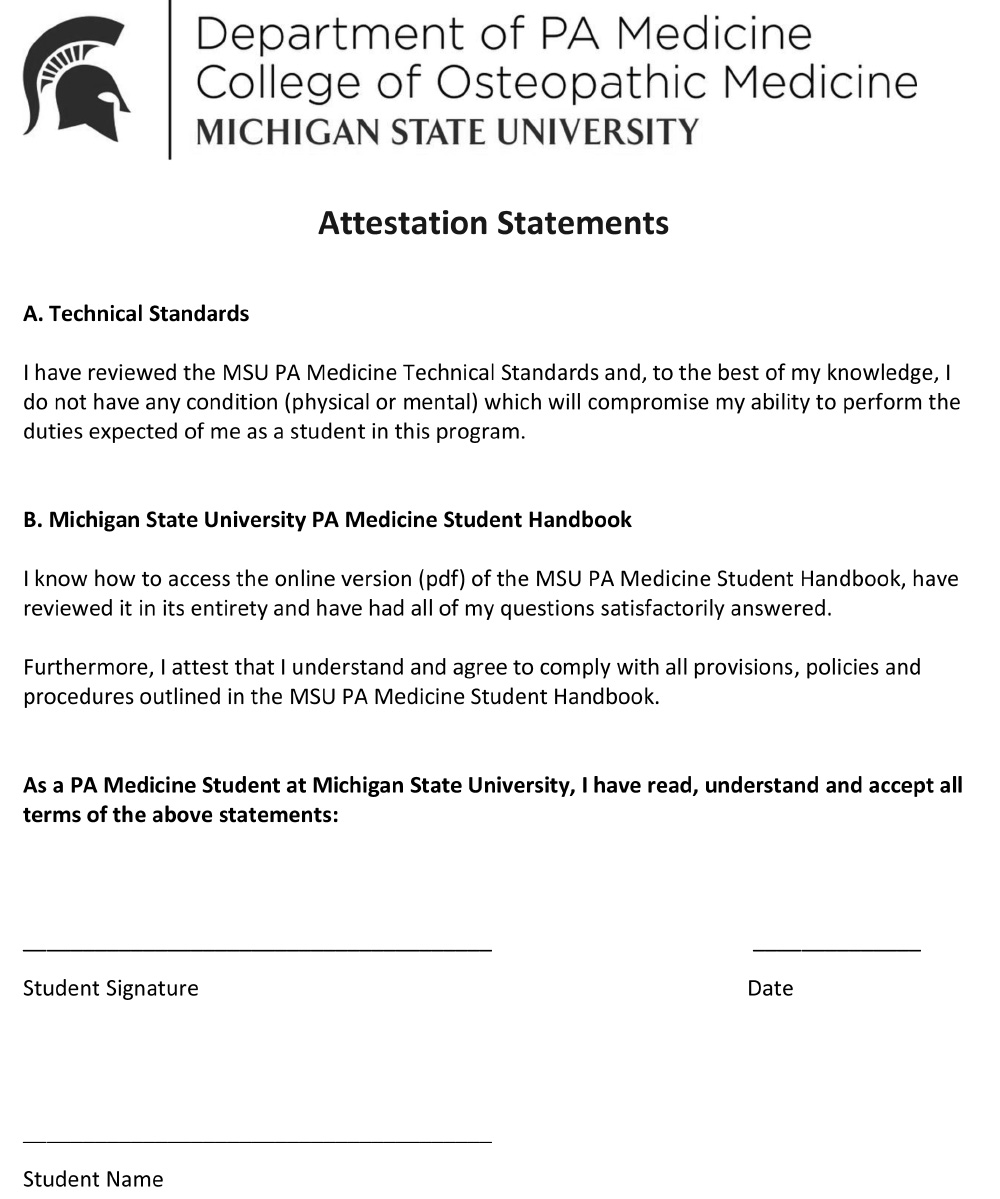
Understanding the Modern Attestation Form
In the tech sector, an attestation form is a formalized declaration, usually generated automatically by a system, to prove its compliance with specific security policies or operational states. Unlike a simple password or a traditional digital signature, an attestation provides a holistic “snapshot” of a system’s health.
The Anatomy of a Digital Claim
At its core, a digital attestation form consists of three primary components: the claim, the evidence, and the signature. The “claim” is the assertion being made—for example, “this laptop is running the latest security patch.” The “evidence” is the technical data that supports this claim, such as a hash of the system’s kernel or a list of running processes. Finally, the “signature” is a cryptographic seal provided by a trusted entity, such as a Trusted Platform Module (TPM) or a Certificate Authority (CA), which ensures that the form has not been tampered with.
This structure allows for “Remote Attestation,” a process where a server (the challenger) asks a client (the attester) to prove its integrity before granting access to network resources. If the attestation form fails to meet the required benchmarks, the system is deemed untrustworthy and quarantined.
The Shift from Manual to Cryptographic Verification
Historically, IT departments relied on manual audits and self-reported forms to maintain security compliance. An administrator might fill out an attestation form stating that all servers had been patched. The risk, of course, was human error or intentional deception.
Modern technology has replaced this “trust but verify” model with a “verify then trust” model. Today’s attestation forms are generated at the hardware level. This shift minimizes the “Trusted Computing Base” (TCB), ensuring that even if an operating system is compromised, the underlying attestation mechanism remains secure. This evolution is critical in a landscape where cyber threats are increasingly sophisticated and capable of bypassing traditional software-based security measures.
Technological Pillars of Attestation
To understand how an attestation form functions in a high-tech environment, one must look at the underlying frameworks that make these digital “promises” unbreakable. This involves a combination of specialized hardware and decentralized protocols.
Trusted Execution Environments (TEEs) and TPMs
The most common hardware-based foundation for attestation is the Trusted Platform Module (TPM). This is a dedicated microcontroller designed to secure hardware through integrated cryptographic keys. When a computer boots up, the TPM creates an attestation form of the boot process, measuring each component (BIOS, bootloader, OS kernel) and storing those measurements in Platform Configuration Registers (PCRs).
Beyond the TPM, we see the rise of Trusted Execution Environments (TEEs), such as Intel SGX or ARM TrustZone. TEEs allow for “Enclave Attestation.” In this scenario, a specific portion of a processor is cordoned off to handle sensitive data. The TEE can generate an attestation form proving to an external observer that a specific piece of code is running inside the secure enclave and has not been modified by an attacker.
Blockchain-Based Verifiable Credentials
As we move toward Web3 and decentralized ecosystems, the attestation form is finding a new home on the blockchain. In this context, attestations are often referred to as “Verifiable Credentials” (VCs).
Using Distributed Ledger Technology (DLT), an organization can issue an attestation form that is cryptographically signed and stored (or referenced) on a blockchain. Because the blockchain is immutable, the attestation becomes a permanent, tamper-proof record. This is particularly useful for verifying professional certifications, software licenses, or supply chain origins without relying on a single, centralized database that could be a point of failure.
Attestation in the Context of Zero Trust
The “Zero Trust” security model operates on the principle that no entity—inside or outside the network—should be trusted by default. In this framework, the attestation form is the primary tool used to establish “Just-in-Time” trust.
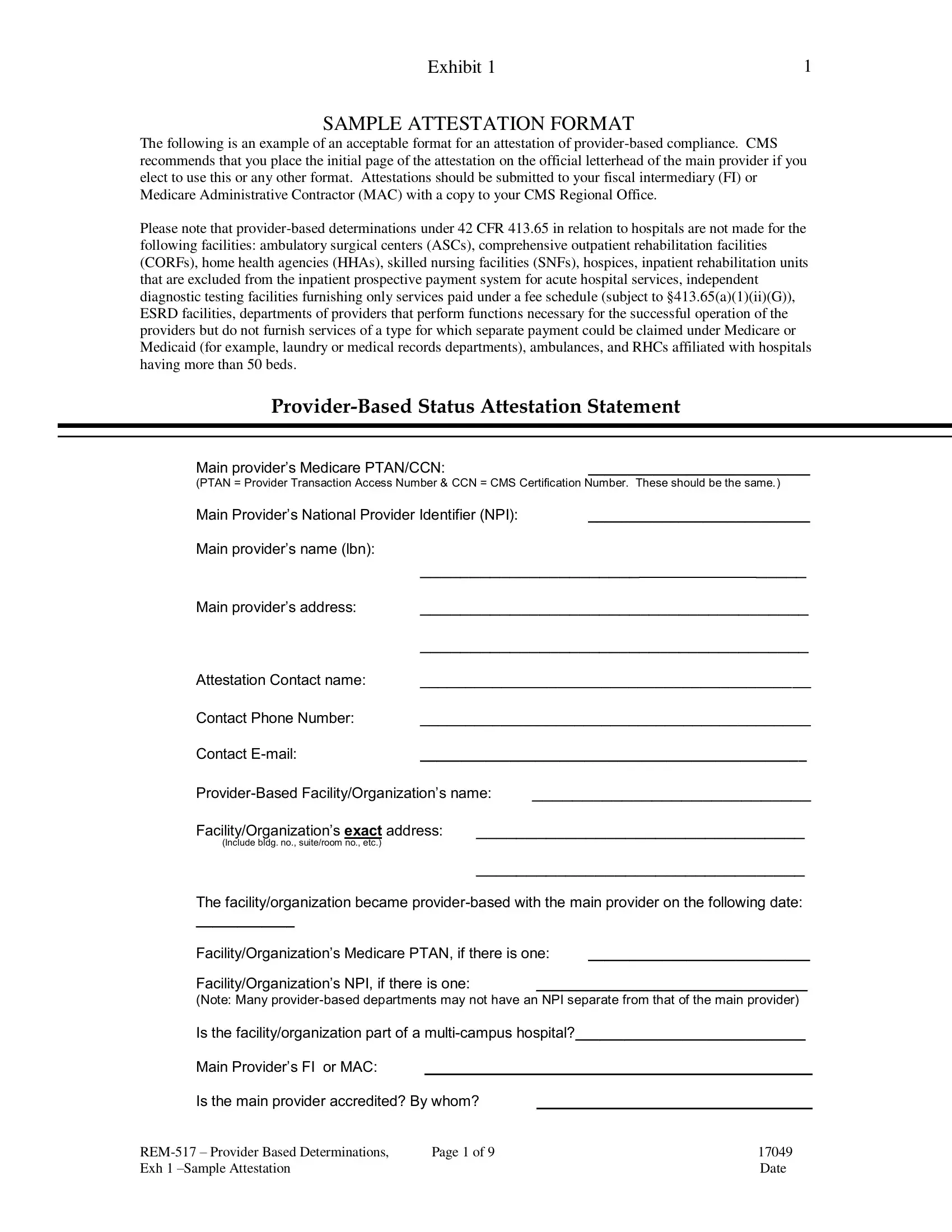
Device Health Attestation (DHA)
In a remote-work world, employees access corporate data from various locations and devices. A Zero Trust architecture requires a Device Health Attestation before allowing a connection. The device must submit an automated attestation form detailing its encryption status, firewall settings, and OS version.
If the attestation form reveals that the device is “rooted” or running an outdated, vulnerable version of software, the access request is automatically denied. This automated “form-filling” happens in milliseconds, providing a seamless yet highly secure user experience. It removes the burden of compliance from the user and places it on the system itself.
Identity Verification and IAM
Identity and Access Management (IAM) systems are also integrating attestation forms to combat identity theft. Multi-factor authentication (MFA) is evolving into “Attestation-based Auth.” Instead of just asking for a code from an app, the system requests an attestation from the user’s hardware (like a FIDO2 security key).
This attestation form proves that the physical key is present and that it is a genuine device from a trusted manufacturer. This effectively neutralizes phishing attacks, as an attacker might steal a password, but they cannot forge the hardware-backed attestation form required to finalize the login.
Securing the Software Supply Chain
One of the most pressing challenges in the tech industry today is the security of the software supply chain. High-profile attacks, like the SolarWinds breach, have shown that if an attacker can compromise a software update, they can gain access to thousands of downstream victims. Attestation forms are the primary defense against this.
The Rise of SBOMs (Software Bill of Materials)
A Software Bill of Materials (SBOM) is essentially an expansive attestation form for code. it lists every component, library, and dependency used to build a software package. When a developer signs an SBOM, they are attesting to the fact that the software contains only the listed ingredients and no malicious “backdoors.”
Regulatory bodies are increasingly demanding these attestation forms. In the United States, Executive Orders now require federal vendors to provide SBOMs, turning the “attestation form” from a technical best practice into a legal mandate for software integrity.
Continuous Attestation in DevOps
In modern CI/CD (Continuous Integration/Continuous Deployment) pipelines, attestation is not a one-time event. Tech-forward companies are implementing “Continuous Attestation.” At every stage of the build process—from code commit to testing to deployment—the system generates an attestation form.
These forms are “chained” together. If a piece of code moves from the build server to the production server without a valid attestation from the security-scanning stage, the deployment is automatically halted. This ensures that only verified, secure code ever reaches the end user, creating a “provenance” for software that is as rigorous as the tracking of physical goods.
Best Practices for Implementing Digital Attestation Systems
For organizations looking to leverage attestation forms to bolster their digital security, implementation requires a strategic approach that balances security with operational efficiency.
Automation and Integration with IAM
The goal of any modern attestation system should be total automation. Manual attestation forms are prone to “compliance fatigue,” where users or admins provide the required answers without actually verifying the facts. By integrating attestation directly into Identity and Access Management (IAM) workflows, businesses can ensure that verification is a silent, background process.
Using protocols like the IETF’s Remote Attestation Procedures (RATS), organizations can standardize how attestations are created and consumed, ensuring interoperability between different vendors and platforms.

Adhering to Global Compliance and Auditing Standards
Finally, attestation forms must be designed with auditing in mind. Frameworks like SOC 2, ISO 27001, and NIST SP 800-155 provide guidelines on how digital evidence should be collected and stored.
An effective attestation system doesn’t just block unauthorized access; it creates a “paper trail” (albeit a digital one) that auditors can use to verify compliance over time. For tech leaders, this means ensuring that attestation forms are stored in secure, immutable logs, providing a clear history of system states and identities that can withstand the scrutiny of both internal and external audits.
In conclusion, the “attestation form” has transitioned from a simple administrative task into a sophisticated pillar of digital trust. By utilizing hardware-backed security, blockchain technology, and automated verification, the tech industry is building a future where truth is not just claimed, but cryptographically proven. Whether securing a device, an identity, or a software package, the attestation form is the essential document of the digital age.
aViewFromTheCave is a participant in the Amazon Services LLC Associates Program, an affiliate advertising program designed to provide a means for sites to earn advertising fees by advertising and linking to Amazon.com. Amazon, the Amazon logo, AmazonSupply, and the AmazonSupply logo are trademarks of Amazon.com, Inc. or its affiliates. As an Amazon Associate we earn affiliate commissions from qualifying purchases.