
Attention Deficit Hyperactivity Disorder (ADHD) is often perceived as a childhood condition, but for millions, it persists well into adulthood, profoundly influencing daily functioning, relationships, and professional lives. In an increasingly digital world, understanding adult ADHD through a technological lens offers unique insights into both the challenges and the innovative solutions available. This isn’t just about managing symptoms; it’s about re-engineering personal and professional workflows to thrive in an environment saturated with digital stimuli. For adults navigating the complexities of modern life, a nuanced understanding of ADHD and its intersection with technology is not just helpful—it’s essential for harnessing potential and mitigating common pitfalls.
Unpacking Adult ADHD: Cognitive Architectures and Digital Demands
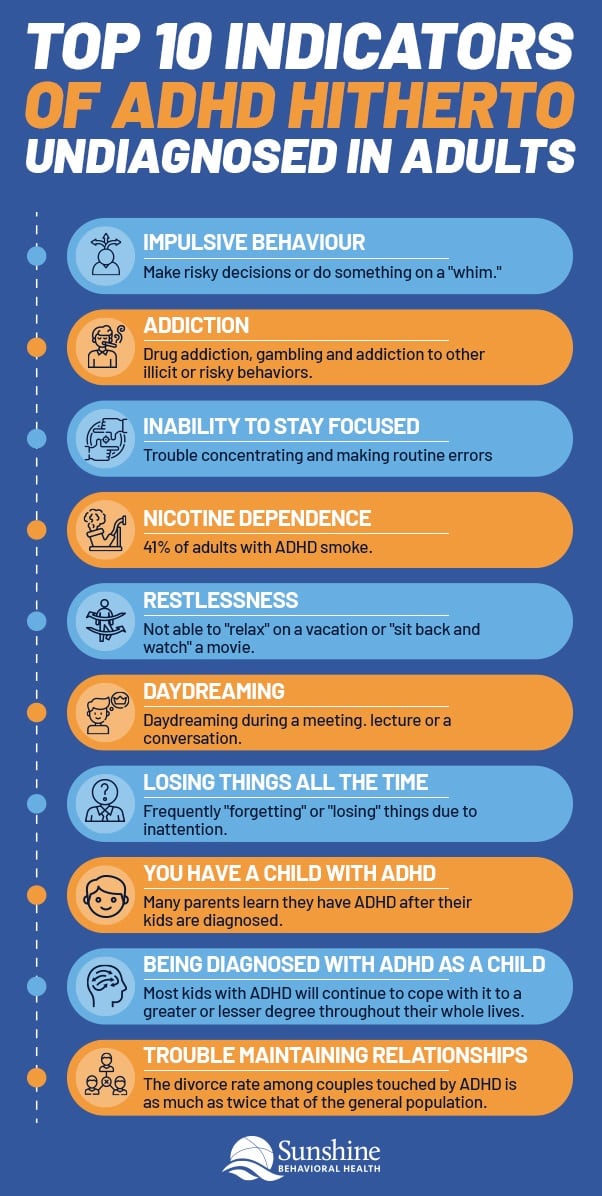
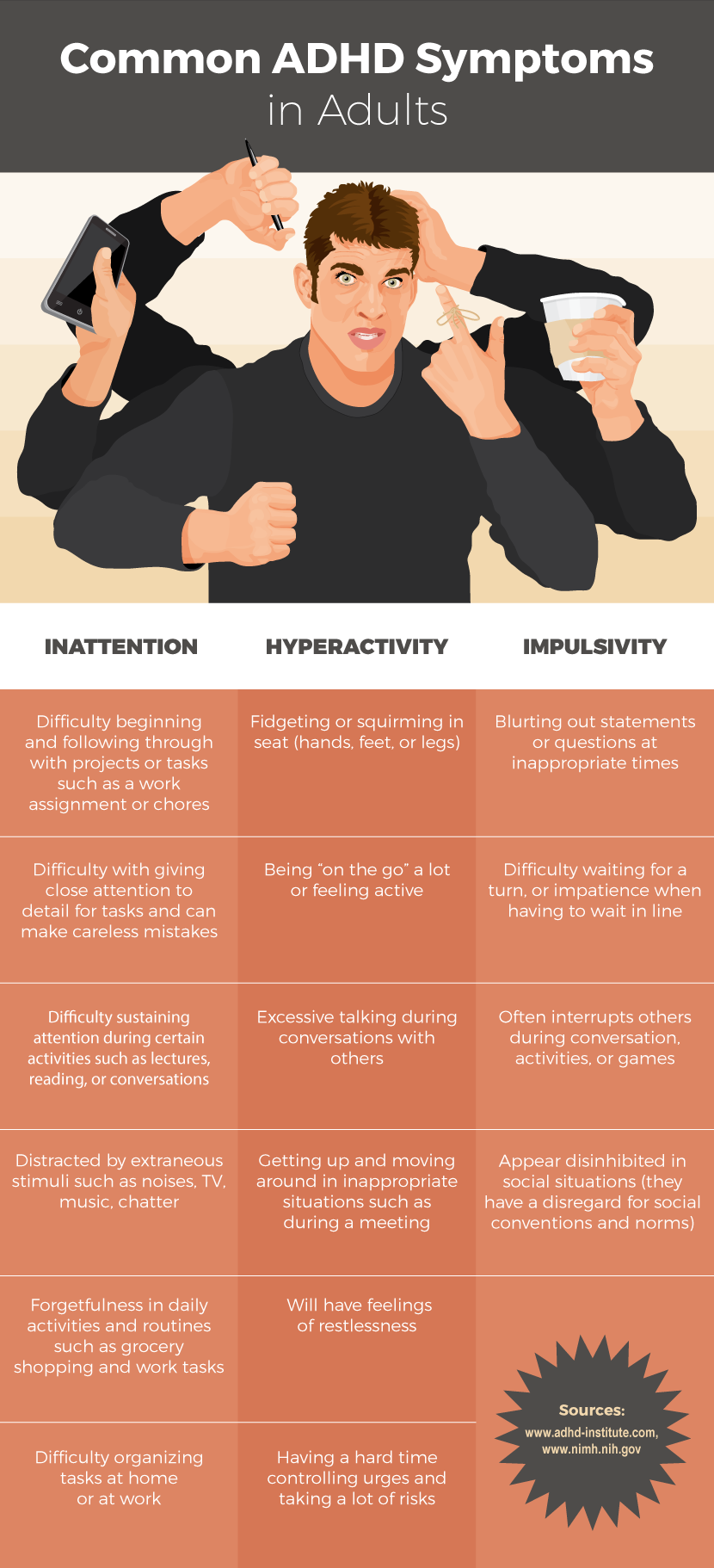
Adult ADHD is a neurodevelopmental condition characterized by persistent patterns of inattention, hyperactivity, and impulsivity that interfere with functioning or development. Unlike in children, where hyperactivity might manifest as overt restlessness, in adults, it often appears as an internal sense of restlessness, a busy mind, or an inability to relax. The core issues stem from differences in brain structure and function, particularly concerning executive functions—the set of mental skills that include working memory, flexible thinking, and self-control.
Core Symptoms in the Digital Age: Distraction, Hyperfocus, and Impulsivity
In the modern digital landscape, the hallmark symptoms of adult ADHD take on specific characteristics. Inattention is perhaps the most obvious. With endless notifications, an open browser with multiple tabs, and constant access to social media, the digital environment is a minefield for an adult with ADHD. The brain, naturally prone to seeking novelty and stimulation, finds it incredibly challenging to filter out irrelevant information and maintain focus on a single task. This can lead to decreased productivity, missed deadlines, and a sense of being perpetually overwhelmed.
Conversely, individuals with ADHD can experience intense periods of hyperfocus, where they become completely absorbed in a task or interest, often to the exclusion of everything else. While seemingly a superpower, hyperfocus can also be detrimental, leading to neglect of other important responsibilities, time blindness, and an inability to disengage when necessary. In the digital realm, this might translate to hours spent deep-diving into a niche online topic, gaming, or coding, while essential emails go unanswered or household chores pile up.
Impulsivity in adults with ADHD can manifest in various ways, from interrupting conversations and making hasty decisions to impulsive online purchases or sending emails without proper review. The immediate gratification offered by digital platforms, whether through instant messaging or one-click shopping, can exacerbate this symptom, leading to financial difficulties, relationship strains, or reputational damage, especially in professional contexts. Understanding these manifestations is the first step toward strategically leveraging technology for support rather than succumbing to its potential for distraction.
Executive Dysfunction and Its Tech Interface
At the heart of adult ADHD lies executive dysfunction. This umbrella term covers difficulties with planning, organizing, task initiation, time management, emotional regulation, and working memory. In a world increasingly reliant on digital tools for these very functions, the challenges become pronounced:
- Planning and Organization: Struggling to break down large projects into manageable steps, difficulty prioritizing tasks, and maintaining a structured digital workspace (e.g., managing files, emails, or cloud storage).
- Task Initiation: Procrastination, the inability to start tasks, even when knowing their importance, often made worse by the perceived overwhelming nature of digital tools designed for organization.
- Time Management: Difficulty estimating time needed for tasks, chronic lateness, and poor adherence to schedules, exacerbated by the fluid nature of digital work environments and online distractions.
- Working Memory: Forgetting instructions, losing track of thoughts during conversations, or struggling to retain information, making it challenging to juggle multiple digital applications or information sources simultaneously.
Recognizing how these cognitive hurdles interact with digital demands is crucial for adults with ADHD. Technology can either amplify these difficulties or, when strategically applied, provide powerful scaffolding to overcome them.
Leveraging Technology for ADHD Management: Tools for Focus and Organization
The digital age, for all its potential distractions, also offers an unprecedented array of tools specifically designed to enhance focus, organization, and time management. For adults with ADHD, these technological aids can be transformative, acting as externalized executive functions to help bridge cognitive gaps.
Productivity Apps and Time Management Software
A multitude of applications are tailored to boost productivity and manage time effectively.
- Task Managers: Apps like Todoist, Trello, Asana, or Microsoft To Do allow users to break down projects, set deadlines, assign priorities, and track progress. Their visual interfaces (e.g., Kanban boards) can be particularly helpful for individuals who struggle with abstract planning.
- Focus Timers (e.g., Pomodoro Apps): Tools like Forest, Focus@Will, or dedicated Pomodoro timers encourage working in focused sprints, followed by short breaks. This structure helps combat sustained inattention and prevents burnout. Many include features to block distracting websites or apps during focus sessions.
- Note-Taking and Brainstorming Apps: Evernote, Notion, OneNote, or Obsidian provide digital notebooks, allowing for the capture of ideas, meeting notes, and project details in a searchable format. Their ability to link notes, embed media, and organize information can be invaluable for individuals whose minds jump between thoughts.
AI-Powered Assistance for Task Prioritization and Memory Aids
The advent of AI has opened new frontiers for ADHD support, moving beyond simple task management to more intelligent, personalized assistance.
- AI Assistants for Scheduling and Reminders: Tools like Calendly integrated with smart assistants (e.g., Google Assistant, Siri, Alexa) can help manage appointments, set intelligent reminders based on location or context, and even automate routine tasks.
- AI-Driven Email and Communication Management: AI can help categorize emails, highlight urgent messages, draft replies, and summarize lengthy conversations, reducing the cognitive load associated with managing overwhelming inboxes. Tools like SaneBox or various AI email assistants can be game-changers.
- Personalized Learning and Memory Support: AI-powered flashcard apps or spaced repetition systems can help adults with ADHD commit information to long-term memory. Furthermore, AI tools that analyze usage patterns can provide insights into an individual’s most productive times or common distraction triggers, offering personalized suggestions for improvement.
Digital Note-Taking and Information Structuring

For individuals with ADHD, the rapid-fire nature of thoughts can make traditional note-taking challenging. Digital tools offer flexibility and power that physical notebooks often lack.
- Mind Mapping Software: XMind, MindMeister, or Miro allow for visual organization of ideas, helping to connect disparate thoughts and structure complex projects in a non-linear fashion. This can be particularly beneficial for brains that thrive on visual and conceptual connections.
- Voice-to-Text and Transcription Services: For those who struggle with writing or capturing thoughts quickly, voice recording apps and transcription services (e.g., Otter.ai, Google Recorder) can capture spoken ideas, lectures, or meeting discussions, converting them into searchable text. This reduces the cognitive burden of simultaneously processing and transcribing information.
- Reference Managers: Tools like Zotero or Mendeley help organize research papers, articles, and web pages, making it easier to retrieve information and cite sources, which is invaluable for academics or professionals needing to manage large volumes of information.
Navigating the Digital Landscape: Challenges and Opportunities
While technology offers powerful solutions, it also presents unique challenges for adults with ADHD. A conscious and strategic approach is vital to harness its benefits without falling prey to its pitfalls.
The Double-Edged Sword: Digital Distraction vs. Hyperfocus Opportunities
The very stimuli that make the digital world engaging can also be the biggest sources of distraction. Social media feeds, endless news cycles, and constant notifications are designed to capture and hold attention, making it incredibly difficult for an ADHD brain to disengage. Strategies like using website blockers, turning off non-essential notifications, and creating dedicated “focus environments” (e.g., using a specific browser profile for work) are crucial.
Conversely, the digital realm can also be a space for leveraging hyperfocus. When an adult with ADHD finds an absorbing digital task—whether it’s coding, graphic design, content creation, or deep research—they can achieve incredible levels of productivity and creativity. The challenge lies in directing this intense focus towards productive, rather than merely engaging, activities and ensuring balance with other life responsibilities.
Digital Security and Impulsive Online Behaviors
Impulsivity, a core symptom of ADHD, can extend to digital security and online behavior. This might manifest as clicking on suspicious links without careful consideration, sharing personal information too readily, or making impulsive online purchases that lead to financial strain. The ease of access and instant gratification inherent in many online interactions can bypass the executive functions responsible for caution and foresight. Education on cybersecurity best practices, using password managers, and implementing two-factor authentication are critical. Furthermore, establishing personal rules for online shopping or social media engagement can help mitigate impulsive actions.
Community and Support Networks in the Online Sphere
One of the significant advantages of the digital age for adults with ADHD is the unprecedented access to supportive communities. Online forums, social media groups, and dedicated platforms provide spaces for individuals to share experiences, offer advice, and find understanding. These communities can reduce feelings of isolation, provide practical strategies for managing symptoms, and offer validation for the unique challenges faced. However, it’s essential to find reputable and positive communities, as online interactions can also lead to negative comparisons or exposure to misinformation.
Emerging Tech Trends and Future Prospects for Adult ADHD Support
The horizon of technological innovation promises even more sophisticated and personalized tools for supporting adults with ADHD. The convergence of AI, wearable technology, and virtual reality is creating exciting possibilities for enhanced self-regulation, cognitive training, and therapeutic interventions.
Wearable Tech and Biofeedback for Self-Regulation
Wearable devices are becoming increasingly sophisticated in monitoring physiological data relevant to focus and emotional regulation.
- Heart Rate and HRV Monitors: Devices like smartwatches can track heart rate variability, providing insights into stress levels and attention states. Apps can use this data to prompt mindfulness exercises or suggest breaks.
- Neurofeedback Devices: Some wearables are emerging that offer non-invasive neurofeedback, training individuals to alter brainwave patterns associated with focus and calmness. While still an evolving field, these tools hold promise for enhancing self-regulation skills.
- Smart Reminders: Wearable tech can deliver subtle, non-intrusive reminders (e.g., gentle vibrations) to stay on task, take breaks, or shift attention, acting as a constant, gentle nudge without the distraction of a phone notification.
Virtual Reality and Gamification in Therapeutic Interventions
Virtual Reality (VR) offers immersive environments that can be powerful tools for cognitive training and behavioral therapy.
- Distraction Training: VR simulations can be designed to mimic real-world distracting environments (e.g., a busy office or classroom) and train individuals to maintain focus amidst controlled stimuli.
- Executive Function Training: Gamified VR experiences can target specific executive functions like planning, working memory, and impulse control in engaging and motivating ways, making therapy feel less like a chore and more like an interactive challenge.
- Relaxation and Mindfulness: VR can transport users to calming virtual spaces, facilitating mindfulness practices and stress reduction, which are crucial for managing ADHD symptoms.
Personalized AI Coaching and Digital Therapies
The future of ADHD support is likely to be highly personalized, driven by AI that adapts to individual needs and progress.
- AI Coaches: Intelligent agents could offer personalized coaching based on an individual’s daily activity, productivity patterns, and self-reported mood, providing real-time feedback, strategy suggestions, and motivational prompts.
- Digital Therapeutics: Regulated software programs are being developed as medical devices to prevent, manage, or treat a medical disorder. For ADHD, these could involve AI-driven cognitive behavioral therapy (CBT) modules, neurocognitive training exercises, or symptom tracking with personalized intervention recommendations.
- Predictive Analytics: AI could analyze patterns in an individual’s data to predict potential challenges (e.g., an upcoming period of high distraction or impulsivity) and offer proactive strategies.
The journey of understanding and managing Attention Deficit Hyperactivity Disorder in adults is profoundly influenced by the digital age. From the basic definition of its symptoms to advanced therapeutic interventions, technology is an indispensable partner. By intelligently integrating productivity tools, leveraging AI assistance, and embracing emerging innovations, adults with ADHD can transform potential digital pitfalls into powerful platforms for growth, organization, and a fulfilling life. The key lies in a conscious, informed, and proactive approach to technology, ensuring it serves as an enabler, not a detractor, in the pursuit of personal and professional excellence.
aViewFromTheCave is a participant in the Amazon Services LLC Associates Program, an affiliate advertising program designed to provide a means for sites to earn advertising fees by advertising and linking to Amazon.com. Amazon, the Amazon logo, AmazonSupply, and the AmazonSupply logo are trademarks of Amazon.com, Inc. or its affiliates. As an Amazon Associate we earn affiliate commissions from qualifying purchases.