
For individuals navigating retirement or living on a fixed income, every dollar counts. Managing monthly expenses, especially for essential services like telecommunications, becomes a critical component of personal finance. The AT&T 55+ plan emerges as a targeted offering designed to address the unique budgetary considerations of seniors, providing a potential avenue for significant savings on mobile services. Understanding the nuances of this plan is crucial for evaluating its financial benefit and determining if it aligns with individual personal finance strategies. This article delves into the specifics of the AT&T 55+ plan, examining its structure, cost-saving potential, and how it fits into a broader financial planning framework for older adults.

Understanding the Core Offerings and Eligibility
The AT&T 55+ plan is specifically crafted to provide value and convenience for an older demographic, primarily by offering competitive pricing for essential mobile services. However, its availability and specific features can vary, making a detailed understanding of its parameters essential for a financially informed decision.
Who Qualifies for the AT&T 55+ Plan?
Eligibility for the AT&T 55+ plan is primarily age-based. Generally, applicants must be 55 years of age or older to qualify. Historically, AT&T’s senior-specific plans, including the 55+ offering, have often been geographically restricted, frequently launching first or exclusively in states with large senior populations, such as Florida. This geographical limitation is a critical financial consideration, as individuals residing outside the designated service areas would not be able to access these specific savings. It’s imperative for potential applicants to verify current availability in their region. Furthermore, the plan typically applies to new lines of service or qualifying existing lines when an eligible individual is the primary account holder, underscoring the need to confirm whether one qualifies as a new or existing customer under the plan’s terms.
What Services are Included?
The AT&T 55+ plan typically bundles unlimited talk, text, and data, a package designed to offer peace of mind without worrying about overage charges. Unlimited talk and text are standard across most modern plans, but the unlimited data component is where significant value for money can be found, especially for those who use their phones frequently for browsing, streaming, or video calls. It’s important to differentiate between genuinely unlimited data and plans that may throttle speeds after a certain usage threshold; while most senior plans aim for true unlimited, verifying the fine print ensures no unexpected performance limitations. Some iterations of the plan might also include perks like unlimited talk and text to Mexico and Canada, or access to AT&T’s 5G network, enhancing the overall value proposition without additional costs. Mobile hotspot capabilities may also be included, though often with a dedicated data allowance, which should be factored into financial assessments if this feature is a necessity.
Geographic Limitations and Plan Variations
As mentioned, the most widely recognized AT&T 55+ plan has historically been available exclusively to Florida residents. While AT&T offers other senior-friendly discounts or plans nationwide, they may not carry the exact “55+” designation or offer the same specific benefits. This geographic constraint is a crucial detail for personal finance, as it directly dictates who can access this particular cost-saving opportunity. For those outside Florida, exploring other AT&T senior discounts or plans from competing carriers becomes the next financial step. Always check AT&T’s official website or speak with a representative to confirm current plan availability and specific terms in your locale, ensuring any financial decision is based on the most up-to-date and accurate information.
Financial Advantages: Maximizing Your Budget with AT&T 55+
The primary appeal of the AT&T 55+ plan from a personal finance perspective is its potential to significantly reduce monthly cellular expenses. For seniors on fixed incomes, these savings can free up funds for other essential needs or leisure activities, directly contributing to improved financial well-being.
Cost Savings Compared to Standard Plans
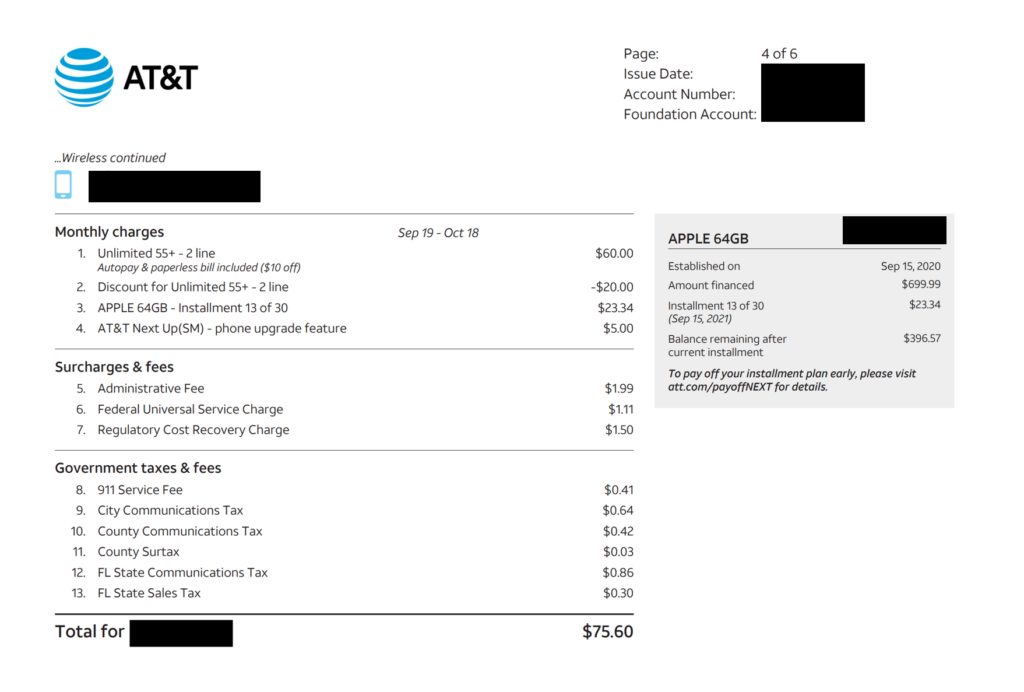
The AT&T 55+ plan typically offers a lower per-line cost compared to AT&T’s standard unlimited data plans. This discount can be substantial, often representing a savings of $10 to $20 per line per month. For a single individual, this translates to annual savings of $120 to $240. For couples or those needing two lines (the plan often supports up to two lines), these savings can double, amounting to $240 to $480 annually. Such savings are not insignificant and can have a tangible impact on a household budget. By opting for a plan specifically designed for their demographic, seniors can access premium services like unlimited data at a more accessible price point, effectively stretching their retirement dollars further.
Value Proposition: Unlimited vs. Essential Needs
The inclusion of unlimited data in the AT&T 55+ plan presents a strong value proposition, especially for users who frequently use data. It eliminates the financial anxiety of data overages, which can quickly inflate monthly bills on tiered data plans. For seniors who enjoy video calls with family, streaming content, or extensive web browsing, unlimited data ensures consistent access without unexpected costs. However, it’s also financially prudent to assess actual usage. If an individual primarily uses their phone for calls and texts, and rarely connects to the internet without Wi-Fi, a more basic, less expensive plan (if available and suitable) might offer better value. The AT&T 55+ plan shines for those who appreciate the security of unlimited usage at a discounted rate, ensuring their mobile service aligns with both their connectivity needs and budgetary constraints.
Avoiding Hidden Fees and Unnecessary Extras
A key component of astute personal finance is scrutinizing bills for hidden fees and unnecessary expenditures. The AT&T 55+ plan, like any mobile service, requires careful attention to the fine print. While the plan offers a clear pricing structure, customers should ensure that the advertised senior discount is consistently applied to their monthly statement. Activation fees for new lines, device upgrade fees, and taxes are typically separate from the base plan cost and should be factored into the initial financial outlay and ongoing expenses. Additionally, resist the temptation of costly add-ons or premium services that may not genuinely be needed. By sticking to the core benefits of the 55+ plan and diligently reviewing monthly invoices, seniors can effectively leverage the plan’s financial advantages without falling prey to unexpected costs, thereby maximizing their savings.

Comparing the AT&T 55+ Plan with Other Senior-Friendly Options
Making an optimal financial decision for mobile service requires more than just evaluating one specific plan. It necessitates a comparative analysis against other available options in the market, especially those also targeting the senior demographic. This ensures that the chosen plan offers the best value for money, aligning with individual usage patterns and budget limits.
AT&T’s Place in the Senior Mobile Market
AT&T is one of several major carriers that recognize the specific needs of senior citizens. Competitors like T-Mobile and Verizon often have their own versions of senior plans, which can sometimes offer different features, pricing structures, or availability. Beyond the big three, Mobile Virtual Network Operators (MVNOs) such as Consumer Cellular and Lively (formerly GreatCall) specialize in catering to seniors, often providing simplified plans, dedicated customer service, and devices with enhanced senior-specific features (e.g., emergency buttons). From a financial standpoint, AT&T’s 55+ plan positions itself as a premium offering with competitive pricing, aiming to provide robust network coverage and unlimited data benefits without the higher price tag of standard plans. Its main differentiator, apart from the discount, is access to AT&T’s extensive network, which can be a key factor for those prioritizing coverage reliability.
Key Metrics for Financial Comparison
When comparing the AT&T 55+ plan with alternatives, several financial metrics are paramount:
- Monthly Base Price: Directly compare the advertised cost of the plan.
- Total Monthly Cost: Factor in taxes, surcharges, and any mandatory fees to get the true out-of-pocket expense. This is critical as advertised prices often exclude these additions.
- Data Allowance and Speed: While many senior plans offer unlimited data, check for any speed throttling thresholds or differences in 5G access. A cheaper plan with insufficient data or slow speeds might not be a financial gain if it doesn’t meet usage needs.
- Multi-line Discounts: If considering a plan for two people, evaluate how multi-line discounts are applied across different carriers. The per-line cost often decreases with more lines.
- Device Costs and Subsidies: Assess whether any plans offer discounts on new phones or favorable financing options. Sometimes, a slightly more expensive plan with a significant device discount can be a better financial deal overall.
- International Calling/Texting: For seniors with family abroad, the inclusion of international features can be a significant cost-saver, eliminating the need for separate international calling cards or services.
- Customer Service and Support: While not a direct financial metric, quality customer service can prevent costly frustrations and time expenditure, thereby offering indirect financial value.
Assessing Long-Term Financial Impact
Evaluating the long-term financial impact involves looking beyond the immediate monthly savings. Consider the contract length (if any), price guarantee periods, and potential for future rate adjustments. Some plans offer price lock guarantees, which provide stability for budgeting. Also, factor in device upgrade cycles; if a plan requires purchasing new, expensive phones every few years, those costs must be amortized over the life of the device and included in your long-term financial calculations. Understanding the total cost of ownership over several years, rather than just monthly, provides a more accurate financial picture for retirement planning.
Making an Informed Financial Decision: Is the AT&T 55+ Plan Right for You?
Ultimately, the decision to opt for the AT&T 55+ plan should be a carefully considered financial one, based on individual circumstances, usage patterns, and budget priorities.
Personal Usage Habits and Budget Constraints
Before committing, honestly assess your mobile usage habits. Do you truly need unlimited data, or would a less expensive plan with a fixed data allowance suffice? If you rely heavily on Wi-Fi at home and rarely use mobile data, paying for unlimited data might not be the most financially prudent choice, even at a discounted rate. Conversely, if you frequently stream videos, navigate with GPS, or engage in video calls, the unlimited data offered by the 55+ plan can be an excellent value, preventing costly overage fees. Establish your absolute maximum monthly budget for mobile service and use it as a benchmark when comparing plans.
Network Coverage and Reliability
While the focus is on finance, the value of a mobile plan is inextricably linked to the quality of the service it provides. A cheaper plan with poor network coverage in your primary areas of use is not a financial saving; it’s a poor investment in an unreliable service. AT&T generally boasts strong network coverage across the U.S., but it’s always wise to check their coverage map for your specific home and travel areas. Confirming robust service ensures that the money you spend translates into reliable communication and connectivity, which is particularly important for seniors for emergencies and staying connected with family.
Reviewing the Fine Print and Customer Service
Diligent review of the plan’s terms and conditions is a non-negotiable step in any financial decision. Pay close attention to activation fees, data throttling policies, international calling rates (if not explicitly included), and cancellation policies. Furthermore, consider the quality of AT&T’s customer service. Accessible and helpful customer support can save valuable time and potential financial frustration when issues arise, adding indirect but significant value to your service. A plan that is slightly more expensive but offers superior support can sometimes be a better financial decision in the long run.
The Enrollment Process and What to Expect
When enrolling, be prepared with proof of age and residency, as these are critical for eligibility. Understand any activation fees, pro-rated charges for the first month, and how your current number will be ported over (if applicable). Inquire about any specific device promotions available with the 55+ plan, as these can further enhance the financial benefits. By understanding the entire enrollment process and anticipating potential initial costs, you can seamlessly transition to the AT&T 55+ plan and begin realizing its financial advantages.
aViewFromTheCave is a participant in the Amazon Services LLC Associates Program, an affiliate advertising program designed to provide a means for sites to earn advertising fees by advertising and linking to Amazon.com. Amazon, the Amazon logo, AmazonSupply, and the AmazonSupply logo are trademarks of Amazon.com, Inc. or its affiliates. As an Amazon Associate we earn affiliate commissions from qualifying purchases.