
Navigating the nuances of modern banking can often feel like deciphering a complex code. For Chase customers, one of the most common points of confusion occurs when a transaction labeled “ATM Credit” appears on a monthly statement or within the mobile banking app. While the term “credit” generally signals good news—meaning money has been added to your account—the specific origins and implications of an ATM credit are diverse. Understanding what this transaction signifies is essential for maintaining accurate financial records, ensuring your deposits are processed correctly, and safeguarding your account against errors.

At its core, an ATM credit at Chase is a manual or automated adjustment that increases your account balance following an ATM-related event. This is distinct from a standard cash deposit, which usually appears with a specific deposit descriptor. An ATM credit typically indicates that the bank is correcting a discrepancy, returning funds that were previously withheld, or honoring a claim made by the account holder. To manage your personal finances effectively, you must understand the underlying triggers for these credits and the banking protocols that govern them.
Decoding the “ATM Credit” Label on Your Chase Statement
When you see “ATM Credit” on your Chase ledger, it represents a positive adjustment to your balance. In the world of accounting, a credit to a bank account (which is a liability to the bank) increases the customer’s available funds. However, the generic nature of this label often leaves users wondering why the adjustment occurred in the first place.
Defining the Transaction Logic
In most banking systems, transactions are categorized by codes. A standard deposit made via an ATM is often instantly recognized and logged as a “Deposit.” However, if the transaction requires a secondary review or if it involves a reversal of a previous charge, the system may flag it as a “Credit.” This nomenclature is used because the transaction is moving funds back to the consumer’s side of the ledger outside of the normal automated deposit flow. It serves as an umbrella term for various corrective actions taken by the bank’s back-end processing systems.
Why Chase Uses Specific Transaction Descriptors
Chase utilizes these descriptors to maintain a clear audit trail. By labeling a transaction as an “ATM Credit” rather than a simple “Deposit,” the bank’s internal systems and the customer can identify that the funds were associated with a specific ATM interaction that required adjustment. This clarity is vital for both the bank’s regulatory compliance and the consumer’s ability to reconcile their accounts at the end of the month. If you are tracking your spending and income meticulously, these descriptors are the primary breadcrumbs used to verify that every dollar is accounted for.
Common Scenarios That Trigger an ATM Credit
There are several specific situations where Chase will apply an ATM credit to an account. Understanding these scenarios can help alleviate the anxiety that often accompanies unexpected changes in an account balance.
Correcting Deposit Discrepancies
One of the most frequent reasons for an ATM credit is a discrepancy correction. When you deposit a stack of bills into a Chase QuickDeposit ATM, the machine uses high-speed sensors to count the currency. Occasionally, a bill may be folded, stuck to another, or too worn for the machine to read accurately on the first pass. If you input a specific amount but the machine’s initial count differs, the bank will hold the funds for manual verification. Once a bank representative or a more advanced processing system verifies the actual amount in the ATM canister, a credit is issued to your account to reconcile the difference and ensure you receive the full value of your deposit.
Reversal of ATM Fees
For customers who hold premium accounts, such as Chase Sapphire Checking or Chase Private Client, one of the perks is the reimbursement of ATM fees charged by third-party operators. If you use an out-of-network ATM, that machine’s owner may charge a fee of $3.00 to $5.00. While Chase may initially show this as a debit from your account, they will subsequently issue an “ATM Credit” to refund that fee back to you. This often happens in real-time or at the end of the business day, depending on the specific terms of your account tier.
Provisional Credit During Disputes
If you encounter an issue where an ATM fails to dispense the full amount of cash requested but still debits your account, you will likely file a formal dispute with Chase. Under federal regulations, specifically Regulation E (the Electronic Fund Transfer Act), banks are often required to provide a “provisional credit” while they investigate the claim. This credit allows you to have access to your funds while Chase reviews ATM logs, camera footage, and internal hardware reports to confirm the error. It is important to note that this credit is “provisional”—meaning if the bank’s investigation finds that no error occurred, they reserve the right to remove those funds from your account.
The Mechanics of Chase Banking Systems

To understand why an ATM credit might take time to appear, one must look at the backend mechanics of how a global financial institution like Chase operates. The transition from a physical machine interaction to a digital ledger update involves several layers of verification.
Real-Time vs. Batch Processing
While we live in an era of instant gratification, banking still relies heavily on “batch processing.” Standard transactions might show up in your “Pending” folder immediately, but the final reconciliation—where “ATM Credits” are often generated—typically happens overnight. During this window, the bank’s central servers aggregate all data from thousands of ATMs, looking for imbalances. If an ATM has more cash in its vault than its digital logs suggest, the system triggers the credit process for the impacted accounts.
The Role of Human Oversight
Despite the advancements in AI and machine learning within the fintech sector, human oversight remains a cornerstone of Chase’s security and accuracy protocols. When an ATM error is reported, a physical audit of the machine is often conducted by a third-party armored car service like Brinks or Loomis. These professionals count the physical cash and compare it to the electronic journal. Only after this physical verification is complete does the bank issue a final ATM credit. This multi-step process ensures that the integrity of the banking system is maintained.
What to Do When You See an Unexpected ATM Credit
While receiving extra money in your account might seem like a stroke of luck, it is essential to handle unexpected credits with caution. Errors can happen in both directions, and spending money that does not belong to you can lead to financial complications later.
Verifying Your Transaction History
The first step upon seeing an ATM credit is to cross-reference it with your recent activities. Did you make a deposit three days ago that seemed slightly lower than expected? Did you use an out-of-network ATM? If the credit matches an amount you were expecting or a fee you paid, you can generally consider the matter resolved. Keeping physical receipts from ATM transactions is a vital habit; these receipts contain transaction numbers and machine IDs that can be used to verify the source of any credit.
Contacting Chase Customer Support
If you cannot identify the source of the credit, the most responsible action is to contact Chase customer service. You can do this through the secure message center in the mobile app or by calling the number on the back of your debit card. Ask the representative for the specific details regarding the “ATM Credit.” They can provide information on which machine triggered the credit and whether it was the result of a corrected deposit or a fee reversal. This proactive approach prevents future issues if the bank later realizes the credit was issued in error.
The Legal and Financial Implications of Banking Errors
It is a common misconception that if a bank accidentally puts money in your account, it is yours to keep. Legally, banks have the right to “claw back” funds that were erroneously credited. If you spend an unexpected ATM credit and the bank later realizes the mistake, they will withdraw the funds, which could potentially result in an overdraft if your balance is low. Treating an unexplained credit as “untouchable” for at least one full statement cycle is a prudent financial strategy.
Best Practices for ATM Security and Record Keeping
To minimize confusion and ensure your ATM interactions are always accurate, adopting a few best practices can go a long way in managing your personal finances with Chase.
Leveraging Digital Tools for Better Monitoring
Chase offers a variety of digital tools designed to give you real-time oversight of your account. Setting up “Account Alerts” is perhaps the most effective way to stay informed. You can configure your app to send a push notification or text message every time a credit or debit over a certain amount is applied to your account. This ensures that you are aware of an “ATM Credit” the moment it happens, rather than discovering it weeks later when reviewing a statement.
Safeguarding Your Physical Transactions
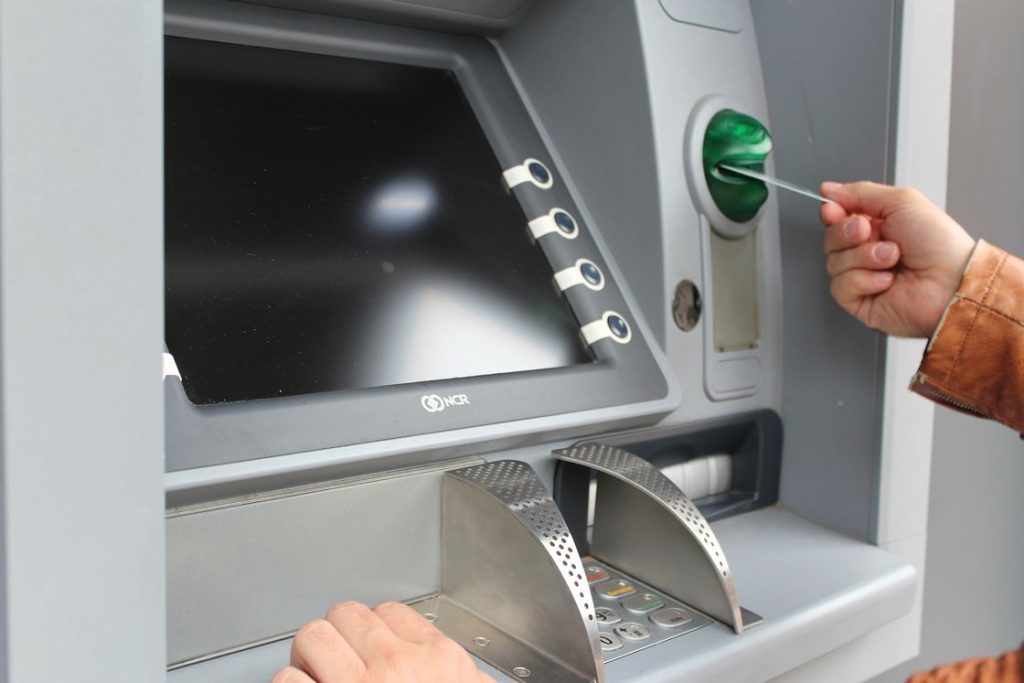
When making deposits, always count your cash beforehand and ensure the bills are crisp and unfolded. If you are depositing checks, ensure the endorsement on the back is clear. Using the “Cardless ATM” feature via the Chase mobile app can also increase security, as it reduces the risk of card skimming and ensures your digital identity is verified before the machine opens its shutter.
Furthermore, always wait for the ATM to finish its entire cycle. Do not walk away until the machine asks if you want a receipt and returns to the “Welcome” screen. Many discrepancies that lead to “ATM Credits” occur because a user walked away while the machine was still processing a final count, leading to a jammed shutter or an unrecorded transaction.
By understanding the mechanics behind the “ATM Credit Chase” descriptor, you transform a confusing line item into a clear indicator of your account’s health. Whether it is a returned fee, a corrected deposit, or a provisional credit during a dispute, this label is a testament to the complex systems working to ensure your balance is accurate down to the last cent. Knowledge is the best tool in personal finance, and being able to read your statement with confidence is the first step toward total financial mastery.
aViewFromTheCave is a participant in the Amazon Services LLC Associates Program, an affiliate advertising program designed to provide a means for sites to earn advertising fees by advertising and linking to Amazon.com. Amazon, the Amazon logo, AmazonSupply, and the AmazonSupply logo are trademarks of Amazon.com, Inc. or its affiliates. As an Amazon Associate we earn affiliate commissions from qualifying purchases.