
For decades, Atlanta was primarily recognized as a transport hub—the home of the world’s busiest airport and the headquarters of legacy beverage and airline giants. However, in the last ten years, a quiet but powerful transformation has taken place. Atlanta has rebranded itself as the “Silicon Peach,” emerging as one of the most significant technology ecosystems in the United States. From the dominance of payment processing to the rapid integration of artificial intelligence in enterprise software, Atlanta’s identity is now inextricably linked to digital innovation.
This shift is not accidental. It is the result of a unique synergy between world-class research universities, a massive concentration of Fortune 500 companies, and a booming startup culture that prioritizes scalable software and digital security. To understand what Atlanta is known for today, one must look through the lens of its thriving tech sectors.

The Global Epicenter of Fintech and Transaction Processing
If you have swiped a credit card or made an online payment today, there is a nearly 70% chance that the transaction was processed in the Atlanta metropolitan area. This staggering statistic has earned the region the nickname “Transaction Alley.” Atlanta is globally renowned for its financial technology (Fintech) infrastructure, providing the backbone for the world’s digital economy.
Transaction Alley and the Evolution of Payment Rails
The concentration of fintech power in Atlanta began with the legacy of physical banking infrastructure, but it has evolved into a sophisticated software-driven sector. Major players like NCR, Global Payments, and Fiserv have their primary operations or headquarters here. These companies do more than just process payments; they are currently at the forefront of migrating legacy financial systems to the cloud. By integrating modern APIs and real-time data analytics, Atlanta-based firms are defining how money moves in the 21st century.
Digital Banking and the Integration of AI
Beyond the “pipes” of payment processing, Atlanta is a leader in the next generation of digital banking. Neobanks and financial software startups are leveraging the city’s deep pool of talent to build platforms that use machine learning to detect fraud in milliseconds. The focus has shifted from mere transaction speed to intelligent financial management. Fintech in Atlanta is now synonymous with the development of predictive algorithms that help both consumers and corporations manage liquidity and mitigate risk.
A Powerhouse for Enterprise Software and SaaS Innovation
While Silicon Valley is often associated with consumer-facing apps, Atlanta has carved out a niche as the capital of B2B (Business-to-Business) software. The city’s tech ecosystem is built on solving complex problems for large enterprises, focusing on productivity, communication, and supply chain logistics.
The Legacy of Scalable SaaS
Atlanta’s reputation for Software-as-a-Service (SaaS) was cemented by the success of companies like Mailchimp (acquired by Intuit) and Salesloft. These companies demonstrated that Atlanta could produce unicorn-level software firms that compete globally. The city’s SaaS philosophy tends to be more pragmatic than its West Coast counterparts, focusing on robust architecture and sustainable growth. Today, this legacy continues as a new wave of startups builds automated marketing tools and CRM enhancements that utilize generative AI to personalize business communications at scale.
Supply Chain and Logistics Tech
Atlanta is the logistics capital of the South, and this physical reality has birthed a massive “LogTech” sector. As global supply chains face increasing volatility, Atlanta-based tech firms are developing sophisticated software solutions to provide real-time visibility. Using Internet of Things (IoT) sensors and advanced data modeling, these companies allow global shippers to track assets and predict delays. The integration of AI into these logistics platforms has made Atlanta a critical node in the global effort to create “smart” supply chains that can self-optimize in the face of disruption.
The Vanguard of Cybersecurity and Defense Technology

In an era where data is the most valuable commodity, protecting that data has become a primary mission for Atlanta’s tech sector. The city is home to a dense cluster of cybersecurity firms and research institutions that are defending the digital frontier against increasingly sophisticated threats.
Research Excellence and the Georgia Tech Influence
At the heart of Atlanta’s tech identity is the Georgia Institute of Technology (Georgia Tech). As one of the top-ranked engineering schools in the world, its influence on the city’s technology landscape cannot be overstated. The Georgia Tech Research Institute (GTRI) and various campus incubators act as a pipeline for groundbreaking work in encryption, network security, and defensive AI. This academic engine ensures a constant flow of elite talent into the local tech workforce, making Atlanta a top destination for companies that require high-level technical expertise.
Defending the Digital Infrastructure
Atlanta’s cybersecurity niche is reinforced by its proximity to major federal entities, including the NSA’s presence in Georgia and the U.S. Army Cyber Command. This has fostered a unique environment where public-sector security needs meet private-sector innovation. Companies in the region are specializing in “Zero Trust” architecture and automated threat hunting. By utilizing AI-driven security operations centers (SOCs), Atlanta-based firms are helping global corporations stay ahead of ransomware and state-sponsored cyberattacks.
The Intersection of Creative Tech and Media Innovation
Atlanta’s rise as the “Hollywood of the South” has had a profound ripple effect on its technology sector. The city is now a leader in creative technologies, spanning from professional film production software to the burgeoning world of esports and game development.
Gaming and Esports Dominance
Atlanta is home to some of the most influential players in the gaming industry, such as Hi-Rez Studios, and is a recurring host for major international esports tournaments. The tech infrastructure required to support high-stakes competitive gaming—ultra-low latency networks, high-performance computing, and streaming platforms—has become a specialized area of expertise for local developers. This has created a virtuous cycle where game developers and network engineers collaborate to push the boundaries of interactive entertainment.
Digital Production and Virtual Reality
The massive film industry in Georgia has necessitated a leap in digital production technology. Atlanta is at the forefront of “virtual production,” using massive LED volumes and real-time rendering engines (like Unreal Engine) to create digital environments for film and television. Furthermore, the city is a growing hub for Augmented Reality (AR) and Virtual Reality (VR) applications. Local tech firms are developing immersive experiences not just for entertainment, but for industrial training, medical simulations, and remote collaboration tools, proving that Atlanta’s creative tech is as functional as it is flashy.
Building a Diverse and Future-Ready Tech Ecosystem
What truly distinguishes Atlanta from other tech hubs is its commitment to creating a diverse and inclusive digital economy. The city is widely recognized as a leader in “inclusive innovation,” ensuring that the benefits of the tech boom are distributed across a broad demographic spectrum.
The Engine of HBCU Talent
Atlanta is home to the Atlanta University Center (AUC), which includes prestigious Historically Black Colleges and Universities (HBCUs) like Morehouse College and Spelman College. These institutions are increasingly focused on STEM and data science, producing a pipeline of diverse tech talent that is unparalleled in the United States. Major tech giants like Google, Microsoft, and Apple have recognized this, establishing large corporate hubs in Atlanta specifically to tap into this diverse, highly-educated workforce.
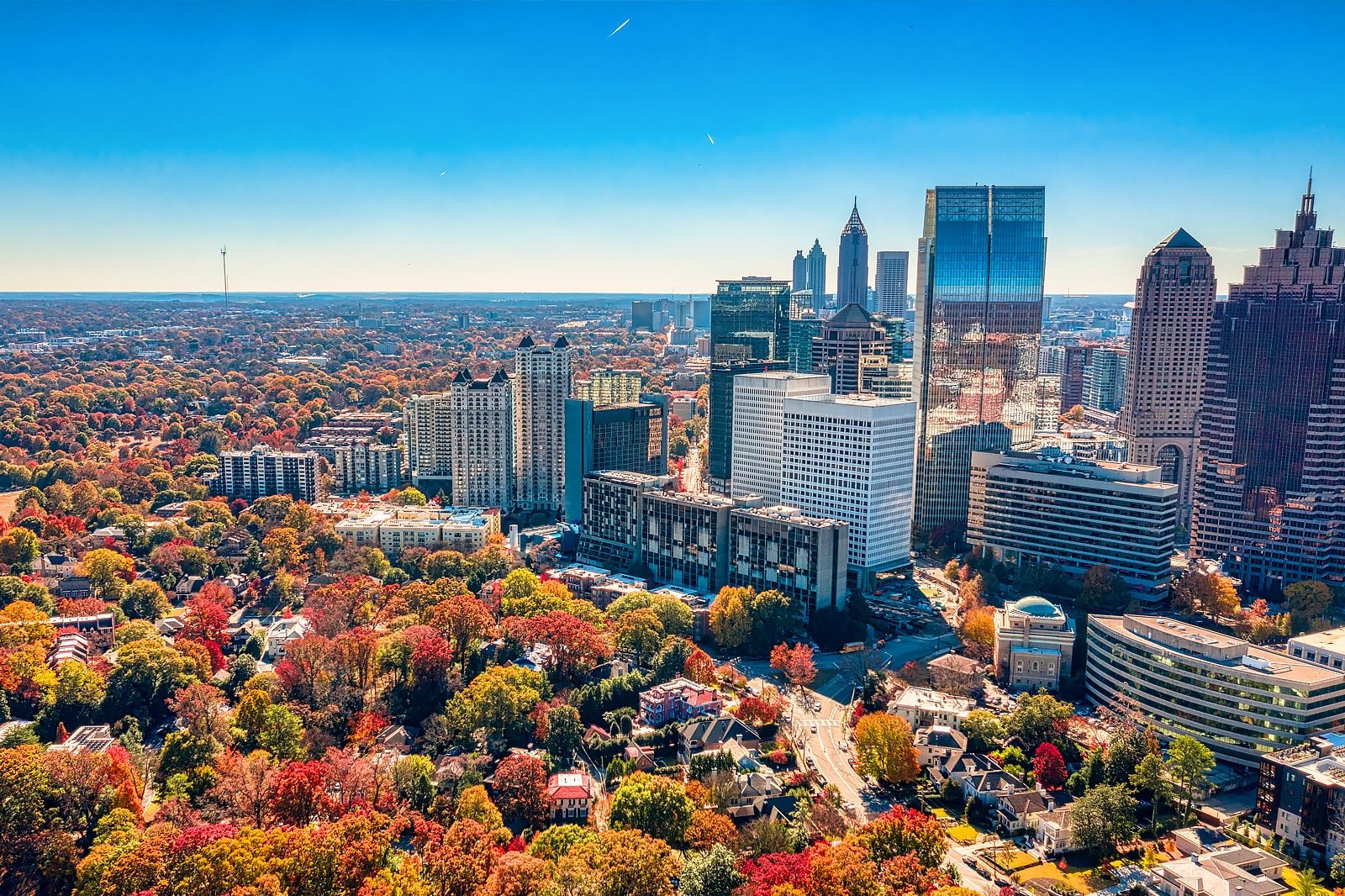
The Rise of the “Silicon Peach” Infrastructure
The physical landscape of the city is also evolving to meet tech demands. Projects like the Georgia Tech-adjacent “Tech Square” and the redevelopment of historic industrial sites into tech hubs (such as Ponce City Market) provide the collaborative spaces necessary for innovation. These hubs facilitate “collision points” where startup founders, venture capitalists, and corporate executives can share ideas.
In conclusion, Atlanta is no longer just a city of traditional industry and Southern charm. It is a sophisticated, high-tech metropolis known for its dominance in fintech, its pragmatic approach to enterprise software, its rigorous cybersecurity standards, and its pioneering work in creative media tech. Driven by world-class talent and a culture of collaboration, Atlanta has secured its place as a permanent and vital player in the global technology landscape. Whether it is through the code that secures a transaction or the algorithms that optimize a global supply chain, Atlanta’s technological footprint is felt by millions of people every single day.
aViewFromTheCave is a participant in the Amazon Services LLC Associates Program, an affiliate advertising program designed to provide a means for sites to earn advertising fees by advertising and linking to Amazon.com. Amazon, the Amazon logo, AmazonSupply, and the AmazonSupply logo are trademarks of Amazon.com, Inc. or its affiliates. As an Amazon Associate we earn affiliate commissions from qualifying purchases.