
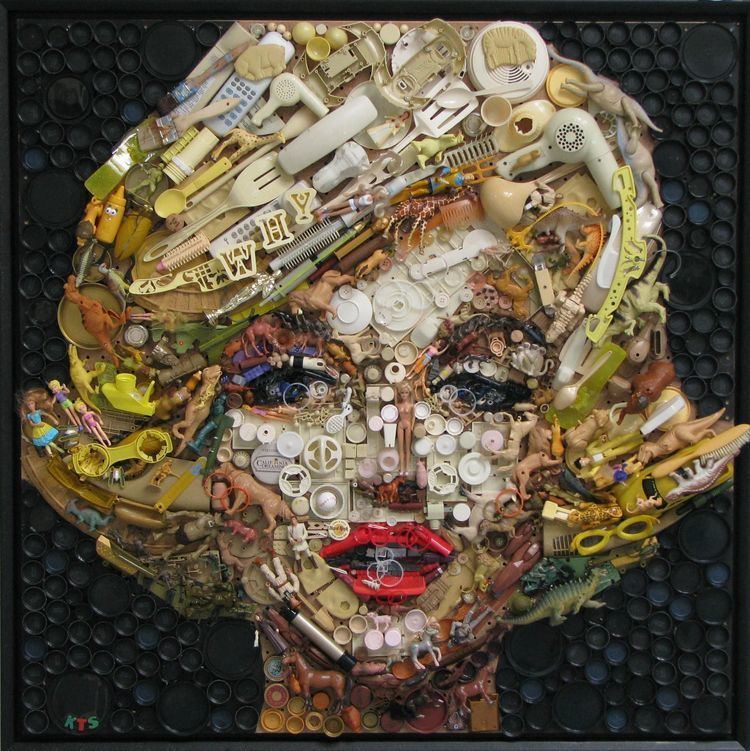
In the traditional world of fine art, “assemblage” refers to a technique where disparate, often three-dimensional objects are brought together to create a unified whole. From the radical “readymades” of Marcel Duchamp to the intricate wooden wall sculptures of Louise Nevelson, assemblage challenges the viewer to find harmony in diversity. However, in the modern landscape of commerce, the concept of assemblage has transcended the gallery walls. It has become a foundational pillar of sophisticated brand strategy.
Brand assemblage is the strategic process of gathering diverse cultural touchpoints, visual elements, and narrative fragments to construct a multi-dimensional corporate identity. It is no longer enough for a brand to have a static logo and a primary color. In an era of constant information flow, a brand must be an “assemblage”—a curated collection of values, aesthetics, and experiences that project a cohesive and resonant story.
The Philosophy of Assemblage in Modern Brand Strategy
To understand assemblage in the context of branding, one must first recognize that a brand is not a single entity; it is a perception formed by a thousand different parts. Just as an artist looks at a pile of discarded industrial parts and sees the potential for a masterpiece, a brand strategist looks at market trends, consumer psychology, and historical motifs to assemble a unique identity.
Moving Beyond the Monolithic Identity
In the mid-20th century, branding was often monolithic. Corporations sought a singular, unyielding image that remained the same across every medium. Today, the “assemblage” approach allows for more flexibility and depth. By viewing a brand as an assemblage, designers can create a visual system that evolves. This means the brand is composed of various textures, patterns, and “found” cultural elements that can be rearranged depending on the platform—whether it’s a high-end print advertisement or a fleeting social media story.
Finding Meaning in Market Insights
The “found objects” of a brand assemblage are not physical scraps of wood or metal, but rather the data points and cultural nuances discovered during market research. Effective brand strategy involves identifying these disparate “objects”—a specific customer pain point, a trending aesthetic movement, a nostalgic yearning—and mounting them onto the substrate of the corporate mission. When these elements are assembled correctly, they create a brand that feels organic and deeply rooted in the consumer’s reality rather than something manufactured in a vacuum.
Creating a Multi-Dimensional Visual Identity
If a brand is an assemblage, then its visual identity is the medium through which its layers are revealed. The visual component of branding has moved away from flat design toward something more tactile and layered, mimicking the physical depth of 3D assemblage art.
Texture and Layering in Digital Design
In digital branding, we achieve “assemblage” through the layering of different visual styles. This might involve pairing brutalist typography with soft, organic photography, or overlaying technical diagrams on top of hand-drawn illustrations. This contrast creates a sense of “depth” that flat brands lack. It signals to the consumer that the brand has history, complexity, and a multifaceted personality. Layering allows a brand to communicate multiple messages simultaneously: professional yet creative, established yet innovative.
The Narrative Power of Mixed Media Branding
Just as assemblage art often incorporates mixed media—fabric, metal, plastic, and organic matter—a modern brand identity incorporates mixed media storytelling. A brand’s “assemblage” includes its sonic identity (music and sound bites), its kinetic identity (how it moves in video), and its linguistic identity (the specific tone of voice used in copy). When these media are skillfully assembled, they form a “brand world.” This immersive environment is far more powerful than a simple visual mark because it engages the consumer on multiple sensory levels, much like walking around a physical sculpture.
Case Studies: Brands that Mastered the Assemblage Aesthetic
Looking at global leaders, we can see how the principles of art assemblage have been applied to dominate markets. These companies don’t just sell products; they curate experiences by assembling different cultural and aesthetic pieces.

Luxury Markets and the Curated Heritage
High-end luxury brands like Gucci and Hermès are masters of the assemblage. Under various creative directions, Gucci, in particular, has utilized a “maximalist assemblage” style. They combine Renaissance art, 1970s disco culture, high-fashion tailoring, and streetwear sensibilities into a single collection. To the untrained eye, it might look like chaos, but it is a calculated assemblage. By pulling from different eras and subcultures, they create a brand identity that feels like a curated museum of cool. This strategy allows them to appeal to diverse demographics while maintaining a singular, recognizable “aura.”
Tech Startups and Disruptive Visual Collages
In the tech sector, brands like Slack or Dropbox have used an assemblage approach to humanize software. For a long time, tech branding was cold and sterile (think IBM blue). Modern tech brands, however, assemble their identity from playful illustrations, vibrant color palettes, and conversational language. They “assemble” a personality that feels more like a creative partner than a piece of code. By combining the “hard” utility of their software with the “soft” elements of human-centric design, they create a balanced identity that resonates with the modern workforce.
Implementing Assemblage Techniques for Personal Branding
The concept of assemblage is not reserved for billion-dollar corporations. In the gig economy and the age of the “solopreneur,” personal branding is essentially an exercise in self-assemblage.
Synthesizing Skills and Storytelling
A powerful personal brand is an assemblage of one’s professional skills, personal passions, and unique life experiences. A graphic designer who also has a background in psychology and a passion for environmental activism shouldn’t hide those “extra” pieces. Instead, they should assemble them. By positioning themselves as a “Psychology-Driven Sustainable Designer,” they create a niche that is impossible to replicate. This is the essence of assemblage: taking seemingly unrelated parts of a person’s history and arranging them into a compelling professional narrative.
Managing Touchpoints for a Cohesive Whole
In personal branding, your touchpoints—LinkedIn profile, personal website, public speaking style, and even your email signature—are the components of your assemblage. Each piece must contribute to the overall “sculpture.” If your LinkedIn is ultra-corporate but your website is wildly avant-garde, the assemblage feels broken and the viewer is left confused. To build a successful personal brand, one must audit every “found object” of their digital presence and ensure it fits the intended structural integrity of the whole.
The Future of Brand Assemblage: Personalization and AI
As we look toward the future, the “objects” we use to assemble brands are becoming more dynamic. Artificial Intelligence is now a primary tool in the brand strategist’s kit, allowing for real-time assemblage.
We are moving toward a world of “Liquid Branding,” where the brand assemblage can change its shape based on who is looking at it. Imagine a website that assembles its visual elements, tone of voice, and product recommendations in real-time to match the specific cultural background and preferences of the individual user. This is the ultimate evolution of the assemblage: an identity that is both fixed in its core values but infinitely adaptable in its components.
Furthermore, the ethical dimension of brand assemblage is becoming more prominent. Consumers are increasingly interested in the “provenance” of the objects in a brand’s assemblage. Where does the brand get its materials? How does it treat its workers? In this context, transparency becomes the “glue” that holds the assemblage together. If the glue is weak or toxic, the entire structure—no matter how beautiful it looks on the surface—will eventually crumble.

Conclusion: The Strategic Imperative of Synthesis
Assemblage in art taught us that the whole is greater than the sum of its parts. In branding, this principle is the difference between a forgettable company and a cultural icon. By embracing the complexity of assemblage—the layering of visuals, the synthesis of disparate cultural influences, and the curation of diverse touchpoints—brand builders can create identities that are not only aesthetically pleasing but also deeply resonant and enduring.
The modern brand is no longer a static image; it is a living, breathing assemblage. It requires constant curation, thoughtful arrangement, and an artist’s eye for how different elements can come together to tell a story that truly matters. Whether you are building a global corporation or a personal brand, the question remains: what pieces are you choosing for your assemblage, and what story do they tell when they stand together?
aViewFromTheCave is a participant in the Amazon Services LLC Associates Program, an affiliate advertising program designed to provide a means for sites to earn advertising fees by advertising and linking to Amazon.com. Amazon, the Amazon logo, AmazonSupply, and the AmazonSupply logo are trademarks of Amazon.com, Inc. or its affiliates. As an Amazon Associate we earn affiliate commissions from qualifying purchases.