
In the rapidly evolving landscape of the digital age, the traditional four-year university path is no longer the sole gateway to a high-impact career. As industry demands shift toward specialized technical skills and immediate workforce readiness, the Associate of Science (AS) degree has emerged as a powerhouse credential. But what exactly does an AS degree stand for, and how does it function within the high-stakes world of technology?
For those looking to break into software development, cybersecurity, or data science, understanding the nuances of this degree is essential. An AS degree is more than just a two-year program; it is a concentrated academic and practical framework designed to equip students with the foundational “hard skills” required to thrive in a tech-driven economy.

Understanding the Associate of Science (AS) Degree in the Tech Landscape
At its most basic level, an AS degree stands for an Associate of Science. It is an undergraduate academic degree awarded by community colleges, vocational schools, and some four-year universities upon the completion of a course of study that usually lasts two years. However, in the context of the technology sector, the definition goes much deeper.
Defining the AS Degree
The AS degree is specifically designed for students who intend to enter fields that require a heavy emphasis on mathematics, natural sciences, and analytical reasoning. Unlike degrees that focus on general liberal arts, the AS curriculum is rigorous and technical. It typically requires 60 to 64 credit hours, balanced between general education requirements and core technical electives. In the tech world, this means a student isn’t just taking “math”; they are taking Calculus or Discrete Mathematics—the building blocks of algorithm design.
AS vs. AA: Why Technical Students Choose the Science Path
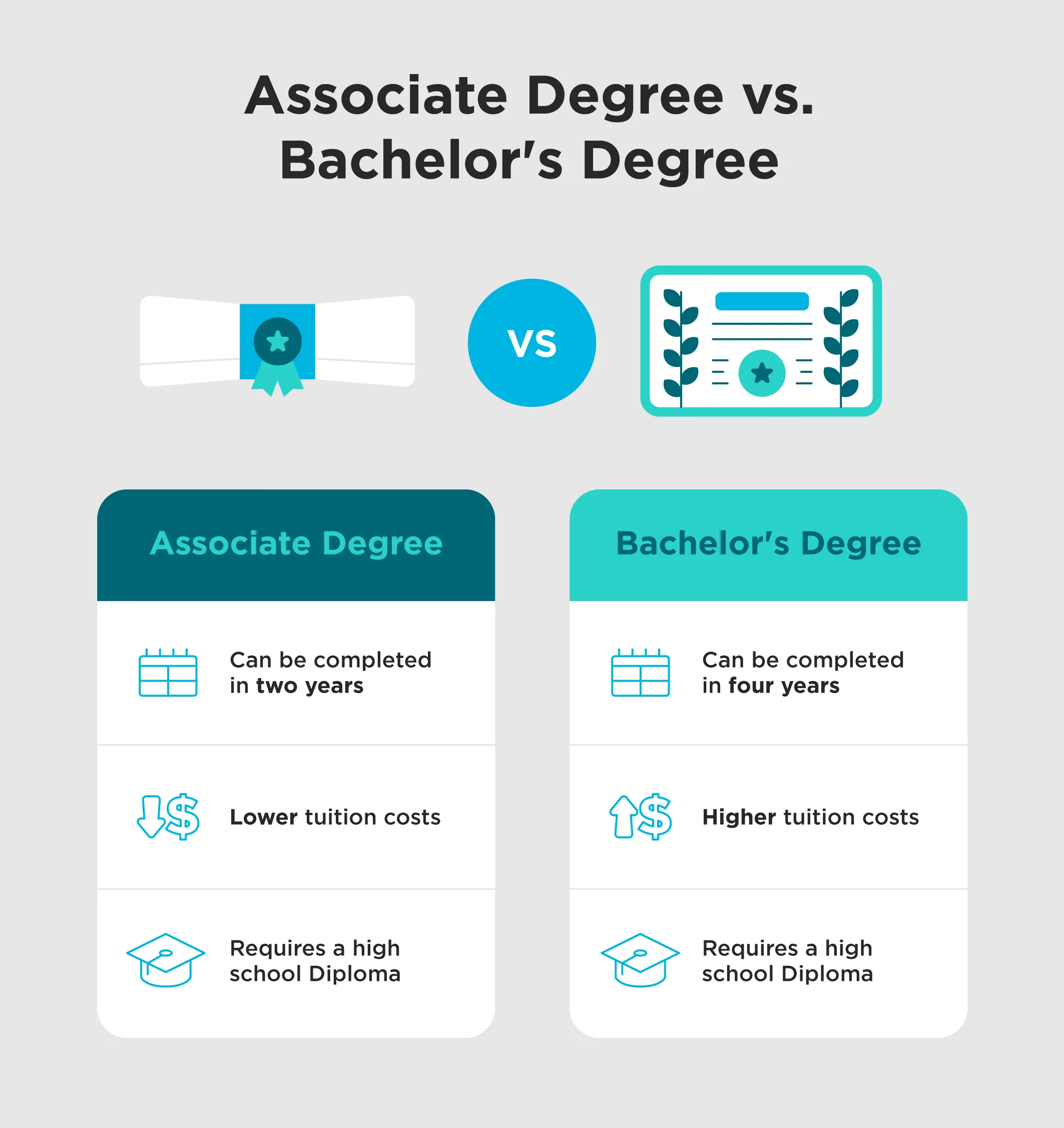
When exploring associate degrees, students often encounter the Associate of Arts (AA). While both are valuable, they serve different career trajectories. The AA is generally a broader, more flexible degree focused on the humanities and social sciences. In contrast, the AS is focused and vertical. For a tech-focused individual, the AS degree is the preferred choice because it prioritizes the “Science” in Computer Science. It provides the laboratory hours and technical labs that an AA lacks, ensuring that when a student graduates, they have hands-on experience with the hardware and software environments they will encounter in the field.
Core Technical Specializations Within an AS Degree
The versatility of the AS degree is most evident in its specializations. As technology becomes more fragmented and specialized, AS programs have adapted to offer niche tracks that mirror the current needs of Silicon Valley and global IT hubs.
Computer Science and Software Development
This is perhaps the most popular track for AS degree seekers. Here, the degree stands for a deep dive into the logic of programming. Students move beyond basic HTML/CSS into the realms of Java, Python, and C++. The curriculum focuses on data structures, object-oriented programming, and the software development life cycle (SDLC). By focusing on these core competencies, an AS degree prepares students to enter the workforce as Junior Developers or Quality Assurance (QA) testers, roles that are critical to the tech ecosystem.
Cybersecurity and Network Administration
With the rise of sophisticated cyber threats, the AS in Cybersecurity has become a vital credential. In this specialization, the degree stands for a commitment to digital defense. Students learn the architecture of secure networks, the ethics of “white hat” hacking, and the deployment of firewalls and intrusion detection systems. Unlike a general degree, this AS track often incorporates preparation for industry-standard certifications like CompTIA Security+ or CCNA, making the graduate immediately employable in Security Operations Centers (SOCs).
Data Analytics and Information Systems
In an era where data is the new oil, the AS in Data Analytics focuses on the tools used to extract meaning from chaos. Students are trained in SQL for database management, as well as spreadsheet modeling and basic statistical analysis using R or Python. This track bridges the gap between raw technology and business intelligence, allowing graduates to function as data technicians who support senior data scientists in visualizing trends and managing large datasets.
The Strategic Value of an AS Degree for Tech Professionals
Choosing an AS degree is often a strategic move designed to maximize career velocity. In the tech industry, where “skills-based hiring” is becoming the norm, the AS degree offers a unique competitive advantage.
Accelerated Entry into the Workforce
The most significant advantage of an AS degree is the time-to-market. In the tech world, a two-year head start can be the difference between catching a technological wave and missing it. A student who earns an AS in Cloud Computing can be in the workforce, gaining real-world experience and earning a competitive salary, while their peers in a four-year program are still halfway through their general education requirements. This early entry allows for “on-the-job” learning, which is often more valuable in tech than theoretical classroom study.
The “2+2” Transfer Pathway to a Bachelor’s
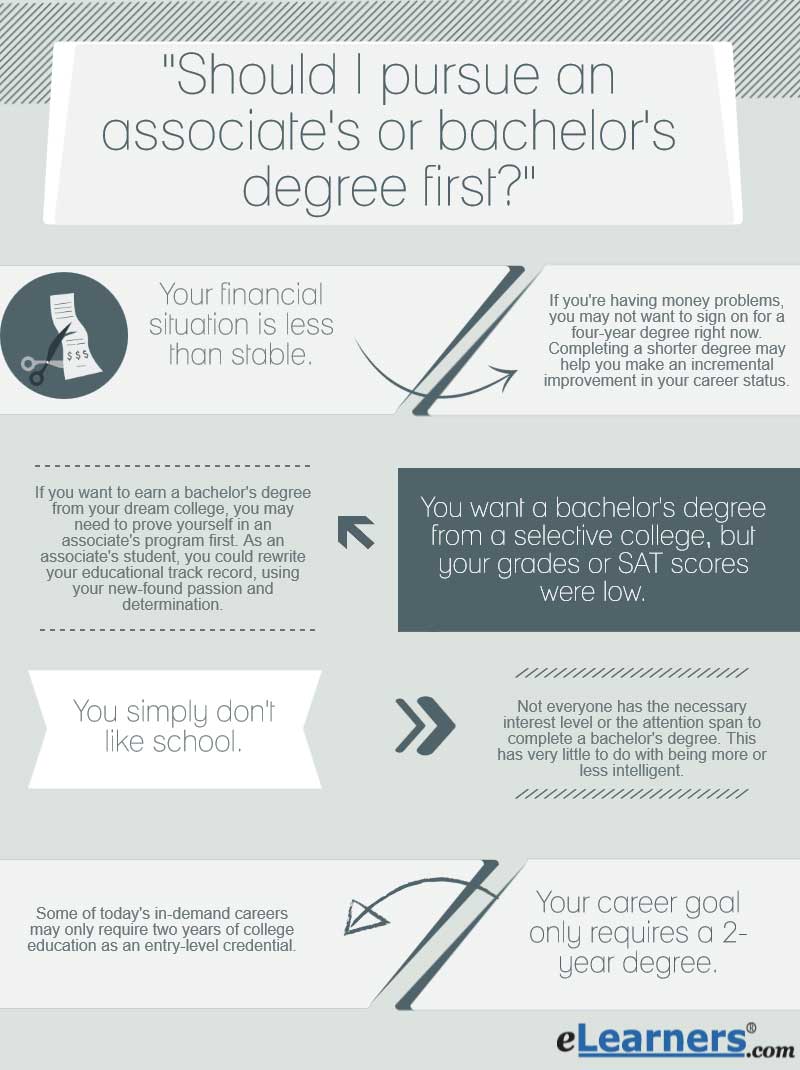
For many, the AS degree stands for a “stepping stone.” The “2+2” model is a popular strategy where a student completes their AS degree at a community college and then transfers those credits to a four-year university to complete a Bachelor of Science (BS). This path is technically savvy because it allows the student to master practical, hands-on skills in the first two years, while reserving the advanced theoretical and management-level courses for the final two years. It also allows students to pivot; if the tech landscape changes, they can choose a BS specialization that reflects the most current trends.
Bridging the Skills Gap with Practical Training
Employers in the tech sector frequently complain about the “skills gap”—the disconnect between what universities teach and what the industry actually needs. AS degrees are often developed in partnership with local tech companies and industry advisory boards. This ensures that the curriculum is “competency-based.” When an AS program teaches networking, it isn’t just discussing the OSI model in theory; it is having students physically configure routers and switches. This practical focus makes AS graduates highly attractive to startups and mid-sized tech firms that need employees who can contribute on day one.
Future-Proofing Your Career: AI and Emerging Tech in AS Programs
As we move further into the decade, the AS degree is evolving to address the most disruptive forces in technology: Artificial Intelligence (AI) and Machine Learning (ML).
Adapting to the AI Revolution
Modern AS programs are no longer static. Forward-thinking institutions are integrating AI literacy into their Associate of Science curricula. This means teaching students how to use AI-assisted coding tools (like GitHub Copilot), how to prompt-engineer for technical documentation, and the basics of how neural networks function. By including these topics, the AS degree stands for a future-ready education that acknowledges the shift from manual coding to AI-augmented development.
Certifications vs. AS Degrees: A Tech Industry Comparison
A common question in the tech community is whether one should pursue an AS degree or simply collect industry certifications (like AWS Certified Solutions Architect or Google Data Analytics). While certifications prove specific tool-based knowledge, the AS degree provides the scientific and mathematical foundation that allows a professional to understand why those tools work. In the long term, the AS degree offers more “career plasticity.” A certification might become obsolete when a software version changes, but the logic and problem-solving skills verified by an AS degree remain relevant across various platforms and eras.
Conclusion
So, what does an AS degree stand for? In the realm of technology, it stands for applied science, strategic entry, and technical proficiency. It is a credential that respects the urgency of the modern economy while providing the academic rigor necessary for long-term growth.
Whether it is used as a standalone credential to launch a career in cybersecurity or as the first half of a journey toward a Master’s in Computer Science, the Associate of Science degree is a versatile and powerful tool. For the aspiring technologist, it represents the shortest and most practical path from curiosity to professional competency. In an industry that values what you can do just as much as what you know, the AS degree is the ultimate bridge between the two.
aViewFromTheCave is a participant in the Amazon Services LLC Associates Program, an affiliate advertising program designed to provide a means for sites to earn advertising fees by advertising and linking to Amazon.com. Amazon, the Amazon logo, AmazonSupply, and the AmazonSupply logo are trademarks of Amazon.com, Inc. or its affiliates. As an Amazon Associate we earn affiliate commissions from qualifying purchases.