
For decades, the question of “what is arthritis in hands” was answered strictly through the lens of traditional clinical medicine—physical examinations, manual pain assessments, and standard X-rays. However, as we move deeper into the era of digital health, the definition of managing hand arthritis has shifted from a reactive medical process to a proactive, technology-driven ecosystem. Today, understanding arthritis in the hands involves exploring the intersection of computer vision, wearable sensors, and artificial intelligence.
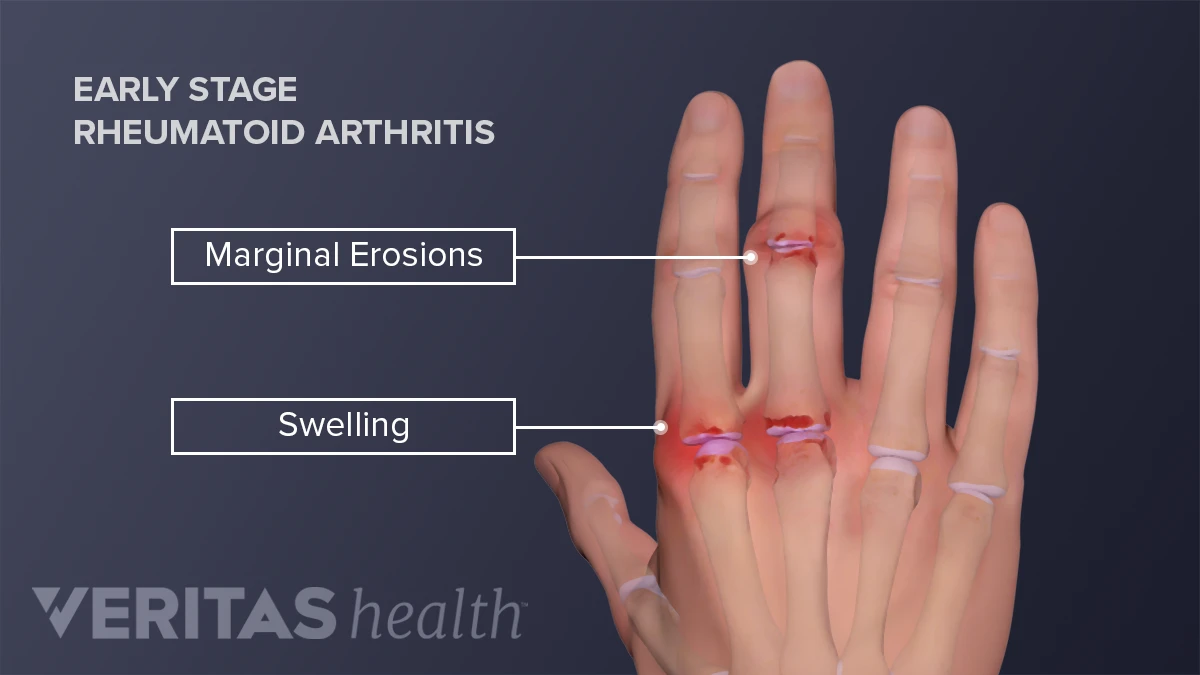
Arthritis, at its core, is the inflammation or degeneration of one or more joints. In the hands, this most commonly manifests as osteoarthritis (the wear and tear of cartilage) or rheumatoid arthritis (an autoimmune response). While the biological mechanism remains the same, the tech industry has revolutionized how we detect, monitor, and alleviate the symptoms of this condition.
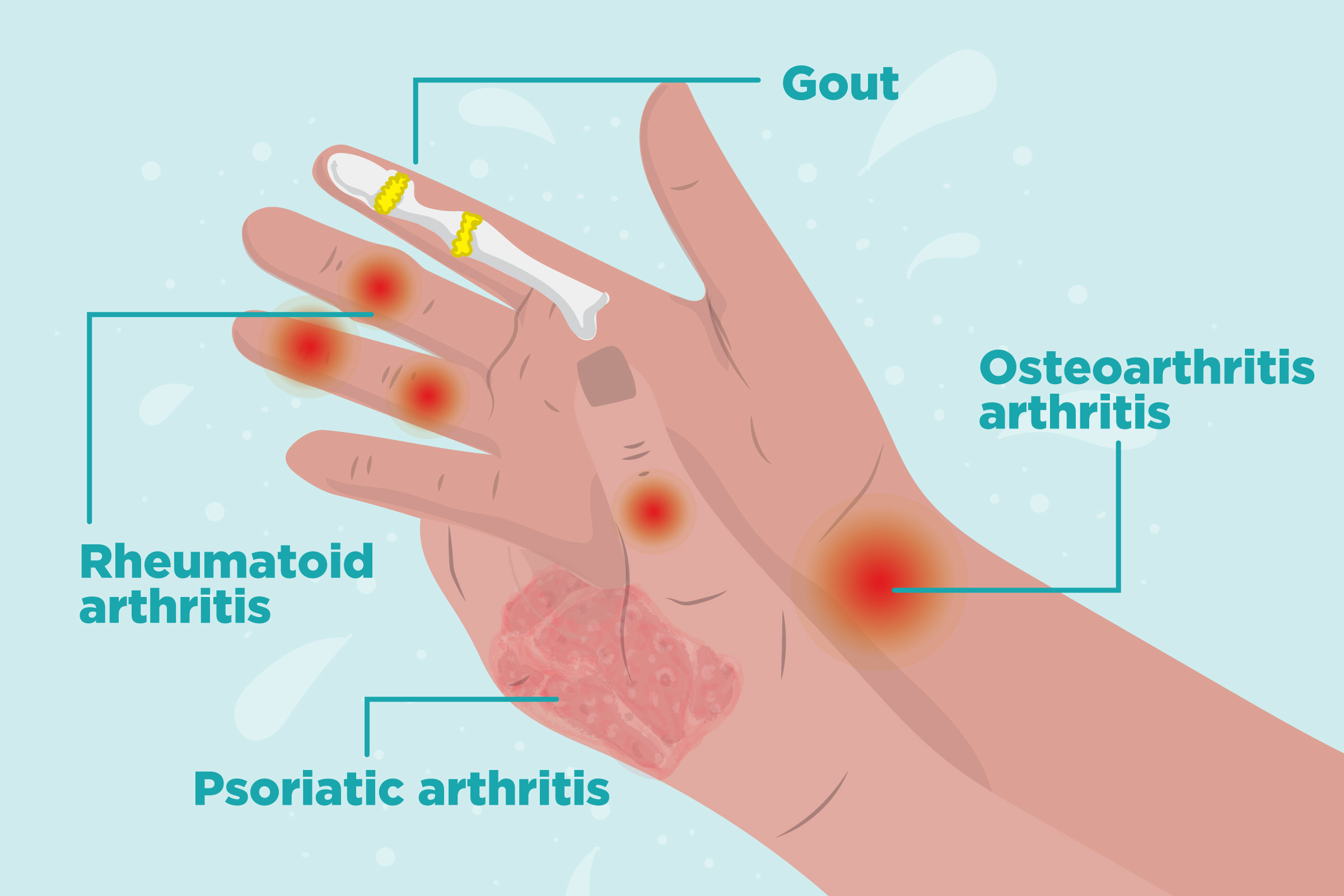
The Digital Transformation of Arthritis Diagnostics
The journey of managing hand arthritis begins with an accurate and early diagnosis. Traditionally, by the time a patient felt significant pain, joint damage was often irreversible. Modern technology is changing this trajectory through advanced imaging and data analytics.
AI and Computer Vision in Rheumatology
Artificial Intelligence (AI) is now being integrated into radiological workflows to identify the earliest signs of joint space narrowing and bone erosions. Computer vision algorithms can analyze hand X-rays with a level of granularity that often surpasses the human eye. These tools are trained on millions of images to detect subtle changes in the “joint space”—the gap between bones—which indicates thinning cartilage.
By leveraging deep learning, software platforms can now provide quantitative scores for hand arthritis. Instead of a doctor stating that a patient has “moderate” arthritis, AI can provide a percentage-based progression metric, allowing for a more precise understanding of how the disease is evolving over time.
Ultrasound and 3D Modeling Tech
Beyond standard X-rays, high-frequency ultrasound technology has become a staple in tech-forward clinics. Handheld ultrasound devices, connected to tablets via cloud-based software, allow for real-time visualization of synovial inflammation. Tech startups are currently developing 3D modeling software that can take these ultrasound slices and reconstruct a digital twin of a patient’s hand. This “digital twin” allows surgeons and rheumatologists to simulate the impact of various interventions before they are ever performed on the patient.
Wearables and the Quantified Self: Monitoring Hand Health
One of the greatest challenges in treating arthritis in the hands is the subjectivity of pain and mobility. Patients often struggle to accurately report how their symptoms fluctuate throughout a week. This is where the “Quantified Self” movement and wearable technology provide a solution.
Smart Gloves and Haptic Sensors
The development of smart gloves represents a significant leap in rehabilitative technology. These wearables are embedded with flex sensors and inertial measurement units (IMUs) that track the range of motion in every finger joint. For a person suffering from hand arthritis, these gloves can monitor “morning stiffness”—a key clinical indicator—by measuring how long it takes for joint flexibility to reach its peak each day.
The data collected is transmitted via Bluetooth to a smartphone app, providing both the patient and their doctor with a continuous stream of objective data. Some advanced prototypes even include haptic feedback, which uses gentle vibrations to guide the user through physical therapy exercises, ensuring that they are moving their joints within a safe and effective range.
Biomarker Tracking and Digital Diaries
The tech-driven approach to arthritis also involves monitoring systemic health. Modern smartwatches and rings track heart rate variability (HRV) and sleep quality. Since rheumatoid arthritis is an inflammatory condition, spikes in resting heart rate or disrupted sleep patterns can often predict a “flare-up” before the physical pain in the hands becomes debilitating. By using predictive analytics, apps can alert users to rest or adjust their medication levels, effectively using data to stay ahead of the disease.
Assistive Tech and the Future of Ergonomics
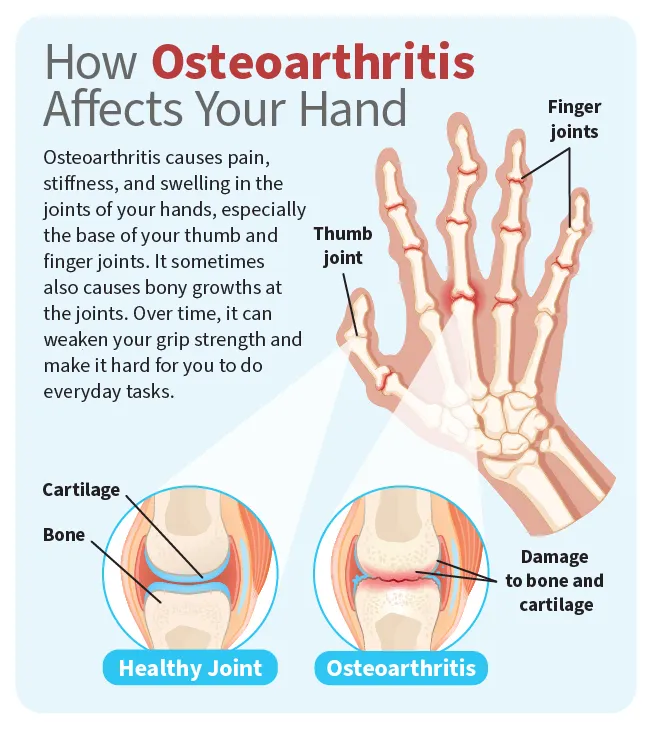
For those currently living with hand arthritis, technology serves as a vital bridge to maintaining productivity and independence. The “tech” in this context refers to both software accessibility and hardware innovations designed to reduce the mechanical stress on hand joints.
Software as an Accessibility Tool
As our professional lives become increasingly digital, the ability to interact with computers is paramount. Arthritis in the hands can make typing or using a standard mouse agonizing. The tech industry has responded with robust voice-to-text engines and eye-tracking software.
Natural Language Processing (NLP) has advanced to a point where “dictation” is no longer a clunky experience. Professional-grade speech recognition software allows users to navigate entire operating systems, compose complex emails, and even write code without ever touching a keyboard. This software effectively “bypasses” the physical limitations of hand arthritis, ensuring that the condition does not result in a loss of career viability.
Ergonomic Hardware and 3D Printing
The hardware side of technology is equally transformative. We are seeing a move away from “one-size-fits-all” office equipment toward hyper-personalized tools. 3D printing, or additive manufacturing, allows for the creation of custom-molded mouse grips and keyboard layouts tailored to a specific individual’s hand anatomy and joint deformities.
Vertical mice and “split” mechanical keyboards are designed using principles of biomechanical engineering to keep the wrist and finger joints in a neutral position. For those with severe arthritis, specialized trackballs and “joystick” controllers reduce the need for fine motor movements, shifting the workload from the small joints of the fingers to the larger, more robust joints of the arm and shoulder.
Digital Therapeutics and Virtual Rehabilitation
The concept of “Digital Therapeutics” (DTx) is a relatively new frontier in the tech world. These are evidence-based software programs designed to prevent, manage, or treat a medical disorder. For arthritis in the hands, DTx platforms are revolutionizing the way physical therapy is delivered.
Gamification of Hand Therapy
Consistency is the most difficult aspect of physical therapy. Tech companies are solving this through gamification. Using a smartphone camera or a specialized sensor, patients can play games that require specific hand movements—like pinching, gripping, or finger extensions. The software tracks the precision of these movements and rewards the user with points and level-ups. This turns a tedious medical necessity into an engaging digital experience, significantly increasing patient compliance and, by extension, improving long-term hand function.
Virtual Reality (VR) for Pain Management
Virtual Reality is being utilized as a powerful tool for “neuromodulation” in arthritis patients. Studies have shown that immersive VR environments can effectively distract the brain from chronic pain signals. Furthermore, “Mirror Therapy” in VR—where a patient sees a digital version of their hand moving fluidly and without pain—can help “retrain” the brain’s perception of the limb, reducing the psychological burden of the disease and encouraging the user to maintain activity levels.
The Horizon: Bioinformatics and Robotic Assistance
Looking forward, the answer to “what is arthritis in hands” will likely involve even more sophisticated technological interventions, moving from management into the realm of functional restoration.
Bioinformatics and Targeted Tech
In the realm of biotechnology, high-performance computing is being used to map the “proteomics” of arthritis. By analyzing the massive data sets of proteins found in the joint fluid of the hand, researchers can use AI to identify which specific biological pathways are causing inflammation. This allows for the development of “precision medicine”—medications that are digitally engineered to target a specific individual’s unique chemical profile.
Soft Robotics and Exoskeletons
Perhaps the most futuristic tech application for hand arthritis is the development of soft robotic exoskeletons. Unlike the rigid, heavy robots of the past, these are made from lightweight, flexible materials that can be worn like a glove. Small, motorized actuators provide “power assist” to the fingers. When a user tries to grip an object, the sensors detect the intention and the exoskeleton provides the necessary force, allowing someone with severe joint degradation to regain a firm grip and perform tasks like opening jars or holding a pen.
Technology has fundamentally changed the landscape for anyone asking “what is arthritis in hands.” It is no longer a diagnosis of inevitable decline. Through the integration of AI-driven diagnostics, wearable monitoring, sophisticated accessibility software, and the promise of robotic assistance, the tech industry is providing a roadmap for a future where hand arthritis is a manageable, and perhaps eventually, a solvable challenge. The focus has shifted from merely understanding the pain to using every digital tool available to restore function and improve the quality of life.
aViewFromTheCave is a participant in the Amazon Services LLC Associates Program, an affiliate advertising program designed to provide a means for sites to earn advertising fees by advertising and linking to Amazon.com. Amazon, the Amazon logo, AmazonSupply, and the AmazonSupply logo are trademarks of Amazon.com, Inc. or its affiliates. As an Amazon Associate we earn affiliate commissions from qualifying purchases.