
In the landscape of modern healthcare, the designation “APRN CNP” stands for Advanced Practice Registered Nurse, Certified Nurse Practitioner. While clinically this represents a high level of patient care and diagnostic authority, from a financial and professional perspective, it represents one of the most robust “Money” moves a healthcare professional can make. Transitioning from a Registered Nurse (RN) to a Certified Nurse Practitioner (NP) is not merely a shift in responsibilities; it is a strategic investment in human capital that yields significant dividends in salary, autonomy, and entrepreneurial opportunity.
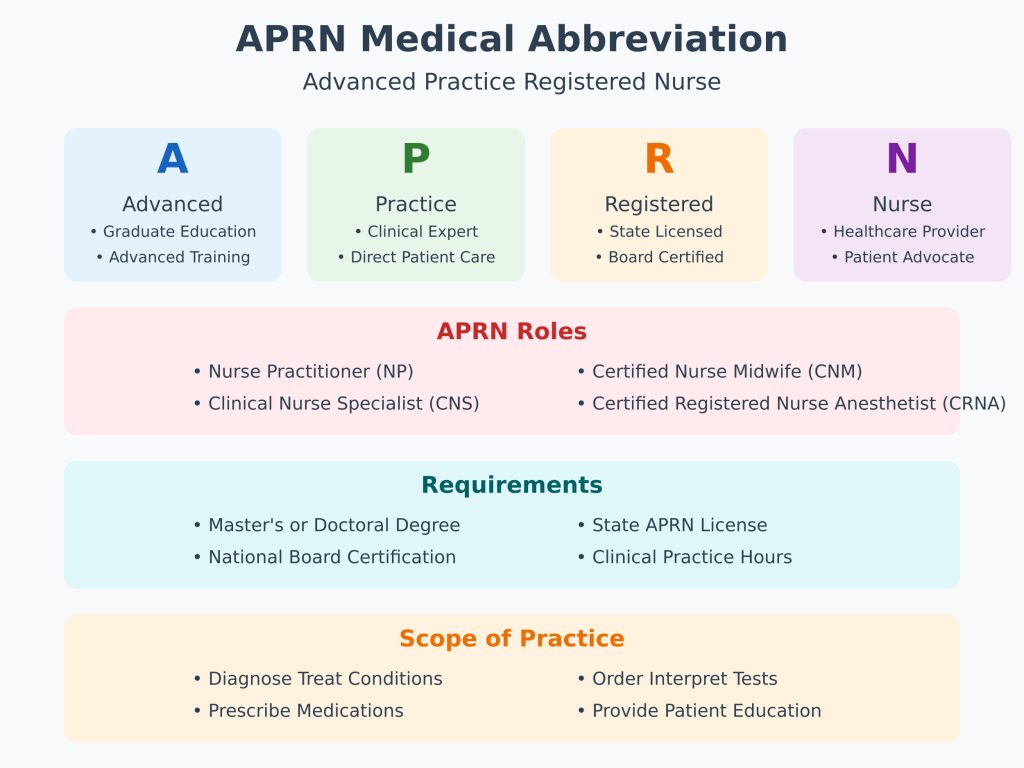
This guide explores the APRN CNP role through the lens of personal finance, business scalability, and long-term wealth building, providing a comprehensive analysis of why this career path is a premier financial asset in the current economy.
The Financial Landscape of the APRN CNP Role
To understand the APRN CNP from a financial perspective, one must view it as an upgrade in marketability. As healthcare systems shift toward value-based care and cost-efficiency, the demand for practitioners who can provide physician-level services at a more agile price point has skyrocketed. This demand creates a “seller’s market” for CNP services, driving up baseline compensation across the United States.
The Economic Value of Advanced Clinical Practice
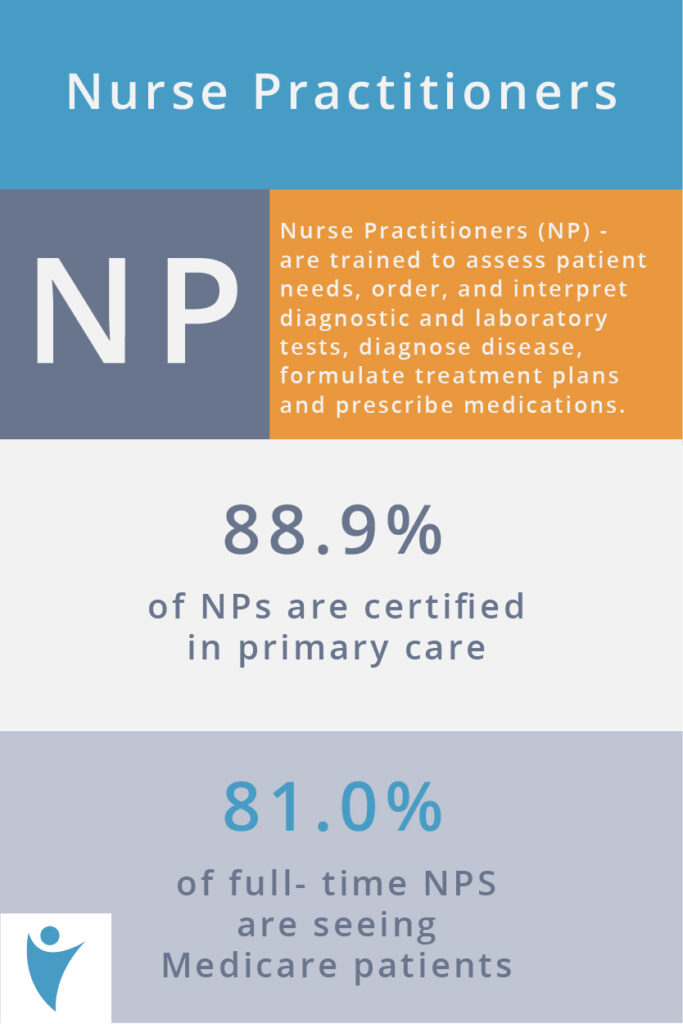
The primary financial driver for an APRN CNP is the expansion of their “scope of practice.” Unlike an RN, a CNP can diagnose illnesses, treat conditions, and prescribe medications. In the world of business finance, this translates to the ability to generate direct revenue. CNPs are assigned their own National Provider Identifier (NPI) numbers, allowing them to bill insurance companies and Medicare directly. This shift from being a “cost center” (like bedside nursing) to a “revenue generator” is the fundamental reason for the significant pay increase associated with the role.
Market Demand and Job Security as a Financial Asset
When evaluating an investment, “risk” is a critical factor. The APRN CNP role offers an incredibly low-risk profile due to the aging population and the chronic shortage of primary care providers. From a financial planning standpoint, job security acts as a hedge against economic downturns. While other high-paying sectors like Tech or Finance may face volatility and layoffs, the demand for CNPs remains inelastic. This stability allows for more aggressive personal investing and long-term financial commitments, such as real estate or portfolio expansion.
Calculating the ROI: Education Costs vs. Earning Power
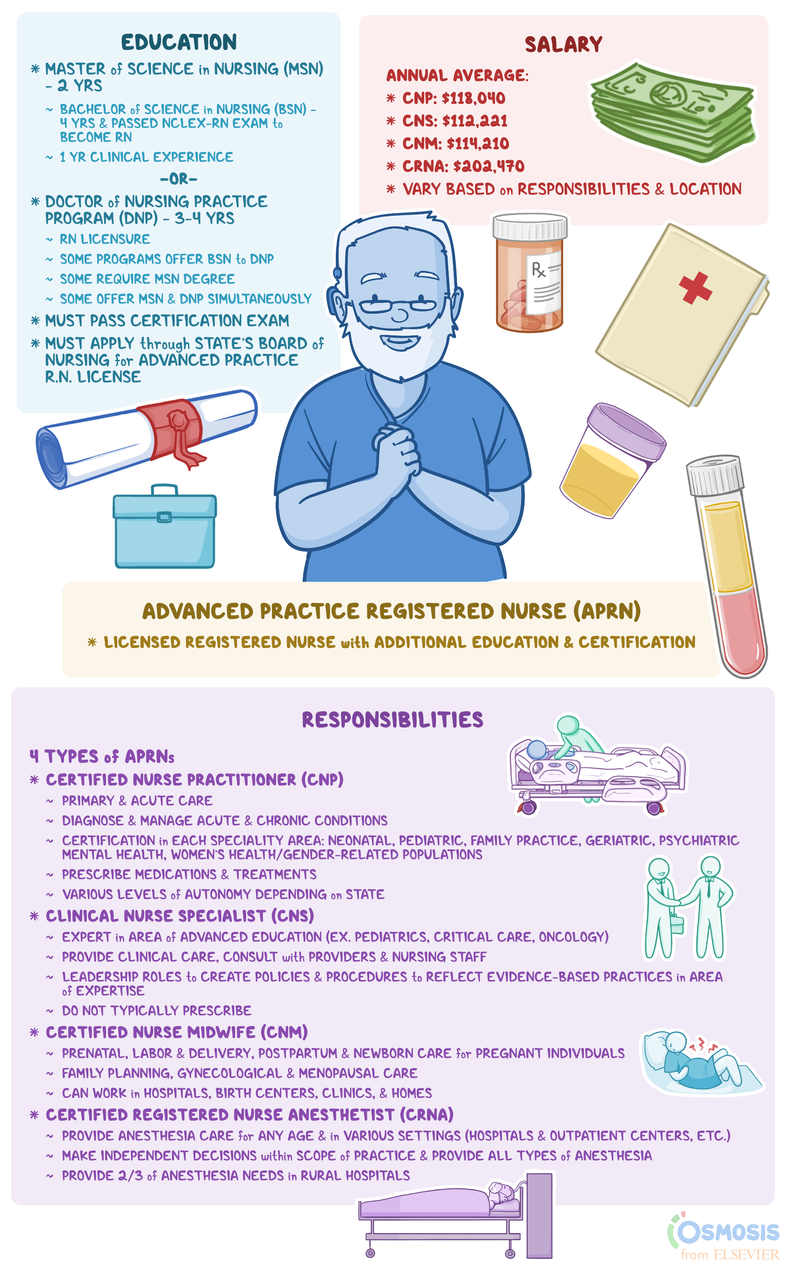
Every financial move requires an analysis of Return on Investment (ROI). Moving from an RN to an APRN CNP requires a Master’s of Science in Nursing (MSN) or a Doctor of Nursing Practice (DNP). This involves an upfront capital layout and, often, a temporary reduction in working hours.
Upfront Investment: Tuition and Opportunity Cost
The cost of an MSN or DNP program can range from $40,000 to over $100,000 depending on the institution. However, the savvy investor also considers “opportunity cost”—the wages lost during the time spent studying. Fortunately, many APRN programs are designed for working professionals, allowing nurses to maintain a partial income while upskilling.
When you calculate the ROI, consider the “Payback Period.” If a nurse increases their annual salary from $75,000 to $125,000 after graduation, the $50,000 annual surplus can pay off a $100,000 degree in just two to three years of post-graduation work. Beyond that point, the increased earning power is pure profit over the remainder of the professional’s 20-to-30-year career.
Long-term Earnings Trajectory and Debt Management
The APRN CNP designation opens doors to high-paying specialties such as Psychiatric-Mental Health (PMHNP) or Dermatology, where salaries often exceed $150,000 to $200,000. Furthermore, because CNPs work in a variety of settings, they can utilize financial tools like the Public Service Loan Forgiveness (PSLF) program. By working for non-profit hospitals or in underserved rural areas, a CNP can have their entire educational debt wiped out tax-free after ten years of service, effectively boosting their net worth by six figures.
Diversifying Income: Beyond the Hospital Salary
One of the most compelling reasons to become an APRN CNP in the “Money” niche is the ability to diversify income streams. A traditional RN is often limited to hourly wages and overtime. A CNP, however, can leverage their credentials for various “side hustles” and high-yield consulting roles.
Strategic Side Hustles for Nurse Practitioners
The credentialing of a CNP allows for high-value moonlighting. Many CNPs engage in:
- Legal Nurse Consulting: Providing expert testimony or reviewing medical malpractice cases for law firms, often charging $200–$500 per hour.
- Medical Writing and Content Strategy: Working with healthcare tech companies or pharmaceutical brands to create authoritative content.
- Adjunct Faculty Roles: Teaching the next generation of nurses, which provides a steady secondary income and keeps clinical skills sharp.
Telehealth and Geographic Arbitrage
Telehealth has revolutionized the earning potential of the APRN CNP. A practitioner living in a low-cost-of-living (LCOL) area can now work for a healthcare startup based in a high-cost-of-living (HCOL) city like San Francisco or New York. This “geographic arbitrage” allows the CNP to earn a premium metropolitan salary while maintaining a low personal burn rate, dramatically accelerating their path to Financial Independence (FI).
The Entrepreneurial Path: Owning a Private Practice
The ultimate financial milestone for an APRN CNP is the transition from employee to business owner. In many U.S. states (known as Full Practice Authority states), CNPs can own and operate their own clinics without the supervision of a physician. This represents a significant shift from “earned income” to “business income.”
Capital Requirements and Revenue Models
Starting a micro-clinic or a specialized practice (such as aesthetics, weight loss, or mental health) requires relatively low initial capital compared to other brick-and-mortar businesses. A CNP can start a “concierge” practice with low overhead, focusing on high-margin cash-pay services rather than relying solely on slow-moving insurance reimbursements. By controlling the revenue model, the CNP captures the profit margin that would otherwise go to a hospital corporation or a physician-owner.
Scalability and Exit Strategies for CNP Founders
An APRN CNP who builds a successful practice is not just creating a job; they are building a saleable asset. A well-run clinic with a loyal patient base can be valued at a multiple of its annual earnings (EBITDA). Eventually, the CNP can hire other practitioners to handle the clinical workload, allowing the founder to transition into a CEO role. This creates “passive” or “semi-passive” income and provides an exit strategy where the business can be sold to a larger healthcare conglomerate or a private equity firm for a significant windfall.
Wealth Building and Retirement Strategies for the CNP
The increased cash flow of an APRN CNP must be managed with a sophisticated financial strategy to ensure long-term wealth. With higher income comes a higher tax bracket, making tax-advantaged investing essential.
- Maximizing Retirement Accounts: High-earning CNPs should prioritize 403(b) or 401(k) contributions, particularly if there is an employer match (which is essentially a 100% immediate return on investment).
- HSA as an Investment Vehicle: As healthcare experts, CNPs understand the value of a Health Savings Account (HSA). Utilizing an HSA as a “stealth IRA” allows for triple-tax advantages, providing a significant cushion for healthcare costs in retirement.
- Professional Liability and Asset Protection: From a business finance perspective, protecting one’s “human capital” is paramount. Comprehensive malpractice insurance and the use of LLCs for private practice ventures are necessary to shield personal assets from professional liabilities.
Conclusion: The APRN CNP as a Financial Powerhouse
What is an APRN CNP? It is more than just a title; it is a vehicle for financial transformation. It offers the rare combination of high income, extreme job stability, and multiple pathways to entrepreneurship. By moving from the bedside to the diagnostic and prescriptive level, a nurse effectively doubles their lifetime earning potential while gaining the autonomy to build a business or diversify their income through consulting and telehealth.
For the nurse looking to maximize their financial future, the APRN CNP path is not just a career choice—it is a strategic wealth-building move that provides the capital, the credentials, and the freedom to achieve true financial independence. Whether through climbing the corporate hospital ladder, utilizing geographic arbitrage in telehealth, or launching a private clinic, the APRN CNP stands as a cornerstone of modern professional finance in the healthcare sector.
aViewFromTheCave is a participant in the Amazon Services LLC Associates Program, an affiliate advertising program designed to provide a means for sites to earn advertising fees by advertising and linking to Amazon.com. Amazon, the Amazon logo, AmazonSupply, and the AmazonSupply logo are trademarks of Amazon.com, Inc. or its affiliates. As an Amazon Associate we earn affiliate commissions from qualifying purchases.