
Apple Inc. (AAPL) stands as a monumental force in the global economy, a titan whose reach extends from the smartphones in our pockets to the services we consume daily. For investors, analysts, and market watchers alike, the question “what is Apple’s stock price?” is far more than a simple query for a number. It’s an inquiry into the financial pulse of one of the world’s most valuable companies, a reflection of its innovation, market leadership, and future prospects. Understanding Apple’s stock price means dissecting complex market dynamics, financial health indicators, and the ever-evolving landscape of technology and consumer behavior. This article delves into the multifaceted nature of AAPL’s stock price, exploring what drives its value, how it’s analyzed, and what it signifies for those looking to invest in this iconic company.
Understanding Apple’s Stock Price: Beyond the Ticker
The stock price of Apple, like any publicly traded company, represents the current market value of a single share of its ownership. It’s a dynamic figure, fluctuating constantly during trading hours based on a myriad of factors. However, to truly grasp its significance, one must look beyond the immediate number and consider the broader financial context it operates within.
The Current Valuation and Market Cap
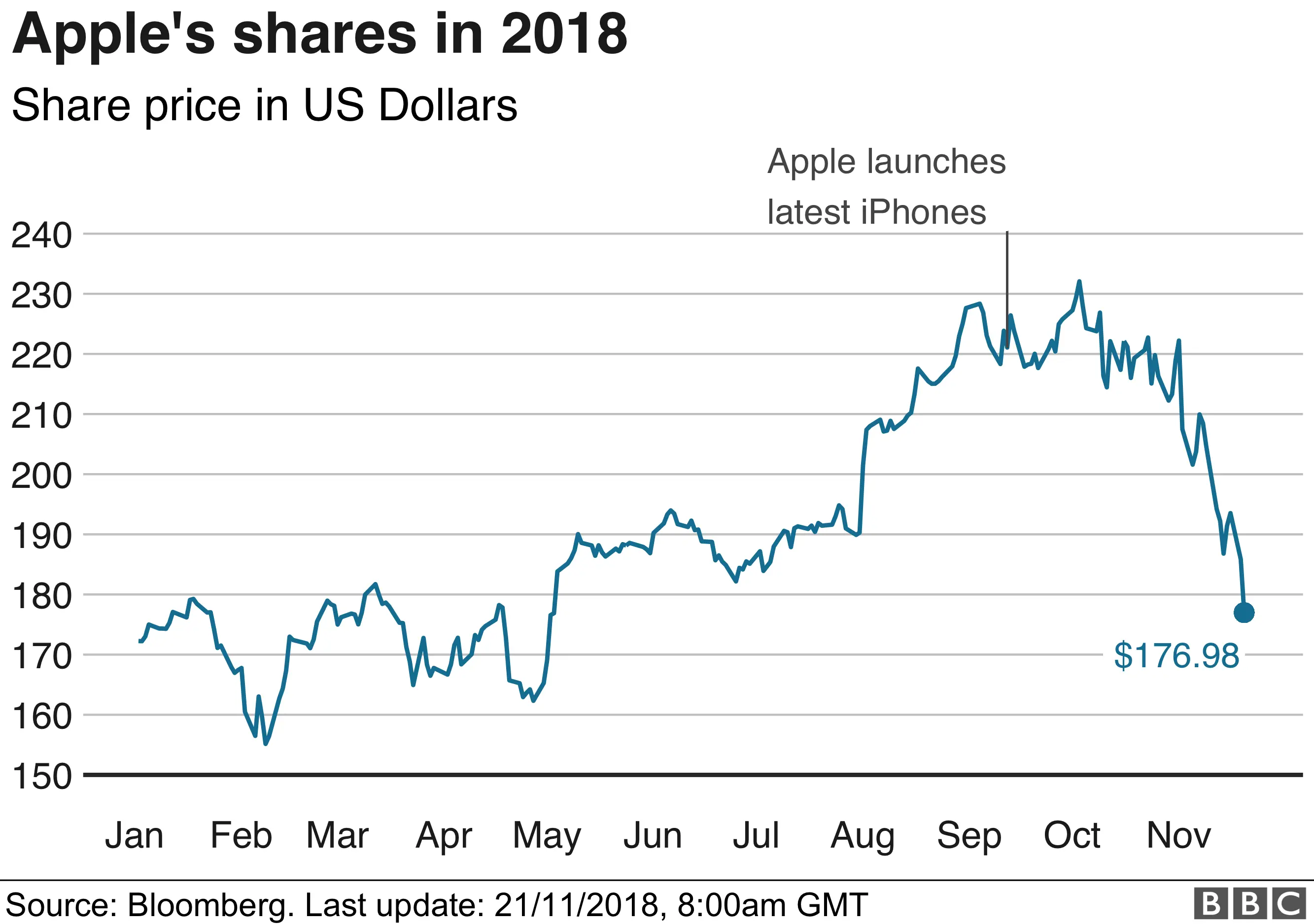
When you see Apple’s stock price quoted, you’re observing the price at which the last share was traded. This number, multiplied by the total number of outstanding shares, gives us the company’s market capitalization – the total value of the company as determined by the stock market. Apple has frequently held the title of the world’s most valuable company by market cap, often crossing the trillion-dollar and even multi-trillion-dollar thresholds. This immense valuation signifies not just its current financial strength but also the market’s high expectations for its future earnings and growth.
Investors can find real-time stock prices on various financial platforms like Google Finance, Yahoo Finance, Bloomberg, or through their brokerage accounts. These platforms also provide critical data points such as the day’s high and low, 52-week range, trading volume, and market capitalization, all of which are essential for a comprehensive understanding.
Factors Influencing Daily Price Movements
Apple’s stock price is not static; it’s a living entity, constantly responding to a vast array of internal and external stimuli. Understanding these influences is key to making informed investment decisions.
-
Market Sentiment: Broader economic news, such as inflation data, interest rate decisions by central banks, or geopolitical events, can sway overall market sentiment, pulling Apple’s stock along with it. A bullish market tends to lift all boats, while a bearish one can drag even strong companies down.
-
Company-Specific News: This is perhaps the most direct influencer. Major product launches (e.g., new iPhones, Vision Pro), quarterly earnings reports (revenue, profit, guidance), announcements of executive changes, supply chain disruptions, or even positive/negative reports on new technologies or regulatory scrutiny can cause significant price swings. Positive earnings surprises or optimistic guidance usually boost the stock, while disappointments can lead to a sell-off.
-
Analyst Ratings and Price Targets: Financial analysts from major banks and investment firms regularly publish research reports on Apple, providing buy, hold, or sell recommendations and setting price targets. While not always accurate, these ratings can influence investor perception and trading activity.
-
Trading Volume: The number of shares traded in a given period. High volume accompanying a price movement indicates stronger conviction behind that move, whether up or down.
A Historical Perspective: Apple’s Growth Trajectory
Apple’s stock performance over the decades is a legendary tale of comeback, innovation, and sustained growth, transforming it from a struggling tech company to a global financial powerhouse.
From Near Bankruptcy to Trillion-Dollar Company
The journey of Apple’s stock price is intrinsically linked to its corporate narrative. Founded in 1976, Apple went public in 1980, achieving initial success. However, by the mid-1990s, the company faced significant challenges and was on the brink of bankruptcy. The return of Steve Jobs in 1997 marked a dramatic turnaround. The introduction of the iMac, iPod, iTunes, and most significantly, the iPhone in 2007, propelled Apple into an unprecedented era of growth. Each revolutionary product launch expanded its ecosystem, cemented brand loyalty, and fueled exponential increases in revenue and profit, which directly translated into soaring stock prices. This period saw Apple’s market capitalization grow from billions to eventually surpass a trillion dollars, then two, and even three trillion dollars at various points, making it a cornerstone for many institutional and individual investors.
Stock Splits and Their Impact
To maintain accessibility and liquidity for its shares as its price rose dramatically, Apple has periodically executed stock splits. A stock split increases the number of outstanding shares while proportionally decreasing the price per share, without affecting the total market capitalization or the overall value of an investor’s holdings. For example, a 4-for-1 stock split means that for every one share an investor owned, they now own four, but each of those new shares is worth one-quarter of the original share price.
Apple has had several significant stock splits, notably a 7-for-1 split in 2014 and a 4-for-1 split in 2020. While a stock split doesn’t change the fundamental value of the company, it makes the shares more affordable for individual investors, potentially increasing trading volume and broadening the investor base. This can create a psychological boost, making the stock appear “cheaper” and more attractive, even though its intrinsic value remains the same. Understanding these splits is crucial when analyzing historical price data, as older prices need to be adjusted to reflect the splits for accurate comparison.
Valuing Apple Stock: More Than Just the Price Tag
While the current stock price tells you what you’d pay for a share, it doesn’t inherently tell you if it’s a good investment. To assess Apple’s value, investors delve into its financial statements and use various valuation metrics.
Key Financial Metrics to Consider
Sophisticated investors look beyond the headline stock price to understand the underlying financial health and potential of a company.
-
Earnings Per Share (EPS): This metric represents the portion of a company’s profit allocated to each outstanding share of common stock. A consistently growing EPS indicates increasing profitability and is a strong positive signal for investors. Apple’s ability to consistently deliver robust EPS, even in challenging economic environments, speaks to its operational efficiency and market dominance.
-
Price-to-Earnings (P/E) Ratio: The P/E ratio is calculated by dividing the current stock price by the EPS. It tells investors how much they are willing to pay for each dollar of a company’s earnings. A high P/E ratio often suggests investors expect strong future growth, while a lower P/E might indicate a mature company or one facing headwinds. Comparing Apple’s P/E to its historical average, as well as to that of its industry peers (e.g., other large-cap tech companies), provides context for its current valuation.
-
Revenue Growth: While profitability is key, sustained revenue growth demonstrates a company’s ability to expand its market reach, sell more products/services, and introduce successful new offerings. For a company as large as Apple, maintaining significant revenue growth can be challenging, but it’s crucial for long-term stock appreciation.
-
Free Cash Flow (FCF): FCF is the cash a company generates after accounting for cash outflows to support operations and maintain its capital assets. It’s a critical indicator of a company’s financial flexibility, its ability to pay down debt, fund new projects, pay dividends, and conduct share buybacks without external financing. Apple’s enormous FCF generation is a testament to its strong business model and profitability.
Dividends and Share Buybacks
Apple, despite its growth stock reputation, has also become a significant dividend payer and a consistent executor of massive share buyback programs. These actions are direct ways companies return value to shareholders and signal financial strength.
-
Dividends: Apple initiated a dividend in 2012 and has steadily increased it over the years. Dividends provide investors with a regular income stream, which can be particularly attractive during periods of market volatility or for income-focused portfolios. The dividend yield (annual dividend per share / stock price) allows investors to compare the income generated relative to the stock’s price.
-
Share Buybacks: Apple frequently announces multi-billion-dollar share buyback programs. When a company repurchases its own shares, it reduces the number of outstanding shares in the market. This reduction can boost EPS (as the same earnings are divided by fewer shares), which can, in turn, drive up the stock price. Buybacks also demonstrate management’s confidence in the company’s value and their commitment to enhancing shareholder returns.
The Future of Apple Stock: Challenges and Opportunities
Investing in Apple is also an investment in its future. While its past performance is stellar, investors must weigh potential growth drivers against inherent risks.
Growth Drivers and Revenue Streams
Apple’s diversified and expanding business model provides several avenues for continued growth:
-
Continued iPhone Dominance: Despite market saturation in developed countries, the iPhone continues to capture a significant share of the premium smartphone market. Growth opportunities exist in emerging markets, such as India, where smartphone adoption is still expanding.
-
Services Segment Growth: Apple’s services division (App Store, Apple Music, iCloud, Apple TV+, Apple Pay, advertising, etc.) is a high-margin, recurring revenue powerhouse. This segment has been a primary growth engine, reducing reliance on hardware sales cycles and providing a stable, predictable income stream.
-
Wearables and Home: Products like the Apple Watch, AirPods, and HomePod represent a growing ecosystem of accessories and smart home devices. These products enhance the iPhone experience and further lock users into the Apple ecosystem.
-
Potential New Product Categories: While speculative, the prospect of entirely new product lines, such as augmented/virtual reality headsets (e.g., Apple Vision Pro) or even an “Apple Car,” holds the potential for significant long-term growth and could re-energize investor excitement, despite their inherent risks and long development cycles.
Risks and Headwinds
Even a company as robust as Apple faces considerable risks:
-
Regulatory Scrutiny: Apple’s dominant position in various markets, particularly its App Store policies, has attracted significant antitrust scrutiny from governments and regulators worldwide. Potential fines or forced changes to its business model could impact profitability, especially in the high-margin services segment.
-
Geopolitical Tensions: Apple’s extensive supply chain is heavily reliant on manufacturing in China. Geopolitical tensions, trade disputes, or disruptions in this region (e.g., COVID-19 lockdowns, labor issues) can significantly impact production, product availability, and profitability.
-
Intense Competition: Apple faces fierce competition across all its major product categories from tech giants like Samsung, Google, Microsoft, and Amazon, as well as numerous smaller players. This competition necessitates continuous innovation and marketing investment.
-
Economic Downturns: As a premium consumer electronics company, Apple’s sales can be sensitive to economic downturns, inflation, and reduced consumer discretionary spending.
-
Dependence on Innovation Cycle: While Apple has a strong track record, a failure to innovate or a misstep in launching a major new product could dampen enthusiasm and impact future growth.
Investing in Apple: A Long-Term Perspective
For many, Apple represents a compelling long-term investment due to its unparalleled brand strength and consistent financial performance.
Why Apple Remains an Attractive Investment (for many)
-
Strong Brand Loyalty and Ecosystem Lock-in: Apple boasts one of the most powerful brands globally, characterized by exceptional customer loyalty and a deeply integrated ecosystem that makes switching difficult for users.
-
Massive Cash Reserves: Apple consistently maintains a substantial cash hoard, providing financial flexibility for R&D, acquisitions, buybacks, and navigating economic uncertainties.
-
Consistent Innovation: While the pace might fluctuate, Apple has demonstrated a consistent ability to innovate and redefine product categories, maintaining its edge in a competitive market.
-
Global Reach and Diversified Revenue: With a truly global footprint and an increasingly diversified revenue mix (hardware, software, services), Apple is less vulnerable to downturns in any single market or product category.
-
Dividend Income and Buyback Support: The combination of a growing dividend and aggressive share buybacks provides multiple avenues for shareholder returns and indicates robust financial health.

Considerations for Potential Investors
While Apple’s track record is impressive, no investment is without risk, and individual financial situations vary.
-
Diversification: Even the strongest stock should be part of a diversified portfolio. Over-concentrating in a single stock, no matter how powerful, exposes an investor to undue risk.
-
Risk Tolerance: Despite its stability, Apple stock can experience volatility. Investors should assess their own risk tolerance before committing capital.
-
Long-term vs. Short-term: Apple is generally considered a long-term investment, suited for those looking to compound wealth over many years rather than speculate on short-term price movements.
-
Do Your Own Research (DD): Always conduct thorough due diligence, reviewing financial reports, analyst opinions, and market trends, before making any investment decision.
In conclusion, “what is Apple’s stock price?” is a question that opens the door to understanding a vast and intricate financial ecosystem. It’s a number that reflects not only the company’s past successes but also the market’s collective belief in its future. For investors, grasping the nuances behind this figure, from valuation metrics to growth drivers and potential risks, is paramount to making insightful and strategic financial choices. Apple’s journey remains a testament to innovation and financial acumen, making its stock a cornerstone for many seeking long-term growth and value.
aViewFromTheCave is a participant in the Amazon Services LLC Associates Program, an affiliate advertising program designed to provide a means for sites to earn advertising fees by advertising and linking to Amazon.com. Amazon, the Amazon logo, AmazonSupply, and the AmazonSupply logo are trademarks of Amazon.com, Inc. or its affiliates. As an Amazon Associate we earn affiliate commissions from qualifying purchases.