
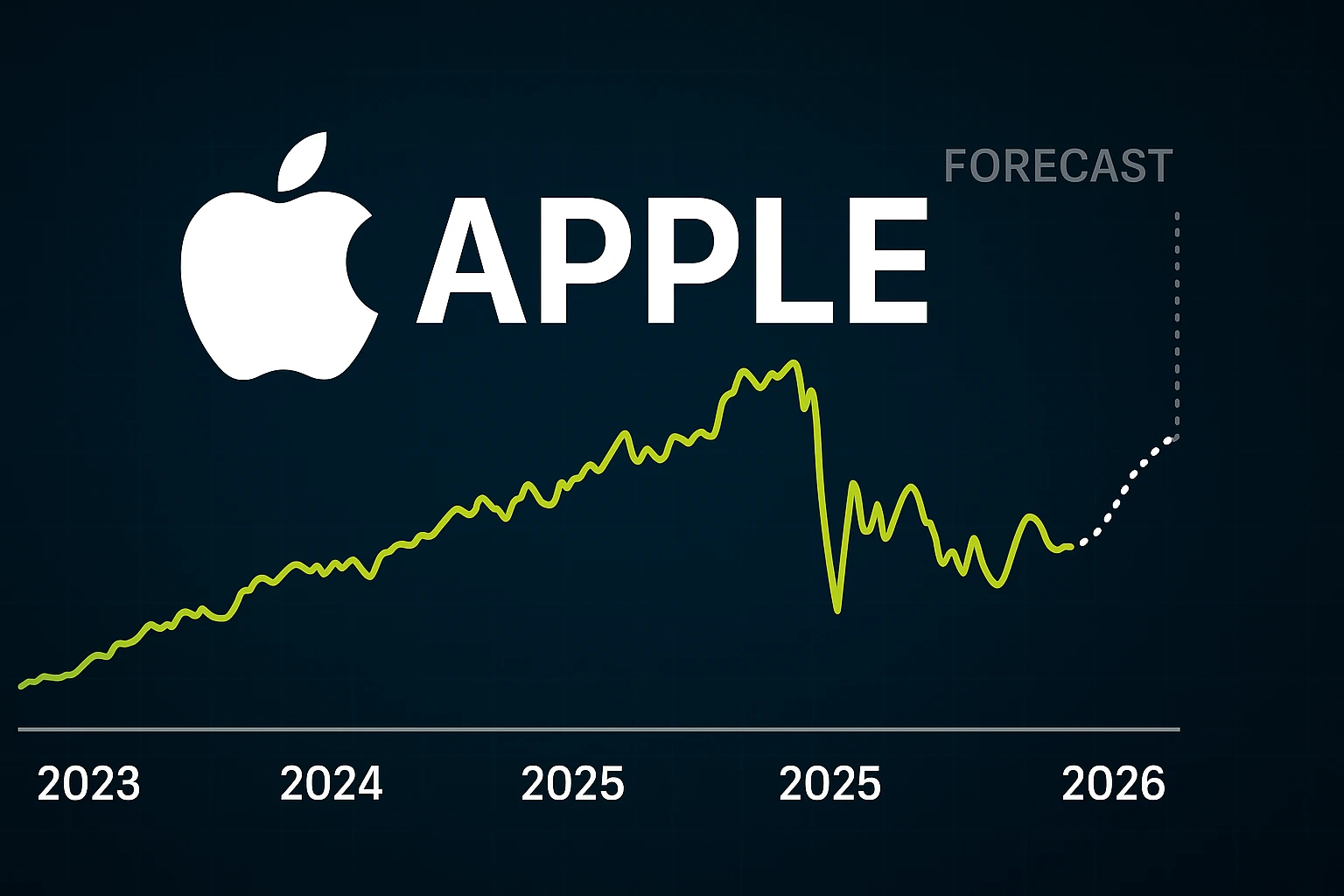
Apple stock, traded under the ticker symbol AAPL on the NASDAQ exchange, represents fractional ownership in Apple Inc., one of the world’s most valuable and influential technology companies. For countless investors, understanding “what is Apple stock” isn’t merely an academic exercise; it’s an inquiry into the financial heart of a company that has redefined industries, accumulated immense wealth for its shareholders, and consistently ranks as a bellwether for the broader market. More than just a piece of paper or an entry in a digital ledger, AAPL embodies a stake in Apple’s vast ecosystem of products, services, and its relentless pursuit of innovation, making it a cornerstone for many investment portfolios focused on growth and stability.
The Icon of Innovation as an Investment
Apple Inc. stands as a testament to consistent innovation, a powerful brand, and a meticulously managed financial operation. From its humble beginnings in a garage to its current status as a trillion-dollar enterprise, Apple has captivated consumers and, crucially, investors. The appeal of its stock lies not just in its past performance but in the enduring strength of its business model and its potential for future financial growth.
Decoding AAPL: More Than Just a Ticker
The ticker symbol AAPL is instantly recognizable to investors globally. It represents more than just a company; it signifies a robust financial asset class. When you buy AAPL stock, you’re not just buying a share of a tech company; you’re buying into a complex financial entity with diverse revenue streams, a massive cash reserve, a global supply chain, and an intricate financial strategy. This includes how it manages its earnings, deploys capital, issues dividends, and conducts share buybacks—all factors critical to shareholder value. Understanding AAPL means delving into its financial statements, evaluating its balance sheet, and assessing its cash flow, not just admiring its latest iPhone.
Apple’s Business Model: A Foundation for Shareholder Value
Apple’s business model is a masterclass in integrating hardware, software, and services to create a sticky ecosystem that fosters customer loyalty and drives recurring revenue. While the iPhone remains its flagship product, generating a significant portion of its sales, the company has successfully diversified its revenue streams. Services like the App Store, Apple Music, iCloud, and Apple TV+ are growing rapidly, offering high-margin recurring income. Wearables, Home, and Accessories, including the Apple Watch and AirPods, also contribute substantially. This diversification insulates the company from over-reliance on any single product cycle and provides a stable financial bedrock that investors highly value, contributing to a lower risk profile compared to companies solely focused on hardware. This integrated approach, financial prowess, and global scale are fundamental reasons why AAPL is considered a premium investment.
Why Investors Look to Apple (AAPL)
For decades, Apple has been a darling of the stock market, drawing in a vast spectrum of investors from individual retail traders to large institutional funds. Its consistent performance, strategic financial management, and strong market position make it an attractive proposition for those seeking both growth and stability in their portfolios.
A Legacy of Financial Performance and Growth
Apple’s financial track record is nothing short of impressive. Year after year, the company has demonstrated robust revenue growth, expanding profit margins, and formidable free cash flow generation. These metrics are crucial for investors as they indicate a company’s ability to not only grow its top line but also translate that growth into actual earnings and cash that can be reinvested, used for acquisitions, or returned to shareholders. Apple’s ability to maintain high margins despite intense competition, thanks to its premium pricing strategy and efficient supply chain, is a key driver of its profitability and, consequently, its stock performance. Its history of overcoming economic downturns and consistently innovating to maintain market leadership reinforces its reputation as a financially resilient enterprise.
Diversified Revenue Streams: Beyond the iPhone
While the iPhone often captures headlines, a significant part of Apple’s investment appeal today comes from its successful diversification strategy. The “Services” segment, encompassing everything from the App Store and Apple Music to Apple Pay and advertising, has become a powerhouse, boasting impressive growth rates and high-profit margins. This segment provides a consistent, recurring revenue stream that is less susceptible to the cyclical nature of hardware upgrades. Furthermore, the “Wearables, Home, and Accessories” category, driven by products like the Apple Watch, AirPods, and HomePod, continues to expand Apple’s reach into consumers’ daily lives, creating additional avenues for sales and ecosystem lock-in. This diversified financial portfolio reduces investment risk and provides multiple levers for future growth, making Apple’s financial health more robust and its stock more appealing.
Shareholder Returns: Dividends and Buybacks
Apple isn’t just a growth story; it’s also a company committed to returning value to its shareholders. It regularly pays a quarterly cash dividend, making it attractive to income-focused investors, especially as the dividend has consistently grown over time. More significantly, Apple has one of the most aggressive share buyback programs in corporate history. By repurchasing its own stock, the company reduces the number of outstanding shares, which in turn increases earnings per share (EPS) and often boosts the stock price. This strategy demonstrates confidence in its future financial performance and acts as a direct mechanism to enhance shareholder value, making AAPL a compelling choice for investors seeking a blend of growth and direct returns.
How to Invest in Apple Stock
Investing in Apple stock is a straightforward process, but it requires understanding the fundamental steps of stock market participation. For anyone looking to add AAPL to their portfolio, a clear roadmap is essential.
Essential Steps to Becoming an AAPL Shareholder
The first step is to open a brokerage account. This can be done with a traditional full-service broker or, more commonly today, through an online discount brokerage platform. When choosing a broker, consider factors like fees, ease of use, available research tools, and customer support. Once your account is set up and funded (typically via bank transfer), you can place an order to buy AAPL shares. You’ll need to decide how many shares you want to buy and the type of order you want to place (e.g., market order for immediate execution at the current price, or a limit order to specify a maximum price you’re willing to pay). It’s also crucial to consider the amount you’re willing to invest, aligning it with your overall financial goals and risk tolerance.

Understanding Stock Market Mechanics and Brokerages
The stock market operates on principles of supply and demand, and brokerage firms act as intermediaries. When you buy AAPL, you’re buying shares from another investor who is selling them, with the broker facilitating the transaction. Brokerages earn money through commissions, although many online brokers now offer commission-free trading for stocks and ETFs. Beyond basic buying and selling, brokers offer various tools for financial analysis, portfolio management, and even advanced trading options like margin accounts (borrowing money to invest). Understanding these mechanics helps investors make informed decisions, manage their portfolios effectively, and navigate the market efficiently.
Investment Strategies for AAPL: Long-term vs. Short-term
For AAPL, as with most quality stocks, a long-term investment strategy is often recommended. This involves holding shares for several years, allowing the company’s fundamental growth, dividend payments, and share buybacks to compound returns over time. Long-term investors typically focus on Apple’s financial health, innovation pipeline, and market leadership rather than daily price fluctuations. Conversely, some engage in short-term trading, attempting to profit from AAPL’s daily or weekly price movements. This strategy is significantly riskier and requires a deep understanding of technical analysis, market sentiment, and rapid execution, making it generally unsuitable for novice investors. For the majority, especially those focused on wealth accumulation, a buy-and-hold approach for Apple stock has historically proven to be a highly effective financial strategy.
Key Considerations and Risks
While Apple stock offers compelling investment potential, it’s not without its risks. A balanced investment perspective requires acknowledging the factors that could impact its future performance and, consequently, its stock price.
Volatility and Market Factors
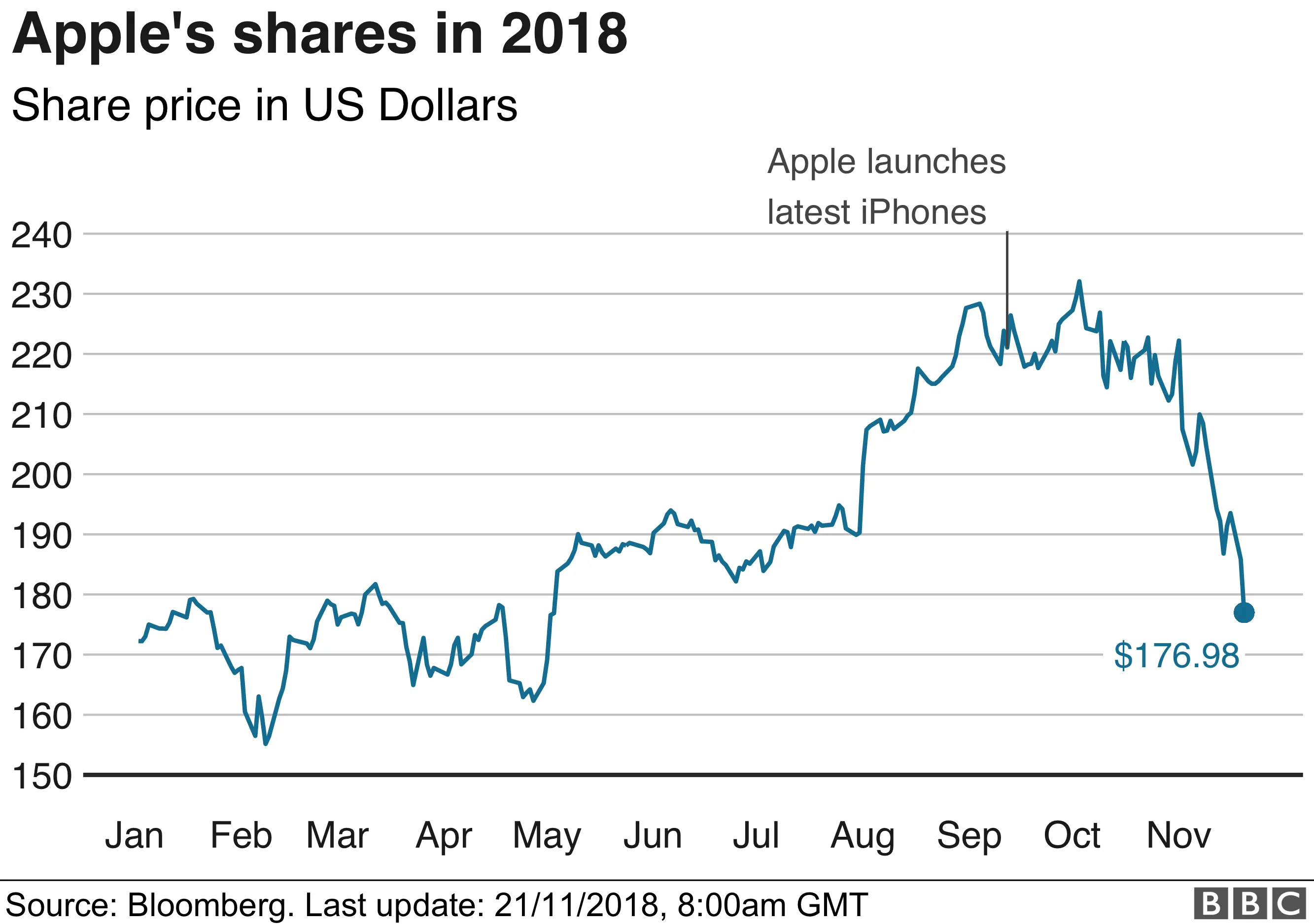
Even a company as robust as Apple is subject to market volatility. Global economic downturns, interest rate changes, geopolitical events, and broad market corrections can all cause AAPL’s stock price to fluctuate, sometimes dramatically. Investor sentiment, often driven by news cycles and macroeconomic indicators, can also lead to irrational buying or selling. While Apple’s financial strength provides some insulation, it is not immune to these external forces. Prudent investors acknowledge that short-term price movements are a natural part of stock market investing and focus on the company’s long-term financial trajectory.
Competitive Landscape and Innovation Challenges
Apple operates in highly competitive markets. While it holds a dominant position, it constantly faces pressure from rivals like Samsung, Google, and Microsoft in hardware, software, and services. The need to continually innovate and differentiate its products and services is paramount. A misstep in product development, a failure to anticipate consumer trends, or a significant breakthrough from a competitor could erode its market share and profitability. Investors must monitor Apple’s research and development spending, patent filings, and product release cycles as indicators of its ongoing ability to maintain its competitive edge and financial superiority.
Regulatory Scrutiny and Global Economic Headwinds
As a global technology giant, Apple faces increasing regulatory scrutiny worldwide. Antitrust concerns, data privacy regulations, and App Store policies are under intense examination, particularly in the US, Europe, and Asia. Adverse regulatory decisions or significant fines could impact its financial results and business practices. Furthermore, global economic headwinds, such as supply chain disruptions, inflation, currency fluctuations, and trade tensions, can affect Apple’s production costs, sales volumes, and international market access, posing risks to its revenue and profit margins. Understanding these broader financial and political landscapes is essential for evaluating the investment outlook for AAPL.
The Future of Apple Stock: What Lies Ahead
The future outlook for Apple stock remains a subject of intense interest and analysis among financial professionals and investors. While its past performance is undeniable, the focus is always on what lies ahead for this tech titan as a financial asset.
Continuous Innovation and New Market Opportunities
Apple’s history is defined by its ability to innovate and create new product categories, from the iPod to the iPhone to the Apple Watch. The expectation for future growth hinges on its capacity to continue this trend. Areas like augmented reality (AR), virtual reality (VR), and even autonomous vehicles (Project Titan) are potential multi-billion-dollar markets that Apple is reportedly exploring. Success in any of these ventures could unlock significant new revenue streams and drive the next phase of growth for the company and its stock. Investors keenly watch for hints about new product launches and market entries as they represent future financial catalysts.
The Power of Services and Ecosystem Lock-in
The services segment is widely viewed as a critical component of Apple’s future financial growth. With hundreds of millions of active devices worldwide, Apple has a vast installed base to which it can offer high-margin subscription services. The “stickiness” of its ecosystem – where users are often hesitant to leave due to the seamless integration and ease of use across their Apple devices and services – provides a powerful competitive advantage. As this segment continues to grow, it will contribute an increasingly stable and predictable revenue stream, enhancing Apple’s overall financial health and providing a resilient base for its stock valuation. This transition toward a more recurring revenue model is highly attractive from an investment perspective.
Analyst Perspectives and Long-Term Outlook
Financial analysts generally maintain a positive long-term outlook for Apple stock, albeit with varying price targets and short-term recommendations. Their analyses often focus on Apple’s strong balance sheet, massive cash reserves, leadership in consumer electronics, and its expanding services business. While concerns about market saturation for core products or regulatory challenges occasionally surface, the consensus remains that Apple possesses the financial muscle and innovative spirit to adapt and thrive. For long-term investors, the company’s commitment to shareholder returns, coupled with its potential for future growth in emerging technologies and services, positions AAPL as a compelling investment for sustained financial accumulation within a diversified portfolio.
aViewFromTheCave is a participant in the Amazon Services LLC Associates Program, an affiliate advertising program designed to provide a means for sites to earn advertising fees by advertising and linking to Amazon.com. Amazon, the Amazon logo, AmazonSupply, and the AmazonSupply logo are trademarks of Amazon.com, Inc. or its affiliates. As an Amazon Associate we earn affiliate commissions from qualifying purchases.