
In the dynamic world of financial markets, few symbols command as much attention as AAPL, the ticker for Apple Inc. Investors, analysts, and everyday consumers alike frequently inquire about “what is Apple share price today,” not just out of curiosity, but as a critical gauge of market sentiment, technological trends, and economic health. While a precise, real-time figure cannot be provided in a static article, understanding how to find this information, what it represents, and what influences it is paramount for anyone navigating the investment landscape. This article delves into the financial intricacies surrounding Apple’s stock, dissecting the factors that shape its valuation and offering insights for informed investment decisions within the personal and business finance spheres.
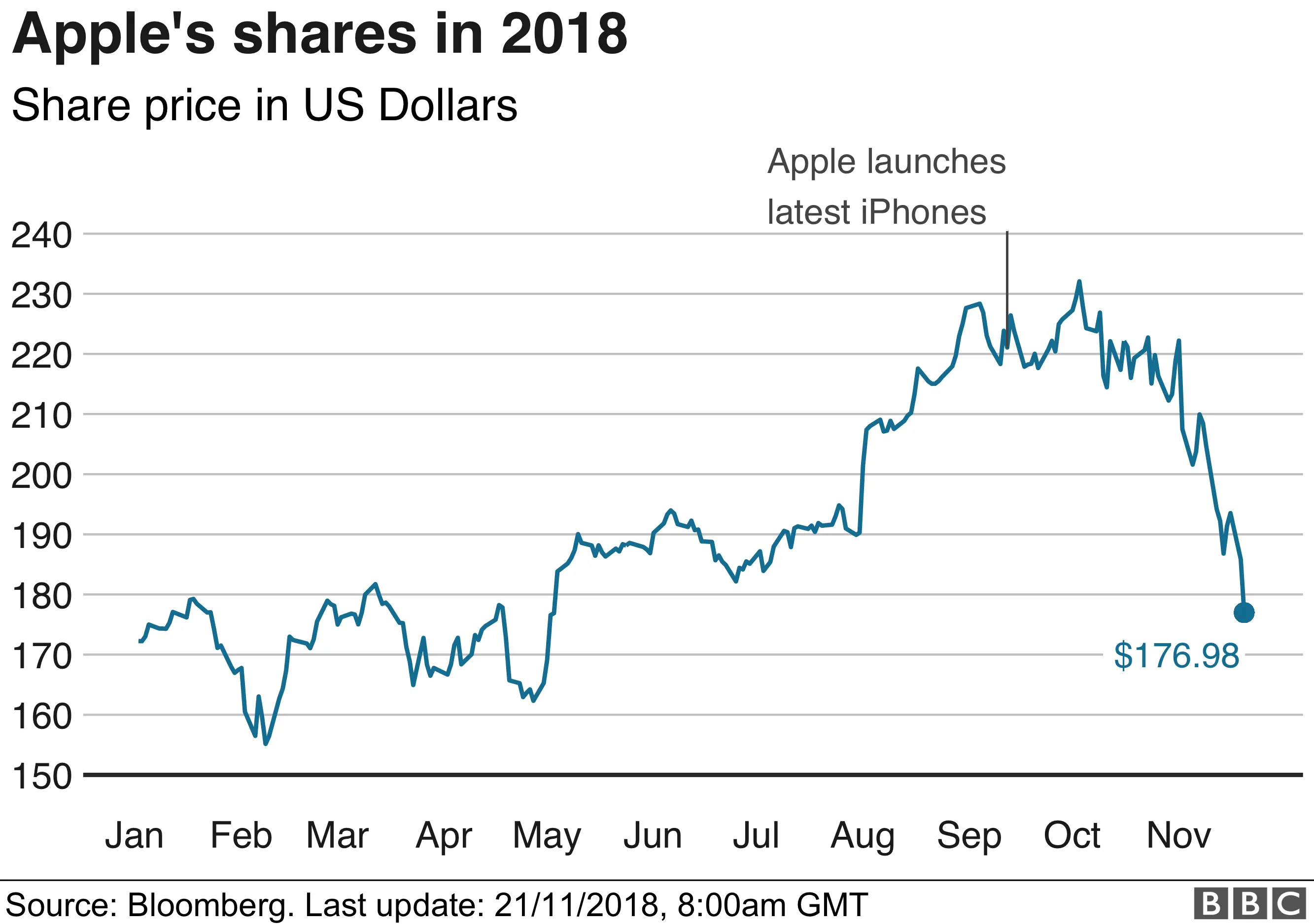
The Dynamics of Real-Time Stock Quotes: More Than Just a Number
The “share price” of Apple is not a fixed constant but a fluid data point, reflecting millions of instantaneous trades and the collective assessment of the company’s value at any given second. For the individual investor, grasping the mechanics behind this number is the first step towards financial literacy.
Accessing Current AAPL Data
The digital age has democratized access to financial information. Anyone can find near real-time quotes for AAPL through a multitude of platforms. Reputable financial news websites (e.g., Bloomberg, Reuters, Yahoo Finance, Google Finance), dedicated investment apps from brokerage firms (e.g., Fidelity, Schwab, E-Trade), and even many search engines provide up-to-the-minute (or slightly delayed) data. Typically, you’d type “AAPL” into their search bar to pull up the latest figures. These platforms not only display the current trading price but also a wealth of supplementary information crucial for context.
Understanding the Quote: Bid, Ask, Volume, and Last Price
When you look up “Apple share price,” you’re typically seeing the “last traded price.” However, a complete stock quote offers much more:
- Last Price: The price at which the most recent trade occurred. This is the figure most people refer to.
- Bid Price: The highest price a buyer is currently willing to pay for a share.
- Ask (or Offer) Price: The lowest price a seller is currently willing to accept for a share.
- Bid-Ask Spread: The difference between the bid and ask prices, representing the profit margin for market makers and an indicator of liquidity. A narrower spread generally means higher liquidity.
- Volume: The total number of shares traded so far during the trading day. High volume indicates strong interest and liquidity, while low volume can suggest less market conviction.
- Open, High, Low, Close: These figures represent the price at the beginning of the trading day, the highest price reached, the lowest price reached, and the price at market close (for the previous day, if current market is open).
- Market Capitalization: The total value of all outstanding shares, calculated by multiplying the share price by the number of shares outstanding. For Apple, this figure typically places it among the world’s largest companies.
The Importance of a 15-Minute Delay (and why it matters for non-professionals)
Many free financial data sources provide stock quotes with a 15-to-20-minute delay. While this delay is inconsequential for long-term investors conducting fundamental analysis, it is critical for active day traders where seconds can mean significant gains or losses. For the vast majority of individual investors, a slightly delayed quote offers sufficient accuracy for making informed decisions, emphasizing that investment decisions should rarely hinge on a single, fleeting second of price action. Understanding this nuance prevents misguided reliance on rapidly changing data points for strategic financial planning.
Apple (AAPL) as an Investment Vehicle: A Case Study in Market Valuation
Apple is not just a technology company; it’s an economic powerhouse, and its share price reflects a complex interplay of financial performance, market perception, and strategic direction. As an investment vehicle, AAPL offers a compelling case study in understanding corporate valuation.
Apple’s Financial Health and Growth Drivers
Apple’s consistent financial performance underpins its high valuation. Its colossal revenue streams are diversified, though still heavily reliant on the iPhone.
- iPhone: Remains the flagship product, driving ecosystem growth.
- Services: A rapidly growing segment (App Store, Apple Music, iCloud, Apple Pay, advertising), offering high-margin recurring revenue and enhancing customer stickiness.
- Mac & iPad: Steady performers, benefiting from integrated hardware-software experiences.
- Wearables, Home, and Accessories: Products like Apple Watch and AirPods are market leaders, contributing significantly to revenue and reinforcing the ecosystem.
- Profitability and Cash Flow: Apple consistently generates massive profits and free cash flow, providing capital for R&D, acquisitions, dividends, and share buybacks. These financial strengths are key attractors for investors seeking stability and growth.
- Innovation and Ecosystem Lock-in: Apple’s ability to innovate (e.g., Vision Pro) and create a tightly integrated ecosystem (hardware, software, services) fosters strong brand loyalty and high switching costs, insulating it somewhat from direct competition.
Key Metrics for Evaluating AAPL Stock
Beyond the raw share price, astute investors scrutinize several financial metrics to assess Apple’s intrinsic value and investment appeal:
- P/E Ratio (Price-to-Earnings Ratio): Compares the stock price to the company’s earnings per share (EPS). A higher P/E often indicates investor confidence in future growth, but also potentially a higher valuation.
- EPS (Earnings Per Share): A company’s profit divided by the number of outstanding shares. Growing EPS is a strong indicator of a healthy, expanding business.
- Dividend Yield: The annual dividend payment per share divided by the share price. Apple pays a modest but growing dividend, appealing to income-focused investors.
- Market Capitalization: As discussed, a colossal figure for Apple, signifying its global economic footprint.
- Revenue Growth: The rate at which the company’s sales are increasing.
- Gross Margin: The percentage of revenue left after subtracting the cost of goods sold, indicating profitability of core products.
Comparing Apple’s metrics to industry peers (e.g., Microsoft, Alphabet) and its historical averages helps investors gauge whether the stock is undervalued, fairly valued, or overvalued at its current price.
The Role of Share Buybacks and Dividends
Apple is known for its aggressive capital return program.
- Share Buybacks: The company repurchases its own shares from the open market. This reduces the number of outstanding shares, which typically boosts EPS and often the share price, as the same earnings are spread across fewer shares. It’s a key component of Apple’s strategy to return value to shareholders.
- Dividends: Apple distributes a portion of its earnings to shareholders, providing a tangible return on investment, particularly attractive to long-term investors and those seeking passive income. These programs signal financial strength and management’s commitment to shareholder value.
Factors Influencing Apple’s Share Price
Apple’s share price is a complex barometer influenced by a multitude of internal and external forces. Understanding these factors provides a holistic view of its market dynamics.
Macroeconomic Trends
Broader economic conditions play a significant role in Apple’s valuation:
- Inflation and Interest Rates: Rising inflation can increase input costs for Apple, while higher interest rates make borrowing more expensive and can reduce consumer spending, impacting sales. Higher rates also make bonds more attractive, drawing money away from stocks.
- Economic Growth/Recession: A robust global economy generally boosts consumer spending on premium devices and services. Conversely, economic slowdowns or recessions can curb discretionary spending, negatively impacting Apple’s sales and hence its share price.
- Global Supply Chain Issues: Disruptions (e.g., geopolitical tensions, pandemics, natural disasters) can impede production, leading to product shortages and affecting sales targets.
Company-Specific News and Events

News directly related to Apple frequently moves its stock price:
- Product Launches: Highly anticipated events like new iPhone, Mac, or Watch unveilings, or the introduction of entirely new product categories (e.g., Apple Vision Pro), often create significant buzz and can lead to short-term volatility or sustained upward movement.
- Earnings Reports: Quarterly earnings calls are critical. Investors keenly watch revenue, profit, and guidance for future quarters. Beating or missing analyst expectations can cause sharp movements in the stock price.
- Management Changes: Key executive appointments or departures, especially at the CEO level, can signal shifts in strategy or stability, influencing investor confidence.
- Legal Challenges & Regulatory Scrutiny: Antitrust investigations, patent disputes, or new regulations (e.g., digital market acts in Europe) can pose financial risks, affecting Apple’s business model and profitability.
- Strategic Acquisitions: While less frequent for major acquisitions, smaller, strategic purchases can enhance Apple’s technological capabilities or expand its service offerings.
Industry Trends and Competitive Landscape
The broader technology sector and competition are constant influences:
- Competition: Intense competition from Android manufacturers (Samsung, Google), other tech giants (Microsoft, Meta) in various segments, and emerging players constantly challenges Apple’s market share and innovation lead.
- Regulatory Scrutiny: As a dominant player, Apple faces increasing examination globally regarding app store policies, market power, and data privacy, which could lead to operational changes or fines.
- Emerging Technologies: The rapid evolution of AI, augmented reality (AR), virtual reality (VR), and other nascent technologies creates both opportunities and threats. Apple’s ability to adapt and lead in these areas is crucial for its long-term growth.
Investor Sentiment and Market Psychology
Beyond fundamentals, human emotion plays a role:
- Herd Mentality: Investors often follow trends, leading to sudden surges or drops based on collective optimism or pessimism, sometimes detached from underlying fundamentals.
- Fear and Greed: These powerful emotions can drive irrational exuberance or panic selling.
- Analyst Ratings and Price Targets: Recommendations from major investment banks and analysts can influence institutional and individual investor behavior. A downgrade or upgrade can shift short-term sentiment.
Investing in Apple: Strategies and Considerations
For those considering an investment in Apple, a strategic approach rooted in financial planning principles is essential. It’s not merely about buying shares but integrating them into a broader financial objective.
Long-Term vs. Short-Term Trading
- Long-Term Growth: Apple is often considered a cornerstone for long-term growth portfolios due to its strong brand, robust financials, consistent innovation, and global market presence. Long-term investors typically focus on fundamental analysis and weather short-term market fluctuations.
- Short-Term Trading: While AAPL is highly liquid, making it attractive for day traders, its sheer size means large price swings are less common than for smaller-cap stocks. Short-term trading involves higher risk and requires constant monitoring of technical indicators and market news. For most individual investors, a long-term perspective is more advisable.
Diversification and Portfolio Allocation
Even a company as seemingly robust as Apple carries risks. Therefore, financial advisors consistently emphasize:
- Diversification: Apple should ideally be one component of a diversified portfolio that includes various asset classes (stocks, bonds, real estate), different sectors (technology, healthcare, consumer staples), and geographies. Over-reliance on a single stock, no matter how strong, concentrates risk.
- Sector Concentration: While Apple is a tech company, it also has strong elements of consumer discretionary and services. Understanding its primary economic drivers helps in proper sector allocation to avoid unintended concentration.
Risk Management and Due Diligence
Investing involves risk, and even blue-chip stocks like Apple are not immune to downturns.
- Understanding Risks: Investors must be aware of potential risks, including increased competition, regulatory headwinds, supply chain disruptions, and macroeconomic pressures that could impact Apple’s future performance.
- Continuous Research: Financial markets are always evolving. Regular review of Apple’s earnings reports, news, and analyst commentary is crucial to ensure your investment thesis remains valid.
Automated Investing and Dollar-Cost Averaging
For those building wealth over time:
- Dollar-Cost Averaging (DCA): Investing a fixed amount of money at regular intervals (e.g., monthly) into Apple shares, regardless of its current price. This strategy helps to average out the purchase price over time, reducing the risk of buying high and mitigating the impact of market volatility.
- Automated Investing: Many brokerage platforms allow for automated recurring investments, making DCA effortless and disciplined. This approach encourages consistent participation in the market, leveraging the power of compounding over decades.
Beyond the Ticker: The Broader Implications of Apple’s Valuation
Apple’s share price isn’t just a metric for individual investors; it’s a significant indicator with broader economic ramifications.
Indicator of Tech Sector Health
As one of the largest and most influential technology companies globally, Apple’s performance is often seen as a bellwether for the entire tech sector. A strong AAPL suggests investor confidence in technology, while a decline can signal broader concerns. Its earnings reports often set the tone for other tech companies.
Impact on Index Funds and ETFs
Apple’s immense market capitalization means it carries a significant weight in major stock market indices like the S&P 500 and the Nasdaq 100. Consequently, its performance heavily influences the returns of countless index funds and Exchange Traded Funds (ETFs) that track these indices. For passive investors, understanding Apple’s role is crucial, as its individual movements directly affect their diversified holdings.

Wealth Creation and Economic Influence
The growth of Apple’s share price over decades has contributed significantly to wealth creation for millions of investors, from institutional funds managing retirement savings to individual shareholders. This wealth, in turn, fuels consumption, investment, and economic activity. Furthermore, Apple’s operational scale and global footprint mean its economic decisions (e.g., manufacturing investments, hiring) have a ripple effect on economies worldwide.
In conclusion, “what is Apple share price today” is a question that opens a window into the multifaceted world of finance, investing, and global economics. It’s not just a fleeting number but a reflection of Apple’s innovation, financial health, market sentiment, and the broader economic landscape. For any individual or business aiming for financial prudence, understanding the drivers behind this seemingly simple query is far more valuable than the number itself. Through diligent research, strategic planning, and a long-term perspective, investors can navigate the complexities of the market, using Apple’s journey as a compelling example within their broader financial toolkit.
aViewFromTheCave is a participant in the Amazon Services LLC Associates Program, an affiliate advertising program designed to provide a means for sites to earn advertising fees by advertising and linking to Amazon.com. Amazon, the Amazon logo, AmazonSupply, and the AmazonSupply logo are trademarks of Amazon.com, Inc. or its affiliates. As an Amazon Associate we earn affiliate commissions from qualifying purchases.