
Apple Corporation is far more than a technology company; it is a global phenomenon built on a meticulously crafted and fiercely protected brand identity. From its minimalist design philosophy and revolutionary marketing campaigns to its unparalleled customer loyalty and unique corporate culture, Apple has masterfully transcended the mere production of gadgets to become a potent symbol of innovation, creativity, and aspiration. To understand “what Apple Corporation is,” one must delve into the intricate layers of its brand strategy, corporate identity, and the relentless pursuit of design excellence that defines its very essence.
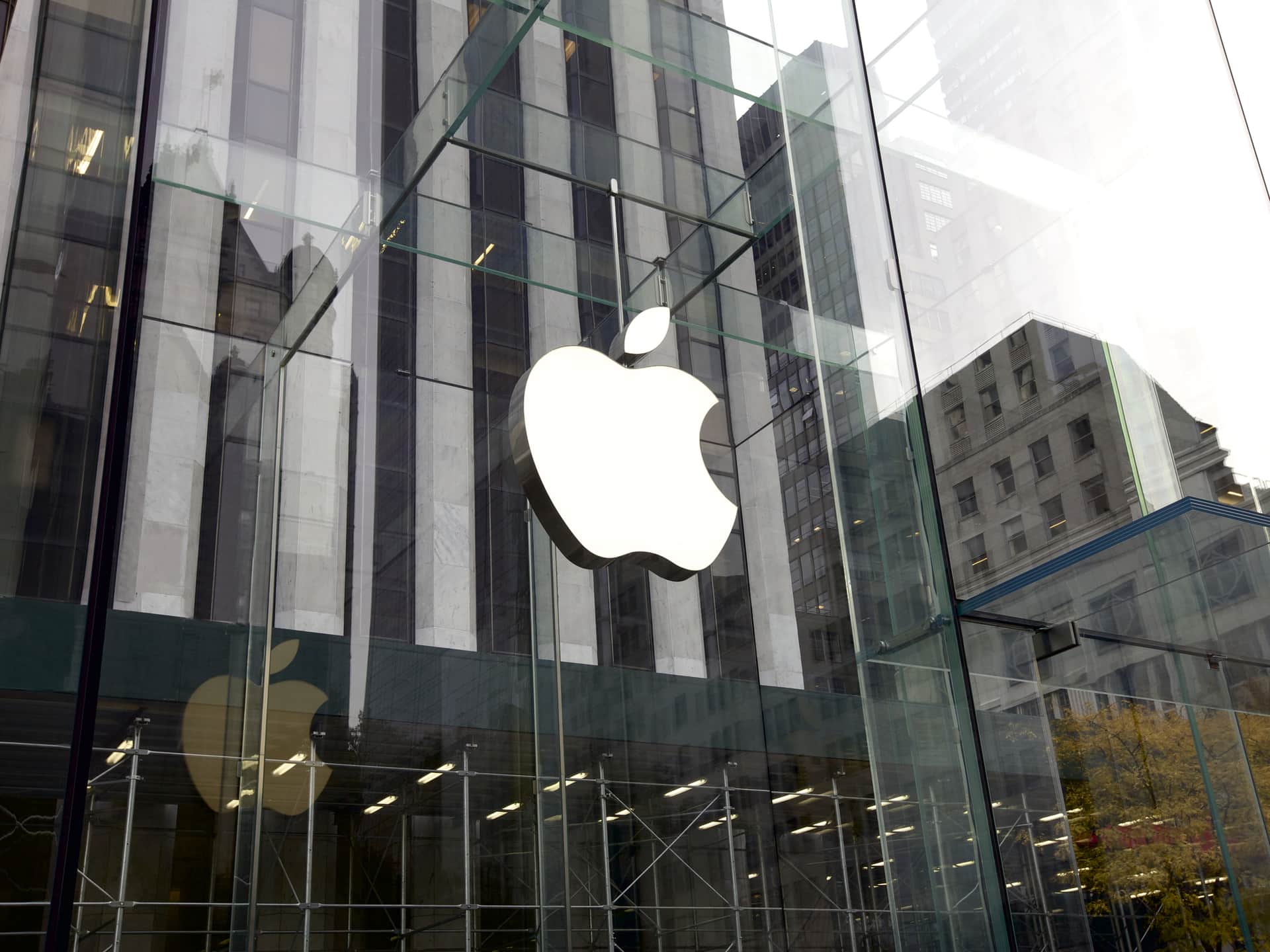
At its core, Apple is a corporation that sells an experience, a lifestyle, and a promise. This promise is delivered through products and services that are not only technologically advanced but are also imbued with a distinct personality and a seamless user experience. The company’s brand is a testament to the power of consistency, vision, and a deep understanding of human desire, making it one of the most recognized, valuable, and influential brands in human history.
The Genesis of an Icon: Crafting a Brand from Vision
The story of Apple’s brand begins not with a product, but with a profound vision articulated by its founders. From the very outset, Apple was conceived as a disruptor, an alternative to the cumbersome, complex technology of its era. This pioneering spirit laid the groundwork for a brand that would continually challenge the status quo and set new benchmarks for design and user interaction.
The Founding Philosophy: Simplicity and Innovation
Steve Jobs and Steve Wozniak, alongside early collaborators, harbored a belief that technology could be beautiful, intuitive, and accessible. This wasn’t merely a product development strategy; it was a foundational brand philosophy. Unlike contemporaries who focused on technical specifications, Apple aimed to simplify the user’s interaction with powerful machines. This commitment to simplicity wasn’t just about reducing complexity; it was about elevating the human experience, making technology feel less like a tool and more like an extension of oneself. This ethos became an indelible part of Apple’s corporate identity, fostering an expectation of elegance and ease of use in every subsequent product.
Early Branding Pillars: User Experience and Design Elegance
From the Apple II to the Macintosh, the company’s early branding efforts underscored a revolutionary commitment to user experience. The graphical user interface (GUI) of the Macintosh, a radical departure from command-line interfaces, was a powerful brand statement: technology could be visually engaging and enjoyable. This focus on intuitive design, coupled with an emphasis on aesthetics (uncommon in early computing), began to differentiate Apple. The brand promised not just computing power, but a delightful and empowering engagement with technology. These early decisions solidified design elegance and a superior user experience as non-negotiable pillars of the Apple brand.
Steve Jobs’ Visionary Leadership in Brand Building
No discussion of Apple’s brand is complete without acknowledging the singular influence of Steve Jobs. His return to Apple in 1997 marked a pivotal moment, transforming a struggling company into a branding powerhouse. Jobs understood that Apple’s problems were not just about product lines or market share; they were about a lost identity. He revitalized the brand by stripping away complexity, focusing on a few core, innovative products, and most importantly, by articulating a clear, compelling narrative for Apple. His personal conviction, attention to detail, and almost religious devotion to design and user experience became synonymous with the Apple brand itself. He wasn’t just a CEO; he was the chief brand evangelist, ensuring every product, every advertisement, and every retail experience communicated a unified and powerful message.
The Apple Ecosystem: A Masterclass in Brand Loyalty
One of Apple’s most significant achievements in brand building is the creation of a powerful, interconnected ecosystem. This ecosystem isn’t just a collection of devices; it’s a strategic framework designed to enhance user experience, foster dependency, and cultivate unparalleled brand loyalty.
Seamless Integration: Hardware, Software, and Services
The true genius of the Apple brand lies in its seamless integration. An iPhone, an iPad, a MacBook, an Apple Watch, and AirPods are not just individual products; they are components of a cohesive whole. Software like iOS and macOS, services like iCloud, Apple Music, Apple TV+, and the App Store, all work in concert, creating a user experience that is intuitive, efficient, and deeply satisfying. This integration means that once a user invests in one Apple product, the perceived value of adding another increases exponentially. Switching away from the ecosystem becomes a considerable hurdle, cementing brand loyalty through convenience and functionality. This interconnectedness is a powerful brand differentiator, creating a sticky experience that competitor ecosystems often struggle to replicate.
Cultivating a Community: The Apple User Experience
Beyond technical integration, Apple has masterfully cultivated a sense of community around its brand. Owning an Apple product often feels like belonging to an exclusive club. The emphasis on user experience extends to every interaction: from the helpfulness of Apple Store employees to the intuitive nature of customer support. The brand creates an emotional connection, fostering a sense of pride and identity among its users. This isn’t just about satisfaction; it’s about affiliation. Users identify with Apple’s values of creativity, individuality, and forward-thinking design, turning them into passionate advocates who evangelize the brand to others. This community-building aspect transforms customers into brand ambassadors, driving organic growth and fortifying its market position.
Retail Strategy: The Apple Store as a Brand Embodiment
The Apple Store is perhaps the ultimate physical manifestation of the Apple brand. Far from a typical electronics retailer, each store is a carefully curated experience designed to reflect Apple’s core values. The minimalist architecture, natural light, uncluttered displays, and knowledgeable, unpressured staff all contribute to an atmosphere of elegance, approachability, and innovation. The stores are not just points of sale; they are brand showrooms, Genius Bar support centers, and community hubs for workshops and events. They encourage exploration, learning, and engagement with the products in a way that online shopping cannot replicate. The Apple Store experience reinforces the premium nature of the brand, making every visit a reaffirmation of Apple’s commitment to design, service, and user empowerment.
Design as a Differentiator: The Aesthetic Core of Apple’s Identity
If brand strategy is the skeleton of Apple Corporation, design is its skin, muscle, and beating heart. Design is not an afterthought at Apple; it is intrinsic to its corporate identity and a fundamental differentiator that has set it apart in a crowded technological landscape.
Form Follows Function: Minimalism and Intuition

Apple’s design philosophy is rooted in the principle of “form follows function,” but taken to an extreme degree of refinement. Every curve, every material choice, every button placement is meticulously considered to enhance usability while simultaneously achieving a striking minimalist aesthetic. This commitment to minimalism is a core tenet of its brand identity, communicating sophistication, clarity, and an uncluttered user experience. The absence of unnecessary ornamentation means that the product itself is the focus, and its intuitive operation becomes a testament to superior design. This approach allows the brand to project an image of effortless efficiency and timeless elegance, appealing to consumers who value both performance and aesthetics.
The Unboxing Experience: Product as a Sensory Brand Journey
Apple understands that the brand experience begins long before a device is powered on. The unboxing experience of an Apple product is legendary, a carefully choreographed sensory journey designed to build anticipation and reinforce the premium nature of the brand. The weight of the box, the satisfying resistance as the lid is lifted, the precise arrangement of components, the quality of the packaging materials – every detail is controlled to create a moment of delight and luxury. This attention to detail communicates Apple’s unwavering commitment to quality and thoughtful design, elevating the mundane act of opening a box into an integral part of the brand experience. It speaks volumes about the value Apple places on its products and, by extension, its customers.
Iconic Product Design Language: From iMac to iPhone
Over the decades, Apple has established a distinctive product design language that is instantly recognizable and widely emulated. From the translucent, candy-colored iMacs that revitalized the company in the late 1990s, to the revolutionary touch-interface of the original iPhone, Apple products consistently push boundaries not just in technology, but in industrial design. This consistent design language – characterized by clean lines, premium materials (aluminum, glass), precise manufacturing, and ergonomic considerations – has become a visual shorthand for the Apple brand. It communicates innovation, quality, and a future-forward sensibility, cementing Apple’s reputation as a design leader rather than just a tech manufacturer. This iconic aesthetic is a cornerstone of its corporate identity, making its products instantly identifiable even without a logo.
Marketing Magnificence: Communicating the Apple Promise
Apple’s marketing is not just about advertising products; it’s about telling stories, inspiring desires, and articulating a unique worldview. Its campaigns are legendary for their insight, creativity, and ability to forge deep emotional connections with audiences.
“Think Different”: A Manifesto for Rebellion and Creativity
The “Think Different” campaign launched in 1997 is perhaps the greatest example of Apple’s brand marketing genius. It wasn’t about selling computers; it was about celebrating the misfits, the rebels, the troublemakers – those who saw things differently and pushed humanity forward. By associating itself with figures like Albert Einstein, Martin Luther King Jr., and Mahatma Gandhi, Apple positioned its brand as a champion of creativity, innovation, and positive change. It invited consumers not just to buy a computer, but to align themselves with a philosophy. This campaign didn’t just rebuild Apple’s image; it defined its brand identity as an advocate for individualism and groundbreaking thought, resonating deeply with an audience yearning for meaning beyond mere technology.
The Power of Storytelling: Emotional Resonance in Advertising
Apple’s advertising rarely focuses on technical specifications. Instead, it tells stories that evoke emotion, demonstrate real-world utility, and highlight how Apple products enrich people’s lives. Whether it’s showcasing a photographer capturing stunning images with an iPhone, a student using an iPad for creative projects, or a family connecting over FaceTime, Apple’s ads are masterclasses in emotional branding. They tap into universal human experiences and aspirations – creativity, connection, love, achievement – positioning Apple products as tools that enable these moments. This approach creates a powerful bond with consumers, moving beyond rational purchase decisions to deep emotional loyalty, making the brand feel relatable and indispensable.
Event Marketing: Product Launches as Global Spectacles
Apple product launches are not merely press conferences; they are meticulously orchestrated global spectacles. From Steve Jobs’ iconic “one more thing” moments to today’s polished presentations by Tim Cook and his team, these events are central to Apple’s marketing strategy. They generate immense anticipation, media coverage, and public discussion, transforming new product announcements into cultural events. The theatricality, the secrecy leading up to the events, the slick presentations, and the sheer charisma of the presenters all combine to create a powerful brand narrative. These launches reinforce Apple’s image as a leader, an innovator, and a company capable of delivering magic, keeping the brand consistently at the forefront of public consciousness.
Sustaining Brand Eminence: Challenges and Evolution
Even with its formidable brand strength, Apple Corporation continually faces the challenge of sustaining its relevance, maintaining its innovative edge, and evolving its identity in a rapidly changing world.
Expanding Beyond Hardware: Services as a Brand Extension
In recent years, Apple has strategically shifted its focus to significantly grow its services division, including Apple Music, Apple TV+, Apple Arcade, iCloud, and Apple Pay. This expansion is a crucial brand evolution, transforming Apple from primarily a hardware company into a more holistic digital ecosystem provider. This move not only diversifies revenue streams but also deepens user engagement, further cementing brand loyalty by integrating Apple into more aspects of daily life. The challenge lies in extending the premium, design-centric brand identity from physical products to intangible digital services, ensuring that the Apple standard of quality and user experience is consistently maintained across all offerings.
Corporate Social Responsibility and Brand Values
In an increasingly conscious consumer landscape, Apple’s corporate social responsibility (CSR) initiatives and stated brand values play a critical role in maintaining its positive image. From commitments to renewable energy and supply chain transparency to privacy protection and accessibility features, Apple uses its platform to communicate a broader purpose beyond profit. These efforts are not just about compliance; they are about reinforcing the brand’s ethical dimension and appealing to consumers who prioritize companies aligned with their values. How Apple addresses issues like environmental impact, labor practices, and data privacy directly influences its corporate identity and its standing as a responsible global brand.

Navigating Competition and Maintaining Brand Relevance
Apple operates in highly competitive markets, constantly battling rivals in smartphones, computers, and streaming services. To maintain its brand eminence, Apple must continually innovate, anticipate consumer needs, and effectively differentiate itself. This involves more than just launching new products; it requires a perpetual reassertion of its core brand promise – a seamless, intuitive, and inspiring user experience delivered through elegant design and powerful technology. The challenge is to evolve while staying true to its foundational brand identity, ensuring that “what is Apple Corporation” remains synonymous with innovation, quality, and a singular, aspirational vision for the future of technology and human interaction.
In conclusion, “what is Apple Corporation” is the story of a brand built on vision, design, and an unwavering commitment to the user experience. It is a testament to the power of a unified corporate identity, a meticulous marketing strategy, and the creation of an ecosystem that fosters fierce loyalty. Apple’s journey from a garage startup to a global powerhouse is a masterclass in how a brand can transcend its products to become a cultural icon, defining not just what technology can do, but what it can represent for humanity.
aViewFromTheCave is a participant in the Amazon Services LLC Associates Program, an affiliate advertising program designed to provide a means for sites to earn advertising fees by advertising and linking to Amazon.com. Amazon, the Amazon logo, AmazonSupply, and the AmazonSupply logo are trademarks of Amazon.com, Inc. or its affiliates. As an Amazon Associate we earn affiliate commissions from qualifying purchases.