
The exploration of “sacred animals” in ancient mythologies offers a profound lens into the construction of divine identities, effectively functioning as early forms of branding that cemented a deity’s attributes, domains, and personality in the minds of worshippers. For Apollo, one of the most complex and revered gods of the Greek pantheon, his associated animals are not merely companions but potent symbols that articulate the multifaceted nature of his divine “brand.” While no single creature exclusively holds the title across all myths and cults, the swan and the wolf emerge as his most significant and frequently referenced sacred animals, each contributing unique facets to his widely recognized identity. Other creatures, such as the raven and the serpent, also play crucial roles in specific narratives, further enriching his symbolic portfolio.
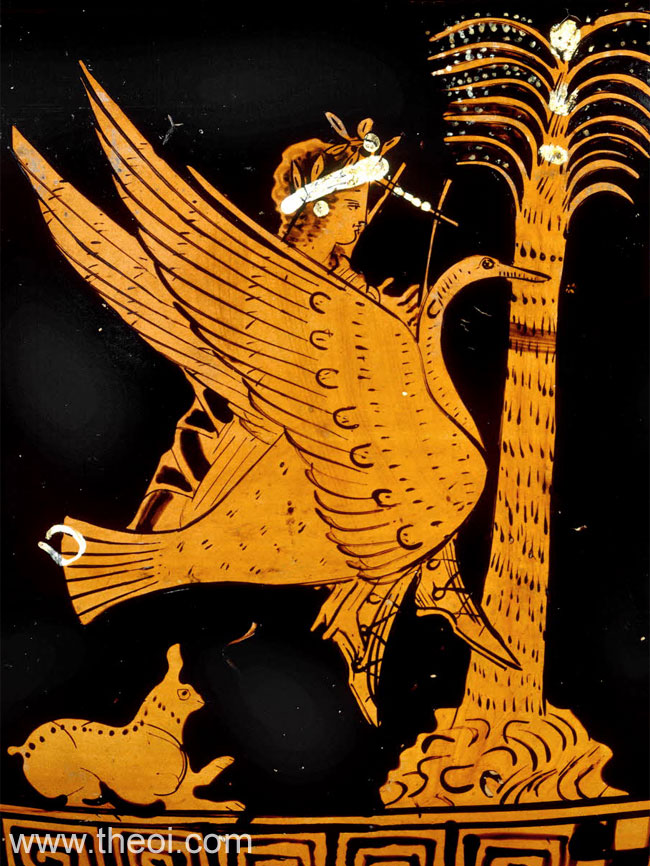
The Swan: Emblem of Purity, Music, and Prophecy
The swan stands as perhaps the most aesthetically aligned sacred animal with Apollo’s primary attributes: light, music, poetry, and prophecy. In Greek mythology, the swan is often associated with purity, grace, and beauty, qualities synonymous with the radiant god of the sun. Its elegant form, often depicted drawing Apollo’s chariot or accompanying him, serves as a powerful visual identifier for the deity.
Apollo’s Divine Connection to the Swan
The mythology surrounding Apollo’s birth on the island of Delos often features swans. Legend holds that swans circled the island seven times as Leto, Apollo’s mother, gave birth, signaling his divine arrival. This foundational myth imbues the swan with a sacred status directly linked to Apollo’s origins, making it an intrinsic part of his “birth story” – a critical element in establishing any powerful brand narrative. The number seven itself held mystical significance, further cementing the swan’s role in a profound, prophetic context.
Furthermore, the swan’s famed “swan song,” a beautiful melody sung before its death, resonates deeply with Apollo’s domain over music and poetry. This association elevates the swan from a mere animal to a symbol of artistic transcendence and the divine harmony that Apollo embodies. For ancient Greek cults, seeing a swan would immediately evoke Apollo, much like a modern logo triggers instant brand recognition. This powerful connection allowed for consistent messaging about Apollo’s gentle, artistic, and luminous aspects across different regions and forms of worship.
The Swan as a Brand Identifier
In essence, the swan acted as a cornerstone of Apollo’s ‘personal branding.’ It communicated his serene, artistic, and prophetic qualities without the need for extensive explanation. This symbolic shorthand was invaluable in an age where religious narratives were primarily transmitted orally and through visual iconography. Temples, artworks, and poetic descriptions frequently featured swans, reinforcing Apollo’s identity as a bringer of light, truth, and inspiration. The swan, therefore, wasn’t just an animal; it was a carefully curated symbol that contributed to a cohesive and memorable divine identity, enabling his followers to instantly connect with his core values and domains.
The Wolf: A Fierce Protector and Punisher
Contrasting sharply with the swan’s gentle elegance, the wolf introduces a darker, more primal, and protective aspect to Apollo’s brand. The epithet Apollo Lyceus, meaning “wolf-Apollo” or “light-wolf,” highlights this profound connection. This duality demonstrates a sophisticated “brand strategy” for a deity, allowing Apollo to encompass both benevolent and fearsome qualities.
Apollo Lyceus: The Wolf-God Aspect
The association with the wolf is multi-layered. On one hand, Apollo Lyceus was worshipped as a protector of flocks against wolves, paradoxically embodying the very threat he shielded against. This reflects a common theme in ancient religions where deities often controlled forces that could both harm and heal. More importantly, the wolf symbolized a fierce, untamed power and an instinctive ability to see in the dark, which aligned with Apollo’s roles as a god of light capable of revealing hidden truths and a bringer of divine retribution.
The wolf also represented the destructive aspect of Apollo’s power – his capacity for plague, sudden death (especially through arrows), and righteous anger. In ancient Greek cities, sanctuaries dedicated to Apollo Lyceus often stood near city walls, positioning him as a guardian against both external threats and internal corruption. This ‘brand extension’ allowed Apollo to appeal to a broader audience, demonstrating his comprehensive power over life and death, healing and destruction.
Dual Branding: Complexity and Breadth
The co-existence of the swan and the wolf as sacred animals illustrates a masterful strategy in constructing a divine identity. It created a complex and nuanced brand for Apollo, demonstrating his wide-ranging influence. The swan communicated his approachable, inspiring side, while the wolf underscored his formidable, protective, and punitive authority. This dualistic approach ensured that Apollo’s appeal was universal, resonating with those seeking artistic inspiration, prophetic guidance, and fierce protection. It showcased his omnipotence – a deity who could embody contrasting forces, thereby making his “brand” more robust and versatile. For ancient worshippers, this meant Apollo was a god for all seasons and all needs, from joyous celebrations to desperate pleas for salvation.

Other Animals in Apollo’s Pantheon: Ravens and Snakes
Beyond the prominent swan and wolf, other animals appear in Apollo’s mythology, each adding specific narratives and symbolic layers to his comprehensive brand identity. These auxiliary symbols further delineate his domains and offer cautionary tales or reaffirm his triumphs.
The Raven: Messenger and Harbinger
The raven, initially white, famously turned black due to Apollo’s wrath. In one myth, the raven, sent to spy on Apollo’s beloved Coronis, brought back news of her infidelity. Apollo, in his rage, cursed the bird, turning its feathers black and ensuring its caw would forever be a harbinger of ill tidings. This story integrates the raven into Apollo’s brand as a symbol of betrayed trust, swift punishment, and the dangers of delivering unwelcome truths. While not a “sacred” animal in the celebratory sense, its narrative connection to Apollo is undeniable, illustrating his potent emotional range and the consequences of divine displeasure. It serves as a narrative cautionary tale, a key element in establishing a god’s ethical framework.
The Serpent: Delphi and the Python
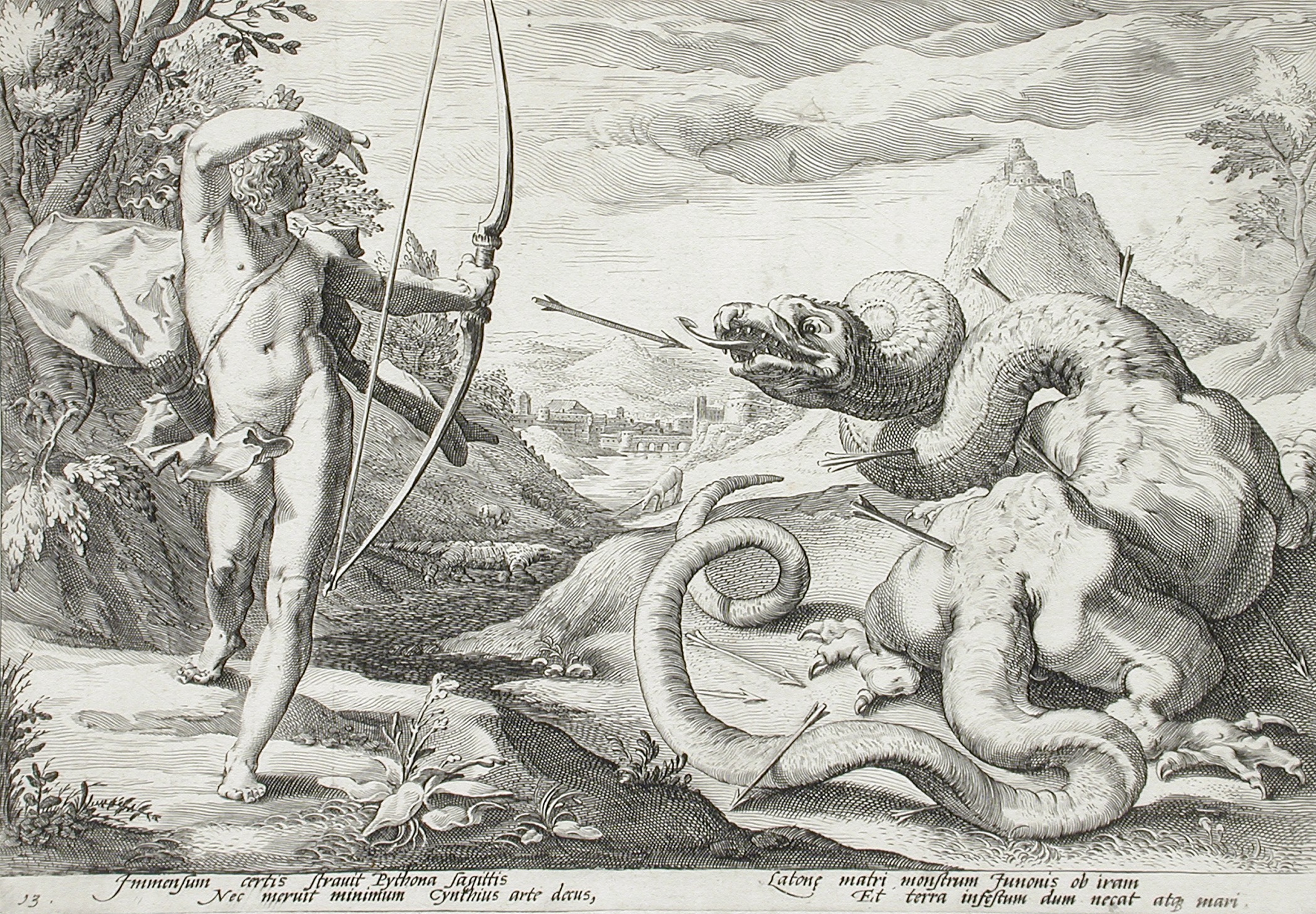
The most iconic serpent in Apollo’s mythology is the monstrous Python, whom he slew at Delphi. This heroic feat established Apollo’s claim over the Oracle of Delphi, making it his most important cult center for prophecy. By conquering the primeval serpent, Apollo asserted his dominance over chaos and disorder, transforming a chthonic, ancient power into a source of his divine wisdom. The serpent, therefore, became a symbol of his triumph and his connection to prophetic insight, healing, and the earth’s deeper mysteries. Though Python was his adversary, its defeat cemented a lasting association between Apollo, Delphi, and serpent symbolism, particularly in healing contexts (where the Rod of Asclepius, Apollo’s son, features a snake).
Diverse Symbolism, Unified Brand
The collective use of these animals – swan, wolf, raven, and serpent – demonstrates a sophisticated brand architecture. Each animal carried specific connotations, contributing to a holistic understanding of Apollo. The swan for grace and art, the wolf for protection and retribution, the raven for divine anger and omens, and the serpent for triumph over chaos and prophetic wisdom. Together, these symbols created a rich, multi-faceted divine brand identity that was both complex and coherent, allowing Apollo’s worshippers to engage with different aspects of his power and personality. This depth of symbolism ensured that Apollo remained relevant and revered across various societal needs and cultural expressions.
The Power of Animal Symbolism in Brand Identity
The ancient world’s use of sacred animals for deities like Apollo provides a timeless blueprint for understanding the power of symbolism in brand identity. These practices, though ancient, echo modern branding strategies in remarkable ways.
Archetypal Branding
Ancient deities were, in essence, archetypal brands. Their sacred animals functioned as powerful visual and narrative elements that communicated their core attributes and values. Just as a modern company uses a logo or a mascot to encapsulate its brand essence, the gods used animals to represent their spheres of influence, personality, and power. This archetypal branding allowed for instantaneous recognition and connection, transcending language barriers and fostering deep emotional resonance. Apollo’s swan, for instance, immediately conveyed his association with beauty and music, just as the Nike swoosh evokes speed and athleticism.
Memorability and Recognition
The enduring legacy of Apollo and his sacred animals underscores the effectiveness of strong symbolic branding. Even millennia later, the images of swans or wolves can evoke aspects of his mythology, demonstrating the remarkable memorability of these associations. For ancient worshippers, these symbols were not just decorative; they were vital identifiers that helped them navigate the divine landscape and affirm their faith. This mirrors how successful modern brands aim for logos and symbols that are instantly recognizable and deeply embedded in public consciousness.
Modern Branding Parallels
In today’s market, brands leverage mascots, animal logos, and symbolic associations to build identity and market themselves. From the regal lion representing luxury and strength to the swift eagle symbolizing freedom and precision, companies consciously choose animals whose inherent qualities align with their brand promise. Think of the leaping jaguar for a luxury car, the playful gecko for an insurance company, or the wise owl for an educational institution. These choices are not accidental; they are strategic decisions aimed at communicating specific brand values, just as Apollo’s association with the swan conveyed his artistic grace and the wolf his protective ferocity. The study of Apollo’s sacred animals, therefore, offers not just a glimpse into ancient religion but also a profound insight into the enduring psychological impact and strategic utility of symbolic identity building, proving that effective branding is a practice as old as civilization itself.
aViewFromTheCave is a participant in the Amazon Services LLC Associates Program, an affiliate advertising program designed to provide a means for sites to earn advertising fees by advertising and linking to Amazon.com. Amazon, the Amazon logo, AmazonSupply, and the AmazonSupply logo are trademarks of Amazon.com, Inc. or its affiliates. As an Amazon Associate we earn affiliate commissions from qualifying purchases.