
For anyone living on a military installation overseas, or for those frequently sending packages to service members stationed abroad, the terms APO and FPO are fundamental components of the mailing system. These acronyms represent specialized mailing services that allow the United States Postal Service (USPS) to function as a bridge between civilian home fronts and remote military outposts across the globe. Understanding how these addresses work is not just a matter of logistics; it is an essential skill for managing your financial and administrative affairs while serving in the military or supporting someone who does.

Demystifying Military Mail: What APO and FPO Actually Mean
At their core, APO and FPO addresses serve as the logistical framework for the Military Postal Service Agency (MPSA). They are the “destinations” that allow mail to reach personnel serving in the U.S. Armed Forces, regardless of their specific geographic location in a foreign country or at sea.
APO vs. FPO: The Distinction
The primary difference between these two designations is the type of military entity they serve:
- APO (Army Post Office): These addresses are used by the United States Army and the United States Air Force. Despite the name, they are used for any personnel operating within these branches at land-based installations.
- FPO (Fleet Post Office): These addresses are designed for the United States Navy and the United States Marine Corps. These typically route mail to ships at sea or naval installations.
How the Routing System Functions
When you send a package to an APO or FPO address, it is not traveling directly to a specific physical street address in a foreign country. Instead, it is routed to a domestic military processing center in the United States—most commonly located in New York, San Francisco, or Miami. From these domestic hubs, the Department of Defense (DoD) takes custody of the mail, transporting it through secure military channels to the specific base, ship, or fleet command where the recipient is stationed. Because the USPS only handles the domestic leg of the journey, this system provides a necessary layer of security and logistical control for sensitive military operations.
The Role of APO/FPO in Personal Finance and Banking
One of the most critical aspects of using an APO/FPO address involves the intersection of military service and personal finance. Managing money while deployed requires a nuanced understanding of how these addresses impact your financial profile, credit reports, and digital security.
Navigating Banking Restrictions
Many financial institutions operate under strict regulations regarding customer verification and physical residency. A common hurdle for service members is that many automated banking systems do not recognize APO/FPO addresses as valid “residential” addresses. If you are setting up a new account, a brokerage, or a credit card, you may find that the system flags your address as a P.O. Box, which is sometimes restricted for account verification purposes.
To mitigate this, always maintain a “state of legal residence” address—usually the state where you pay taxes or maintain your driver’s license. When applying for financial products, use your APO/FPO address for mailing and communication, but be prepared to provide a copy of your military orders or a secondary permanent address in your home state to bypass automated residency filters.
Protecting Your Credit Report
Financial security is paramount for service members. Your credit report relies on the accuracy of your address history. Because APO/FPO addresses are categorized as military addresses, they sometimes fail to trigger the standard “address change” protocols used by credit bureaus. Ensure that your credit monitoring services are aware of your deployments. It is a best practice to keep a consistent permanent address in the U.S. (such as a family member’s home or a dedicated military mail forwarding service) linked to your credit profile to prevent identity theft alerts or unexpected account closures due to “unverifiable location.”
Financial Logistics: Sending Money and Managing Assets
Beyond the address itself, the logistical reality of being “in the system” affects your ability to manage your money effectively. The military environment requires a proactive approach to financial tools to ensure that your income, investments, and expenses remain stable.
The Importance of Digital Financial Tools
When you are stationed at an APO/FPO address, physical mail can be slow. Relying on paper statements or check-based banking is a recipe for disaster. If you are serving overseas, it is mandatory to transition every financial account—from your primary checking to your investment portfolio—to paperless, digital-only statements.
Furthermore, you should utilize mobile banking apps that support two-factor authentication via email or authenticator apps rather than SMS. Since your domestic cell phone number might be disabled or roaming while you are using an international or military network, email-based or app-based security is the most reliable way to maintain control over your accounts.
Managing Taxes and Income from Abroad
Your mailing address can sometimes influence how you are taxed, especially if your state of residence has complex residency requirements. By using an APO/FPO address, you are clearly signaling your status as a service member. Ensure that your employer (if you have side hustles or civilian income) and your bank understand that your APO/FPO address does not indicate that you are “living” in that foreign country for tax residency purposes. You remain a U.S. resident for tax purposes, and your APO/FPO address is simply a logistics point, not a change in your domicile.
Best Practices for Using APO/FPO Addresses Safely
Using these addresses requires a different set of security considerations compared to a standard residential address. Because this mail flows through military channels, it is subject to strict customs regulations and security protocols.
Customs Forms and Financial Accountability
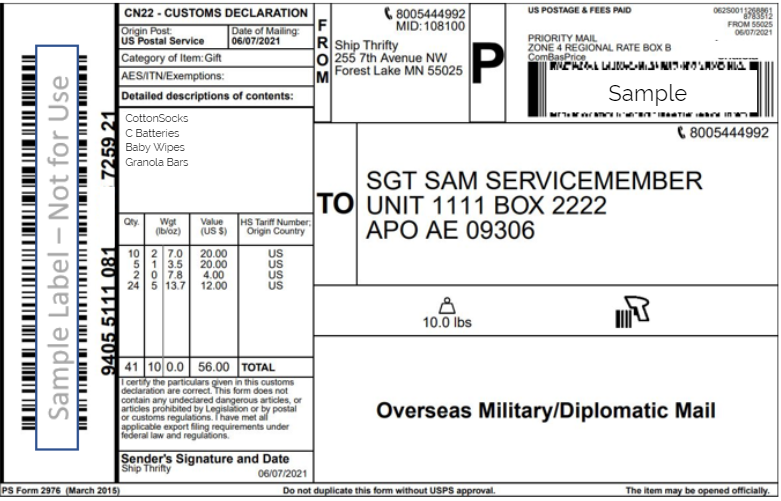
Every package sent to an APO/FPO address requires a customs declaration form (PS Form 2976 or similar). From a financial perspective, you must be honest and accurate regarding the contents and the value of the items. Shipping high-value goods (like expensive electronics or luxury items) to an APO/FPO address carries risks regarding loss and insurance. Many standard shipping insurance policies do not cover packages once they enter the military mail system. If you are buying high-ticket items, consider using a specialized military-friendly freight forwarder or ensuring you have documented proof of value for any necessary claims.
Security and Privacy Concerns
Your mailing address is a piece of data that, if handled carelessly, can reveal your location and status.
- Avoid Public Forums: Never post your full APO/FPO address on public social media platforms or open-source forums.
- Verify Merchant Reliability: When shopping online, ensure the retailer is capable of shipping to an APO/FPO address. If a company claims they cannot ship to your location, do not attempt to use a third-party “reshipper” that hasn’t been vetted. Reshippers often increase the risk of lost items and can introduce security vulnerabilities regarding your personal and financial data.
- Digital Hygiene: Keep your APO/FPO address linked only to trusted financial institutions. Avoid using this address for minor retail accounts where the security of your data might be secondary to the convenience of the platform.

Preparing for Transition
When you rotate to a new duty station, your APO/FPO address will change. Financial institutions are notoriously bad at handling address transitions if you don’t stay ahead of them. Set a personal “financial maintenance” calendar. Whenever you receive new orders, audit every single financial account you own. Update your mailing address, confirm that your paperless billing is still active, and ensure that your secondary contact information (like your email address) is current. By treating your address changes as a formal financial procedure, you protect your credit, your investments, and your peace of mind.
In the global economy, your APO/FPO address is more than just a destination for care packages; it is the vital link that ensures your financial life remains connected to the U.S. banking system while you serve abroad. By understanding the logistical and financial nuances of these addresses, you can navigate your deployment with greater confidence and significantly fewer administrative headaches.
aViewFromTheCave is a participant in the Amazon Services LLC Associates Program, an affiliate advertising program designed to provide a means for sites to earn advertising fees by advertising and linking to Amazon.com. Amazon, the Amazon logo, AmazonSupply, and the AmazonSupply logo are trademarks of Amazon.com, Inc. or its affiliates. As an Amazon Associate we earn affiliate commissions from qualifying purchases.